



















Heart valves are essential for controlling the blood flow through the heart so that oxygen-rich blood can effectively reach the body. Sometimes circulation is disturbed silently at first when these valves don’t open or seal correctly. Many people may not have symptoms until the illness worsens, and valvular heart disease can advance slowly.
In this article, we will explore the types of heart valve disease, common heart valve disease symptoms, causes, diagnostic methods, and treatment options for valve disorders. We’ll also discuss when to seek medical attention and how early detection can lead to better outcomes.
- Valve problems can silently affect blood flow, often without early symptoms.
- Common signs include breathlessness, fatigue, chest discomfort, and irregular heartbeat.
- Early diagnosis and timely treatment (medication or surgery) greatly improve heart health outcomes.
Read More: Men’s Heart Disease Risk Starts Accelerating at 35 — Here’s What a 34-Year Study Found
What Is Valvular Heart Disease?
Valvular heart disease (VHD) is characterized by damage to or a congenital disability in one or more heart valves: mitral, aortic, tricuspid, and pulmonary. The only purpose of heart valves is to allow blood to pass through the heart without obstruction.
Two types of issues can arise from damaged or malfunctioning valves: either they leak (a condition known as regurgitation), allowing backflow, or they fail to open correctly (a condition which is known as stenosis), restricting blood flow. Regurgitation occurs when a valve fails to close completely, allowing the blood to flow back into the chamber from which it originated.
Prolapse, a condition where the valve leaflets protrude into the left atrium during heartbeat, is the most common cause of mitral regurgitation. When the heart valve cannot open completely because the valve flaps (or ring) become thick, rigid, or fused, there is insufficient blood flow through the valve. This condition is known as stenosis.
Types of Valvular Heart Disease
Understanding the types of heart valve disease helps identify how each condition affects heart function:
Valvular Stenosis (Narrowing): Heart valve stiffness can limit blood flow by narrowing the valve opening. We refer to the narrowing as valve stenosis. It limits the amount of blood that can pass through and prevents the valve from opening completely.
In extreme circumstances, the valve opening may constrict to the point that there is insufficient blood flow to the remainder of the body.
Valvular Prolapse (Slipping Out of Place): The disorder known as “valve prolapse” (slipping out of place) occurs when the valve flaps, or leaflets, bulge or slip out of position. It may result in the heart valve closing incorrectly or unevenly. Blood may escape backward through the prolapsed valve, disrupting one-way blood flow.
Regurgitation (Leakage): When a valve fails to seal properly, blood flows backward, causing regurgitation. This disruption of one-way blood flow strains the heart, reduces its pumping efficiency, and limits its ability to deliver the oxygen-rich blood to the body.
What Causes Heart Valve Disease?

Age-related degeneration, infections, and congenital disorders are some of the causes of heart valve disease. If you are over 65, have other heart issues, are overweight, diabetic, inactive, or have a family history of heart disease, you are more likely to develop a heart valve condition.
Heart valve disease is frequently caused by the following:
Congenital Heart Defects: Some people are born with malformed or absent heart valves, which can lead to early valve problems.
Aging and Calcium Accumulation: Over time, calcium deposits can thicken and stiffen valves, leading to stenosis.
Rheumatic Fever: A consequence of an untreated strep throat, rheumatic heart disease can harm heart valves and leave scars.
Endocarditis: This bacterial infection can damage heart valves by inflaming the heart’s inner lining.
Heart Disease and High Blood Pressure: These conditions can put more strain on the heart and worsen valve degeneration.
Radiation Therapy: Long-term valve damage may result from prior radiation therapy to the chest.
Read More: Why Heart Disease Remains the Leading Cause of Death in the U.S.
Common Symptoms of Valvular Heart Disease
Symptoms of adult valvular heart disease can resemble those of other illnesses. It’s beneficial for you to let your doctor know whether your symptoms occur at rest or during activity and how long and severe they are. The following are some typical signs of valve diseases:
- Breathing difficulties, particularly after physical activity or effort
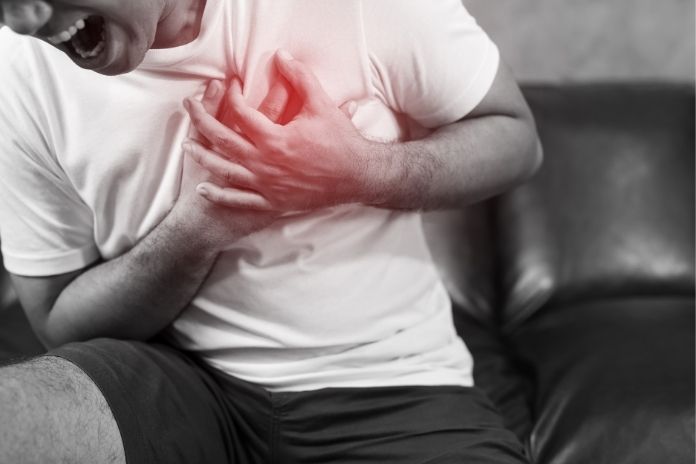
- Pressure or soreness in the chest
- Experiencing lightheadedness or vertigo
- Unusual or growing exhaustion
- Quick or irregular heartbeat
- Your heart beats with a swooshing sound or a murmur
- Swollen ankles or feet
- Fever may indicate an underlying infection
When Symptoms May Be Subtle or Absent
For years, some people with valvular heart disease have not exhibited any symptoms. The heart’s compensatory response to valve malfunction masks early symptoms. Silent progression, however, may eventually result in issues.
Routine check-ups, especially when a cardiac murmur is detected, are essential for early diagnosis even in the absence of obvious heart valve disease symptoms.
How Valvular Heart Disease Is Diagnosed

Your doctor may hear a heart murmur with a stethoscope during a heart exam, which could be the first indication of valvular heart disease. An odd-sounding heartbeat is called a heart murmur. Your doctor might be able to identify which valves are damaged and how based on the particular sounds.
To better understand leaking heart valves or other heart disease issues, we use diagnostic tests. Among the tests are:
2D and 3D echocardiography, a type of cardiac ultrasound that displays moving images of your heart using sound waves, includes:
- TTE, or transthoracic echocardiography, is another name for an echo test.
- Transesophageal echo (TEE) produces extremely detailed images of your heart by inserting a wand into your esophagus, a tube that runs from your throat to your stomach.
A cardiac CT scan uses X-rays to produce images and generate a three-dimensional model of your heart. Cardiac magnetic resonance imaging (MRI) produces detailed images of your heart’s structure using strong magnets.
You can take medication to safely increase your heart rate or use exercise or stress tests to gauge how well your heart is working when you walk on a treadmill.
When to Seek Medical Attention
Understanding when to treat heart valve disease is critical:
- Syncope (fainting)
- Chills or fever
- Diarrhea or upset stomach
- Chest discomfort
- Over 150 beats per minute
- Severe headache, sudden numbness, or weakness in arms or legs
- Breathing difficulties that do not improve with rest
- The blood in your cough is bright red
- Either bright red blood in your feces or dark black stool
These signs indicate the need for immediate care and help determine when to treat heart valve disease effectively.
Read More: Effective Sleeping Patterns Mitigate Risks Of Heart Disease
Treatment Options for Heart Valve Disease
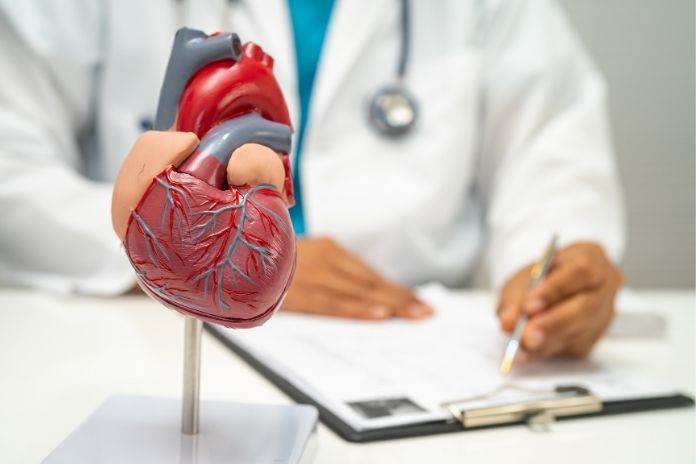
The goal of heart valve disease treatment is to reduce symptoms while protecting your heart and valves from further damage. Doctors may use medication and lifestyle modifications as early treatment options, but they often require surgery to repair or replace damaged valve or valves.
The two main types of valve surgery are valve replacement and valve repair:
Pre-Surgery Treatment Options: To reduce symptoms before heart valve surgery is necessary, doctors may recommend both medication and lifestyle modifications. Before choosing to replace or repair the heart valve, doctors might also want some time to keep an eye on it. Doctors use beta blockers to regulate heart rate, and they prescribe blood pressure drugs to reduce the workload on the heart.
Repair of Valves with Valvular Heart Disease: The goal of valve repair is to restore the valve without replacing it entirely. Because valve repair techniques are typically less invasive with catheter-based approaches, there is less post-operative monitoring and medication.
Repairing a valve may involve removing extra tissue, filling holes, separating fused valve leaflets, replacing supporting cords, or shaping aberrant valve tissue to enhance valve function. Surgeons can strengthen the valve by adding a ring and using clips or plugs.
Living With Valvular Heart Disease
Long-term care is necessary to manage valvular heart disease:
Activity Recommendations: Depending on their severity, vigorous activities may need to be limited, although moderate exercise is often good.
Follow-Up Care: Regular monitoring with echocardiograms ensures timely adjustments to treatment.
Heart Health Management: Overall heart valve function is supported by managing blood pressure, cholesterol, and lifestyle choices.
Potential Complications If Untreated
Serious repercussions may result from untreated valvular heart disease:
- Heart disease
- Arrhythmias
- A higher chance of stroke
- Infection
These complications highlight the importance of recognizing heart valve disease symptoms early and understanding when to treat it.
Preventing Valve Disease or Its Progression
You and your doctor will discuss measures to reduce your risk of heart valve problems as an adult. These could involve actions like:
- Getting more exercise
- Maintaining a nutritious diet
- Treating an infection as directed by your doctor
- Control your cholesterol and blood pressure
- To avoid bacterial infections, practice proper dental hygiene
Read More: 8 Tests For Heart Disease – Know The A-Z Of Heart Tests
Conclusion
If left undiagnosed, valvular heart disease can grow silently but have a major influence on total heart function. You can significantly improve results by recognizing early warning signs and seeking prompt evaluation.
With advancements in medical care, a wide range of treatment options for valve disorders is now available, ranging from routine monitoring to minimally invasive procedures to surgical interventions. Effective management of this illness depends on early diagnosis, regular follow-up, and a heart-healthy lifestyle.
References
- Mayo Clinic Staff. (2023, November 22). Heart valve disease: Symptoms and causes.:
- Centers for Disease Control and Prevention. (2026, January 28). About heart valve disease.
- Brigham and Women’s Hospital. Heart valve disease.
- University of Chicago Medicine. Heart valve disease.
- Heart and Stroke Foundation of Canada. Valvular heart disease.
- Stony Brook Medicine. (2025, March 3). Heart valve disease: Symptoms and causes.
- National Heart, Lung, and Blood Institute. (2022, March 24). Heart valve diseases: Causes and risk factors.
- University of California, Davis Health. (2023, June 16). Valvular heart disease.
- Barnes-Jewish Hospital. Symptoms and diagnosis of valvular heart disease.
- Washington Regional Medical System. Heart valve disease: Warning signs and treatment options.
- Mayo Clinic. (November 22, 2023). Heart valve disease.
- American Heart Association. Risks for heart valve problems.:
- UPMC. (2025, February 27). Heart valve disease.
In this Article