



















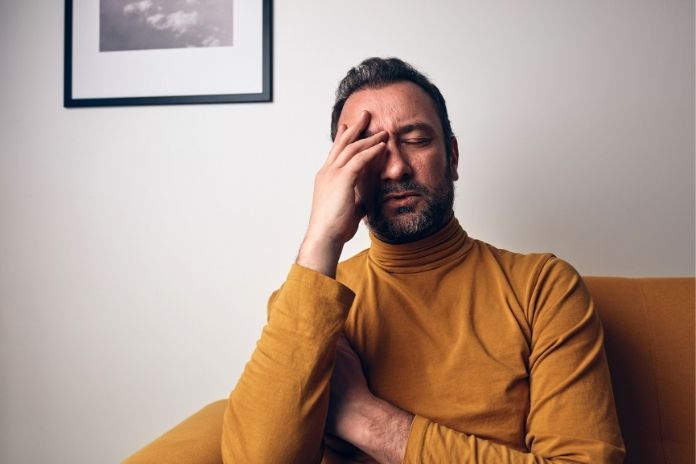
Men’s mental health issues are becoming very widely acknowledged, yet they are still frequently underdiagnosed or neglected. Support may be delayed in males since conditions like anxiety and depression may manifest differently in them.
Specialists are now investigating exercise for anxiety in men and exercise for depression in men as effective, readily available methods that can supplement or possibly act as early-stage therapeutic choices.
This article will discuss the benefits of physical activity for men’s mental health, which are backed by science, what kinds of workouts work best, how much exercise is necessary, and how to create a long-term strategy. We will also compare exercise vs antidepressants men’s approaches and explain when professional help is essential.
- Exercise helps reduce stress, anxiety, and depression by improving mood and brain function.
- Consistency matters more than intensity. Small daily movement creates lasting mental health benefits.
- Combine exercise with therapy or medication for moderate to severe mental health conditions.
Read More: 10 Efficient Ways to Avoid Depression For Better Mental Peace
Why Depression and Anxiety Can Present Differently in Men
Men and women may experience anxiety and depression in different ways. Compared to women, men typically employ distinct coping mechanisms, both healthy and unhealthy. Men may find depression more difficult since they tend to conceal their symptoms.
Society teaches men to be tough, independent, and emotionally restrained. Because of this, a lot of guys could experience pressure to repress feelings like sadness or despair. Instead of sharing their feelings, they may try to push through their struggles in silence.
Men’s depression doesn’t always show up in conventional ways. While women may be more likely to exhibit signs of sadness or crying, men often display anger, irritability, or frustration. This difference in emotional expression can lead to misdiagnosis or even failure to recognize depression altogether.
Instead of acknowledging feelings of hopelessness, men might become more aggressive or distant, which can make this mental illness more dangerous to themselves and others. It is where lifestyle-based approaches, such as the benefits of men’s mental health exercises, become crucial.
Physical activity provides a non-stigmatizing entry point to improve emotional well-being. It fits in nicely with goal-oriented behavior and regimented routines, which many men find inspiring.
How Exercise Affects Mental Health
Regular exercise improves both mental health and physical fitness. Exercise has been shown in numerous studies to have a positive effect on mental health, including the reduction of symptoms of stress, anxiety, and depression.
Exercise is linked to a substantially lower risk of mental health illnesses, according to the Canadian Men’s Health Foundation. For the best long-term effects on mental health, selecting the appropriate type of exercise is essential. Finding enjoyable activities that suit your fitness level is crucial.
The secret is to include regular physical activity in your regimen, whether you’re jogging, cycling, swimming, weightlifting, or playing a team sport. Physical activity can greatly enhance men’s mental health. Exercise improves cognitive function, lowers stress, elevates mood, increases self-esteem, and reduces the risk of mental illnesses.
Men can harness the transforming power of physical activity and improve their mental health by acknowledging the strong mind-body link. So why not grab a basketball or put on some running shoes and start down the path to a happy, healthier body?
What Research Says About Exercise as a Frontline Option
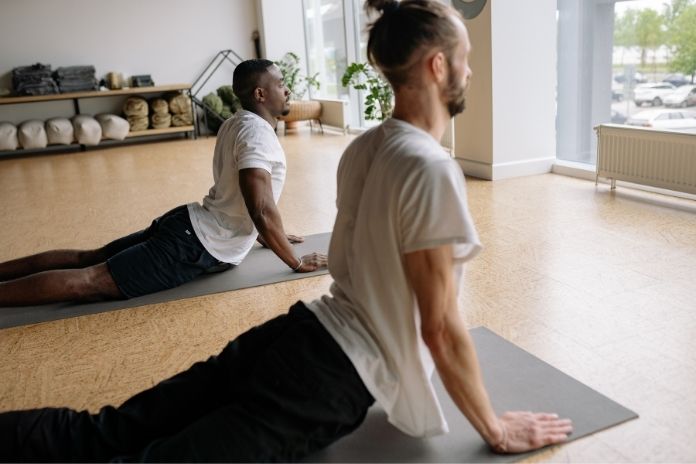
A recent Cleveland Clinic poll revealed that many men still do not make regular exercise a habit, despite being aware that being active enhances their energy, mood, and sex drive. Regular physical activity has a very significant impact on health, from lowering the risk of disease to enhancing one’s capacity to perform daily tasks.
According to a recent study, women may benefit from exercise more than men do in terms of longevity. The study, published in the Journal of the American College of Cardiology, matched survey data on leisure activities from over 400,000 Americans between 1997 and 2017 with mortality records. According to the study, women needed less activity than men to reap the same longevity benefits.
“Men sometimes focus on their physical health, but mental and sexual health are just as important, and they’re all connected. When one area is off, it can affect the rest,” said Petar Bajic, M.D., director of the Men’s Health Section at Cleveland Clinic’s Glickman Urological Institute.
Read More: Emotional Burnout vs. Depression: How to Tell the Difference
Types of Exercise That May Help Depression and Anxiety
Research has demonstrated that certain forms of exercise can considerably reduce even severe depression, in addition to a short stroll around the block, which is a fantastic place to start. Participating in these activities can significantly improve general well-being and mental health:
Aerobic Exercise: First, let’s discuss aerobic exercise. This type of workout raises your respiratory rate and heart rate. Consider swimming, cycling, running, or even a quick stroll. Regular aerobic exercise is a highly effective treatment for depression, according to numerous studies.
Strength Training: Don’t undervalue its benefits either. It entails developing muscle strength and endurance by applying resistance, such as weights or resistance bands. According to research, strength training can help people with depression feel better just as well as cardiovascular exercise.
Outdoor and Team Activities: Sports and hiking are examples of outdoor activities that offer additional advantages. While team sports promote social connection, exposure to sunlight and the outdoors improves serotonin regulation.
Yoga and Mindfulness Practices: Exercises such as yoga and tai chi incorporate deep breathing, meditation, and physical movement. By encouraging self-awareness and relaxation, these activities can lessen symptoms of stress, anxiety, and depression.
How Much Exercise Is Needed for Mental Health Benefits
The good news is that you can reap benefits without strenuous exercise. Among the general suggestions are:
- 150 mins 1 week of moderate aerobic exercise
- Two to three resistance training sessions
- Movement daily, even in tiny quantitie
Intensity is not as important as consistency. Long-term habits can be developed by starting with reasonable objectives and progressively increasing effort.
Practical Ways Men Can Start Using Exercise for Mental Health

Starting modestly and aiming for 150 minutes of moderate activity per week (such as 30-minute walks five days a week) can help men improve their mental health by lowering stress and anxiety.
Start Small and Build Gradually: To establish consistency, start with a 10-minute stroll rather than starting with strenuous exercise right away.
Pick Pleasurable Activities: Pick pursuits that you genuinely love, including swimming, cycling, weightlifting, or team sports.
Use Somatic Practices: Try stretching, icy plunges, and intentional breathing exercises to ease physical stress.
Read More: Gratefulness Doesn’t Deter Signs Of Depression Or Anxiety, New Study Suggests
Exercise vs Medication and Therapy: How They Work Together
Researchers at the University of South Australia are advocating for exercise as a primary strategy for treating depression since a recent study found that it is 1.5 times more effective than counseling or the most popular drugs.
With 97 reviews, 1039 studies, and 128,119 individuals, the review, which was published in the British Journal of Sports Medicine, is the most extensive to date. It demonstrates how helpful physical activity is for reducing symptoms of anxiety, despair, and discomfort.
In particular, the research demonstrated that exercise treatments lasting 12 weeks or less were most effective at lowering mental health symptoms, underscoring how quickly physical activity can have an impact.
For minor symptoms, exercise alone may be beneficial. However, combining exercise with treatment or medication often achieves the best outcomes for moderate to severe depression or anxiety.
Common Barriers and How to Overcome Them
Men frequently encounter several obstacles when trying to stick to a fitness regimen. One of the largest obstacles, particularly in depression, is low motivation. It can be beneficial to start small and concentrate on consistency. Fatigue and lack of time are also common, but short sessions can still deliver men mental health exercise benefits.
Participating in outdoor activities or working out at home can help alleviate gym fear. Developing long-lasting habits is more crucial than reaching perfection.
Signs Exercise Is Helping Mental Health

You can see small changes as you keep working out. Typical indicators consist of:
- Better mood improvement and emotional stability
- Better quality of sleep
- Lower levels of anxiety
- Increased energy and focus
Patience is essential because these changes frequently take weeks rather than days to manifest.
Read More: 5 Constructive Exercises To Beat Depression – Dive In And Do Them All!
When Exercise Alone May Not Be Enough
While exercise for depression in men is powerful, it is not always sufficient on its own. Seek expert assistance if you encounter:
- Persistently depressed
- Extreme nervousness
- Self-harming thoughts
- Having trouble with daily activities
Exercise combined with therapy or medicine is essential in these situations.
Safety Tips Before Starting a New Exercise Routine
Think about safety before starting any new exercise regimen:
Begin Slowly: When starting a new fitness regimen, many people give it their all. Even though they have never done it before, they become enthusiastic about a new activity and resolve to give it their all. They then experience muscle strain or discomfort that prevents them from moving. Because of this, it’s crucial to start cautiously and gradually increase your endurance.
Engage in Activities You Enjoy: You won’t enjoy activities you don’t. Exercise doesn’t have to be difficult, drawn out, or make you feel like you’re going to die. Do something you want to do again to find your happy middle.
Pay Attention to Your Body: A muscular injury is not the same as muscle fatigue. However, you might not be aware of that if you’ve never truly worked out. Therefore, pay attention to your body and take a step back if you ever experience severe discomfort.
Pay Attention to Your Environment: Occasionally, an activity alone is not cause for alarm. It’s the setting in which you’ll be working. To lower the risk of injury, be careful about when and where you exercise and use sensible safety measures.
Keep an Eye on the Weather: Exercise can be affected by heat, humidity, and air quality, so it’s critical to consider the weather where you are. Do exercise only before 10 a.m. or after 6 p.m. if the outdoor temperature exceeds 90 degrees.
Staying Hydrated: Dehydration can accelerate the onset of heat exhaustion and heat stroke. Thus, it’s critical to ensure that you’re drinking adequate water.
Building a Simple Weekly Exercise Plan

A balanced plan should include both aerobic exercise and resistance training. Example:
- 3–4 days of aerobic exercise (cycling, walking)
- Strength exercise for two to three days
- 1-2 days off
Being adaptable is crucial. Adapt your plan according to your body’s sensations and your progress.
Read More: Brain Stimulation As A Possible Cure For Depression, New Study Suggests
Conclusion
One of the most effective ways to improve mental health is to incorporate regular movement into daily living. Exercise for depression in men is an effective, accessible strategy that not only improves mood but also builds resilience over time.
Regular physical activity, whether it be walking, strength training, or outdoor activities, improves emotional balance and helps manage stress. Exercise alone may be sufficient for minor symptoms, but when combined with medical attention, it provides more thorough support when needed.
The main secret is to start small, maintain consistency, and choose interesting, long-lasting hobbies.
References
- Mayo Clinic. (Febuary 13, 2024). Male depression: Understanding the issues.
- University of Maryland Medical System. Anxiety affects men, too, but it doesn’t always look the same.
- Healthy Essentials Clinic. The connection between physical activity and men’s mental health.
- VCU Health. (2024, April 4). How does exercise affect the health of women and men differently?
- Parrish Healthcare. (2025, September 3). Cleveland Clinic finds most men say exercise positively impacts their mental health, confidence, and sex drive.
- Counseling Center Group. Relieve depression symptoms.
- EurekAlert! Does exercise really improve mental health?
- Scherezade Mama, DrPH. (March 19, 2025). How to avoid injury when starting a new exercise routine.
- Emory Healthcare. (July 17, 2024). Starting a New Exercise Routine? Do These Things First.
In this Article