


















A frequent and annoying dental problem that many people encounter at some point in their lives is tooth sensitivity. These feelings can interfere with daily routines, such as a sharp twinge when drinking cold water or pain while eating sweets. You’re not alone if you’ve ever questioned, “Why are my teeth sensitive?” The good news is that once you identify the underlying reason, the majority of instances are controllable.
In this article, we’ll explore tooth sensitivity causes, what sensitive teeth feel like, the most common triggers, and the most effective sensitive teeth treatment options available today. We’ll also discuss preventative measures, useful at-home care advice, and when to get expert assistance.
- Tooth sensitivity happens when enamel wears down or gums recede, exposing dentin.
- Common triggers include hot/cold foods, acidic drinks, and tooth grinding.
- It can often be managed with fluoride toothpaste, gentle brushing, and dental care.
Read More: Do Charcoal Toothpastes Really Work or Damage Enamel?
What Tooth Sensitivity Feels Like
A chilled beverage. A hot cup of tea. Common foods and beverages can unexpectedly cause a sudden, sharp sensation if you have sensitive teeth. Those who are sensitive to their teeth feel that brief, stinging sensation.
Dentin hypersensitivity, also known as tooth sensitivity, is a very common dental condition characterized by sudden, intense pain or discomfort in one or more teeth in response to certain stimuli. Hot or cold temperatures, sweet or acidic foods and beverages, or even brushing and flossing are examples of these stimuli.
You might have sensitive teeth if you’ve ever experienced sudden dental pain after consuming something hot or cold. It happens when the dentin, the tooth’s underlying layer, is revealed.
Why Tooth Sensitivity Happens
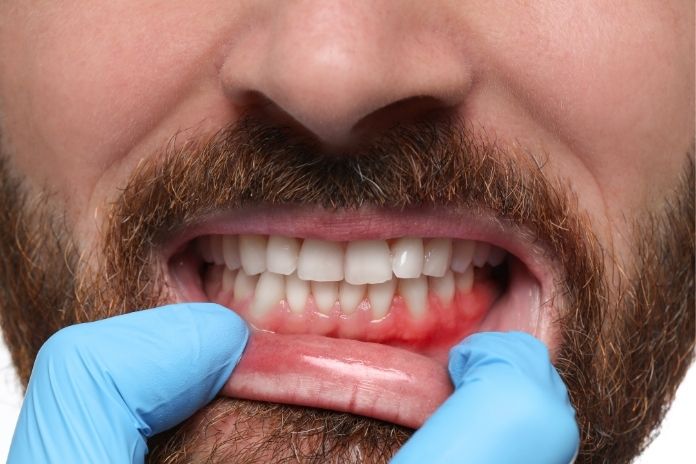
At the core of most causes of tooth sensitivity lies a structural issue within the tooth. Dentin, which has tiny tubules that link to nerve endings, is located beneath the hard outer layer of enamel that protects teeth.
When dentin is exposed, external stimuli such as sugar or cold can directly affect nerves and cause discomfort. For this reason, gum recession and enamel wear are significant factors.
Here’s how it works:
- Enamel serves as a barrier against outside stimuli
- Gums shield tooth roots
- Dentin becomes visible when either layer gets damaged
- Discomfort results from stimuli reaching the nerve through dentin
This process usually explains why even small changes in diet or brushing habits may lead to tooth sensitivity.
“A very common cause of tooth sensitivity is the exposure of dentin and cementum caused by loss of soft tissue support surrounding the teeth, or recession of the gum tissue,” says James Keddington, DDS, an assistant professor and section head of dental conservation and restoration at the University of Utah School of Dentistry. “Some people have inherently sensitive teeth, and even with the most careful attention to prevention of all of these factors, the symptoms may remain.”
Common Causes of Tooth Sensitivity
You must grasp the structure of a tooth to comprehend why your teeth are sensitive.
Enamel is the hard outer covering of a tooth. There is a layer of dentin directly beneath the enamel. The pulp, the tooth’s nerve-filled core, is reached by tiny, hollow tubes called tubules inside the dentin.
These tubules become exposed when dental enamel erodes, leaving them vulnerable to pressure, heat, and cold. The following specific factors frequently cause sensitive teeth:
Gum Disease: Gum disease, also known as periodontal disease, can cause gums to separate from teeth, revealing the roots and resulting in pain.
Tooth Decay: When acid and germs are present, tooth enamel deteriorates. Enamel degradation exposes dentin, leading to sensitivity.
Tooth Grinding: Whether awake or sleeping, people who clench or grind their teeth may wear down the enamel and become more sensitive.
Broken or Cracked Teeth: Sensitivity may result from exposed dentin.
Poor Oral Hygiene: Enamel wear and, hence, increased tooth sensitivity can occur in people who clench or grind their teeth while awake or while they are asleep.
Periodontitis: Gum illnesses, also known as periodontal diseases, can cause tooth sensitivity by causing discomfort, exposing tooth root surfaces, and destroying bone and supporting tissues.
Plaque accumulation, gum disease, and, eventually, tooth sensitivity can all be caused by inadequate dental care, improper brushing techniques, and insufficient flossing.
Read More: How Often Should You Floss Your Teeth? Expert Answers & Best Routine for Healthy Gums
Foods and Habits That Can Trigger Sensitivity

Certain foods and habits can worsen tooth sensitivity symptoms, especially if underlying issues already exist.
Acidic Fruits and Juices: Although they are very acidic, citrus fruits like oranges, lemons, and grapefruits are beneficial. Over time, acid can erode enamel, increasing tooth sensitivity. Concentrated acidity can cause discomfort with each sip, even in fruit juices and smoothies.
Sugary Foods and Drinks: Candy, soda, and other sweet treats can aggravate sensitive teeth and cause cavities. Sugar encourages the growth of acid-producing bacteria that erode enamel and reveal dentin.
Cold Foods and Drinks: Sensitive teeth may experience sudden, intense pain from ice cream, iced coffee, and frozen drinks. It is particularly true for those who have receding gums or enamel loss. Try drinking slowly or using a straw to minimize direct contact with your teeth if you cringe when drinking cold beverages.
Hot Foods and Drinks: Sensitive teeth may be irritated by hot coffee, tea, and soups, as well as by cold foods. Temperature variations stimulate the exposed dentin’s nerves. Changing the temperature to a relatively warm level helps many patients feel less uncomfortable.
Hard or Crunchy Foods: If enamel is already weakened, crunchy treats like chips, nuts, and hard candies worsen sensitivity. Additionally, they could harm pre-existing dental work or cause tiny fissures in teeth.
Acidic Beverages: Over time, carbonated beverages, coffee, and tea may make you more sensitive to acid. Soda and sparkling water carbonation can reduce enamel hardness.
Sticky or Chewy Foods: Caramel, dried fruits, and sticky candies stick to teeth longer than other foods, allowing sugars and acids to interact with enamel. Both sensitivity and cavity risk may rise as a result of this extended exposure.
Best Treatments for Tooth Sensitivity
Effective sensitive teeth treatment depends on identifying the underlying cause. Fortunately, there are possibilities for both professional and at-home work. See a dentist to determine the root cause of your tooth’s sensitivity. They will perform a comprehensive examination of your teeth and gums.
The dentist might suggest appropriate tooth sensitivity treatment options or medication to ease discomfort if sensitivity is due to enamel loss from erosion or abrasion or due to gum recession exposing the tooth roots.
Fluoride Varnish: To strengthen your enamel and dentin, apply a fluoride varnish to exposed regions.
Fluoride Foam or Gel: To offer a high concentration of fluoride that improves weak areas, place fluoride foam or gel in a mouth tray for three to five minutes.
Bonding Agent: Using a bonding agent to seal the surface of the dentin and establish a barrier of defense against external stimuli that cause sensitivity.
Gum Graft: Protects exposed roots from harm and reduces sensitivity in cases of gum recession by covering them with tissue.
Home Care Tips That May Help
Effective management of home remedies for sensitive teeth can be achieved by specific lifestyle modifications in addition to professional treatments. These natural solutions, which range from minor adjustments to your dental hygiene regimen, may help reduce discomfort.
They can help reduce tooth pain and improve your dental health, even though they might not be long-term fixes. But it’s crucial to exercise caution and visit a dentist if the symptoms intensify or continue.
Eat and Drink Fewer Acidic Foods: To reduce sensitivity, limit your intake of acidic foods, sip soda through a straw, and refrain from brushing right away afterward.
Rinse with a Saltwater Solution: To temporarily reduce tooth sensitivity, dissolve 1/2 teaspoon of salt in a cup of warm water, then swish.
Clove Oil: Use toothpaste containing clove oil for quicker relief, or apply a small amount to the sensitive area for short-term relief.
Mouth Guard: Using a mouth guard at night helps reduce dental sensitivity caused by teeth grinding while you sleep and prevents enamel erosion.
Read More: Dental Implants vs. Dentures: A Comprehensive Guide to Replacing Missing Teeth
When Tooth Sensitivity May Signal a Bigger Problem
Several indicators suggest a more significant underlying problem; even though modest, the tooth sensitivity may often be treated with a straightforward adjustment. It is very essential to identify these warning signs to seek immediate expert assistance and avoid consequences.
Persistent, throbbing pain that does not respond to over-the-counter medication or home remedies may indicate an infection or nerve damage within the tooth. This kind of soreness often worsens over time and may be accompanied by facial or gum swelling. These situations require prompt dental care to address the underlying issue before it becomes a serious emergency.
Unusual gum or tooth discoloration might also be a red flag. Dark patches on the teeth may be a sign of decay or damage that has spread below the surface, revealing deeper layers that include nerves. Similarly, alterations in gum color, such as redness or purplish tones, may indicate underlying conditions, such as periodontitis or gingivitis.
Another worrying symptom is sensitivity combined with an unpleasant taste or bad breath. These signs often indicate bacterial accumulation caused by untreated cavities or poor oral hygiene, both of which require immediate dental care.
It’s crucial to get expert assistance right away when you encounter these warning signs. Regular examinations enable dentists to see possible issues before they worsen.
When to See a Dentist
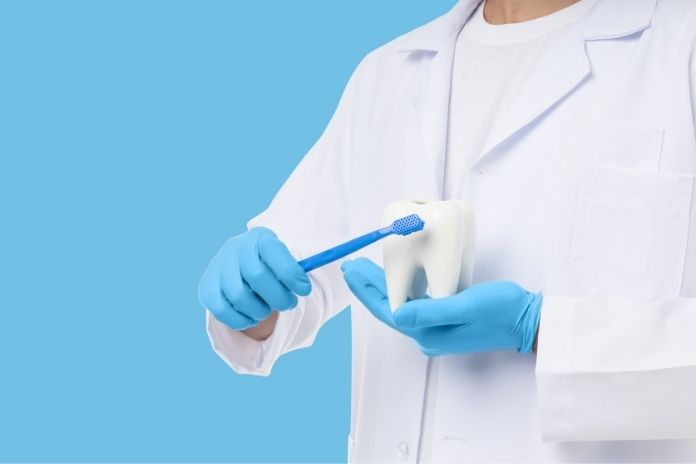
It’s time to see a dentist if you experience a persistent toothache or if the discomfort worsens. Additionally, sensitivity may be a sign of underlying conditions, including gum disease, cavities, or broken enamel. Early diagnosis makes treatment quicker, simpler, and less expensive.
Watch for signs:
- The pain persists after eating
- Sensitivity in several teeth
- Swelling or bulging beneath the gum line or in between the teeth
- Visible chips or cracks
- Gum tissue pulling away from teeth is known as receding gums
Ignoring these symptoms will lead to more serious tooth problems that require complex care.
Preventing Long-Term Tooth Sensitivity
One aspect of the cure is altering one’s diet. A successful treatment strategy for sensitive teeth often includes both at-home maintenance and expert advice.
Your strategy could consist of:
- Applying toothpaste to sensitive teeth
- Changing to a toothbrush with soft bristles
- Using fluoride mouthwash to rinse
- If you grind your teeth, you should use a sleep guard
- Setting up routine dental check-ups and cleanings
Read More: Brighten Your Smile: The Top 7 Teeth Whitening Pens for Effortless Whitening
Conclusion
Although tooth sensitivity is a frequent dental issue, you don’t have to deal with it all the time. In most cases, common conditions such as gum disease, enamel wear, or exposed dentin cause it, and appropriate care can successfully treat them. To choose the best course of action and prevent the problem from worsening over time, it is first necessary to identify the underlying cause.
Simple adjustments like switching to a sensitive-teeth toothpaste, limiting acidic foods, and using a soft-bristle brush will greatly reduce sensitivity. Professional dental care guarantees long-term treatment and protection in more chronic situations.
References
- Sensodyne. Symptoms of sensitive teeth.
- Sensodyne. What does tooth sensitivity feel like?:
- Johns Hopkins Medicine. (2024, February 28). Sensitive teeth: Why they hurt and how to stop the pain.
- Penn Dental Medicine. (February 28, 2024). Sensitive teeth causes.
- Indian Dental Association. Gum disease.
- Listerine. Foods to avoid for tooth sensitivity.
- Dr. Natalya Juson. (February 24, 2026). What Foods Trigger Sensitive Teeth?
- Colgate.Treatment options for tooth sensitivity.
In this Article