


















Most parents first notice baby teeth when the child starts drooling, biting things, and crying more than usual. Immediately, one word comes to mind: teething. After that, almost every symptom of illness gets linked to it in a teething baby. Fever? Teething. Loose motion? Teething. Not eating? Teething. This is where the problem starts.
Medical evidence does not support most of these beliefs. And because of this confusion, real illness gets ignored, and dental problems start silently.
Baby teeth are not temporary in the way people think. They are an early-stage part of the long-term oral health system. Damage at this stage does not stay limited here. It carries forward.
This baby teeth guide goes beyond common advice. It corrects common misconceptions, explains what truly matters, and highlights where many parents unknowingly go wrong.
- The first tooth usually comes in around 6 months, but anywhere from 4–12 months is normal.
- Teething does not cause fever, diarrhea, or vomiting; if present, it is related to an illness. Start fluoride toothpaste from the first tooth (grain-of-rice amount).
- Avoid benzocaine gels and amber necklaces; both have official safety warnings. The first dental visit should be by age 1; this is prevention, not a teething remedy.
Why Baby Teeth Matter More Than “They Will Fall Anyway”

The biggest mistake is not poor brushing. It is a mindset. When parents believe these teeth are temporary, they accept damage more easily. A small brown spot is ignored. The child crying while eating is normalized. Bottle feeding at night continues.
But biologically, these teeth are doing active work as described below:
First, chewing. Children with decayed teeth avoid harder foods. Slowly, the diet becomes soft, often sugary. This is not just a dental issue. Nutrition pattern shifts.
Second, speech. Many sounds require contact with teeth. If front teeth are damaged or lost early, speech patterns adjust wrongly. Some children’s speech recovers later; some don’t fully.
Third, jaw development. Teeth guide how pressure is distributed when chewing. Without proper alignment, jaw growth can shift. This is not visible immediately but shows later as crowding.
Fourth, space holding. Each baby tooth holds an exact space for a permanent tooth. If one is lost early, nearby teeth move. When an adult tooth comes in, the space is reduced. This is one of the hidden reasons for orthodontic problems.
Fifth, infection load. Untreated decay is not just a hole in the tooth. It is a bacterial reservoir. This affects surrounding tissues and sometimes general health.
Conditions like early childhood caries are very common in young children. They progress faster than adult cavities because the enamel is thinner, and many cases reach an advanced stage before parents even notice. These teeth are not just placeholders—they are active biological tools.
When Do Baby Teeth Come In, And What Does “Variation” Actually Mean
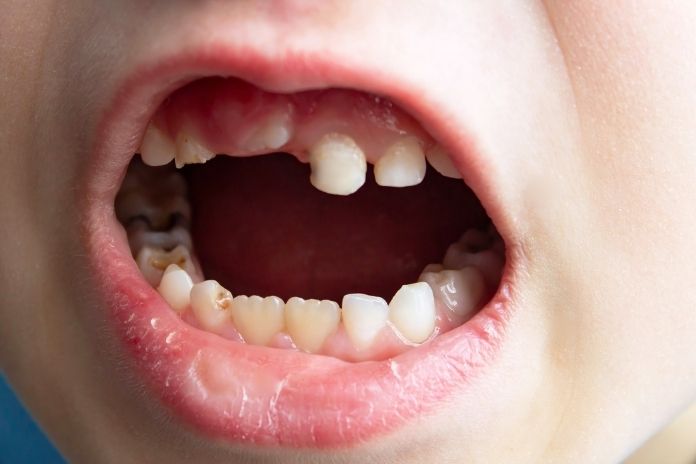
Baby teeth formation starts during pregnancy itself. By birth, structures are already present under the gums. The typical first tooth appears around 6 months. But the range is wide; 4 to 12 months is still normal. Sequence is more important than exact timing. Usually:
- Lower front teeth first
- Then the upper front
- Then the side incisors
- Then molars and canines
A full set of 20 teeth usually develops by 2.5 to 3 years. What parents often misunderstand is delay. If one child gets teeth at 5 months and another at 10 months, it does not mean the second child is weaker or has a deficiency. Genetics play a role.
More important is the pattern: If there are no teeth even after 12–14 months, evaluation is reasonable. If teeth erupt in an unusual order with other developmental issues, then a further check is needed.
Also important, the eruption is not a continuous, smooth process. Teeth move, stop, then move again. That is why teething symptoms appear and disappear.
Teething: What It Actually Causes, And What It Does Not
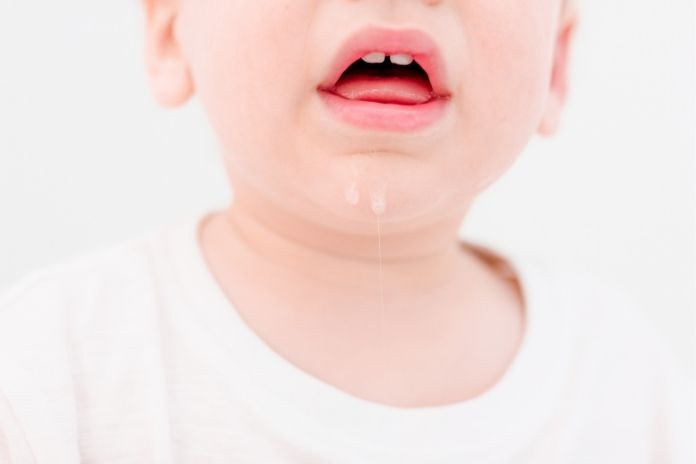
Teething is a local inflammatory process. A tooth pushing through gum creates pressure and minor tissue irritation. So symptoms are local and not systemic. What is real:
- Drooling increases
- Gum swelling or redness
- Child biting objects
- Irritability
- Slight rise in temperature (but not fever)
Now, an important correction: According to the American Academy of Pediatrics and Mayo Clinic:
- Fever above 100.4°F (38°C)→ NOT due to teething
- Diarrhea → NOT due to teething
- Vomiting → NOT due to teething
This distinction is critical. What happens in real life: the teething age (6–24 months) is also the age when children are exposed to infections. Immunity is still developing. So children can get ill during this time. Parents try to connect both.
But medically, teething does not produce systemic symptoms. This confusion leads to a delay. A child with an infection is kept at home, thinking, “Just teething.” Sometimes the condition worsens. So the rule is simple: If the symptom looks like an illness, treat it as an illness.
Teething Relief: What Actually Works For A Teething Baby

Relief does not require complex products. Gum pressure and mild cooling help most. Effective options:
- Clean finger, gently massage gums
- Use a chilled (not frozen) teething ring
- Cool, damp cloth for chewing
As Dr. Fefekazi Mpisane-Jama, a pediatrician, says, “I also recommend gently rubbing your baby’s gums with a clean finger. And remember, cuddles provide comfort during this challenging time.”
These work because they reduce local irritation and give counter-pressure. If discomfort is significant, the doctor may advise paracetamol in the correct dose. Not routine, only when needed.
Important point: frozen objects should be avoided. Excess cold can damage gum tissue.
What Should Not Be Used: Not Optional Advice, Actual Safety Warnings
Many products marketed for teething are either ineffective or risky. This is not about preference. There are formal warnings.
1. Benzocaine gels
The U.S. Food and Drug Administration issued a warning in 2018. Risk: Methemoglobinemia, which reduces oxygen delivery in the body. It can be life-threatening. These gels should not be used on children under 2 years. The same concern applies to lidocaine. Still, many pharmacies sell them freely. That does not make them safe.
2. Amber teething necklaces
“In the past years, teething necklaces and beads have grown in popularity,” says Dr. Molly Lederman, a pediatrician. Also warned by the U.S. Food and Drug Administration. Risks: strangulation and choking if the beads break.
The claim is that amber releases succinic acid, which reduces pain. Scientifically incorrect. It requires a high temperature to release, which is not possible on the skin. So there is no mechanism and no real physical danger.
Read More: 20 Habits That Wreck Your Teeth – Know What You Are Doing Wrong!
Daily Baby Teeth Care: Where Most Mistakes Happen

Parents usually think brushing starts when the child can spit. That is outdated.
The guidelines are:
1. Start brushing from the first tooth
Use fluoride toothpaste: under 3 years, smear (grain-of-rice size); and above 3 years, a pea-sized amount. This small amount is safe even if swallowed. Fluoride strengthens enamel during the early stage when it is most vulnerable. Delaying use increases cavity risk.
2. Feeding pattern matters more than brushing frequency
One major cause of decay is night feeding. When a child sleeps with a milk bottle:
- Liquid pools around teeth
- Sugar feeds bacteria
- Acid exposure continues for hours
This leads to rapid decay, especially of front teeth. It’s commonly called baby bottle tooth decay.
Solution:
- No bottle in bed (except water)
- Clean teeth after the last feed
Frequency of sugar exposure matters more than total amount.
3. Cleaning before teeth appear
Even before teeth: Wipe gums with a soft cloth after feeding. This reduces early bacterial colonization and builds habit.
Read More: Dental Implants vs. Dentures: A Comprehensive Guide to Replacing Missing Teeth
First Dental Visit: Why “By Age 1” Is Not Just a Rule

Guidelines from the American Academy of Pediatric Dentistry and the American Academy of Pediatrics: Visit by age 1 or within 6 months of the first tooth. Many parents ignore this because the child “has no problem.” But this visit is not for a safe teething remedy. It is for prevention.
Why it matters:
- Early detection: Initial decay appears as white spots, not cavities. Parents usually miss this stage.
- Fluoride varnish: A professional application significantly reduces the risk of early cavities.
- Behavior correction: Most dental issues come from habits, feeding, brushing, and sleeping patterns. These are corrected early.
- Dental home concept: The child becomes familiar with the dentist before pain-based visits start. This reduces fear later.
Children who start dental visits early show lower decay rates and less invasive treatments over time.
Read More: Brighten Your Smile: The Top 7 Teeth Whitening Pens for Effortless Whitening
When to See a Dentist Immediately For A Teething Baby
Do not wait if:
- White, yellow, or brown patches on teeth
- The child avoids eating certain foods
- Persistent bad breath
- Swelling or bleeding of gums
- The tooth appears broken or worn
Early signs are subtle. Waiting changes simple prevention into complex treatment.
Read More: 10 Best Night Guard for Teeth Grinding You Didn’t Know About
Conclusion
Baby teeth problems don’t start suddenly. They start with a wrong understanding. A teething baby is not an illness, and these teeth are not “just temporary.”
Most damage happens slowly, with night feeding, late brushing, and avoiding early dental visits. By the time you see cavities, it is already in the late stage.
Small steps early make a big difference: start brushing from the first tooth, use the correct fluoride amount, and see a dentist by age one. Baby teeth will fall out, but the problems that develop now won’t simply disappear with them.
- Teething is consistently misunderstood in parent education. Research clearly separates local teething symptoms from systemic illness, but public information still mixes both; this gap leads to delayed medical care.
- Safety communication failure is real. Despite official warnings from the U.S. Food and Drug Administration, benzocaine gels and amber necklaces remain widely used, indicating a gap between regulation and awareness.
- Preventive dentistry messaging is weak at the behavioral level. Parents are told what to do (brush, avoid sugar) but not why it changes outcomes, reducing compliance.
- Fluoride hesitation still exists due to outdated or incomplete information. Current low-dose guidelines are safe, but communication has not caught up fully in public space.
- Early dental visit recommendation is widely known but poorly adopted. The missing link is the explanation of long-term cost and disease reduction; without that, it feels optional.
References
- Better Health Channel. (2012). Teeth Development in Children
- Mayo Clinic. (2018). Teething: Tips for soothing sore gums.
- Singh, S., Awasthi, N., & Padung, N. (2022). First Dental Visit: Age Reasons Oral Health Status and Dental Treatment Needs among Children Aged 1 Month to 14 Years. International Journal of Clinical Pediatric Dentistry, 15(4), 394–397.
In this Article