


















After a first heart attack, many people think treatment is finished once hospital discharge happens. Actually, that is where real work starts. The risk of another heart attack is highest in the first 6–12 months, but it does not become zero later.
The body does not “reset” to normal. Arteries already showed a tendency to form blockage. So prevention is not one step; it is a continuous process: medicines, daily habits, regular checks. The good thing is that many of these factors are in control, but only if followed properly, not casually.
- The risk of a second heart attack stays high after the first event.
- Medicines, along with lifestyle changes after a heart attack, are both necessary.
- Regular monitoring and early response to symptoms can significantly reduce risk.
Read More: Evidence: How Reversing Prediabetes Affects Heart Health
Why the Risk of a Second Heart Attack Is Higher
What Happens in the Arteries After the First Heart Attack
A heart attack usually happens because of the rupture of plaque inside an artery. But one plaque is not the only problem. The whole arterial system is affected. Even after one blockage is treated (like a stent), other plaques remain in different stages. These may not block the flow fully, but can become unstable at any time.
So the second event often comes from a different location, not the same one. Also, after a heart attack, the body remains in a kind of inflammatory state for some time. Blood clotting tendency is also slightly higher. This combination increases risk, especially in the early months.
Common Risk Factors That Persist After Recovery
Many people improve their symptoms after treatment, but underlying risk factors stay the same. Blood pressure may still be high if not strictly controlled:
- LDL cholesterol targets may remain elevated even if “not very high.”
- Diabetes or borderline sugar continues to damage vessels silently.
- Smoking history leaves a long-term effect on the artery lining.
- A sedentary lifestyle reduces the protective mechanisms of the heart.
So recovery of symptoms does not equal recovery of risk.
Medications That Help Prevent Another Heart Attack
Antiplatelet Therapy and Why It Matters
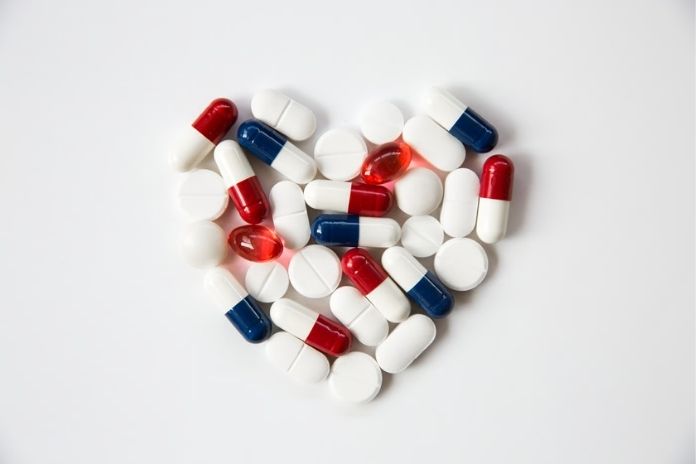
After a heart attack, blood platelets are more likely to stick and form clots. Drugs like aspirin or dual antiplatelet therapy reduce this stickiness. Many patients stop these medicines early because they feel fine or due to minor side effects. This is one of the common reasons for repeat events. These medicines do not make you feel better directly, so people underestimate them.
Cholesterol-Lowering Medications (Statins and Beyond)
Statins are not only for lowering cholesterol numbers. They also stabilize plaques, making them less likely to rupture. This effect is often more important than just LDL reduction. Some patients say, “My cholesterol is not very high; why continue?
But after a heart attack, the target is not the average level; the target is a very low risk level. Sometimes additional drugs are added if a statin alone is not enough.
Blood Pressure Control Medications for Heart Protection
Even slightly high blood pressure after a heart attack is not acceptable. Medicines are used not just to reduce numbers but to reduce strain on the heart wall and prevent remodeling (unwanted changes in the shape of the heart).
When Doctors May Prescribe Additional Drugs
- Beta-blockers reduce heart workload and prevent rhythm issues
- ACE inhibitors or ARBs help in remodeling and protect the heart muscle
- Anticoagulants may be used in selected cases (like atrial fibrillation)
Important Note: These drugs are not optional once prescribed. Stopping without advice can increase the risk suddenly.
Lifestyle Changes That Significantly Reduce Recurrence Risk

Heart-Healthy Diet
Diet advice is often given in a very general way: eat healthy and avoid junk. But after a heart attack, details matter more. It is not only about avoiding fried food occasionally. It is about the daily pattern.
Focus should be on:
- Regular intake of vegetables, not once a day but across meals
- Whole grains instead of refined ones
- Protein sources that are lean, pulses, fish, and limited poultry
At the same time:
- Salt intake should be controlled, especially in people with BP issues.
- Saturated fats (like excess butter and processed snacks) should be limited.
- Ultra-processed foods are more harmful than people realize because of additives and hidden fats.
Physical Activity After a Heart Attack
Exercise after a heart attack is one area where people either become too scared or too careless. Both are problems. The initial period requires a gradual increase. Walking is usually the first step. Intensity increases slowly over weeks. Sudden heavy exercise is not advised.
Supervised exercise programs (cardiac rehab) help because they monitor heart response. Later, regular moderate activity becomes part of the routine. Not doing any activity is more harmful than doing a controlled activity.
Achieving and Maintaining a Healthy Weight
Weight is not only about appearance. Excess weight increases the workload on the heart, worsens diabetes, and increases blood pressure. But rapid weight loss after a heart attack is also not ideal. Slow, stable reduction is better.
Stress Management and Emotional Health
This part is often ignored. After a heart attack, many people develop anxiety, fear of another attack, and fear of exertion. Some develop depression. These conditions affect recovery and also increase physical risk through hormonal pathways.
Simple relaxation methods, structured routine, and sometimes counseling—these are not luxuries; they are part of treatment.
The Role of Cardiac Rehabilitation in Secondary Prevention

What Cardiac Rehab Includes
Cardiac rehabilitation is a structured program including:
- Supervised exercise
- Diet counselling after a heart attack
- Education about disease
- Psychological support
It is not just a gym program. It is a complete recovery plan.
Evidence-Based Benefits for Long-Term Survival
Studies show people who attend cardiac rehab have a lower chance of a second heart attack and better survival. But many patients skip it, thinking it is optional.
How to Enroll and Who Should Participate
Most patients after a heart attack are eligible. Referrals usually come from a doctor, but the patient also needs to show interest. Availability may vary, but wherever possible, it gives a strong benefit.
Habits That Increase the Risk of Another Heart Attack

Smoking and Tobacco Exposure
Even occasional smoking after a heart attack is harmful. It directly affects the artery lining and clot formation. Passive exposure is also not safe.
Excess Alcohol Intake
Moderate intake may be acceptable in some cases, but excess alcohol increases blood pressure and rhythm problems.
Poor Sleep and Untreated Sleep Apnea
Sleep is not given importance, but poor sleep quality increases heart risk. Sleep apnea (snoring with breathing pauses) is common and often undiagnosed.
Skipping Follow-Up Appointments or Medications After a Heart Attack
This is a very common mistake. Once symptoms reduce, patients stop regular visits. But risk monitoring needs regular checks. Same with medicines, irregular intake reduces protection.
Dr. John Morytko, a cardiologist, says, “We see patients, especially our younger patients, stop taking their medicine when they start to feel OK. That’s a dangerous practice that could easily lead to another heart attack.”
Monitoring Your Health After a Heart Attack
Target Numbers to Discuss With Your Doctor
Instead of general “normal,” specific targets are needed:
- Blood Pressure: Usually lower than standard general population targets.
- LDL Cholesterol: Often targeted very low after a heart attack.
- Blood Sugar: Strict control, especially in diabetics.
These targets are individualized.
Recommended Follow-Up Testing
Periodic blood tests, ECG, and sometimes a repeat echocardiogram or stress test, depending on the condition.
When Home Monitoring May Help
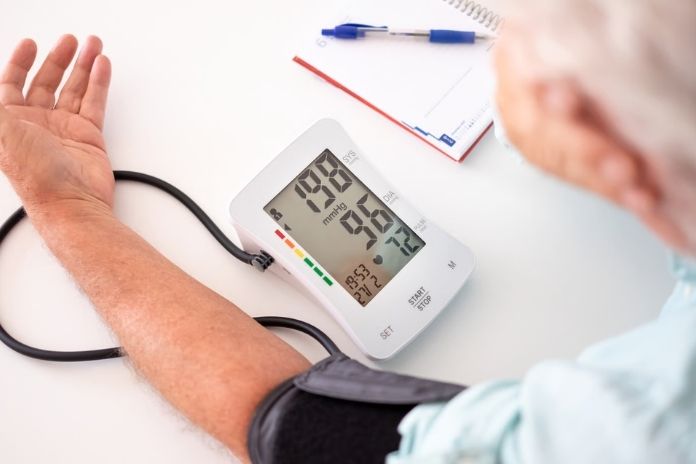
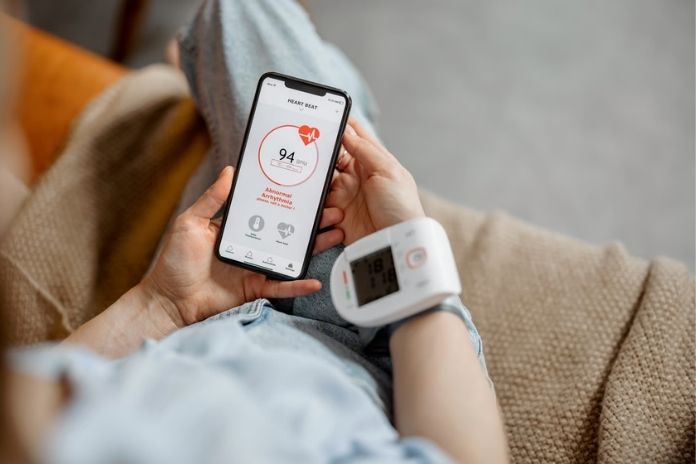
Home BP monitoring and sugar monitoring in diabetics give better control than occasional hospital readings.
Read More: The Rising Risk of Heart Issues in Young Adults — and What’s Driving It
Warning Signs of a Possible Second Heart Attack
ymptoms That May Be Different the Second Time
“Signs of another heart attack could be the same as what you experienced during the first event or they could be more subtle,” Desiree Anguiz, a cardiology nurse practitioner, said.
- Chest discomfort may be mild or in a different location
- Shortness of breath without chest pain
- Unusual fatigue or weakness
- Nausea, sweating, lightheadedness
Many people ignore these warning signs of a heart attack because they expect the same severe pain as the first time.
When to Seek Emergency Care Immediately
Any suspicious symptom, especially if persistent or worsening, should not be ignored. Early treatment reduces damage significantly. Delay is one of the biggest causes of worse outcomes.
Practical Daily Checklist for Preventing Another Heart Attack

- Take medicines exactly as prescribed
- Walk daily as medically advised
- Eat low-sodium, balanced meals
- Avoid tobacco fully
- Monitor BP regularly
- Sleep 7–8 hours
- Attend follow-up visits
- Manage stress daily
These steps look simple, but effectiveness comes only when done consistently.
Read More: 4 Ways to Make the Most of Lifestyle Changes After a Heart Diagnosis
Final Thoughts
Preventing a second heart attack is not about one big change. It is about many small actions done daily. Medicines reduce the risk of another heart attack from inside, and lifestyle reduces triggers from outside. One without the other is incomplete. Real protection comes from a combination.
Also, secondary heart attack prevention is not a temporary phase. It is a long-term adjustment. The first few months are critical, but discipline should continue lifelong. It may feel restrictive initially, but over time it becomes a normal routine.
- Most second heart attacks come from plaques that were not causing blockage earlier.
- Medication adherence has a larger impact than many lifestyle factors alone.
- Cardiac rehabilitation is proven beneficial but remains underused globally.
- Psychological factors after a heart attack are under-recognized.
- Risk prediction models exist, but individual variation is still high; more personalized secondary heart attack prevention strategies are needed.
References
- Degrauwe, S., Pilgrim, T., Aminian, A., Noble, S., Meier, P., & Iglesias, J. F. (2017). Dual antiplatelet therapy for secondary prevention of coronary artery disease. Open Heart, 4(2), e000651.
- Lawler, P. R., Filion, K. B., & Eisenberg, M. J. (2011). Efficacy of exercise-based cardiac rehabilitation post-myocardial infarction: a systematic review and meta-analysis of randomized controlled trials. In www.ncbi.nlm.nih.gov. Centre for Reviews and Dissemination (UK).
- Lemesle, G., de Labriolle, A., Bonello, L., Torguson, R., Kaneshige, K., Xue, Z., Suddath, W. O., Satler, L. F., Kent, K. M., Lindsay, J., Pichard, A. D., & Waksman, R. (2009). Incidence, predictors, and outcome of new, subsequent lesions treated with percutaneous coronary intervention in patients presenting with myocardial infarction. The American Journal of Cardiology, 103(9), 1189–1195.
In this Article