















Crossing 50 is something that most of us worry about. That is because we believe age can be a challenge while working out. Exercises after 50 become less about appearance and more about function, independence, and long-term health. The body changes in several ways with age.
Muscle mass declines by roughly 3 to 8 percent per decade, bone density gradually decreases, balance becomes less reliable, and cardiovascular fitness requires more effort to maintain. Left unaddressed, these changes can quietly reduce strength, mobility, and confidence in everyday movement and life. The good part is that exercise directly targets each of these declines.
You do not need a complicated program or high-intensity workouts to see results. Years of research in exercise science describe five essential types of movement that significantly benefit adults over 50. Each one serves a specific purpose, and together they create a simple, sustainable framework for staying strong, mobile, and independent.
- Exercise after 50 should focus on maintaining strength, balance, mobility, and heart health rather than appearance.
- A simple routine combining resistance training, walking or cardio, balance work, and flexibility can directly counter age-related decline.
- Consistency matters more than intensity, and even moderate, regular activity can improve independence, reduce fall risk, and support long-term health.
Read More: Healthy Eating at 50 and 60: What Your Body Needs Now—and What to Change
The 5 Exercises
1. Resistance Training (Strength Training)
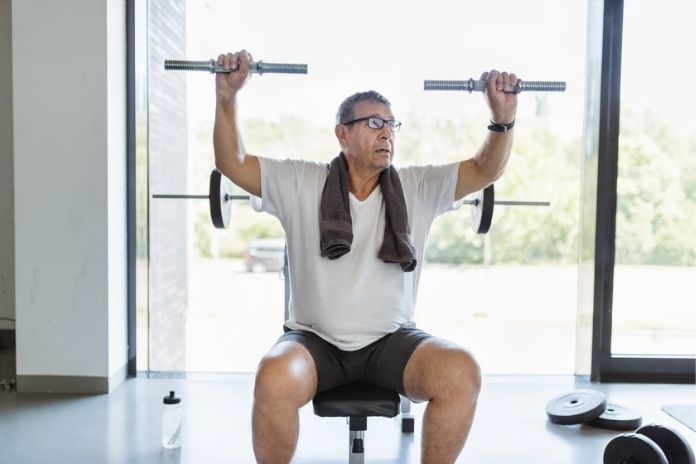
If there is one category of exercise that consistently stands out for adults over 50, it is resistance training. Its impact is broad, measurable, and well supported by research. With age, the body loses muscle in a process known as sarcopenia.
This is not just a change in appearance. Loss of muscle reduces strength, slows reaction time, increases fall risk, and makes everyday tasks more difficult. Over time, it can affect independence and overall quality of life.
Resistance/strength training directly addresses this decline by stimulating muscle growth and preserving strength. It also supports bone density, which becomes increasingly important in reducing fracture risk. Beyond that, it improves joint stability and metabolic health, helping the body respond better to daily physical demands.
A 2024 study in the International Journal of Epidemiology found that even modest amounts of strength training were associated with a lower risk of death from major causes in older adults. A 2025 study also showed that regular resistance exercise can meaningfully lower blood pressure in people over 60.
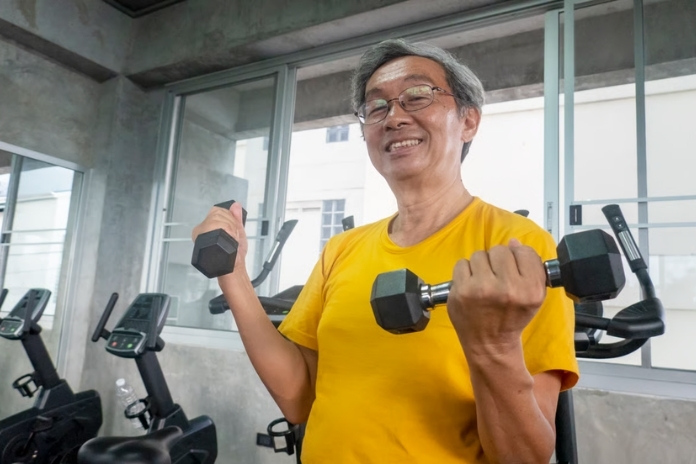
Getting started does not require a gym or heavy weights. Movements such as squats, wall push-ups, resistance band exercises, and light dumbbell training are effective. What matters most is consistency.
You must try training two to three times per week, focusing on major muscle groups. Then, gradually increasing resistance over time is enough to produce real, lasting improvements.
2. Walking (With an Important Caveat)

Walking is often the first form of exercise people turn to, and for good reason. It is accessible, low-impact, and supported by strong evidence for improving overall health. Regular brisk walking helps maintain cardiovascular fitness, supports blood sugar control, improves mood, and is linked to longer life.
A 2025 study in JAMA Network Open found that higher levels of physical activity in midlife and later life were associated with a significantly lower risk of dementia. At the same time, walking has clear limitations.
While it supports heart health, it does not provide enough stimulus to maintain muscle strength, preserve bone density, or develop power. These are the areas that decline most with age and are closely tied to fall risk and physical independence.
This simply means it works best as one part of a routine. A brisk pace that increases your breathing rate without causing strain is ideal, and aiming for regular daily movement can have a meaningful impact. When paired with strength and balance training, walking gives you good foundation.
3. Balance Training
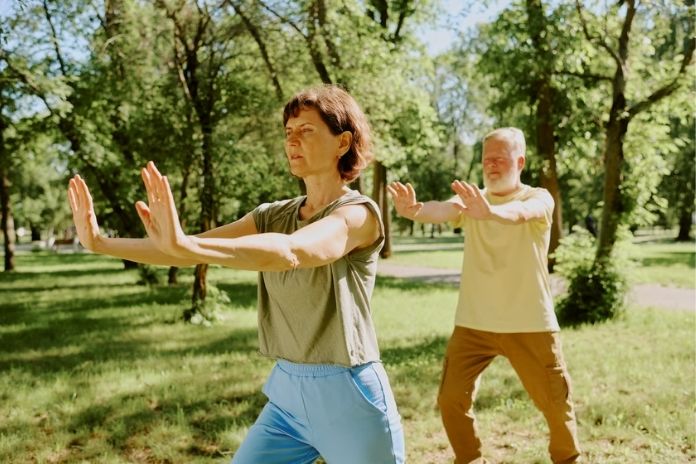
Balance is rarely something people think about until it begins to fail. The decline is gradual, but its consequences can be serious. Falls are a leading cause of injury in older adults, and even a single fall can have lasting effects on confidence and mobility.
The positive side is that balance responds well to training. With regular practice, the body can improve coordination, stability, and awareness of movement in space. Research shows that combining balance training with resistance exercise leads to better overall physical performance than strength training alone.
Improvements are often seen in walking speed, posture, and the ability to recover from small stumbles. Balancing work does not need to be complicated. Simple activities such as standing on one leg, walking heel to toe, or practicing controlled shifts in weight can be highly effective.
Structured practices like Tai Chi and yoga are also widely recommended because they build balance in a controlled and progressive way while also improving flexibility and focus. Even short, regular sessions can make a noticeable difference, especially when practiced consistently over time.
Read More: Can Older Adults Benefit From Protein Powder? What the Science Says
4. Aerobic Exercise (Cardio)
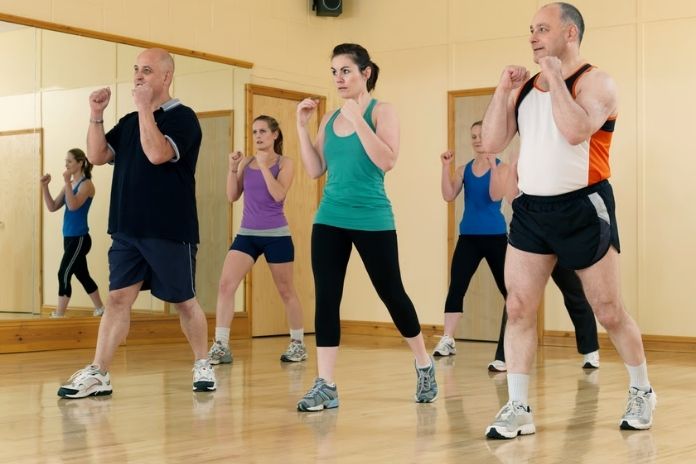
Cardiovascular health plays a central role in how well the body functions with age. As fitness declines, everyday activities can begin to feel more demanding, and the risk of chronic disease increases.
Aerobic exercise helps maintain heart and lung function, supports circulation, and improves overall endurance. It is also strongly linked to brain health and long-term independence.
A 2025 systematic review found that adults over 60 who engaged in regular aerobic exercise showed better cardiovascular markers, including lower resting heart rates and improved blood pressure, compared to those who were inactive.
Most guidelines recommend around 150 minutes of moderate aerobic activity per week. This does not need to happen all at once. It can be spread across the week in manageable sessions, making it easier to maintain.
You can include activities such as brisk walking, cycling, swimming, or dancing; they are all effective. The goal is not intensity but consistency. Moderate effort, sustained over time, is what improves health and energy levels.
5. Mobility and Flexibility Work
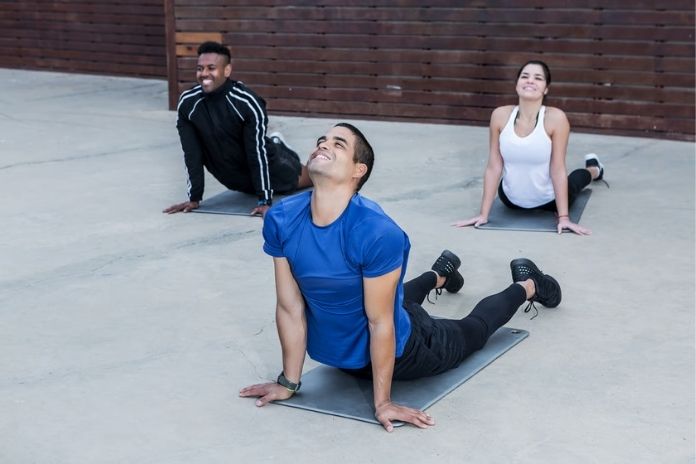
Mobility is what allows the body to move freely and without restriction. It supports everyday actions such as bending, reaching, turning, and getting up from the floor. When mobility declines, these basic movements can become stiff, uncomfortable, or even painful. This decline often happens slowly and is closely linked to inactivity.
Many people only become aware of it once it starts interfering with daily life. Mobility and flexibility work help maintain joint health and improve the range of motion. They also make other forms of exercise safer and more effective by allowing the body to move properly. Practices such as yoga, Pilates, and simple stretching routines are all effective ways to improve mobility.
Focusing on areas like the hips, hamstrings, shoulders, and upper back can have a noticeable impact on movement quality. Even short sessions done regularly can help you in long run. Over time, mobility work helps the body move more comfortably and reduces the risk of injury during other activities.
Read More: Early Signs of Arthritis in Your 30s You Shouldn’t Ignore
Conclusion
The five exercises experts recommend after 50 each deal with a specific aspect of aging. Strength training helps preserve muscle and bone. Walking and aerobic exercise support heart and brain health. Balance training reduces fall risk. Mobility work keeps movement smooth and comfortable.
So, what can you do next if you are approaching 50? You do not need to do all of them at once. Starting with a few and building consistency over time is what leads to lasting results. A simple, balanced routine is far more effective than a perfect plan that is difficult to maintain. Enjoy your 50s by being fit, healthy, and happy!
FAQs
Q. How much exercise should a 50-year-old do per week?
Most health guidelines recommend at least 150 minutes of moderate aerobic activity per week, along with strength training at least two days per week.
Q. Is it safe to start strength training after 50?
Yes, it is safe for most people and strongly supported by research. Strength training helps maintain muscle, improve bone health, and support overall function. Starting with light resistance and focusing on proper form is important.
Q. What is the single most important exercise after 50?
Resistance training is often considered the most important because it directly addresses muscle loss, bone density decline, and fall risk. However, you get the best results from combining it with other forms of exercise.
References
- https://www.theplumestudio.com/blog/how-pilates-enhances-flexibility-and-mobility
- Zhang, Y., et al. (2025). Effects of exercise interventions on hypertension in older adults: A systematic review. Frontiers in Cardiovascular Medicine.
- Spartano, N. L., Demissie, S., Himali, J. J., Dukes, K. A., Murabito, J. M., Vasan, R. S., & Seshadri, S. (2025). Association of physical activity with incident dementia and cognitive decline. JAMA Network Open, 8(5).
- Warburton, D. E. R., Nicol, C. W., & Bredin, S. S. D. (2006). Health benefits of physical activity: The evidence. CMAJ (Canadian Medical Association Journal), 174(6), 801–809.
In this Article