

















More than just a bedtime annoyance, sleep apnea is a dangerous medical disorder that can gradually harm your heart. Research repeatedly demonstrates that untreated breathing disruptions during sleep can raise the risk of serious cardiovascular issues, even though many people underestimate the link between sleep apnea and heart health.
In this article, we’ll explore what sleep apnea is, how it affects your cardiovascular system, the sleep apnea heart disease risk, warning signs, diagnosis, and the most effective treatment options for sleep apnea. We’ll also explain how early treatment can significantly improve outcomes and reduce long-term complications.
- Sleep apnea silently strains your heart by lowering oxygen levels and raising blood pressure, increasing risks of heart attack, stroke, and arrhythmias.
- Early diagnosis and treatments like CPAP or lifestyle changes can significantly reduce cardiovascular complications.
- Warning signs like loud snoring, fatigue, and resistant hypertension should never be ignored.
Read More: Losing Tongue Fat Might Improve The Condition Of Sleep Apnea
What Is Sleep Apnea?
A dangerous and sometimes fatal illness is sleep apnea. It is much more prevalent than people realize. Although sleep apnea may strike anyone at any age, the risk rises with age. Although it occurs in both sexes, males are more likely to experience it.
A breathing condition called sleep apnea causes brief pauses in breathing during sleep. Even after getting a full night’s sleep, people with the syndrome still feel exhausted and snore loudly. The following are the primary forms of sleep apnea:
Obstructive Sleep Apnea
The most common type of sleep apnea, obstructive sleep apnea (OSA), is caused by narrowing of the airway that prevents air from entering the lungs.
Central Sleep Apnea
Also known as CSA, this type of sleep apnea occurs when the brain fails to communicate with the breathing muscles properly.
How Breathing Interruptions Occur During Sleep
When an apnea episode occurs, airflow ceases either because of a lack of effort (in central sleep apnea) or despite continuous breathing effort (in OSA). These frequent disruptions increase the risk of cardiovascular problems by upsetting sleep cycles and lowering oxygen supply.
How Common Sleep Apnea Is
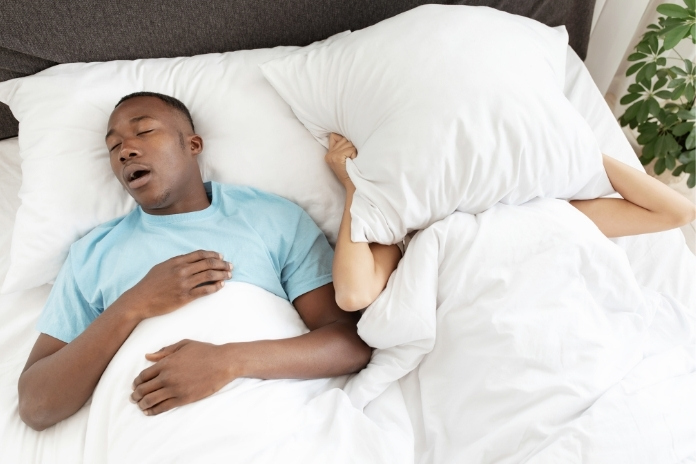
An estimated 30 million Americans suffer from interrupted breathing. At the same time, they sleep, though many people are unaware they have obstructive sleep apnea until a spouse notices loud snoring, gasping, or restless nights.
Actually, only 6 million people have a sleep apnea diagnosis, meaning that 80% of them are ignorant that they have the illness. Early diagnosis and treatment are crucial for both health and quality of life because the illness may lead to a higher blood pressure, heart disease, and reduced daytime focus if left untreated.
How Sleep Apnea Affects the Heart

Examining how frequent breathing disturbances strain the cardiovascular system is necessary to comprehend sleep apnea and heart health. Sleep issues can eventually harm your heart.
Repeated obstruction of your airway during sleep causes sleep apnea, which makes you briefly stop breathing. Heart disease and obesity are two conditions that can lead to sleep apnea.
Sleep apnea reduces the amount of oxygen your body receives during sleep and increases your risk of heart attacks, strokes, high blood pressure, and other health issues. Compared to White people, Black, Hispanic, and Native American adults are more likely to experience it.
Insomnia refers to difficulty falling asleep, staying asleep, or both. Up to 1 in 2 adults will at some point suffer short-term insomnia, and 1 in 10 may have persistent insomnia.
Heart disease and excessive blood pressure are associated with insomnia. Over time, less sleep can also lead to harmful habits that may damage your heart, such as increased stress, decreased motivation to exercise, and poor dietary choices.
Read More: It’s Not Just “Stress”: How Menopause and Pregnancy Rewrite Your Sleep Biology
Heart Conditions Linked to Sleep Apnea
Complications from untreated sleep apnea go beyond exhaustion and restless nights. Serious cardiovascular conditions are among them.
Blood Pressure: Sleep apnea often contributes to high blood pressure, so monitor your numbers and take the medications your doctor prescribed to control your levels.
Coronary Artery Disease: Repeated oxygen drops can damage arteries and increase the risk of blockages and heart attacks. It contributes to the growing risk of heart disease associated with sleep apnea.
Heart Failure: By putting more strain on the heart and decreasing oxygen delivery, sleep apnea exacerbates pre-existing heart failure.
Stroke Risk: Blood pressure swings, inflammation, and clot formation raise the risk of stroke in those with sleep apnea.
Irregular Heart Rhythms (Arrhythmias): Obstructive sleep apnea (OSA) is a sleep-related respiratory condition that causes irregular breathing. Even though the disruption might only last a short while, it can affect your heart, as can the other frequent pauses that usually accompany it.
Researchers estimate that sleep apnea affects 50% of people who use pacemakers to maintain a regular heart rhythm. It implies that arrhythmias and sleep apnea may be closely related. In certain individuals, sleep apnea is a plausible cause of arrhythmia, as treating sleep apnea has also helped reverse or reduce the occurrence of arrhythmias.
Signs Your Sleep Apnea May Be Affecting Heart Health
Early detection of symptoms can lessen the consequences of untreated sleep apnea.
Loud Snoring with Breathing Pauses: One of the main signs of obstructive sleep apnea (OSA) and heart risk is snoring along with breathing pauses.
Gasping or Choking when you Wake Up: This is a sign of oxygen deficiency and recurrent airway obstruction during sleep.
Morning Headaches: Frequent morning headaches may indicate low oxygen levels during the night.
Daytime Fatigue and Poor Concentration: A major sign of disturbed sleep and low oxygenation is persistent daytime sleepiness.
Palpitations at Night: Irregular heartbeats at night may suggest that sleep apnea symptoms and heart problems are interconnected.
Resistant High Blood Pressure: Sleep apnea and high blood pressure may be linked if your blood pressure remains elevated despite medication.
Read More: Tired but Can’t Sleep at Night? Common Reasons and What Actually Helps
Who Is at Higher Risk?
There may be a hereditary foundation for sleep apnea since it appears to run in some families. Sleep apnea is most common in people who:
- Snore aloud
- Have excess weight
- Have elevated blood pressure
- Possess a physical abnormality in the throat, nose, or other upper respiratory tract areas
People with sleep apnea experience more frequent and prolonged breathing pauses when they use alcohol and sleep aids.
How Sleep Apnea Is Diagnosed
A primary care physician, pulmonologist, neurologist, or another specialist trained in sleep disorders can diagnose sleep apnea and create a treatment plan using several tests, such as the following:
Polysomnography: Technicians conduct this test in a sleep lab and capture a range of bodily processes while you sleep. It includes the brain’s electrical activity, eye movements, muscular contractions, heart rate, breathing effort, airflow, and blood oxygen levels.
Home Sleep Apnea Test: A portable tool for diagnosing sleep apnea is the home sleep apnea test. Your doctor will make arrangements for you to wear it at home while you sleep, and the findings will be processed when you return it to the office.
Your doctor may recommend that you see an ear, nose, and throat specialist to rule out blockage in your throat or nose if you have obstructive sleep apnea (OSA). You might need to see a neurologist, a physician who specializes in the brain system, or a cardiologist, a specialist in the heart. They can search for the causes of central sleep apnea.
Treatment Options for Sleep Apnea
Effective treatment may reduce the risk of heart disease associated with sleep apnea and improve quality of life.
PAP Treatment
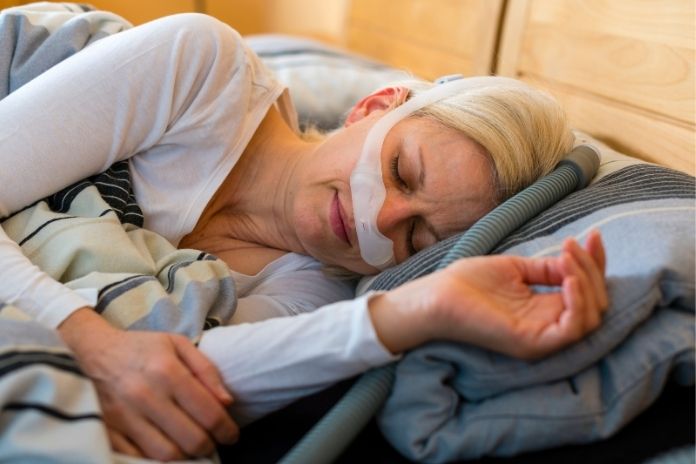
PAP therapy refers to treatments that use pressurized air delivered through a face mask to keep the airway open at night. Since “CPAP” was the initial word, we occasionally use it to refer to all PAP machine types:
CPAP: Continuous positive airway pressure (CPAP) devices maintain an open airway while you sleep by continuously delivering air pressure through a mask.
APAP: In reaction to breathing patterns, auto-adjusting positive airway pressure devices automatically modify the air pressure supplied during sleep.
BiPAP: Bilevel positive airway pressure machines, or BiPAPs, apply distinct pressures during inhalation and exhalation.
ASV: Adaptive-servo ventilation systems use sensors to adjust air pressure according to each breath.
Oral Appliance Therapy
To prevent the tongue and soft tissues from falling back and obstructing the airway during sleep, an oral appliance, also known as a mandibular advancement device, is worn at night to hold the lower jaw slightly forward.
The FDA has approved oral appliance therapy for the treatment of obstructive sleep apnea. Oral appliances used to treat OSA should not be mistaken for mouthguards for contact sports or night guards for teeth grinding.
Positional Therapy
Sleeping in the supine position (on the back) can contribute to breathing difficulties in some individuals. In this posture, gravity allows the tongue and soft tissues to fall backward, potentially obstructing the airway.
Positional therapy for sleep apnea aims to reduce this risk. Examples include wearable devices that detect sleep position and gently vibrate to prompt a shift from the back to the side, as well as specially designed pillows or supports that discourage back-sleeping. Because insurance coverage for these devices varies, it’s worth checking your specific plan before purchasing.
Medication
Medication can treat both obstructive sleep apnea and central sleep apnea in their mild, moderate, and severe forms. To lessen residual excessive daytime sleepiness, alerting drugs may be administered. The purpose of these prescription drugs is to promote wakefulness during the day. A general care physician or a board-certified sleep specialist typically prescribes medication, and insurance covers it.
Hypoglossal Nerve Simulator Implant
A hypoglossal nerve stimulator implant is a tiny sensor in the chest that senses each inhalation and signals the hypoglossal nerves to shift the tongue away from the airway as you sleep. In the US, several novel hypoglossal nerve stimulator devices are currently awaiting FDA approval.
Lifestyle Changes
Reducing alcohol consumption, giving up smoking, and losing weight can all greatly improve cardiovascular health and sleep apnea. Studies show that effective weight control can lessen the severity of obstructive sleep apnea and reduce the risk of hypertension associated with it.
Ear, Nose, and Throat Surgery
Patients with sleep apnea may benefit from several surgical procedures. These include uvulopalatopharyngoplasty, tonsillectomy, nasal procedures, and soft palate surgeries.
Oral and Maxillofacial Surgery
The structure of the upper airway can significantly influence sleep apnea severity in some individuals. Doctors can use a variety of surgical and non-surgical techniques to enlarge the airway space.
Read More: Sleepwalking (“Somnambulism”): Why It Happens, How to Stay Safe & When to Get Help
Can Treating Sleep Apnea Improve Heart Health?

Treating sleep apnea can significantly improve sleep apnea and heart health outcomes.
Research shows that treating sleep apnea improves heart function and reduces the risk of stroke and coronary events. The precise link between sleep apnea and heart disease remains unclear.
According to certain research, people with sleep apnea are more likely to experience nocturnal sudden death (dying while you sleep) and ventricular arrhythmias (abnormal heart rhythms).
Further research indicates that when you have obstructive sleep apnea, your heart’s right side may be harmed because it has to work harder to help your lungs get past the obstruction in your airway.
When to Talk to a Healthcare Professional
Consult a doctor if you observe:
- Loud snoring due to exhaustion during the day
- Persistent sleep apnea symptoms and heart problems
- Trouble managing blood pressure
- Observers noted pauses in breathing
- Frequent headaches in the morning
Red Flags That Need Prompt Evaluation
Some symptoms require immediate treatment:
- Severe daytime sleepiness affects safety
- Chest pain at night
- Worsening signs of heart failure
- Irregular heartbeat while you’re asleep
- Abrupt dyspnea
Practical Steps to Protect Your Heart if You Have Sleep Apnea

Small, regular adjustments can have a significant impact. These are my top suggestions:
Keep Your Weight in Check: Being overweight may raise your chances of heart disease and sleep apnea. According to studies, the severity of obstructive sleep apnea can be significantly reduced by even a modest weight loss.
Activity Frequently: Try to get in at least 150 minutes of moderate activity each week. Frequent exercise helps control blood pressure and strengthen the heart, while also encouraging better sleep.
Maintain a Heart-Healthy Diet: Prioritize lean proteins, healthy grains, and an abundance of fruit and vegetables. Increasing potassium intake and decreasing sodium intake enhance cardiovascular health and help treat sleep apnea.
Reduce Stress: To promote better sleep and lower blood pressure, practice relaxation techniques like yoga or meditation. Effective stress management also reduces the risk of arrhythmias associated with untreated sleep apnea.
These lifestyle modifications have a greater effect when paired with medical intervention. For example, regular exercise and heart-healthy diet may enhance the effectiveness of continuous positive airway pressure (CPAP) therapy, improving long-term cardiovascular health and sleep apnea outcomes. Research supports the assumption that adopting better habits greatly lowers the risk of consequences like coronary artery disease or strokes.
Read More: Sleep Divorce: Why Some Couples Are Choosing Separate Beds for Better Health
Conclusion
The close relationship between sleep apnea and heart health makes it impossible to disregard. The cardiovascular system is continuously stressed by frequent breathing disruption during sleep, which eventually raises the sleep apnea heart disease risk. Seemingly insignificant issues such as snoring or poor sleep can subtly worsen your serious problems such as high blood pressure, arrhythmias, and even stroke.
The good news is that continuous treatment and an early diagnosis may have a significant impact. Managing the sleep apnea can protect your heart and enhance general health, whether through lifestyle modifications, medical treatments, or gadgets like CPAP
References
- Cedars-Sinai. Sleep apnea.
- Mayo Clinic. (December 09, 2025). Sleep apnea.
- National Heart, Lung, and Blood Institute. Sleep apnea.
- Sara Berg, MS. (November 7, 2025). What doctors wish patients knew about sleep apnea.
- Harvard Health. (September 1, 2020). How does sleep apnea affect the heart?
- Centers for Disease Control and Prevention. (2024, May 15). About sleep and your heart health.
- Capitol Cardiology Associates. How sleep apnea affects your heart.
- Henry Ford Health Staff. (2023, November 17). The connection between sleep apnea and your risk for heart disease.
- UCLA Health. Heart disease and sleep disorders.
- Lambson, T. (2025, May 28). Snorers beware! Your heart may be at risk.
- Sleep Healthy PA. The link between sleep apnea and heart health: What Philadelphians need to know.
- Edwards, M. (2026, March 4). How is sleep apnea diagnosed?
- Project Sleep. Sleep apnea treatment options.
- The Ohio State University Wexner Medical Center. Sleep apnea and heart disease.
- Nora Eccles Harrison Cardiovascular Research and Training Institute. Managing sleep apnea to reduce the risk of heart disease.
In this Article