



















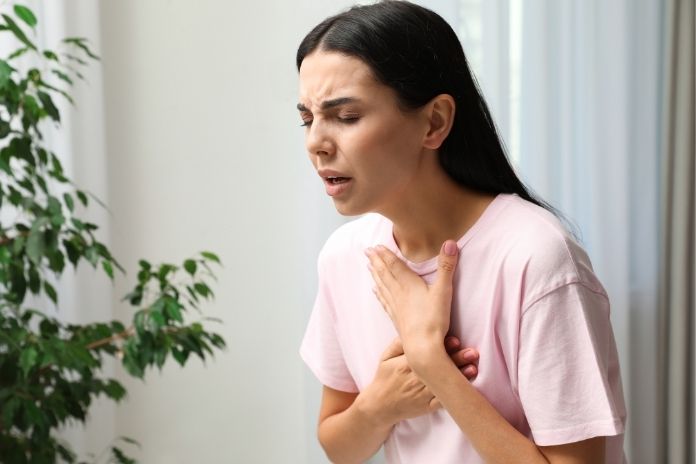
Although shortness of breath is heart-related and might be terrifying, not all episodes indicate a significant cardiac condition. Many causes of shortness of breath range from temporary exertion to chronic lung disease, anxiety, or anemia.
In this article, we will explore heart vs. lung shortness of breath, understand symptoms of heart-related shortness of breath, compare cardiac vs. respiratory dyspnea, and explain when to worry about shortness of breath. We will also cover warning signs, diagnosis, and treatment options so you can respond confidently and appropriately.
- Shortness of breath may come from heart, lung, or non-cardiac causes like anxiety or anemia.
- Heart-related breathlessness often worsens when lying down or during activity and may include swelling or chest pain.
- Sudden severe breathlessness, chest pain, or blue lips requires emergency medical attention immediately.
Read More: Is Your Shortness of Breath From Anxiety or Something Else? 7 Ways to Tell the Difference
What Does “Shortness of Breath” Mean Medically?
Breathlessness can be concerning. You may feel as though you are having trouble breathing or that not enough air is entering your lungs. Your doctor or nurse may refer to shortness of breath as “dyspnea,” which is the medical term for it.
Walking, climbing stairs, doing everyday tasks like cleaning or cooking, or even just sitting motionless, can all cause dyspnea. Breathlessness can occur suddenly or gradually over weeks or months.
“Shortness of breath can be sudden, or it can present slowly over time,” Dr. Sandeep Gupta, MD, UnityPoint Health, says. He adds, “Sudden shortness of breath may be caused by a secondary infection in the already compromised lung from lung disease. Slow-onset shortness of breath usually occurs if someone is a long-standing smoker, which also leads to lung disease.”
When Shortness of Breath May Be Heart-Related
Understanding symptoms of heart-related shortness of breath can help distinguish serious conditions early.
The sensation that breathing is more difficult than it should be is known as dyspnea, or shortness of breath. It may start abruptly or develop gradually. Lung disorders frequently cause breathlessness, but cardiac issues are also a significant contributing factor.
When the heart does not pump efficiently or when something obstructs its blood supply, fluid and pressure accumulate in the lungs. Because it makes it more difficult for oxygen to enter the bloodstream, you may have dyspnea when moving, lying flat, or even at rest. Breathlessness linked to the heart may:
- Start while engaging in routine activities, such as walking or climbing stairs.
- Waking up feeling short of breath or like you aren’t getting enough air.
- Accompanied by other heart symptoms such as leg swelling, chest pain, or a fast heartbeat.
The lungs and heart work together to deliver oxygen throughout the body. Your heart cannot meet your body’s needs if it is weak, stiff, or obstructed. Cardiac issues frequently cause breathlessness in the following ways:
- Due to insufficient heart-pumping power, blood backs up into the lungs, creating fluid and pressure in the air gaps.
- Your muscles receive less blood and oxygen, which makes even basic actions exhausting.
- Extremely rapid or erratic cardiac beats that lower the heart’s pumping capacity.
- Lung congestion may result from narrowed or leaky heart valves, which make the heart work harder.
Heart Conditions That Commonly Cause Shortness of Breath
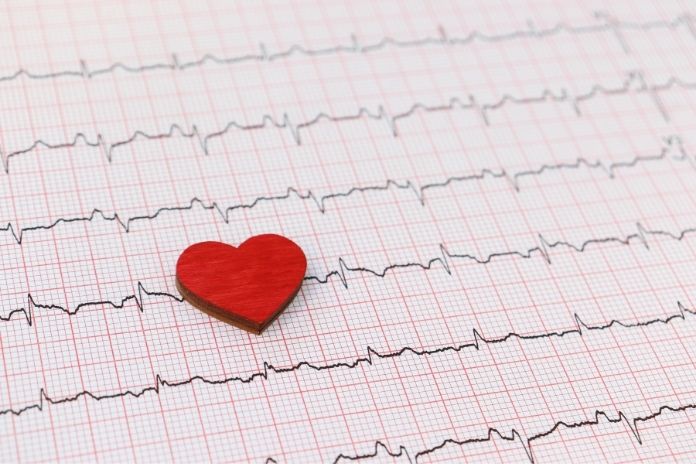
Several cardiovascular conditions contribute to shortness of breath and heart-related symptoms.
Coronary Artery Disease (CAD): The most prevalent kind of heart illness is coronary artery disease, or CAD. It occurs when coronary arteries, which supply blood to the heart muscle, constrict or become clogged. As a result, the heart may receive less oxygenated blood, leading to symptoms such as shortness of breath and chest pain.
Heart Failure: Despite the name, heart failure does not mean the heart has stopped functioning entirely. Rather, it indicates that the heart is not pumping blood as efficiently as it ought to. Particularly when resting flat, this inefficiency may lead to fluid accumulation in the lungs and dyspnea.
Cardiomyopathy: This illness directly affects the heart muscle. The heart may find it more difficult to pump blood efficiently if the muscle thickens, enlarges, or becomes rigid. Symptoms, including exhaustion, ankle and foot edema, and dyspnea, may result from this.
Arrhythmias: Irregular heartbeats may impact heart function. Breathlessness, lightheadedness, or fainting can occur when the heart is unable to pump enough blood to the body due to certain arrhythmias.
Heart Valve Disease: The heart’s four valves ensure blood flows in the right direction. Breathlessness and other symptoms may occur if any of these valves fail to open or close properly due to valvular heart disease, such as stenosis or regurgitation.
Pericarditis: Inflammation of the pericardium, the thin sac that surrounds the heart. Breathlessness and chest pain are symptoms of inflammation, particularly while you’re resting.
Pulmonary Hypertension: Pulmonary hypertension primarily affects the lungs but is closely linked to heart function. It is characterized by elevated blood pressure in the arteries that supply the lungs.
Over time, this increased resistance forces the right side of the heart to work harder to pump blood, which can lead to right-sided heart failure and associated shortness of breath (dyspnea).
Read More: Beyond the Breath: Identifying the 4 Scary Complications of a Severe Asthma Attack
Signs That Suggest a Non-Heart Cause
Not every respiratory problem is related to the heart. It is equally necessary to identify other variables and pulmonary causes of dyspnea.
Coughing or Wheezing: These symptoms are more common with lung conditions like COPD or asthma.
Fever or Recent Respiratory Infection: Pneumonia and other respiratory infections often cause shortness of breath unrelated to the heart.
Symptoms of Anxiety or Panic: Anxiety-related breathing difficulty can mimic serious conditions but often resolves with calming techniques.
Symptoms Caused by Allergens: Breathing difficulties and airway constriction can result from allergic reactions.
Improvement with Inhalers: If symptoms improve quickly with inhalers, they are likely due to lung-related conditions rather than shortness of breath or heart-related issues.
Common Non-Cardiac Causes of Shortness of Breath
Breathlessness is widespread since it has so many causes. However, you may be more susceptible to dyspnea if you don’t exercise enough or have the following:
- Interstitial lung disease, which is also known as pulmonary fibrosis, is characterized by inflammation and scarring in the lungs’ blood vessels and air sacs
- COPD stands for chronic obstructive pulmonary disease
- Emphysema
- Asthma
- Panic attacks and anxiety
- Anemia
- Obesity
- Obstructive sleep apnea
- Fibrosis cystic
- Hypertension of the lungs
- Heart valve disease
- Chest pain caused by an insufficient blood flow to certain areas of the heart is known as ischemic heart disease
- Prior heart attack or attacks
Heart-Related vs. Other Causes: Key Differences

It’s important to pay attention to patterns and related symptoms in order to distinguish between heart vs. lung shortness of breath.
Pattern of Onset
Heart-related: Progressive deterioration
Lung-related: Frequently abrupt or intermittent
Symptoms That Occur Together
Heart: edema, exhaustion, and chest pain
Respiratory: coughing and wheezing
Position-Related Breathing Changes
Shortness of breath when lying down strongly suggests a cardiac cause, especially if orthopnea is present.
Reaction to Medication or Rest
Heart-related: Gets better with rest
Lung-related: Inhalers help
Read More: Why You Feel Short of Breath After Climbing Stairs (Even if You’re Fit)
Red Flag Symptoms That May Point to a Heart Problem
Recognizing when to worry about shortness of breath can be life-saving.
Unexplained Breathlessness: If you have dyspnea without exerting yourself, there may be more to it than just exhaustion. Unexplained breathlessness may signal that your heart is not getting enough oxygen.
Prolonged Exhaustion: While everyone experiences exhaustion occasionally, prolonged fatigue may indicate an overworked heart. Your heart may be having trouble pumping blood effectively if you continue to feel particularly exhausted even after resting.
Mild Chest Pain: Don’t write off mild chest pain as just muscle strain or heartburn. It might be a precursor to artery blockage.
Ankle or Foot Swelling: Your feet and ankles might give you significant information about the condition of your heart. Swelling in these regions may indicate that your heart is having trouble efficiently pumping blood.
Lightheadedness or Fainting: Episodes of lightheadedness or fainting may indicate dangerous heart rhythm abnormalities, and healthcare providers should treat these symptoms promptly because they may signal serious underlying cardiac rhythm problems.
When Shortness of Breath May Be an Emergency

One of the most common reasons patients visit a hospital emergency room is breathing difficulties.
Breathlessness accounts for up to 4 million ER visits in the United States each year.
According to one study, respiratory issues account for 13% of all emergency medical service (EMS) calls.
Visit your nearest emergency room immediately if you or someone you know exhibits any of the following symptoms:
- You have sudden, severe breathing difficulties
- Resting doesn’t make it better
- Your chest hurts or is uncomfortable
- You inhaled food or an object that is interfering with your breathing
- You have a gray or blue hue on your nails or lips
- You experience nausea or faintness
- You’re sleepy or disoriented
- You have a bloody cough
- You have chills or a fever
- Your breathing prevents you from sleeping or engaging in other activities
- Your heart is pounding considerably quicker than normal
Additionally, if you have a history of bronchitis, pneumonia, chronic asthma, or another respiratory illness, get medical attention as soon as you experience acute shortness of breath.
How Doctors Determine the Cause
Identifying the reasons for shortness of breath requires both clinical assessment and testing.
If you experience dyspnea, your primary care provider may perform basic tests to determine the cause. The following are included:
- Electrocardiogram (ECG or EKG)
- Echocardiography
- X-ray of the chest
- Spirometry and the diffusing capacity test (which involves breathing into a tube multiple times to assess lung function)
- Diverse blood examinations
Nonetheless, these examinations do not always uncover the cause of your breathlessness.
Read More: The Link Between Acid Reflux and Breathing Patterns
Treatment Depends on the Underlying Cause
Managing Heart-Related Shortness of Breath
The focus of treatment is on enhancing cardiac function and alleviating fluid overload.
- Diuretics help reduce fluid accumulation in the lungs
- Drugs enhance the heart’s efficiency
- Lifestyle changes promote long-term health
Treating Non-Cardiac Causes
Treatment differs according to the condition:
- Inhalers for respiratory illnesses
- Therapy for anxiety-related breathing difficulty
- Iron supplements for anemia and shortness of breath
- In case of infections: antibiotics
Practical Tips to Monitor Your Symptoms
You can assist in avoiding shortness of breath by:
- Developing a care plan with your provider to address any underlying conditions and adhering to it. It encompasses the types of medications to use and their timing, exercise regimens, breathing therapies, and any other treatments your provider recommends
- Steering clear of inhaling substances that may irritate your lungs, such as car exhaust and paint fumes
- Exercising with breathing techniques or methods for relaxation
- Avoiding smoking
- Keeping your weight within a healthy range
- Avoid exercising when temperatures are extremely high or low or when humidity is elevated. If you have lung disease, keep an eye out for ozone alerts (typically included in the weather forecast). Steer clear of outdoor activities when the air quality is poor
When to Talk to a Healthcare Professional

One should always pay attention to shortness of breath, particularly if it is:
- New
- Worsening
- Happening while at rest
- Along with swelling or fatigue
Mild symptoms can also indicate the onset of congestive heart failure.
If you observe the following, consult a doctor without delay:
- Decreased exercise tolerance
- Weight gain without explanation
- Ongoing cough
- Swelling occurs in your lower body
Read More: Treatment For Anxiety Breathing – Know How To Stop
Conclusion
Shortness of breath and heart-related symptoms can be concerning, but heart problems do not always cause them. As we talked about, the causes of shortness of breath can vary from heart issues and lung diseases to anxiety and anemia. Identifying patterns such as increased breathlessness during physical activity, fluid retention, or lying flat helps determine when the heart may be implicated.
Simultaneously, indications such as wheezing, fever, or a rapid onset may suggest that the origin is not cardiac. Understanding these distinctions enables healthcare providers to perform a medical assessment and provide appropriate treatment promptly.
References
- American Lung Association. (2026, February 19). Shortness of breath.
- Mayo Clinic Staff. (2025, August 5). Shortness of breath: Causes.
- Ruth Goss. (12 January 2026). Shortness of breath: why it happens and tips to manage it.
- UnityPoint Health. Shortness of breath: What’s normal?
- Ubie Health. (2026, February 23). Short of breath? Why your heart is failing & medical next steps.
- Carondelet Health Network. Shortness of breath: What could it mean for your heart?
- University of Utah Health. Shortness of breath (dyspnea).
- Cleveland Clinic. (2022, November 11). Dyspnea (shortness of breath).
- Stefani McDade. (October 10, 2025). When Shortness of Breath Is an Emergency.
- Audra Sarver, MHS, PA-C. (March 4, 2026). Orthopnea.
- Kulmeet Kundlas (MD). (August 10, 2025). 5 Red Flag Signs of Heart Disease: You Should Never Ignore.
- Ubie. (23 February, 2026). Short of Breath? Why Your Heart is Failing & Medical Next Steps.
In this Article