


















You’ve probably been told that a “normal cycle” is 28 days, but your body doesn’t seem to follow that rule. Each month feels like a guessing game, leaving you frustrated when ovulation doesn’t line up with the calendar. You’re not alone. Many women find their cycles shorter, longer, or irregular.
The bright side is that your ovulation can still be tracked naturally, even if your cycle is not 28-days. Relying solely on counting the number of days often misses the body’s natural signals and cues. Tracking fertility signals like cervical mucus changes and basal body temperature offers a more realistic view into your unique cycle.
Let’s explore how to understand your body’s signals naturally and track ovulation with confidence.
- Most women don’t have a 28-day cycle. Cycle length normally ranges from 21 to 35 days, meaning ovulation rarely falls on day 14
- Your fertile window is only about 6 days long, making body-based tracking far more reliable than calendar counting
- Cervical mucus changes in a predictable pattern throughout your cycle, giving you a real-time signal that ovulation is approaching
- BBT rises slightly after ovulation, but works best when paired with mucus tracking, since it only confirms ovulation after the fact
- If you’ve been tracking consistently for 6 to 12 months without conceiving, it’s worth talking to a doctor
Why the “28-Day Cycle” Is a Myth for Many People
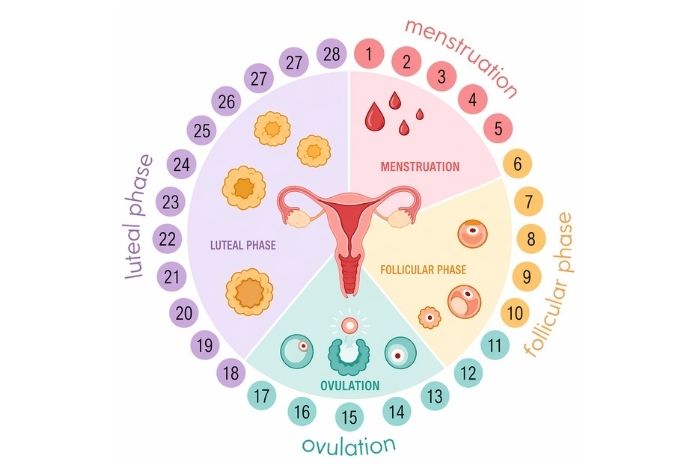
A typical menstrual cycle lasts about 28 days. It is divided into four main phases: menstrual, follicular, ovulation, and luteal. Each phase is driven by hormonal changes that prepare the body for a possible pregnancy.
Menstrual cycle length varies, typically between 21 and 35 days. The 28-day cycle every month is a myth. It’s normal to vary slightly because of factors such as stress, hormones, medications, and illness.
Ovulation timing is one of the most crucial factors in natural fertility, as the ovum can survive only 12-24 hours following ovulation. This precise timing of ovulation determines whether the sperm and egg meet, which can lead to a potential pregnancy.
Since the egg’s survival window is short, understanding and tracking ovulation is very important. Misunderstanding this window is a primary cause of difficulty in conceiving. Even with regular intercourse, missing this specific time significantly lowers the chances of pregnancy
What Is the Fertile Window and Why It Matters

An ovum (egg) survives for about 12–24 hours after being released during ovulation. In contrast, sperm can remain alive in the female reproductive tract for up to 3–5 days, with their viability being highest in the presence of fertile cervical mucus.
The fertile window is the time duration of your menstrual cycle when pregnancy is possible. It lasts about 6 days, often referred to as the 5 days before ovulation plus the day of ovulation.
This window exists because sperm can survive inside the female body for up to 5 days, while the egg survives for approximately 1 day (12-24 hours). It is the optimal time for pregnancy, as it ensures viable sperms are present to fertilize the egg immediately upon release. If your cycle is shorter or longer, your fertile window will shift earlier or later.
Counting the days assumes ovulation occurs on the 14th day of a 28‑day cycle, but in reality, only a small percentage of women follow this exact pattern. Most women experience slight variations in cycle length, meaning ovulation does not always happen on day 14.
Tracking methods such as monitoring cervical mucus changes and basal body temperature (BBT) provide a more realistic way to identify the approaching fertile window based on body cues, regardless of cycle length.
Dr. Pallavi Kalghatgi, a fertility consultant and gynecologist, told our team that cycle tracking becomes meaningful only when observed over several months rather than relying on a single cycle.
By noting the first day of each period and identifying the usual cycle length, women can estimate their fertile window, keeping in mind that ovulation generally happens about two weeks or 12-14 days before the next period.
Understanding Cervical Mucus as a Fertility Signal
Cervical mucus is a hydrogel produced by the cervix. It consists of mucus, water, salts, proteins, and cells. The consistency of which changes mainly in response to estrogen levels throughout your menstrual cycle. This property of your cervical mucus is used in ovulation tracking to identify the fertile window.
Factors that can affect cervical mucus
- Vaginal Infections
- Lactation
- Certain medications
- Perimenopause
- Dehydration
- Vaginal products
- Medical conditions (PCOS)
During your menstrual cycle, cervical mucus goes through noticeable changes that signal fertility. The chances of conceiving are highest on days when this fertile-quality mucus is present, and the final day of its appearance is considered the most likely day of ovulation.
Stages of cervical mucus progression
- Dry and sticky: Right after your menstruation, there is little to no mucus discharge. If present, it’s usually dry and sticky. This is considered the least fertile phase.
- Creamy: As estrogen rises, mucus becomes creamier, lotion‑like, and more abundant. It feels smooth but not stretchy. Fertility is increasing, but this mucus is not suitable for sperm survival.
- Wet and clear: Mucus turns watery, slippery, and more transparent. It’s stretchy in nature. This signals that ovulation is near and fertility is high.
- Egg-white: At ovulation, mucus is clear, stretchy, and resembles raw egg whites. This fertile-quality mucus helps sperm travel easily through the cervix and survive longer, maximizing chances of getting pregnant.
Fertile-quality cervical mucus is often described as having an egg-white consistency. This type of mucus plays a crucial role in conception by helping sperm travel more easily through the cervix to reach the egg.
Common mistakes when checking cervical mucus:
- Checking only occasionally, not daily
- Confusing semen or arousal fluid with fertile mucus
- Ignoring daily vaginal sensations (wet/slippery/dry)
- Assuming ovulation happens on the same day every month
Understand Your Cycle
Cervical Mucus Stages
| Stage | What it looks like | Fertility level | What it means |
|---|---|---|---|
| Dry and Sticky | Little to no mucus, may feel rough or dry | Low | Just after your period |
| Creamy | White or yellowish, lotion-like texture | Rising | Fertility starting to rise |
| Wet and Clear | Watery, slippery, more noticeable | High | Ovulation is approaching |
| Egg White | Clear, stretchy, raw egg white texture | Peak | Most fertile days |
Read More: Late Ovulation: Does It Affect Your Chances of Getting Pregnant?
How to Track Basal Body Temperature (BBT) Correctly
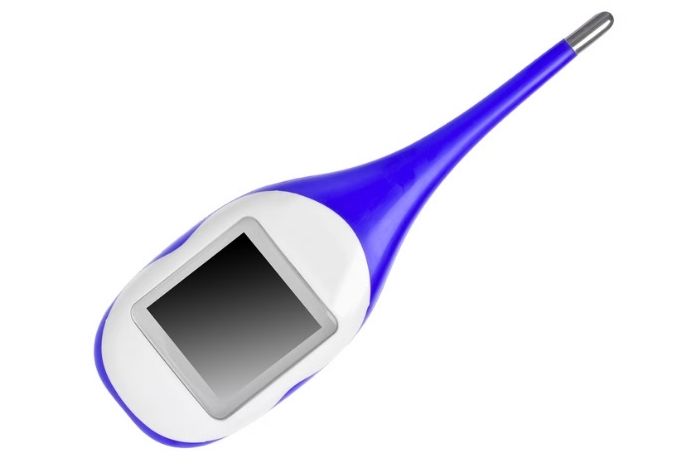
Basal Body Temperature (BBT) is your body’s lowest temperature at complete rest. It’s usually checked first thing in the morning, before you get out of bed or do any activity, because that’s when your body is most relaxed.
Progesterone released after the ovulation causes your basal body temperature to rise slightly by about 0.2 to 0.5 degrees Celsius (0.5 to 1.0 degrees Fahrenheit). Hence, it is used as a tool to determine if ovulation has occurred.
To take accurate daily readings, follow a simple routine. Record your BBT immediately after waking up at the same time each day, using the same method – oral, vaginal, or rectal, with oral being most common.
Consistency is key, so stick to one method throughout. After measuring, record your basal body temperature in a digital app or on a paper chart, and note any factors that might influence the reading.
Factors that can affect basal body temperature are:
- Fever
- Poor sleep
- Alcohol
- Stress
- Medications
- Thyroid disorders
- Travel
Fever or any infection in the body naturally raises body temperature, which can affect basal body temperature readings. To obtain accurate measurements, it is important to get at least 3–4 hours of consecutive sleep, as poor sleep often leads to variations.
Alcohol consumption can also disrupt sleep and cause fluctuation in these readings. Additionally, stress, thyroid disorders, certain medications, and travel may contribute to changes in these measurements.
Combining Cervical Mucus and BBT for Better Accuracy
Why one method of ovulation tracking alone may not be enough?
Each method has its own limitations. To overcome these and to get a more complete picture of your fertile window, experts recommend combining cervical mucus tracking with BBT.
Limitations are as follows:
- Identifying the subtle changes between dry, sticky, creamy, and egg-white mucus requires experience and often instruction from a professional. It can be difficult to distinguish fertile mucus from semen or sexual arousal fluids.
- BBT provides retrospective confirmation, meaning it shows a temperature rise only after ovulation, so the fertile window has closed for that cycle.
- For the chart to be accurate, you have to be consistent and follow a strict daily routine, which can be challenging for those working on night shifts and those with irregular sleep patterns.
- Many factors, such as illness, medications, stress, and dehydration, can disrupt your readings.
Basal body temperature confirms ovulation after it has occurred, whereas cervical mucus patterns provide clues about the approaching fertility. Combining both methods gives the most accurate picture of the fertile window. Over multiple cycles, patterns become clearer.
Read More: Best Foods to Support Ovulation and Hormone Balance
How to Identify Your Unique Fertile Window

Your body gives subtle clues each day that can help you pinpoint when fertility is approaching. A simple routine might include recording your BBT each morning, immediately upon waking. Monitor cervical mucus daily. Consistently recording these signs in an app or chart makes the patterns easier to understand over time.
For a woman with a 28-day cycle, ovulation usually happens around day 14. Signs that you’re approaching this window include:
- Cervical mucus becomes clear, stretchy, and resembles raw egg white.
- A slight rise in BBT by about ( 0.5–1°F) usually signifies ovulation.
With irregular periods, you would likely ovulate 10 to 16 days before your next period, but predicting the exact date is difficult because the cycle length varies. Ovulation often occurs later in longer cycles or earlier in shorter ones
If your cycles are irregular, identifying fertile days can be trickier, but not impossible. One way is to track longer. Collect data over several months to see recurring patterns.
Focus on mucus changes: Cervical mucus often provides the clearest real-time signal, even when cycle timing shifts. Consider professional guidance to help rule out underlying conditions like PCOS or thyroid issues that affect cycle regularity.
Read More: How to Track Ovulation Accurately (Even With Irregular Cycles)
Limitations and What These Methods Can’t Tell You

Natural ovulation tracking methods can be unreliable in certain situations. Postpartum, especially while breastfeeding, high prolactin levels suppress cycles, and disrupted sleep affects BBT accuracy. Hormonal conditions like thyroid disorders or perimenopause can cause irregular cycles that mimic fertile signs without true ovulation.
Women with PCOS often have irregular or absent ovulation, high baseline LH, and inconsistent cervical mucus, making prediction difficult.
When to Consider Additional Tools or Medical Advice
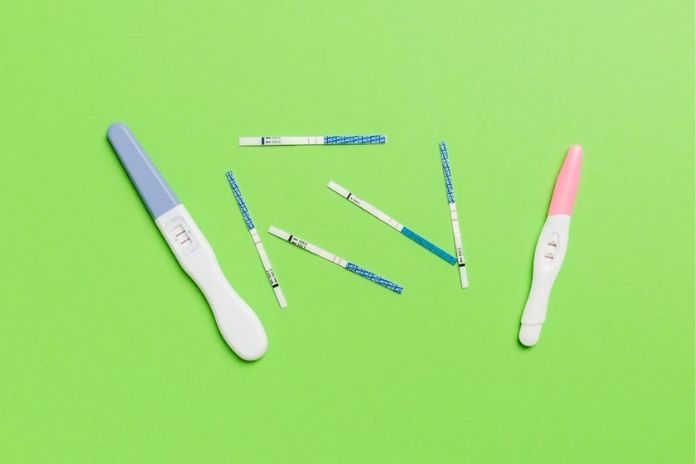
Ovulation predictor kits (OPKs) are urine-based tests designed to detect the surge of luteinizing hormone (LH), which typically occurs 24–36 hours before ovulation, the release of an egg from the ovary. By identifying this surge, OPKs help optimize the timing of intercourse to increase the chances of conception.
For best results, experts recommend combining OPKs with natural fertility awareness methods in which,
- Cervical mucus – signals the beginning of the fertile window
- OPKs – predict the timing of ovulation within that window
- BBT – confirms that ovulation has already taken place
If you are under the age of 35 and have been actively tracking your menstrual cycle and timing intercourse for a full year without conceiving, it is recommended to seek a fertility evaluation. For women aged 35 and older, this time frame is shortened to six months due to the natural decline in fertility with age.
Various hormones are involved in your menstrual cycle. When the level of any one of these hormones becomes too high or too low, this condition is called a hormonal imbalance. It can affect ovulation, sometimes irregular or no ovulation at all.
Hormonal imbalance causes cycles of less than 21 days or longer than 35 days to occur. Painful acne, facial hair, weight changes, hair thinning, mood changes, breast discharge, and constant fatigue are some signs to look for. If you are going through this phase, it’s important to seek medical advice.
Dr. Pallavi Kalghatgi also highlights that in real life, fertility tracking works best when women learn to observe patterns rather than depending on a single number or test. When we combine observations like cycle tracking, cervical mucus, basal body temperature, and ovulation predictor kits together, they give a much more reliable picture of the ovulation.
Practical Tips for Consistent and Stress-Free Tracking
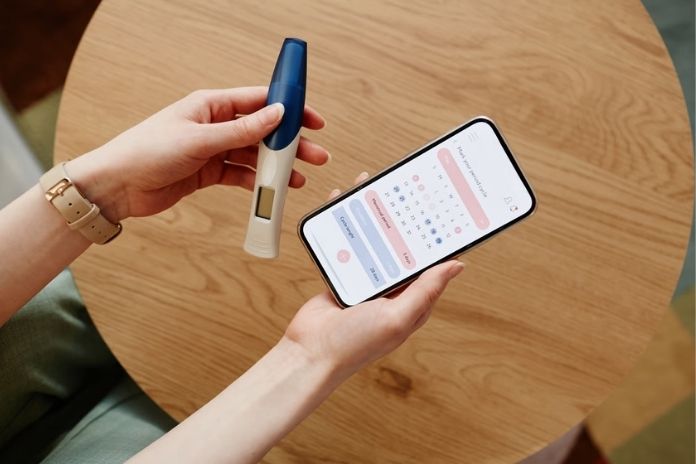
Digital Apps are used worldwide for ovulation tracking. Apps track menstrual cycles, analyze BBT and cervical mucus changes to predict your ovulation and fertile windows. Charts are reliable, allowing for a more hands-on approach. You should find apps that best fit your needs. Record data consistently. Over time, your patterns become clearer.
Building a new habit requires consistency and patience. The same concept applies to your ovulation tracking as well. Start by taking basal body temperature just after you wake up and record cervical mucus changes. Follow this simple daily routine, which makes the process easier to maintain over time, which eventually develops into a sustainable habit.
Avoid stressing and overinterpreting the minor variations in readings. The key here is to look for your overall cycle trends over several months rather than stressing over a single day’s data. If irregularities persist or cause concern, consider discussing them with a healthcare professional.
Your Cycle Is Personal—Learn Its Signals
Ovulation tracking is not about fitting into a 28-day cycle myth. It’s about learning the signals that are unique to your own body. With realistic expectations and consistent observation, cervical mucus and BBT can offer valuable insights into your ovulation timing, which helps you in your personal fertility journey.
References
- Reed BG, Carr BR. The normal menstrual cycle and the control of ovulation. In: Feingold KR, Anawalt B, Boyce A, et al, eds. Endotext.
- McMillen M, Dunkin MA. The normal menstrual cycle and the control of ovulation. Medically reviewed by Todd N, MD. WebMD.
- Cleveland Clinic. Cervical mucus. Medically reviewed. Updated December 18, 2024.
- Steward K, Raja A. Physiology, ovulation and basal body temperature. In: StatPearls [Internet]. Treasure Island (FL): StatPearls Publishing; 2023 Jul 17 [updated 2023 Jul17].
- Shukla A, Rasquin LI, Anastasopoulou C. Polycystic ovarian syndrome. In: StatPearls [Internet]. Treasure Island (FL): StatPearls Publishing; 2025 Jul 7 [updated 2025 Jul 7].
- Wegrzynowicz AK, Eyvazzadeh A, Beckley A. Current ovulation and luteal phase tracking methods and technologies for fertility and family planning: a review.
In this Article