

















Insulin pumps and hybrid closed-loop systems have transformed daily life for hundreds of thousands of people with diabetes.
Instead of multiple daily injections of both basal and bolus insulin, a pump delivers only rapid-acting insulin continuously through a small cannula under the skin, automatically adjusting the dose based on glucose readings when connected to a continuous glucose monitor (CGM). For many people, that shift means better glucose control, more flexibility, and fewer needle sticks.
The tradeoff is dependency. Because pump users rely entirely on that single delivery pathway for all of their insulin, any interruption, no matter how brief, carries a risk that injection users do not face in the same way.
A person taking long-acting insulin injections has a depot of background insulin active in their system for 18 to 24 hours. A pump user has none. When insulin pump failure occurs, the window before ketones start rising is measured in hours rather than days.
Understanding why that happens, what causes insulin pump malfunction symptoms, and how to respond quickly is not optional knowledge for pump users. It is the foundation of staying safe with technology.
- Insulin pump failure can lead to rising ketones within 2–4 hours because there’s no long-acting insulin backup in the body.
- Any interruption, like a blocked set, empty reservoir, kinked cannula, or pump error, stops basal insulin and triggers fat breakdown and ketone production.
- If your pump stops working, check blood glucose and ketones immediately, then inspect and replace the infusion set and site.
- Give a correction dose by injection if needed, and seek urgent care if ketones remain moderate to high.
Read More: Best Continuous Glucose Monitor (CGM): What to Look For and Top Picks
Why Insulin Pump Failures Can Cause Ketones to Rise Quickly
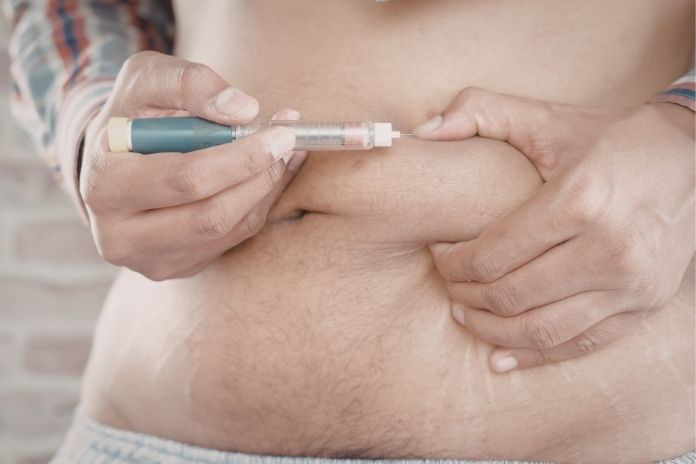
An insulin pump replaces long-acting insulin by delivering small pulses of rapid-acting insulin throughout the day, typically every few minutes, to mimic the steady background release of a functioning pancreas.
This basal insulin delivery keeps blood glucose stable between meals and overnight by suppressing the liver’s natural tendency to release glucose and by maintaining baseline insulin sensitivity in tissues.
Because only rapid-acting insulin is used, its effect in the body lasts approximately two to four hours from any given dose. There is no slow, extended reservoir of background insulin to fall back on. The moment basal insulin delivery stops, the insulin coverage begins to expire.
Why Even Short Interruptions Matter
When insulin drops, the body treats it like a fasting signal. The liver releases glucose, while fat cells break down into free fatty acids, which are converted into ketones like beta-hydroxybutyrate.
This shift is normal during fasting, but with pump failure, it happens without control. Blood glucose and ketones rise together, increasing the risk of DKA within hours if not addressed.
A 2021 matched cohort study published in PMC examining DKA patterns in insulin pump users versus injection users found that pump use does not inherently protect against DKA risk and may, in some settings, be associated with faster escalation when delivery fails, precisely because of the absence of long-acting background insulin.
Why Pump Users May Develop Ketones Faster Than Injection Users
A person using basal-bolus injection therapy who misses a bolus dose still has long-acting background insulin covering their basal needs. Their glucose will rise, but the DKA pathway is not immediately triggered. A person experiencing insulin pump failure has no such buffer.
Within two to three hours of pump stoppage, the ketones insulin pump users face can already be measurable. Within four to six hours, depending on glucose at the time of failure and physical stress, those ketones can reach clinically significant levels.
Read More: How Continuous Glucose Monitors Work & Which One Fits You
Common Reasons an Insulin Pump May Stop Delivering Insulin
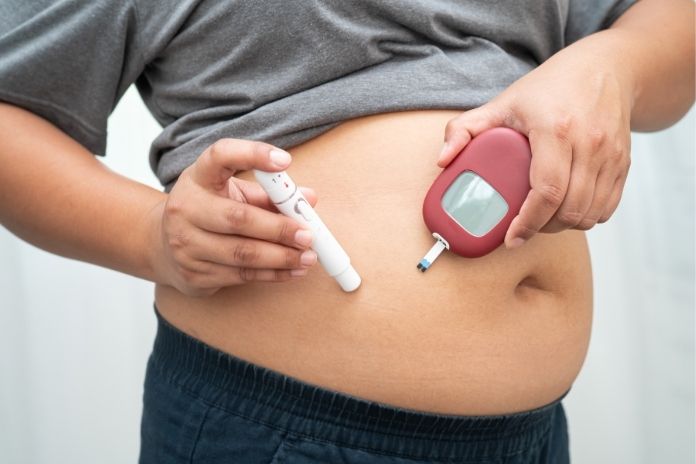
Infusion set blockage is the most common cause of insulin pump failure in practice. Kinking of the cannula during insertion or movement, partial dislodgement from the skin, lipohypertrophy at overused sites, and insulin crystallization within the tubing can all prevent or reduce insulin flow without triggering an immediate pump alarm.
A PMC study analyzing insulin infusion set reliability found that initial set failures were surprisingly common, occurring with standard sets once every 22 to 33 days depending on wear duration, and that more than 40% of participants had to replace an infusion set early at least once during the study month. Six participants developed measurable ketone levels with hyperglycemia during the study period.
Dr. Irl Hirsch, MD, identifies infusion site performance as the unresolved vulnerability in the technology: “It really doesn’t matter how good the technology is. We still don’t understand what is happening with the infusion sites, much less fix it,” he told UW Medicine.
An empty or nearly empty reservoir is a predictable and preventable cause of insulin pump malfunction symptoms. Pumps deliver a low reservoir alert well before depletion, but that alert is easy to dismiss during a busy day, overnight, or when the pump is in silent mode. By the time delivery actually stops, glucose and ketone levels might already be rising.
Battery depletion stops all insulin delivery without warning in some older pump models. Software errors, connectivity drops between the pump and CGM in automated systems, and corrupted settings after software updates can all temporarily suspend or alter basal insulin delivery in ways that are not immediately apparent to the user.
A kinked cannula may deliver partial insulin or none at all while the pump indicates normal operation. The cannula can kink at insertion if the angle or technique is off, or from physical activity afterward. Site absorption problems, common at overused sites with lipohypertrophy, reduce insulin bioavailability even when delivery is mechanically intact.
In hybrid closed-loop systems, the algorithm adjusts insulin delivery based on CGM glucose readings. If the CGM is inaccurate, displaced, or reading falsely low, the algorithm may suspend or significantly reduce basal insulin delivery precisely when glucose and ketones are rising.
A 2023 PMC case report documenting DKA in a type 1 patient using t:slim with Control-IQ illustrated this directly: dehydration from a medication side effect caused the CGM to read falsely low, prompting the closed-loop algorithm to suspend insulin, accelerating DKA development while the pump appeared to be functioning normally.
Early Warning Signs Your Pump May Not Be Delivering Insulin
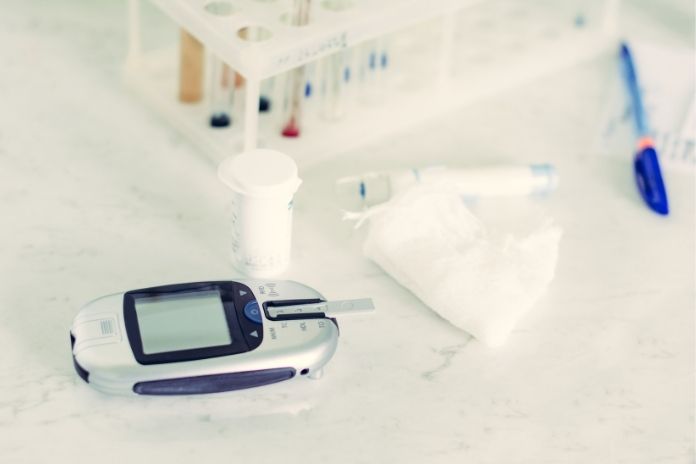
Glucose trending upward without an obvious cause, such as a recent meal or illness, is the first and most important signal of insulin pump failure. Any unexplained glucose rise above 250 to 300 mg/dL should prompt immediate inspection of the infusion site, tubing, and reservoir before assuming other causes.
Emergency insulin pump troubleshooting begins when a correction bolus that would normally bring glucose down within two hours produces no meaningful response. This pattern, delivering insulin that is not actually reaching the tissue, is the hallmark of mechanical failure at the infusion site or within the tubing.
Before ketones reach dangerous levels, early ketones rising can produce nausea, fatigue disproportionate to activity, unusual thirst, and mild abdominal discomfort. These symptoms are easy to attribute to other causes, which is why blood or urine ketone testing should always be performed when glucose is persistently elevated rather than waiting for symptoms to progress.
Many pumps will generate occlusion alarms when pressure builds in the tubing from a blockage. These alarms should never be silenced and reconnected without first changing the infusion set and inserting at a new site. A resolved alarm that recurs within hours indicates the cause was not fully addressed.
What to Do Immediately if You Suspect Pump Failure
The first step is measurement, not troubleshooting. Confirm glucose with a fingerstick instead of relying only on CGM, and test ketones using a blood meter (beta-hydroxybutyrate) or urine strips. Record both values with time.
Check the pump system: inspect the reservoir, tubing (kinks, air bubbles, and disconnection), and infusion site for irritation or displacement. Any questionable site should be treated as a failure point.
Do not reuse the existing setup if symptoms of insulin pump malfunction are present. Replace the infusion set completely, insert at a new site, and confirm proper priming before use.
If glucose is above 250 mg/dL or ketones are present, give insulin by injection. In emergency insulin pump troubleshooting, do not wait for the pump to recover if delivery may have been interrupted.
Dr. Anne Peters, MD, makes this point explicitly in the context of pump emergencies: “everyone’s going to have to know how to give injections if they’re on a pump,” she told Beyond Type 1, emphasizing that backup injection capability is not optional preparedness but a clinical necessity for anyone using pump therapy.
How to Manage Rising Ketones After Pump Failure
Hydration is critical when ketones rise. Fluids help clear ketones and counter dehydration from hyperglycemia. Aim for 8–16 ounces of water per hour, avoid sugary drinks, and monitor glucose every 1–2 hours using fingerstick checks.
If glucose doesn’t improve within two hours after a site change, give correction insulin by injection. Do not rely on the pump unless delivery is clearly working. In high-ketone pump failure management, verified readings should guide every decision.
Repeat ketone testing every 2–4 hours. Levels below 0.6 mmol/L are normal; 0.6–1.5 mmol/L needs active management; above 1.5 mmol/L requires urgent care; and above 3.0 mmol/L is a medical emergency.
When Pump Users Should Seek Urgent Medical Care

Blood ketones persistently above 1.5 mmol/L after insulin administration and hydration, or urine ketones reading moderate to large on a second test, should prompt a call to the diabetes care team and likely an emergency department visit.
Pump failure and high ketones at this level, particularly if glucose is not responding, indicate the early stages of diabetic ketoacidosis (DKA).
Once vomiting begins, oral hydration becomes impossible, and subcutaneous insulin absorption may be impaired by dehydration and poor peripheral circulation. This is a medical emergency. Diabetic ketoacidosis pump failure cases that include vomiting need intravenous fluids and insulin and cannot be safely managed at home.
Kussmaul breathing, a deep, labored respiratory pattern, is the body’s attempt to exhale carbon dioxide and partially compensate for metabolic acidosis. Along with dry mouth, rapid heart rate, and decreased urine output, it signals that DKA is advanced and requires immediate emergency care.
Dr. Anne Peters, MD, is clear on the threshold: “If they’re vomiting, any of that would require contact with their endocrine team or whoever their diabetes management team is. And then if they’re really sick, go to the hospital,” she told Beyond Type 1. Waiting to see whether vomiting resolves on its own is not appropriate sick day diabetes management for a pump user with elevated ketones.
Preventing Pump Failure and Ketone Emergencies
The most effective prevention is routine physical inspection. Check the insertion site each time a correction bolus is given and any time glucose rises unexpectedly. Rotate insertion sites systematically and never reuse a site that showed redness, swelling, or poor absorption previously.
A 2022 study published in PubMed examining DKA in pediatric pump users at Yale found that most DKA events in pump-treated patients could have been avoided if users had followed standard troubleshooting guidelines and that DKA prevention education should be reinforced at every clinical encounter, particularly for adolescents with suboptimal glucose control.
Every pump user should have, at all times, a vial or pen of rapid-acting insulin and appropriate syringes or pen needles; a long-acting insulin option for extended pump unavailability; extra infusion sets and reservoirs; and a blood glucose meter with strips as a CGM backup. This is not emergency preparedness for rare scenarios. It is the expected baseline for anyone on pump therapy.
Know your specific pump’s alarm system before you need it. Understand what each alert means, how to clear it safely, and when clearing it is not appropriate without changing the set. Most manufacturers provide 24-hour technical support lines. Your diabetes care team should provide or direct you to detailed sick day and pump failure protocols specific to your device.
A written plan that covers what to do at each threshold of glucose and ketone elevation, including injection doses to use, when to call the care team, and when to go to the emergency department, removes the need to make those decisions under stress. Update it at each endocrinology visit.
Special Considerations for Hybrid Closed-Loop Systems
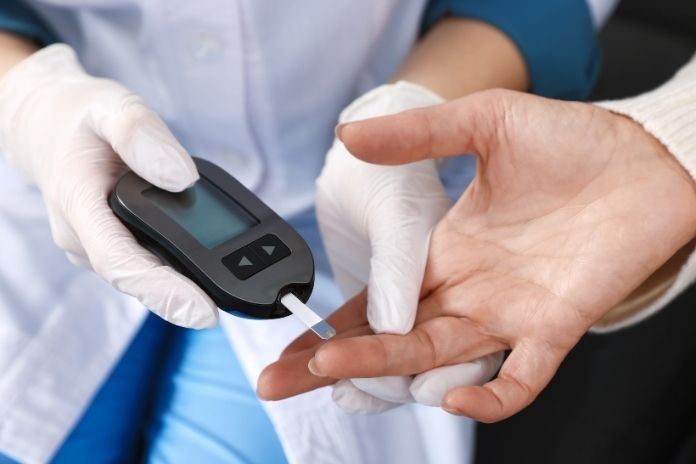
Hybrid closed-loop systems use CGM glucose data to continuously adjust basal insulin delivery and, in some systems, to deliver automatic correction boluses. This automation significantly reduces the cognitive burden of diabetes management and improves time-in-range for most users. However, the automation introduces a specific vulnerability: when the CGM is inaccurate, the algorithm acts on wrong information.
Dehydration, sensor compression, sensor aging near the end of its wear period, and electromagnetic interference can all cause CGM inaccuracy. A falsely low CGM reading in a closed-loop system can prompt the algorithm to suspend insulin at precisely the time when blood glucose and ketones are rising. The pump, operating as designed, may show no error while DKA develops.
Dr. Jeremy Pettus, MD, highlights the fundamental limit of insulin-only therapy: “We’ve been too focused on [insulin]. There’s a need to develop other therapies to help people get their glucose under control,” he told Breakthrough T1D.
His work on glucagon axis restoration reflects the broader recognition that even the best closed-loop insulin systems have failure modes that technology alone cannot fully solve.
Why Manual Monitoring Is Still Important
Hybrid closed-loop automation does not replace the need to verify CGM accuracy with fingerstick checks when glucose behavior is unexpected, to inspect infusion sites physically, and to know how to switch to manual injection mode when system trust is in question.
The CGM and closed-loop algorithm are tools, not substitutes for the user’s own situational awareness and troubleshooting judgment.
Diana Isaacs, PharmD, BCPS, BC-ADM, CDCES, consistently emphasizes that DKA prevention education and pump malfunction training must be reinforced at every clinical encounter and that sick day diabetes management rules remain essential even for users of the most advanced automated systems.
Key Takeaway
Insulin pump failure is not a rare edge case. Infusion set problems alone affect a significant proportion of pump users every month. What separates a manageable situation from a dangerous one is how quickly the failure is recognized, verified, and addressed.
What to do if your insulin pump stops working: check glucose and ketones first, inspect the system completely, change the infusion set at a new site, and inject rapid-acting insulin manually if delivery is uncertain.
Do not wait for symptoms. Do not assume the pump is delivering because no alarm has sounded. Test ketones whenever glucose is unexpectedly elevated, follow your sick day protocol, and call your diabetes care team when ketones are rising despite correction.
The technology behind hybrid closed-loop systems is genuinely life-improving. Knowing its failure modes and knowing how to step in when those failures occur is what keeps it that way.
Medical Disclaimer: This article is for informational purposes only and does not constitute medical advice. Always follow your personal diabetes management plan and consult your endocrinology team for guidance specific to your device and clinical situation. In a medical emergency, call 911 or go to the nearest emergency department.
References
- Doyle, E. A., Weinzimer, S. A., & Tamborlane, W. (2022). DKA prevention and insulin pumps: Lessons learned from a large pediatric pump practice. Diabetes Educator, 48(6), 476-482.
- Heinemann, L., & Kamann, S. (2015). We need more research and better designs for insulin infusion sets. Journal of Diabetes Science and Technology, 9(5).
- Hirsch, I. B. (2023). Study looks at Achilles’ heel of insulin pump technology. UW Medicine Newsroom.
- Isaacs, D. (2020). Insulin therapy, pumps, and CGM: Troubleshooting and DKA recognition. Diabetes Education Services.
- Misra, S., & Oliver, N. S. (2023). Diabetic ketoacidosis in a patient with type 1 diabetes treated with a closed-loop sensor-augmented insulin infusion system. AACE Clinical Case Reports, 9(4).
- Peters, A. L. (2020). COVID-19 Q&A with endocrinologist Dr. Anne Peters. Beyond Type 1.
- Pettus, J. (2021). We’ve been too focused on insulin. Breakthrough T1D.
- Shami, A., Purewal, T., Douedi, S., et al. (2021). Effect of insulin pump use on diabetic ketoacidosis in type 1 diabetes mellitus: A matched cohort study. Journal of Clinical Medicine, 10(5), 898.
- Pediatric Endocrine Society. (n.d.). Insulin pump failure: A guide for families.
- Pickup, J. C., & Sutton, A. J. (2008). Severe hypoglycaemia and glycaemic control in type 1 diabetes: Meta-analysis of multiple daily insulin injections compared with continuous subcutaneous insulin infusion.
- Association of Diabetes Care & Education Specialists. (n.d.). Troubleshooting unexplained hyperglycemia.
- The Royal Children’s Hospital Melbourne. (n.d.). Insulin pump malfunction.
- Heller, D. (n.d.). Insulin pumps may not deliver intended doses.
- Type1Strong. (n.d.). When diabetes devices fail: What to do when an insulin pump or CGM stops working.
In this Article