












The Move Away from Finger-Prick Tests
Traditional finger-stick glucose tests require pricking your finger to get a drop of blood, which many people find painful and inconvenient. Today, a blood sugar monitor that doesn’t require finger pricks, known as a needle-free blood sugar monitor or continuous glucose monitor (CGM), offers a more comfortable option.
A CGM is worn on the skin and tracks your glucose levels day and night, giving frequent readings that show how food, activity, stress, and medication affect your body. This constant feedback helps you understand your glucose patterns better than occasional finger-stick tests.
CGMs work through a tiny sensor placed just under the skin that sends data to your phone or a separate reader. You can see real-time numbers and trend arrows, and receive alerts if your levels go too high or too low.
While CGMs reduce the need for finger pricks, some situations may still require a traditional test for accuracy checks. When choosing a CGM, consider sensor life, app features, and whether you want alerts or data sharing. Overall, these needle-free devices make glucose monitoring easier, more comfortable, and far more informative.
Read More: A Beginner’s Guide to Understanding Glucose Absorption
Key Takeaways — What You’ll Learn
- Traditional glucometers require finger-stick tests for each reading, while a no-finger-prick option, such as a continuous glucose monitor, offers a less invasive alternative.
- CGM systems use a small sensor just under your skin that measures glucose in the fluid between your cells every few minutes and sends the data wirelessly to a phone, receiver, or insulin pump.
- The advantages include 24/7 tracking, trend insights, and real-time alerts for high or low glucose. But there are limits; some CGMs need occasional calibration using finger-stick tests, readings can lag slightly, and costs or skin irritation may be issues.
- When choosing and using a CGM, consider whether you want a real-time or scan-based device, how often the sensors need changing, whether alarms are important, and how you’ll view or share your data.
- A needle-free blood sugar monitor gives you a fuller, more continuous picture of your glucose, making self-management easier, even if you still use finger-stick tests occasionally.
Read More: What Happens to Your Blood Pressure After You Strength Train
How “Needle-Free” Blood Sugar Monitoring Works

A Continuous Glucose Monitor (CGM) is a small sensor patch or implant that measures glucose levels not directly in your blood, but in the fluid between your cells (interstitial fluid).
You place the sensor on your skin, typically on your arm or abdomen, or an implant under the skin, depending on the model. A tiny filament just under the surface senses the glucose level at regular intervals (often every few minutes).
The sensor is attached to a transmitter that sends the glucose readings wirelessly to a receiver device, smartphone app, or insulin pump. That lets you view continuous glucose data throughout the day and night.
Because a CGM constantly tracks glucose, you get a fuller picture of how meals, exercise, stress, and medications affect your levels, not just isolated snapshots.
CGM vs Finger-Stick Blood Glucose Monitor
Unlike a traditional meter, which requires pricking your finger each time to draw a blood drop, a continuous glucose monitor, with no finger stick, reduces or even eliminates the need for frequent finger pricks. That’s a big convenience, especially if you check your glucose many times a day.
Douglas Paauw, MD, on limited-term CGM use for non-diabetics, says, “I don’t really think somebody who doesn’t have diabetes needs to be using a CGM all the time or long term … if someone can afford to use it for 2-4 weeks … they can really recognize what happens to their bodies when they eat certain foods.”
Pros, Limitations, and Accuracy Considerations
Pros: CGMs offer continuous, real-time, or near-real-time readings, revealing glucose trends, peaks, and valleys over hours or days. They often include alarms that alert you if your glucose levels are too high or too low. This helps manage diabetes more proactively than using occasional finger-stick results.
Limitations: Because CGMs measure interstitial fluid, not blood directly, there can be a short delay, often a few minutes, so the reading may slightly lag behind current blood glucose. Also, some CGMs require occasional finger-stick calibration or a blood test if readings don’t match how you feel or if you’re adjusting insulin. And, like any device, CGMs can sometimes have errors or interference (for example, from certain medicines).
Practical Guidance: Choosing and Using a CGM
- If you prefer fewer finger pricks and more continuous monitoring, a CGM may be a good fit.
- Think about where you want to place the sensor (arm, abdomen, or implant), how often you’ll need to replace it (some last days, others months), and whether you want data on your phone or a separate receiver.
- Use CGM data to spot patterns, such as which foods or activities affect glucose levels, and consider alarms for high/low levels for safety.
- But keep a regular blood glucose meter handy: if readings seem wrong, if your glucose is changing fast (after meals or insulin), or when making important treatment decisions, a finger-stick check might still be needed.
In short, a continuous glucose monitor versus a finger-stick blood glucose monitor gives you a more complete, easier view of glucose trends, though “finger-prick free” doesn’t always mean you’ll never need a finger-stick test.
Read More: What Your Blood Pressure Numbers Really Mean
Benefits of Using a Needle-Free Monitor

Needle-free blood glucose monitors are the sensors, like CGMs, that grant comfort and ease in monitoring glucose without incessant pricks. They provide continuous insight into your levels and help you recognize patterns, reducing anxiety about testing and further supporting better daily diabetes management.
More Continuous Glucose Data, Fewer Blind Spots
A CGM or any other type of needle-free blood sugar monitor provides continuous or frequent glucose readings throughout the day. Unlike the usual meter, which shows only a few finger-stick snapshots, CGMs track glucose in the fluid under the skin every few minutes.
This helps you see trends like after-meal spikes, exercise drops, and overnight lows. With fewer “blind spots,” you have a clearer picture of your overall time-in-range and how your body reacts to daily habits.
Less Pain and Anxiety Compared to Finger-Sticks
Using a blood glucose monitor without finger pricks means far less discomfort. Because CGMs stay on the skin and automatically monitor glucose, many people find testing easier and less stressful.
This can lead to more consistency in monitoring, especially among those who avoid the test because they say the finger sticks are painful or too inconvenient. Parents, teens, older adults, and anyone with needle anxiety often benefit from this reduced burden.
Better Day-to-Day Glucose Management
Continuous data enables earlier detection of rising and falling patterns, enabling earlier correction. Many users, especially insulin users, report improved glucose control with CGMSs.
Real-time alarms warn you of highs or lows before they can become dangerous. This allows for safer insulin dosing, better meal-timing decisions, and more stable daily control. These benefits of CGM in insulin users often translate into improved A1C and fewer severe lows.
Lifestyle Insights: Food, Exercise, and Daily Choices
A needle-free blood glucose monitor helps you understand how lifestyle factors affect glucose levels.
You can see how certain foods raise your levels, how quickly you recover after working out, or even how stress and sleep can affect your reading. This makes it so much easier to adjust your habits to continuously improve “time-in-range.”
Read More: 7 Effective Workouts for Lowering High Blood Pressure
Limitations and Things to Watch

A glucose monitoring trends device, such as a CGM, offers many advantages over finger-stick meters, but it’s important to understand its limits.
Lag time, possible accuracy variance, costs, and the fact that not all “needle-free” devices are valid make it crucial to stay informed and cautious.
Lag Time: What’s Really Being Measured
Even though a needle-free or “best glucose monitor without lancets” such as a Continuous Glucose Monitor (CGM) tracks glucose regularly, it measures glucose in the fluid between your cells (interstitial fluid), not directly in your blood.
Because of that, there is often a lag of about 5–15 minutes before changes in your actual blood glucose are reflected. During periods when your glucose changes rapidly, say just after a meal, exercise, or insulin, the CGM reading might lag behind what’s really happening.
Accuracy and Reliability: Not Always Matching a Finger-Stick Meter
While CGMs have improved, they’re not always precisely in sync with a traditional blood glucose meter.
Factors like sensor placement, hydration, rapid glucose changes, and even sensor age can affect results. Some models require occasional calibration using a finger-stick test, which reduces one of the main benefits of a needle-free system.
Cost, Wear-Time, and Practical Drawbacks
CGMs tend to be more expensive than standard meters. The cost includes the device, regular sensor replacements (often every 7–14 days), and sometimes additional gear such as a transmitter or receiver.
Also, wearing a sensor constantly may not suit everyone; adhesives can irritate the skin, sensors can dislodge during activity, and connectivity or software issues can disrupt data transmission.
Not All “Needle-Free” Devices Are Safe or Approved
Regulatory agencies have warned that many noninvasive devices (such as some smartwatches or rings) that claim to measure blood glucose without a sensor under your skin are not approved.
The official guidance is to avoid these because inaccurate readings can lead to dangerous mistakes, such as incorrect insulin dosing or wrong medication adjustments.
When CGM Results Need Extra Caution
Because of lag time and accuracy limits, CGM readings shouldn’t be the sole basis for critical decisions, especially during rapid glucose changes or when setting insulin doses.
It’s often wise to confirm with a finger-stick meter before acting. Also, sensor issues or errors (adhesion problems, calibration failures, device glitches) can make readings unreliable.
Read More: How Stress Impacts Insulin Resistance and Diabetes Management
How to Choose the Right Monitor for You

Needle-free blood sugar monitors make tracking glucose easier and more comfortable. They help you see patterns, avoid frequent finger-pricks, and support better daily diabetes care using non-invasive glucose monitor apps and smart sensors.
Match the Device to Your Needs
The best monitor depends on whether you have type 1 diabetes, type 2 diabetes, or are simply tracking glucose for general health. People with type 1 or those using insulin often benefit most from a needle-free blood sugar monitor like a CGM because it provides round-the-clock data and alerts.
Those with type 2 diabetes may prefer either a CGM or a traditional meter, depending on their budget, testing frequency, and doctor guidance. Non-diabetic users should be cautious: non-invasive glucose monitor apps that claim medical accuracy are not regulated and should not replace real medical devices.
Consider Wear-Time, Compatibility, and Tech Features
Each CGM has a specific sensor life; some last 7 days, others 10-14 days. Look at how often you’re willing to change sensors. Also, check if the system requires a separate transmitter or receiver, or if it connects directly to your smartphone.
Make sure your phone model is supported, and the app offers the data features you want, such as trend graphs, alerts, or data sharing.
Check Calibration and Accuracy Requirements
Some monitors are factory-calibrated, while others need occasional finger-stick tests to stay accurate. If you prefer fewer steps, choose a model that does not require calibration.
If accuracy is critical due to insulin use or hypoglycemia risk, discuss which model performs best for your situation.
Budget, Insurance, and Long-Term Costs
Look beyond the starter kit’s price. Sensors must be replaced regularly, and costs can add up over months.
Check insurance coverage, government rebates, or diabetes program support, as many plans offer partial reimbursement for approved CGMs or glucose meters.
Comfort, Ease of Use, and Alerts
Think about device size, patch comfort, and how easy the interface is to read. If you need warnings for high or low glucose, look for strong alert features.
Shichun Bao, MD, PhD, on CGM detecting undiagnosed glucose issues, says, “If [someone] somehow did not know they have diabetes and they wear a CGM and it shows their sugar is high, that will help them know to see their provider to get a diagnosis, get treated, and track progression.”
Reflecting on a study in older adults with type 2 diabetes, she said, “I’m not surprised by the results… Everybody with diabetes would benefit from using these technologies.”
Consult Your Healthcare Provider
Your doctor can help you choose a device that fits your treatment plan, insulin routine, lifestyle, and risk of low blood sugar. A professional recommendation ensures you choose the safest and most effective monitoring option for your needs.
Read More: The Science of Insulin Sensibility and Glucose Absorption
Quick Recap — Why This Matters
Needle-free monitoring has changed glucose management for many people. A continuous glucose monitor (CGM) removes frequent finger-pricks, reducing pain and anxiety while giving a richer view of blood glucose patterns over hours and days.
However, CGMs are not perfect. Their readings may lag behind actual blood sugar, and accuracy can vary, especially during rapid changes. The cost of sensors, replacements, and required accessories can also be high, and not all models suit everyone’s lifestyle or budget.
That’s why choosing the right system matters. By consulting your healthcare provider and selecting a CGM system that matches your needs, including wear time, accuracy, connectivity, and cost, you can use the data wisely and improve glucose control. Using it effectively, along with professional guidance, offers the best chance for better health outcomes.
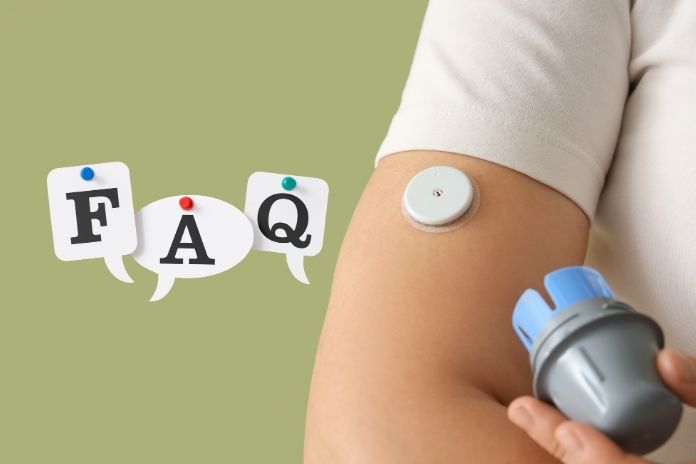
Using a CGM, a genuine glucose monitoring trends device, can offer better insight into your glucose patterns. But it’s essential to know its limitations, use approved devices, and combine data with guidance from your healthcare provider.

References
- Professional, C. C. M. (2025, July 22). Continuous glucose monitoring (CGM). Cleveland Clinic.
- Continuous Glucose Monitoring. (2025, August 12). National Institute of Diabetes and Digestive and Kidney Diseases.
- Vetter, C. (2025, November 5). Continuous glucose monitors: How they work & how to get one.
- Diabetes Devices & Technology | ADA. (n.d.).
- Fernández, C. R. (2022, October 7). Needle-free diabetes care: 7 devices that painlessly monitor blood sugar. Labiotech.eu.
- Ginty, J. (2020, September 17). Glucose Sensors: What they are & How they work. AgaMatrix.
- Blood glucose meter: How to choose. (n.d.). Mayo Clinic.
- Diabetes Devices & Technology | ADA. (n.d.-b).
- Helmholtz Munich. (2025, February 24). A future Without Needles: Optical glucose monitoring for diabetes. Helmholtz Munich.
- Jin, X., Sun, Q., Yue, C., Han, J., Zhou, X., Guan, Q., & Zhang, X. (2023). A clinical observation study on the effect of needle-free insulin syringe on blood glucose control and well-being index in patients with early-onset type 2 diabetes mellitus. Frontiers in Endocrinology, 14, 1137179.
- Technology that allows for needle-free glucose monitoring – University of Auckland. (2021, November 9).
- Professional, C. C. M. (2025b, July 22). Continuous Glucose Monitoring (CGM). Cleveland Clinic.
- Center for Devices and Radiological Health. (2024, February 21). Do not use smartwatches or smart rings to measure blood glucose levels: FDA Safety Communication. U.S. Food And Drug Administration.
- International Diabetes Federation. (2025, July 25). Continuous Glucose Monitoring (CGM) | International Diabetes Federation.
- Dierks, M. H. (2020, April 30). Choosing the best glucose meter for your needs [Complete guide]. AgaMatrix.
- Center for Devices and Radiological Health. (2024b, November 14). Blood glucose monitoring devices. U.S. Food And Drug Administration.
- Mondal, H., Biri, S. K., Pipil, N., & Mondal, S. (2024). Accuracy of a Non-Invasive Home Glucose Monitor for measurement of blood glucose. Indian Journal of Endocrinology and Metabolism, 28(1), 60–64.
- Healthdirect Australia. (n.d.). Devices to self-monitor your blood sugar.
In this Article