














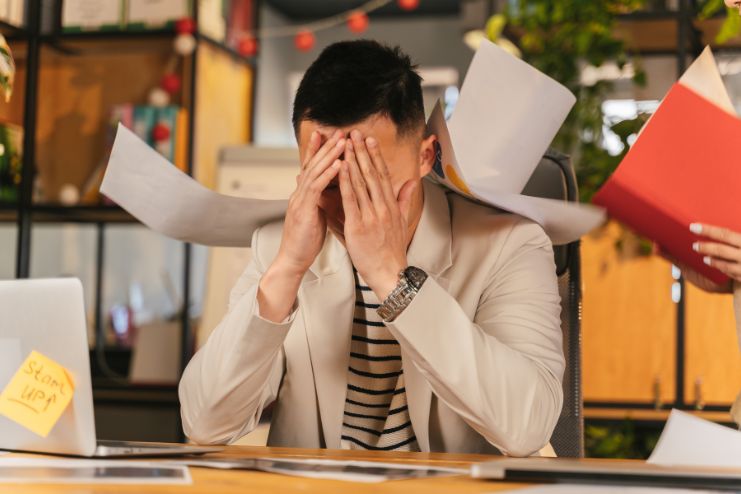
Everybody gets stressed out. For some of us, it happens every day. You may feel overwhelmed by the demands of your job, caring for your family, and a long list of daily chores.
These daily stressors can affect not only emotional and mental well-being but also your physical health. Stress can even exacerbate pain.
Long-term, untreated stress is associated with significant health issues like depression, heart disease, obesity, and a compromised immune system, even though some stress can be healthy, such as the kind that inspires you to study for an exam or do well in a sporting event.
Take steps to lessen the stress in your life if you are experiencing chronic pain. A key component of the pain management strategy is stress reduction.
“When your body recognizes that you are stressed, it releases hormones to help you get through the situation, but in the modern world, those hormones aren’t always helpful,” says Eric C. Alcera, M.D., a behavioral health specialist at Hackensack Meridian Health.
Read More: This One Nighttime Habit Changed My Sleep and My Stress
Ways to Relieve Stress Naturally
11. Learn to Meditate
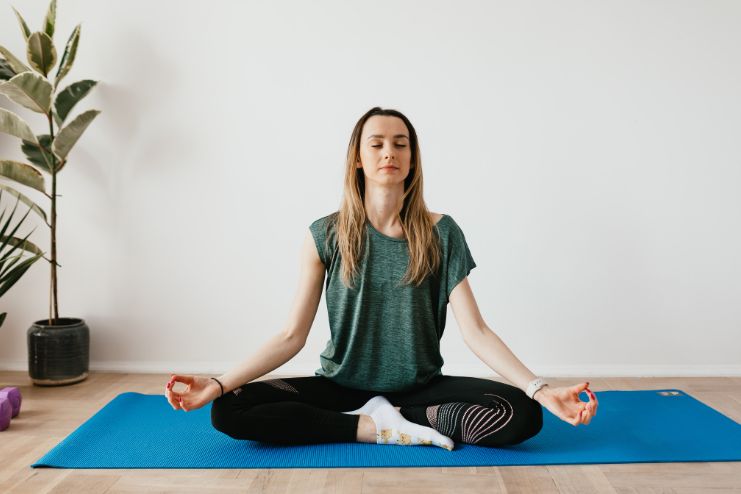
Practicing meditation helps to quiet the mind and also brings a sense of peace. When you meditate, you are not reacting to your thoughts; instead, you are merely noticing them.
Close your eyes and find a comfortable seated position to begin. After taking a few long, deep breaths, return to a regular, even breathing pattern.
Maintain your attention on the inhalation and exhalation of your breath, and if your mind wanders, bring it back to that focus.
Meditating for just one minute can make a significant difference. If you’re interested in exploring different types of meditation, including guided meditation, there are several free apps available that allow you to experiment with various techniques.
22. Practice Positive Self-Talk

Another helpful way to relax is by positively speaking to yourself. It is also called positive thinking. At this stage of relaxation, condition yourself to either stop negative self-talk or replace it with neutral or positive thoughts and words.
If a friend decides to cancel plans with you, for instance, you shouldn’t consider this to be a negative experience. Try to think of other enjoyable things that you could do with the time that you have available.
A further component of positive self-talk is the avoidance of self-limiting statements, such as “I am unable to accomplish this.” Instead of making these statements, transform them into positive questions, such as “How can I handle this?”
33. Listen to Music

When it comes to finding relief from your stress, one of the quickest and easiest ways is to listen to music. Singing along with your new favorite song can help quickly develop a more positive mood and assist in releasing pent-up tension.
Listening to music while wearing headphones is an effective way to alleviate stress in a short amount of time, especially in public settings.
It is especially true of classical music, which has a calming effect and can help your mind prepare for a restful night’s sleep. Music, whether upbeat or soothing, can naturally help you relax and improve your mood.
Read More: 6 Unconventional Stress-Relief Techniques You Haven’t Tried Yet
44. Work Out

Exercise is a great way to relieve stress because it causes the release of endorphins, which are the chemicals in the brain that make you feel good, and it also helps you let off steam.
Engaging in rhythmic activities like walking or jogging can ease stress and sharpen your focus. Taking time for a walk or run during tense moments often clears your mind, helping you return to challenges with a renewed outlook.
55. Get Adequate Sleep
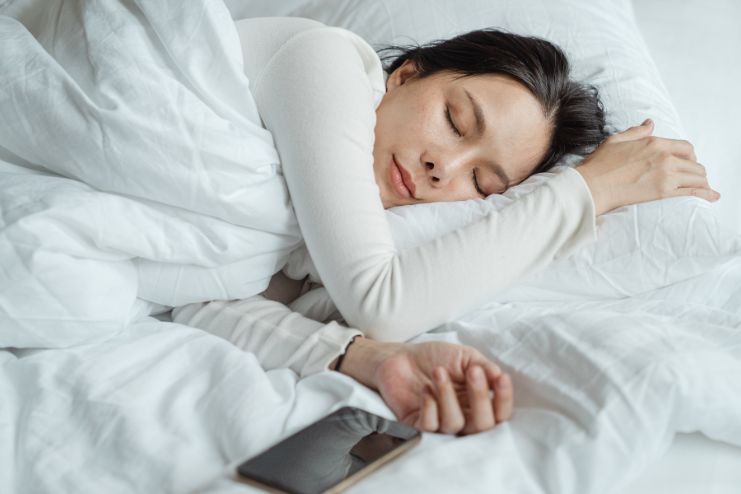
Quality sleep plays a powerful role in easing stress and discomfort. Resting well helps you wake up refreshed, sets a positive tone for the day, and gives you the mental clarity needed to handle daily responsibilities with more ease.
Getting an insufficient amount of sleep, on the other hand, can cause you to experience feelings of irritability, depression, and fatigue.
Lack of sleep can become a source of stress in itself. Establishing daily routines is essential to help signal to your brain that it is time to go to bed and sleep. It will help you achieve a healthy level of sleep.
66. Engage in a Creative Activity
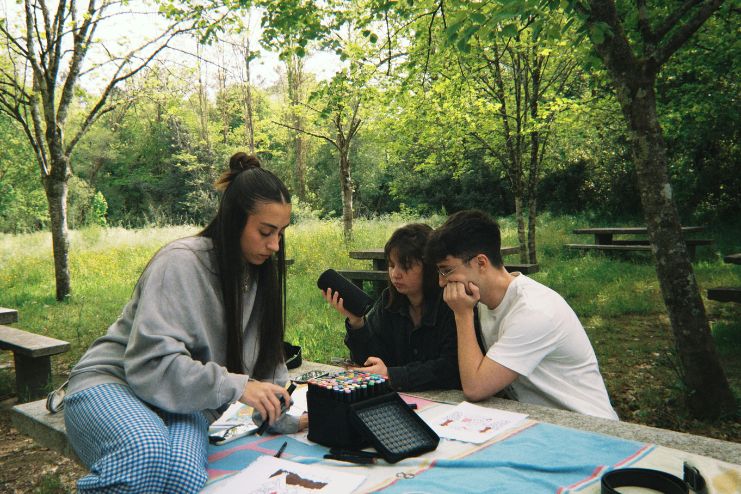
From a purely practical standpoint, engaging in a creative activity is a great way to relieve stress and refocus one’s attention.
Engaging in enjoyable activities, such as cooking, baking, coloring, doodling, or taking photographs, allows the mind to take a break from the stresses of our time.
While some activities, like cooking and baking, may provide relaxation and enjoyment, it can also offer a degree of physical activity and concentration, as seen in tasks like kneading bread and the rolling dough, which can help alleviate stress.
Focus and mindfulness are natural stress relievers and aids to relaxation in creative activities.
Creative expression can help provide a distraction from negative thought processes, but it can also improve your mood, making it a productive and pleasurable relaxation choice.
Read More: How Chronic Stress Shrinks Your Brain (and What to Do About It)
77. Practice Mindfulness
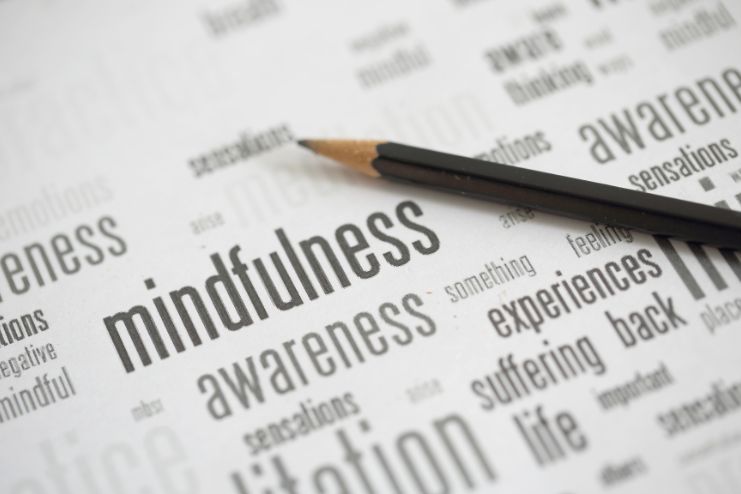
Mindfulness is one of the most powerful ways to manage stress. It involves focusing your awareness on what is happening in the present moment.
It is your awareness of your thoughts, feelings, and sensations that helps allow you to be more at ease and grounded. You can practice mindfulness in everyday activities.
For example, you could consider the smell, taste, and texture of your breakfast, or think about the movements involved in brushing your teeth. Even if you only spend two minutes per day practicing mindful awareness, you can improve your emotional well-being, reduce stress, and create clarity.
88. Count in Reverse Order

When you feel your mind becoming overwhelmed by stress, a simple yet effective method to calm your mind is to count backward.
Focus only on the numbers as you slowly count from one to ten, then gradually back down to zero. By refocusing your attention on the task at hand, this mental exercise will help you relax and regain control of the situation.
Read More: 5 Signs Your Teen Is Stressed and How to Avoid Them
9Conclusion
All of us face stress – this is a natural part of life. The good news is that we can often manage stress, even when we feel like we can’t. Usually, the most significant effect on our happiness and health is not what stress is happening in our lives, but how we react to it. There are ways to maintain balance and calm by simply tweaking our behaviors and habits every day.
You do not have to make significant changes to establish better habits. Even starting with just one or two small positive steps is enough. The small changes will add up, resulting in reduced stress from exterior stressors and an increase in overall sense of control.
The most critical piece is consistency; the more you manage stress, the more resilient and strong you will feel. Stress is always present, but if you enter the world of stress with the proper steps, you can find ways to manage it and protect your overall health and well-being.
-
Mar 2017Written by Prdeepa Polineni
-
Sep 2025Edited by Ankita
10References
- https://www.colorado.edu/law/25-quick-ways-reduce-stress
- https://www.virtua.org/articles/10-quick-ways-to-de-stress
- https://www.cdc.gov/mental-health/living-with/index.html
- https://health.clevelandclinic.org/how-to-relieve-stress
- https://kidshealth.org/en/teens/stress-tips.html
- https://www.hackensackmeridianhealth.org/en/healthu/2022/03/30/doctor-shares-5-surprising-things-that-stress-does-to-your-body
- https://www.mayoclinic.org/healthy-lifestyle/stress-management/in-depth/stress/art-20046037
- https://www.linkedin.com/in/eric-c-alcera-md/