
















Unpredictable bowel habits, gas, bloating, and abdominal pain are all annoying symptoms that many individuals deal with regularly. These may indicate small intestinal bacterial overgrowth (SIBO) in certain situations, although they are frequently associated with irritable bowel syndrome (IBS), a common functional bowel disorder.
The IBS vs. SIBO symptoms often overlap, making it challenging to determine which ailment is to blame.
While not everyone with IBS has SIBO, some people may benefit from further testing, such as a methane or hydrogen breath test for SIBO. This article covers the differences between IBS and SIBO, SIBO symptoms, the SIBO breath test checklist, and when to test for SIBO.
- IBS and SIBO share symptoms like bloating, gas, and irregular bowel habits, making diagnosis tricky.
- SIBO involves bacterial overgrowth, while IBS is linked to gut-brain signaling issues.
- Breath testing helps but isn’t definitive, so always combine results with clinical evaluation.
Read More: SIBO vs. IBS: Understanding the Differences and How to Manage Them
IBS vs SIBO: Why They’re Often Confused
Understanding the difference between IBS and SIBO starts with recognizing why they’re so often confused.
Although SIBO and IBS might have similar symptoms, they have separate causes and require different treatments.
SIBO occurs when bacteria accumulate in the small intestine and ferment food too early in the digestive process. Excess gas, bloating, and pain result from this.
IBS is a very separate matter. It is a disease of the gut-brain connection, meaning that the nervous system significantly influences your gut’s processing and response to sensations. The gut becomes hypersensitive when IBS is present. It can be difficult to digest food normally. The brain and gut amplify and exchange signals.
Many of the symptoms of SIBO and IBS are similar. These include appetite loss, abdominal cramping or soreness, abdominal bloating, nausea, excessive gas production, and intermittent episodes of diarrhea and constipation.
Despite maintaining a balanced diet, people with SIBO may also be deficient in some vitamins. Vitamin B12 deficiency is prevalent. SIBO and IBS can both be mild, with few symptoms, or severe enough to interfere with day-to-day activity.
Diagnosis is difficult since SIBO and IBS symptoms overlap. Indeed, some people who have been diagnosed with IBS may really have an excess of bacteria in their small intestine.
Common Symptoms Seen in Both Conditions

SIBO and IBS have many symptoms, which lead to frequent misdiagnosis. Among them are:
- Bloating
- Cramps or pain in the abdomen
- Too much gas
- Constipation or diarrhea
- Food sensitivity
Merely experiencing these symptoms does not prove either ailment, as they are so prevalent. This is why understanding the signs of SIBO misdiagnosed as IBS becomes important.
Symptoms That May Suggest SIBO
An overgrowth of bacteria in the small intestine causes SIBO by fermenting carbohydrates before the body can absorb them. The main cause of patient discomfort is the extra gas produced by this process. Typical clinical manifestations include the following:
- Appetite loss
- Stomach discomfort
- Nausea
- Bloating
- An unpleasant sense of fullness following a meal
- Diarrhea
- Inadvertent weight loss
- Malnourishment
“Although uncommon to most people, SIBO is one of the more common conditions GI specialists think about when patients have bloating and changes in their bowel habits,” says Jill Deutsch, MD, a Yale Medicine gastroenterologist. “SIBO can cause diarrhea, and some types of bacterial overgrowth can lead to constipation. Less commonly, individuals have abdominal pain or discomfort as well.”
Read More: Hidden Causes of Belly Inflammation That Have Nothing to Do With Food
What Is a SIBO Breath Test?
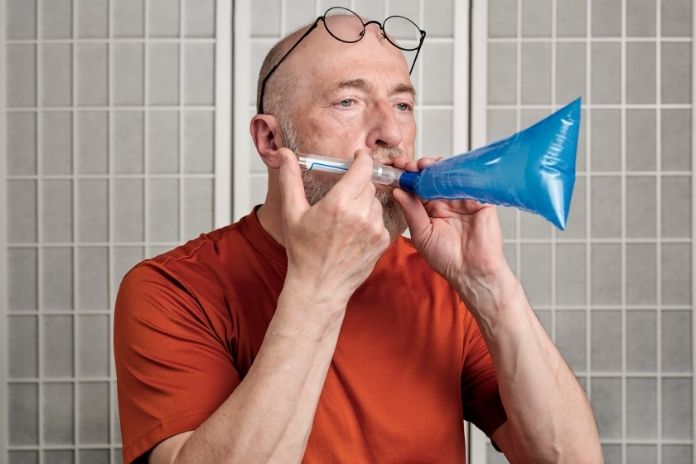
The hydrogen breath test can assist in identifying intestinal tract disorders, including Small Intestinal Bacterial Overgrowth (SIBO). During digestion, your body releases hydrogen and/or methane gas, which can cause bloating, abdominal pain, and, occasionally, constipation or diarrhea.
After the intestines absorb the gases, the circulation carries them to the lungs. These gases are released when you exhale. We can identify certain illnesses and initiate appropriate treatment by analyzing the gases in your exhaled breath.
Clinicians commonly use lactulose or glucose as a substrate in SIBO breath testing. Breath samples are collected every 15 to 20 minutes for several hours after the patient consumes a small amount of test sugar.
Methane and hydrogen levels, which show bacterial fermentation in the small intestine, are measured in the samples. The findings aid in identifying hydrogen-predominant, methane-predominant, or mixed gas patterns as well as whether SIBO is present.
The Breath Test Checklist to Discuss With Your Doctor
This section serves as a useful SIBO breath test checklist to direct your conversation if you’re questioning, “Do I need a SIBO breath test?” “Are These Circumstances Present Before Testing?” Test patients who have risk factors or persistent gastrointestinal problems.
Typical signs consist of the following:
- Persistent gas, bloating, and stomach pain
- Constipation or diarrhea for no apparent reason
- Symptoms of irritable bowel syndrome
- Nutritional deficits or unexplained weight loss
- History of intestinal illness or abdominal surgery
- Intolerance to certain foods, particularly fiber or sweets
- Conditions such as diabetes and scleroderma can cause motility issues
Clinicians can also perform testing to assess recurrence or track therapy response.
Read More: How a Single Night of Poor Sleep Can Triple Your IBS Pain the Next Day
How to Prepare for a Breath Test

Accurate results depend on proper preparation before testing.
One Week Before the Test:
- Avoid stool softeners, laxatives, and stool-bulking agents (e.g., Ex-Lax, Colace, Metamucil, MiraLAX).
- Avoid antacids containing magnesium hydroxide or aluminum (e.g., Maalox, Milk of Magnesia, Mylanta, Rolaids).
- Proton pump inhibitors (PPIs), including omeprazole, lansoprazole, dexlansoprazole, esomeprazole, pantoprazole, and rabeprazole, may need to be stopped (follow your clinician’s guidance).
Two Days Before the Test:
- Hold motility medications such as metoclopramide (Reglan) and loperamide (Imodium).
On the Day Before the Procedure:
- Reduce your intake of non-absorbable carbohydrates (sugars and starches) by eating a low-residue diet.
- Steer clear of fruits (including fruit juices), vegetables, sugar, fiber or bran cereals, whole grains, nuts, seeds, beans, milk, ice cream, yogurt, butter, and alcoholic drinks.
- Steamed white rice, white bread, baked or broiled fish, poultry, or meat seasoned only with salt and pepper, eggs, hard cheeses, and clear beef or chicken broth (not bone broth or bouillon) are the only foods included in a normal prep diet. Drink tea, plain coffee, or water.
On the Day of the Procedure:
- Before your breath test, avoid eating or drinking anything but water for 12 hours.
- On the morning of the test, you can take your prescribed drugs with a drink of water.
- On the morning of the test, you may clean your teeth.
- A minimum of one hour before or during the breath test, no smoking, including secondhand smoke, is permitted.
- For at least one hour before or throughout the breath test, avoid sleeping or strenuous exertion.
Interpreting Breath Test Results
Reading gas levels is only one aspect of interpreting SIBO breath test findings. Accurate diagnosis is influenced by timing, magnitude, and gas mixtures. Understanding these characteristics clearly helps distinguish between different types of overgrowth and guide treatment strategy.
Hydrogen Patterns:
Trends in hydrogen frequently indicate classic SIBO:
- A proximal small intestine overgrowth is suggested by an early rise (≥20 ppm by 90 minutes).
- Late rise: Could be a sign of fast gastrointestinal transit or distal overgrowth.
Methane Patterns:
Clinicians need a distinct threshold and interpretation method for methane:
- A CH₄ level of ≥ 10 ppm at any time indicates intestinal methanogen overgrowth (IMO).
- Even in the absence of a post-substrate rise, single fasting methane ≥10 ppm (SMM) is diagnostic for IMO.
Hydrogen sulfide (H₂S):
H₂S necessitates focused testing and poses diagnostic challenges:
- Connected to a sulfuric smell and loose stools.
- Consider H₂S overproduction if symptoms continue despite low H₂ and CH₄.
Mixed Overgrowth:
Elevated levels of both hydrogen and methane suggest coexisting SIBO and IMO, which may warrant more comprehensive or combination antimicrobial approaches.
High Baseline and Flat-Line Curves:
Nonstandard curves could indicate problems with sampling or preparation:
- Flat-line: May indicate inadequate preparation or the suppression of other gases by H₂S.
- High baseline H₂: Frequently brought on by delayed transit time, oral flora contamination, or incomplete fasting.
Read More: Is Your Bloating Really Celiac Disease? The 3 Tests to Take Before Ditching Gluten
Limitations of Breath Testing
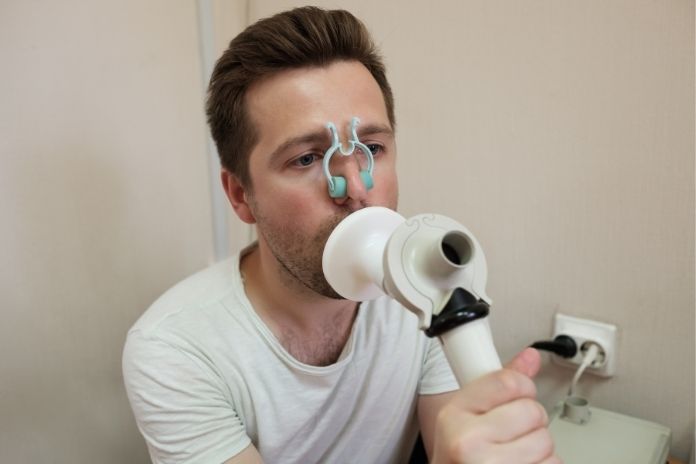
Breath testing is helpful, but it has drawbacks.
- Rapid intestinal transit causes false positives
- If the bacteria produce no detectable gases, this is a false negative
- Absence of uniform procedures
- Overlap with additional gastrointestinal symptoms
For this reason, an SIBO breath test checklist should never replace clinical judgment.
Other Conditions That Can Mimic IBS or SIBO
Several illnesses can mimic both SIBO and IBS, which complicates diagnosis. Among them are:
- Lactose intolerance is one of the examples of a food intolerance
- Celiac disease
- Bowel inflammation
- Sensitivity to specific types of carbs
Fermentation and gastrointestinal distress further complicate the difference between IBS and SIBO.
When Testing May Not Be Necessary

A breathalyzer test is not necessary for everyone. Testing might not be necessary if:
- The symptoms are sporadic or mild
- Dietary triggers are clearly defined
- Lifestyle changes alleviate symptoms
- There aren’t any important risk factors
Read More: Why Your Stomach Hurts on the Right Side—and When It’s Serious
Questions to Ask Your Healthcare Professional
If you’re unsure, “Do I need a SIBO breath test?” Asking the right questions can help clarify your next steps. Think about asking:
- Is a breath test appropriate for my symptoms?
- Which test type, hydrogen or methane, does the doctor recommend?
- How will results guide treatment?
- Should other conditions be ruled out first?
These inquiries ensure a customized, fact-based strategy.
Read More: Side Effects of Juice Cleanses for Gut Health: What Really Happens to Your Digestive System
Conclusion
IBS vs. SIBO symptoms, such as bloating, gas, and irregular bowel movements, strongly overlap, making it difficult to distinguish between the two conditions. SIBO is a bacterial overgrowth that may need specific assessment, whereas IBS is a functional issue.
When symptoms persist despite the dietary and lifestyle modifications, a SIBO breath test checklist can help you determine when testing is worth discussing. Breath testing should always be interpreted in conjunction with clinical history and expert advice, though, as it is not a stand-alone diagnostic technique.
References
- QuinTron Instrument Company, Inc. SIBO vs. IBS: Important symptoms to know.
- Alex Naoumidis. (February 27, 2026). Do I have SIBO or IBS? What you need to know.
- Carrie Macmillan. (August 14, 2024). IBS, SIBO (Small Intestinal Bacterial Overgrowth), or Both? 3 Things to Know.
- Ucla Health. (May 2, 2022). SIBO similar to IBS, but in small intestine.
- Mayo Clinic. (November 11, 2024). Small intestinal bacterial overgrowth (SIBO) – Symptoms and causes.
- Houston Research Institute. SIBO breath testing.
- Yale New Haven Health. Hydrogen breath test.
- Bonheur, M. D. SIBO breath testing instructions.
- Warwick Bowel and Hernia Centre. (2025, November 25). Conditions that mimic IBD.
- GI Urgent Care of Florida. Breath test for SIBO.
In this Article