



















You notice it suddenly. A sharp twinge or a dull ache on the right side of your abdomen. At first, you shrug it off. Maybe it’s gas. Maybe something you ate. But then the questions start creeping in. What if it’s your appendix? Your gallbladder? Something serious you’re missing?
Right-side abdominal pain gets under your skin for a reason. Several critical organs sit there, and some of them don’t give many warnings before trouble escalates. Still, the answer isn’t panic or worst-case thinking. It’s pattern recognition.
Where exactly is the pain? Is it high under the ribs or low near the pelvis? Did it come on suddenly or build over time? Is it easing, staying the same, or getting worse? And just as important, what else is your body doing? Fever, nausea, appetite loss, bowel changes, dizziness, or pain that moves all change the meaning of that ache.
Location, timing, and associated symptoms tell the real story. Many causes of right-sided abdominal pain are mild, temporary, and digestive in nature. Others demand urgent medical attention and shouldn’t be left out. The difference isn’t guesswork. It’s understanding how the pain behaves.
Let’s break it down clearly so you know when to monitor, when to act, and when to stop second-guessing your body and get checked.
Why Location Matters With Right-Side Abdominal Pain
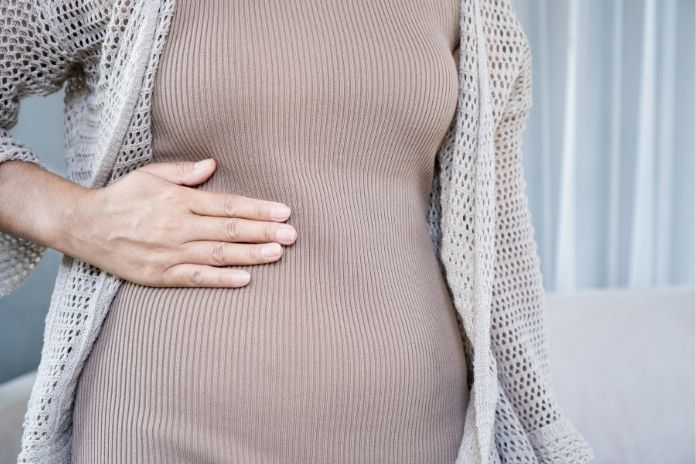
When people say stomach pain, they usually mean abdominal pain. The stomach itself sits higher and slightly to the left. So when pain shows up on the right side, it usually points to other organs.
The right side of the abdomen houses the liver, gallbladder, appendix, right kidney, and parts of the small and large intestines. In women, it also includes the right ovary and fallopian tube. In men, structures related to the inguinal canal can contribute. Each of these areas creates a distinct pain pattern, which is why location matters so much.
Pain under the right ribs often stems from the gallbladder or liver. Lower right-sided pain raises concern for appendicitis, bowel inflammation, or gynecologic causes. This split between upper and lower pain helps clinicians narrow the cause fast.
What this really means is that pain location is not a small detail. As the American College of Radiology emphasizes, the location of abdominal pain is one of the most important early diagnostic clues. It shapes what doctors test for and how urgently they act.
Common Causes of Right-Side Abdominal Pain, Explained by Location
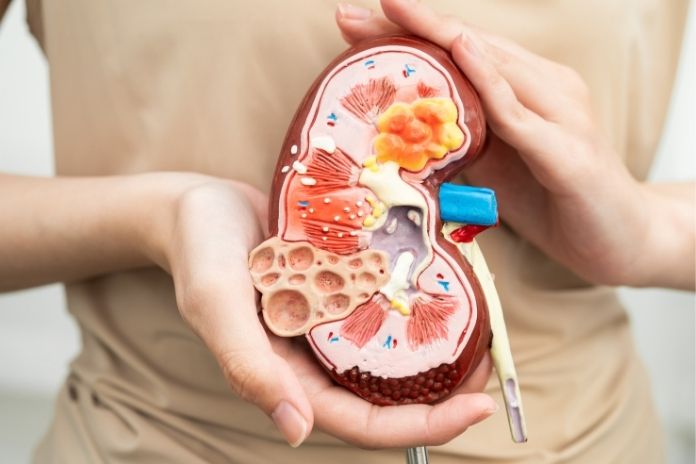
Right-sided abdominal pain isn’t random. Where the pain sits, how it behaves, and what symptoms come with it tell doctors a lot before any tests are ordered. Let’s break it down by region.
Right Upper Abdomen (Below the Ribs)
The gallbladder’s job is to store bile and release it when you eat fat. Trouble starts when gallstones block that flow. When this happens, pain often comes on suddenly and can feel intense and unrelenting.
According to the National Institute of Diabetes and Digestive and Kidney Diseases, gallstones affect up to 15 percent of adults in the U.S., though many never develop symptoms. When symptoms do appear, the pattern is fairly classic: steady pain in the right upper abdomen that often begins after a heavy or fatty meal, sometimes spreading to the right shoulder or upper back. Nausea and vomiting are common companions.
If the gallbladder becomes inflamed, a condition called cholecystitis, the pain usually lasts longer than six hours and may be accompanied by fever or chills. That’s no longer something to wait out.
An overview from the Cleveland Clinic explains that pain in the right upper abdomen after eating, especially when accompanied by nausea, vomiting, or fever, often points to gallbladder issues such as biliary colic or cholecystitis. Persistent or worsening pain with these symptoms typically needs prompt evaluation, because inflammation of the gallbladder can progress and require urgent treatment.
Liver-Related Causes
The liver itself doesn’t usually cause sharp pain. Instead, discomfort comes from stretching of its outer capsule. Conditions like hepatitis, fatty liver disease, or liver congestion related to heart failure tend to produce a dull, pressure-like sensation under the right ribs rather than stabbing pain.
People may describe a feeling of fullness or heaviness, sometimes paired with fatigue. In more advanced cases, symptoms such as dark urine or yellowing of the skin and eyes can appear. The Mayo Clinic notes that acute hepatitis often presents this way.
Sudden, severe liver pain is uncommon and usually linked to trauma or rare vascular problems rather than routine liver disease.
Right Lower Abdomen
Appendicitis is one of the most serious causes of right lower abdominal pain, and it has a very recognizable progression. Pain often starts vaguely around the belly button and then shifts to the lower right abdomen within 12 to 24 hours. Once it localizes, it becomes sharper and worsens with movement, coughing, or even walking.
Acute appendicitis is consistently described as the most common reason for emergency abdominal surgery in the United States and worldwide. Red flags include worsening pain over hours, fever, nausea, vomiting, loss of appetite, and significant tenderness when pressure is applied and released.
A large observational study published in JAMA Surgery involving David R. Flum and colleagues discusses how delays in diagnosis and treatment of appendicitis are associated with an increased risk of perforation and its complications, including life-threatening infection.
The traditional understanding in appendicitis research is that delaying care from symptom onset increases the chances of rupture and worse outcomes. If appendicitis is even a possibility, emergency care is necessary. This is not a wait-and-see situation.
Intestinal Causes
Not all lower abdominal pain is surgical. Gas, constipation, and bowel spasms can create crampy discomfort that comes and goes. Irritable bowel syndrome often causes pain that improves after a bowel movement and fluctuates with stress, diet, or hormonal changes.
The American College of Gastroenterology estimates that IBS affects roughly 10 to 15 percent of adults. While it doesn’t cause structural damage, it can significantly disrupt daily life.
A key difference is consistency and severity. Bowel-related pain tends to be variable, less intense, and rarely worsens steadily over hours, the way appendicitis does.
Pain That Radiates to the Back or Groin
The right kidney sits toward the back of the abdomen, so kidney-related pain often feels different from digestive pain. Kidney stones typically cause sharp, severe, wave-like pain that starts in the back or side and radiates toward the lower abdomen or groin. The pain comes in intense bursts and can be difficult to stay still through.
According to the National Kidney Foundation, stones cause pain when they block urine flow. Urinary symptoms such as burning during urination, blood in the urine, or a frequent urge to urinate often help distinguish kidney pain from gastrointestinal causes.
If flank pain is accompanied by fever, chills, or general illness, a kidney infection is a concern. That requires immediate treatment, as infections can spread quickly if ignored.
Right-Side Abdominal Pain in Women
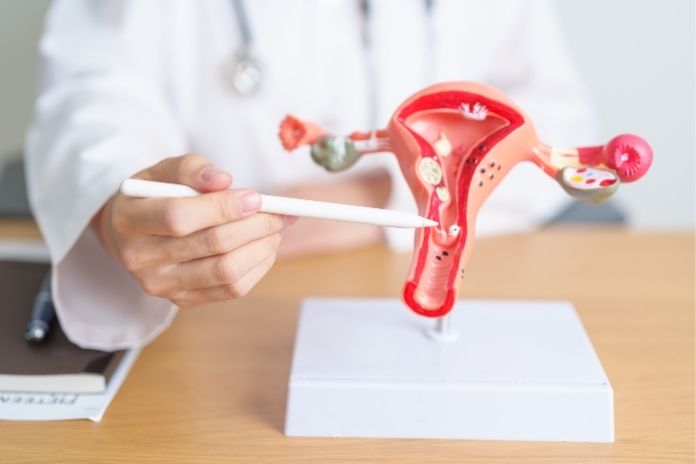
Some causes of right-sided abdominal pain are specific to female anatomy, and the timing of symptoms often matters as much as the location.
Ovarian Cysts
Functional ovarian cysts are common during the reproductive years and often go unnoticed. When they do cause symptoms, the pain is usually one-sided and low in the abdomen, sometimes described as pressure rather than sharp pain. Discomfort during intercourse or certain movements can also occur.
Most cysts resolve on their own, but sudden, severe pain is different. The American College of Obstetricians and Gynecologists warns that abrupt, intense pain may signal a ruptured cyst or ovarian torsion. Both reduce blood flow to the ovary and require urgent evaluation.
Ovulation Pain (Mittelschmerz)
Some women experience mild, brief pain during ovulation, typically mid-cycle. This pain is one-sided, short-lived, and not associated with fever, vomiting, or progressive worsening. It may last a few hours or up to a day and then resolve on its own.
What matters here is predictability. If the pain appears around the same point each cycle and fades quickly, it’s usually benign. Pain that escalates or breaks the pattern deserves closer attention.
Endometriosis
Endometriosis can cause chronic lower abdominal or pelvic pain that often worsens during menstruation. The pain may be dull, aching, or sharp and can persist beyond the menstrual period.
According to the National Institutes of Health, endometriosis affects roughly 10 percent of reproductive-age women. Unlike ovulation pain, this discomfort is recurrent, progressive, and often linked with painful periods, bowel symptoms, or pain during intercourse.
Ectopic Pregnancy (Medical Emergency)
An ectopic pregnancy occurs when a fertilized egg implants outside the uterus, most commonly in a fallopian tube. This can cause sharp, one-sided lower abdominal pain, vaginal bleeding, and symptoms such as dizziness or fainting.
The Centers for Disease Control and Prevention emphasizes that ectopic pregnancy is a medical emergency. Tubal rupture can lead to severe internal bleeding, so immediate medical care is critical if pregnancy is possible and symptoms are present.
Read More: What Endometriosis Pain Feels Like (And Why It’s Often Misdiagnosed)
Right-Side Abdominal Pain in Men
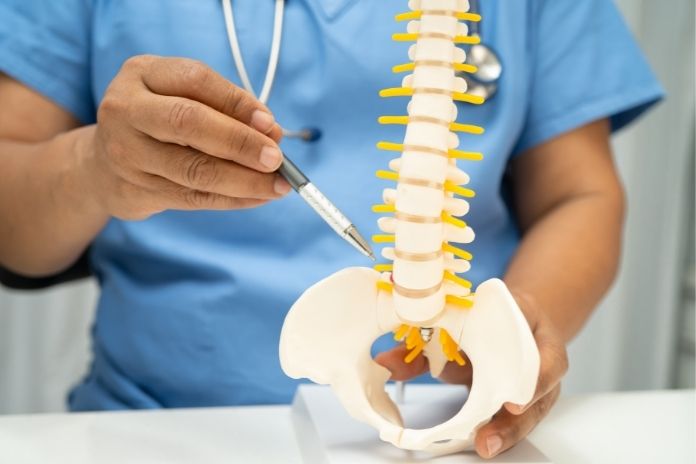
Men can experience right-sided abdominal pain from causes that involve the abdominal wall, groin, or reproductive structures.
Inguinal Hernia
An inguinal hernia develops when tissue pushes through a weak area of the abdominal wall, often into the groin. Pain is usually described as aching or pressure rather than sharp, and it often worsens with lifting, coughing, or prolonged standing. A visible or palpable groin bulge may be present.
If the hernia becomes trapped, pain turns severe and constant, sometimes with nausea. That situation is urgent and requires prompt surgical evaluation.
Testicular Conditions
Testicular torsion or infection can cause pain that starts in the scrotum and radiates upward into the lower abdomen. Sudden testicular pain accompanied by nausea or vomiting is especially concerning.
This type of pain is often misattributed to the abdomen at first, but it represents a true emergency because delayed treatment can permanently damage the testicle.
Musculoskeletal Strain
Not all abdominal pain comes from internal organs. Strain of the abdominal wall from exercise, heavy lifting, or sudden twisting can produce localized pain that worsens with movement, coughing, or engaging the core muscles.
This pain is usually reproducible with motion and lacks systemic symptoms like fever, nausea, or appetite loss, which helps distinguish it from internal causes.
Read More: Hiatal Hernia: Symptoms, Causes, Treatment Options, and When to See a Doctor
Digestive Causes That Can Mimic Organ Pain
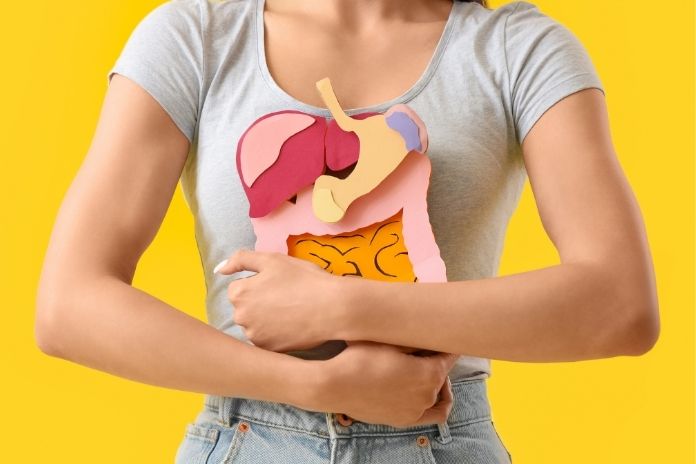
Not all right-sided abdominal pain comes from an organ problem. Digestive issues can create pain that feels surprisingly intense and sharply localized. The ascending colon runs up the right side of the abdomen, making it a common site for gas to become trapped.
When that happens, the discomfort can feel sharp, tight, or pressure-like, sometimes severe enough to cause alarm. One of the most useful clues is what happens next. If the pain eases after passing gas or having a bowel movement, the source is usually gastrointestinal rather than organ-related.
As Hazel Marie Galon Veloso, a gastroenterologist at Johns Hopkins Medicine, explains: “Intestinal gas and its discomfort can be surprisingly intense and is likely to resolve on its own; burping or passing gas usually eases the physical discomfort.” That pattern of relief is often what helps clinicians separate digestive pain from conditions involving the gallbladder, liver, or appendix.
Food intolerances can create a similar picture. Lactose intolerance or sensitivity to certain foods may cause bloating and cramping that feels one-sided on a given day, depending on where gas accumulates in the colon.
Acid reflux is typically felt in the center of the chest or upper abdomen, but atypical reflux can cause upper abdominal discomfort that shifts to the right. This is more likely when pain is tied to meals, lying down, or a burning sensation rather than tenderness when the area is pressed.
The takeaway is simple. Digestive pain can feel dramatic and localized, but patterns of relief and triggers often tell a very different story than true organ-based disease.
When Right-Side Abdominal Pain Is More Likely Benign
Right-sided abdominal pain is often less concerning when it is short-lived and self-limiting. Pain that lasts minutes to a few hours, improves with rest or position changes, or resolves after passing stool or gas is commonly digestive or muscular.
Equally important is what’s missing. Pain without fever, vomiting, appetite loss, or progressive worsening is far less likely to represent a dangerous condition. Short-lived discomfort without systemic symptoms usually isn’t urgent.
That said, pain that keeps returning or slowly intensifies over days deserves evaluation, even if it starts mild.
Red Flags That Require Immediate Medical Attention
Some symptoms shift abdominal pain from watchful waiting to urgent care. Severe or rapidly worsening pain is one of the most important warning signs. Fever over 100.4°F, persistent vomiting, yellowing of the skin or eyes, dark urine, fainting, or significant dizziness all raise concern for infection, inflammation, or obstruction.
Sharp lower abdominal pain paired with a positive pregnancy test is an emergency until proven otherwise.
The Mayo Clinic emphasizes that abdominal pain accompanied by systemic symptoms often signals conditions that need prompt treatment, not home management.
How Doctors Evaluate Right-Side Abdominal Pain
Evaluation starts with context, not machines. A detailed history and physical exam guide everything that follows.
Doctors focus on when the pain started, whether it moved, what worsens or relieves it, and whether there are bowel, urinary, or menstrual changes. Pressing on specific areas helps identify tenderness, guarding, or rebound pain, which can signal inflammation.
Blood tests are often used to detect infections, liver inflammation, kidney dysfunction, or pregnancy when relevant. These results help narrow the list before ordering imaging.
Imaging is chosen carefully based on pain location and suspected cause. Ultrasound is commonly used for gallbladder and gynecologic issues. CT scans are preferred when appendicitis or kidney stones are suspected. MRI is used selectively when radiation needs to be avoided.
The American College of Radiology provides evidence-based imaging guidelines so clinicians can reach an accurate diagnosis without unnecessary radiation exposure.
What You Can Do While Monitoring Symptoms

If the pain is mild and none of the warning signs are present, the goal is observe without denial. Pay attention to timing, triggers, and intensity. Note whether the pain appears after meals, with movement, or at specific times of day. Staying hydrated helps keep digestion moving, which matters if gas or constipation is contributing.
Stick to light, bland foods and avoid heavy or fatty meals, especially if the discomfort sits in the upper right abdomen. Rest matters more than people think. Reducing physical strain can ease both digestive and muscular pain. Writing these patterns down is useful. Clear notes often help your physician identify likely causes faster than vague descriptions.
What Not to Do
Do not ignore pain that lasts more than 24 to 48 hours, even if it started mildly. Do not dismiss worsening symptoms as just gas or stress. Pain that escalates is trying to tell you something.
Avoid heavy use of painkillers. Masking pain can blur important diagnostic clues and delay treatment for conditions like appendicitis or infection.
Most importantly, do not delay care if fever, repeated vomiting, dizziness, or fainting appear. New systemic symptoms change the situation. When the body adds warning signs, it’s time to stop monitoring and get evaluated.
Read More: Easy-to-Digest Foods for an Upset Stomach: What to Eat (and Avoid) for Faster Relief
The Practical Takeaway
Right-sided abdominal pain isn’t one diagnosis. It’s a signal, and that signal can come from something as ordinary as gas trapped in the colon or as serious as appendicitis, gallbladder inflammation, or a gynecologic emergency. What separates harmless from urgent is not just how bad the pain feels in the moment, but also where it’s located, how long it lasts, how it behaves over time, and what symptoms accompany it.
Brief pain that improves on its own and is not accompanied by fever, vomiting, loss of appetite, or weakness is often benign. Digestive issues and muscle strain commonly behave this way. The body flares, settles, and moves on. The concern rises when pain persists, intensifies, or changes character.
Pain that localizes sharply, worsens with movement, wakes you from sleep, or comes with systemic signs like fever, jaundice, fainting, or repeated vomiting deserves attention. In women, the possibility shifts the threshold entirely. In those cases, waiting is not cautious; it’s risky.
What this really means is that abdominal pain should be read like a story, not a snapshot. Patterns matter more than panic, but progression matters more than reassurance. If something feels off, checking sooner almost always leads to simpler answers and safer outcomes. When in doubt, trust evaluation over endurance. It’s far easier to rule something out early than to treat it late.
REFERENCES:
- American Academy of Family Physicians. (2015). Diagnostic imaging of acute abdominal pain in adults. American Family Physician.
- Apollo 24/7. (n.d.). Groin pain: Causes and treatments.
- Body Function Clinic. (n.d.). Can back pain cause groin pain? Exploring the connection.
- Cedars-Sinai. (n.d.). Sacroiliac joint dysfunction.
- Cleveland Clinic. (n.d.). Biliary colic.
- Cleveland Clinic. (n.d.). Groin pain.
- Cleveland Clinic. (n.d.). Gas and gas pain.
- Dutton, A. (n.d.). Groin pain in men.
- Flum, D. R., et al. (2014). Association of time to appendectomy with risk of perforation in acute appendicitis. JAMA Surgery, 149(8), 837–844.
- Healthdirect Australia. (n.d.). Groin pain or swelling.
- Hinge Health. (n.d.). Lower back pain that radiates to the front pelvic area.
- Johns Hopkins Medicine. (n.d.). How to get rid of gas pain.
- Mandaya Hospital Group. (n.d.). Right-side lower back pain.
- Mather Hospital. (n.d.). A hidden cause of low back pain.
- Mayo Clinic. (n.d.). Abdominal pain: When to see a doctor.
- Mayo Clinic. (n.d.). Groin pain: Causes.
- Mayo Clinic. (n.d.). Hepatitis A: Symptoms and causes.
- National Institute of Diabetes and Digestive and Kidney Diseases. (n.d.). Gallstones.
- National Kidney Foundation. (n.d.). Kidney stone symptoms, treatments, and ways to lower your risk.
- Supreme Hospitals. (n.d.). Why persistent pain in the lower back or groin shouldn’t be ignored.
- University of Alberta. (n.d.). Groin pain.
In this Article