

















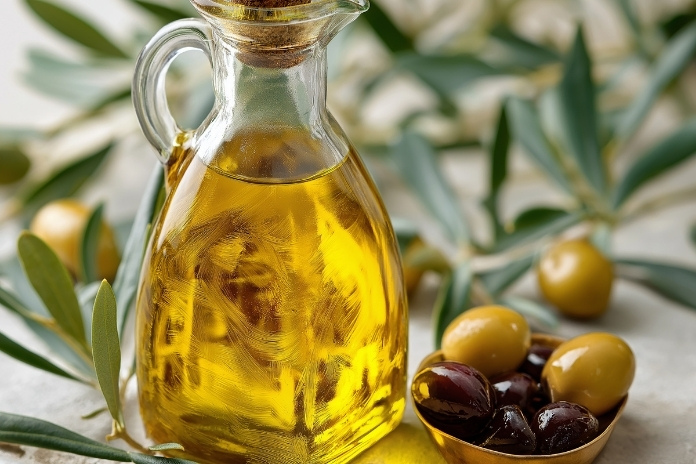
Olive oil has traditionally been viewed as a healthy cooking oil for the heart, but current science now suggests that it can also protect the brain and blood vessels from stroke. In the Mediterranean diet, olive oil is not a supporting or accompanying part of the meal but the main fat component, which is consumed daily and in significant amounts.
Long-term studies in large populations of older individuals have consistently shown that higher consumption of olive oil is associated with a significantly reduced incidence of ischemic stroke, even after adjusting for body weight, physical activity, smoking, and other dietary practices.
In some of these populations, the daily consumption of olive oil has a 41 percent lower risk of stroke compared to those who never used olive oil in their diet (1.5 percent in six years compared to 2.6 percent)
What is unique about olive oil as a fat is not merely its fatty acid composition but its special combination of monounsaturated fatty acids and biologically active compounds that have a direct effect on vascular inflammation, oxidative stress, blood clotting, blood pressure, and cholesterol levels. Extra-virgin olive oil, in particular, helps in this regard.
In this article, we explain how olive oil supports stroke prevention by reducing inflammation, oxidative stress, and clot formation. We will also understand the connection between extra virgin olive oil, cardiovascular health, and brain protection, and how daily use can support long-term vascular health.
Read More: The Best (and Worst) Cooking Oils for Hormonal Balance and Fertility
Why Stroke Prevention Starts in the Kitchen

In effect, a stroke is a problem involving the vessels that channel blood. In the first type of stroke, the most common one, a clot prevents blood from reaching the brain. In the other type of stroke, decades of vessel decay and high blood pressure lead to vessels breaking. In either instance, vessels and their endothelial lining are what cause problems.
What we eat is also very important in these aspects. It defines the “degree of flexibility” of endothelium, the “tendency” of platelets to gather in clumps, the “degree” of oxidative stress in the arteries, and the “underlying” state of persistent “low-grade” inflammation that accelerates atherosclerosis.
Meals high in sugar, processed oils, or fat contribute to vascular inflammation or stiffness, while food items that are high in unsaturated fats or in “whole” items are more favorable.
The Mediterranean diet views food as a preventive instrument, not merely as nourishment. Olive oil is the focal point of this dietary pattern, which protects the heart, the blood vessels, and the brain vessels. Therefore, preventing a stroke, in this case, starts right in your kitchen.
Why Olive Oil Is More Than a “Healthy Fat”
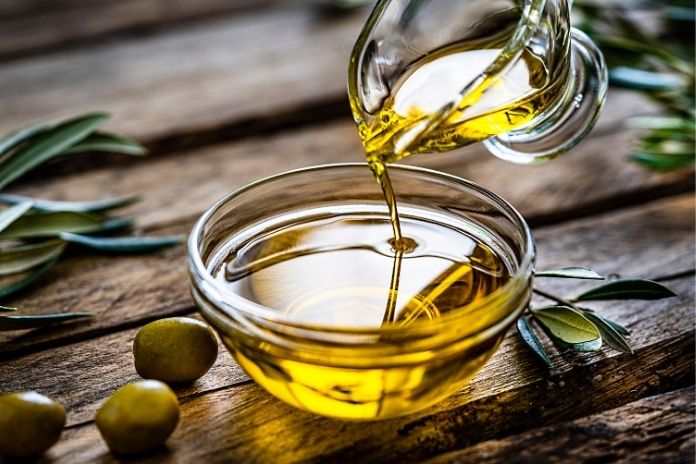
Olive oil tends to get its health halo because it’s rich in monounsaturated fats, especially oleic acid. These fats will enhance lipid metabolism, may increase insulin sensitivity, and provide a protective lining for the blood vessels, which is important in maintaining steady blood flow to the brain.
When you replace saturated fats with these monounsaturates, the arteries are much more flexible, and nitric oxide signaling increases to help your vessels dilate appropriately and adapt to changes in blood pressure.
It’s not just about the fat profile, though. Extra virgin olive oil contributes a significant amount of polyphenols and antioxidants that the refining process often misses or loses. Those are the compounds driving most of olive oil’s anti-inflammatory, antioxidant, and anti-clotting benefits. Molecules such as hydroxytyrosol and oleuropein protect vascular cells from damage, while others like oleocanthal combat inflammation at the molecular level.
In a study on how olive oil slashes the risk of stroke, Dr. Cécilia Samieri, PhD, with the University of Bordeaux and the National Institute of Health and Medical Research (INSERM) in Bordeaux, France, says, “Our research suggests that a new set of dietary recommendations should be issued to prevent stroke in people 65 and older.” She adds, “Stroke is so common in older people, and olive oil would be an inexpensive and easy way to help prevent it.”
A lot depends on the processing method. Refined olive oils may retain the fats but lose many of the polyphenols due to the heat and chemicals involved. Extra virgin olive oil, however, produced through mechanical cold pressing, retains these sensitive compounds that offer significantly better protection against vascular inflammation, oxidative stress, and atherosclerosis, the actual causes of stroke.
The Science-Backed Mechanisms Behind Olive Oil’s Stroke Protection
Inflammation Control at the Cellular Level
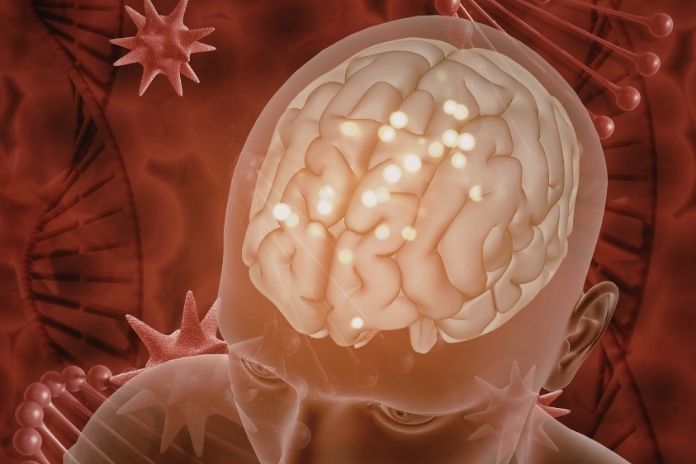
Chronic inflammation quietly affects blood vessels over decades, thinning and weakening arterial walls and making plaques more vulnerable to rupture and clotting. A standout feature of extra virgin olive oil is oleocanthal, a natural compound that blocks the inflammatory enzymes driving vascular damage. Its action is similar to certain anti-inflammatory drugs, but is gentler and provided by food. Thus, it is more suitable for long-term use.
By calming inflammatory activity inside blood vessels, olive oil reduces vascular inflammation and helps the vessel lining function more smoothly. This more stable environment lowers the chance of plaque breaking apart and forming sudden clots, two key triggers of ischemic stroke.
Protection Against Oxidative Stress and Cerebrovascular Damage
A major factor that affects cerebrovascular diseases is oxidative stress. This is where free radicals, resulting from our normal metabolism, environmental pollutants, and a poor diet, harm LDL cholesterol and our artery lining. This speeds up plaque formation. However, olive oil’s polyphenols, such as hydroxytyrosol and oleuropein, are powerful antioxidants that consume these free radicals.
By reducing oxidative stress, olive oil can help maintain the flexibility of the arteries. This ensures that the arteries can effectively and efficiently deliver adequate blood to the brain. Hence, the threat of a quick decline resulting from the onset of cerebral problems can be averted.
Blood Clot Prevention and Platelet Aggregation
Ischemic stroke tends to originate with blood clots that clog the blood vessels of the brain. Here, olive oil can be effective because it will reduce the speed at which platelet aggregation occurs, thus resulting in fewer blood clots.
The polyphenols in extra virgin olive oil will interfere with the platelet activation pathways. Thus, improving smooth blood flow reduces the possibility of blood clots occurring.
The blood-thinning effect does not come with the side effect of bleeding that many pharmaceutical blood thinners have, provided olive oil is part of a healthy and well-balanced diet. The fewer platelets that don’t clump, the greater the possibility in the future to genuinely prevent the risk of ischemic strokes.
Blood Pressure Regulation and Endothelial Function
The most significant modifiable risk factor is high blood pressure. Olive oil assists in keeping blood pressure within the optimal range by elevating the production of nitric oxide in the endothelium of the blood vessel walls to allow for blood vessel relaxation and thereby blood pressure control.
Clinical studies indicate that replacing saturated fat with Extra Virgin Olive Oil (EVOO) has the capacity to decrease blood pressure in both systolic and diastolic numbers significantly. This effect is particularly significant with age, as the stiffness of the arteries and endothelial dysfunction tend to result in high blood pressure.
Improving Cholesterol Function, Not Just Numbers
It is not all about bringing down the level of bad cholesterol. Extra Virgin Olive Oil, on the other hand, improves HDL function, enabling it to take out cholesterol from the walls of arteries and carry it back to the liver for disposal. On the other hand, polyphenols present in olive oil shield LDL particles from oxidation, a critical step involved in the development of clogged arteries.
It’s not just a question of quantity but also the behavior of cholesterol. Olive oil acts against the processes responsible for plaque buildup and vascular inflammation that culminate, with time, in stroke.
How Much Olive Oil Is Needed for Stroke Prevention
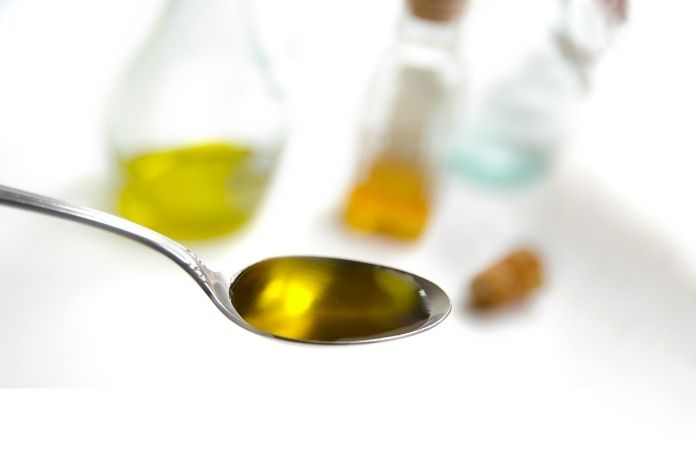
Ideally, for optimum health benefits, consume about 15-30 ml per day, about 1 to 2 tablespoons of EVOO. In general, the significant benefits come when olive oil replaces less healthy fats in a daily routine, rather than just being added to an already high-calorie diet.
The protection of olive oil against stroke builds up over time. In fact, the favorable effects of olive oil on inflammation, oxidative stress, and overall vascular health increase with sustained, long-term use rather than being intermittent.
Read More: Olive Leaves: The Forgotten Superfood That Could Transform Your Health
Choosing and Using the Right Olive Oil
Extra virgin olive oil is the key to real cerebrovascular and heart health. Top-tier EVOO retains its polyphenols and antioxidants, and those compounds drive much of its protective punch. True EVOO is usually cold-pressed, tucked away in dark glass, and shows a harvest date signaling freshness. A touch of bitterness or even a peppery bite often points to oleocanthal and isn’t, in fact, a flaw.
EVOO can handle low to medium heat, but its antioxidant goodness is brightest when raw or barely warmed. Store it properly, away from light, heat, and air to protect the bioactive powers it contains.
Integrating Olive Oil into a Stroke-Preventive Lifestyle
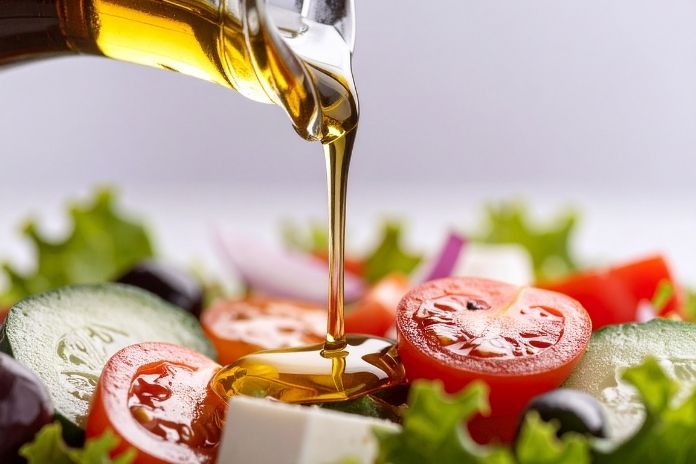
Olive oil really shines when it’s part of a full Mediterranean-inspired lifestyle. Swap it in for butter or margarine, drizzle it over veggies and whole grains, and enjoy it in the context of leafy greens, nuts, legumes, and fish to enhance its protective power.
Add regular movement, plenty of water, and a balanced diet to improve vessel health and brain function. Preventing stroke isn’t about a single magic food, but olive oil supports several protective pathways at once.
When to Talk to Your Doctor
If you are on blood thinners or pressure medications, talk to a doctor before making major dietary changes, especially a jump in olive oil intake. Olive oil is not a cause for concern, especially in terms of health, but your overall calorie levels and cardiovascular risk profile will be checked by the doctor before they advise you.
Read More: 8 Healthiest Fish to Eat for Your Heart and Brain Health
Key Takeaway
Not only is olive oil a healthy fat, but extra virgin olive oil also plays the unique role of protecting blood vessels in the body. Not only does EVOO modulate inflammation, oxidative stress, platelet aggregation, blood pressure, and lipid profiles, but it also provides the body with a daily nutritional shield against the risk of ischemic stroke and other cerebrovascular diseases.
Daily use of olive oil in the diet, as part of the Mediterranean dietary approach, provides a food-first approach to the prevention of stroke, which is evidence-based and grounded in the science of clinical trials and population health studies.
References
- Wellness Alibaba. (n.d.). Cold-pressed extra virgin olive oil definition.
- Wellness Alibaba. (n.d.). Daily dosage of tablespoon of extra virgin olive oil.
- Sarapis, K., George, E. S., Marx, W., Mayr, H. L., Willcox, J., Powell, K. L., Folasire, O. S., Lohning, A. E., Prendergast, L. A., Itsiopoulos, C., Thomas, C. J., & Moschonis, G. (2023). Extra virgin olive oil improves HDL lipid fraction but not HDL-mediated cholesterol efflux capacity: A double-blind, randomised, controlled, cross-over study (OLIVAUS). British Journal of Nutrition, 130(4), 641–650.
- Loh, S. (2011, June 16). Olive oil slashes risk of stroke – study.
- Symonds, M. (2011, June 15). Olive oil lowers stroke risk. BBC News.
- Haddad, A. (2026). Mediterranean diet as a metabolic strategy for healthy aging and non-communicable disease prevention. ScienceDirect.
- Martínez-González, M. A., et al. (2023). Olive oil consumption and cardiovascular risk in U.S. adults.
In this Article