



















You notice it mid-flush, and everything pauses. The stool looks thinner than usual. Maybe pencil-like. Maybe just off enough to grab your attention. And once you notice it, your brain heads straight to the dark corners of WebMD. Because stool shape feels personal. Like a message from deep inside your body that you’re supposed to decode correctly.
Here’s what most people don’t realize: narrow stools are common. Very common.
In the majority of cases, they’re not a sign of anything dangerous. Stool shape isn’t fixed. It shifts all the time based on hydration, fiber intake, stress levels, gut motility, and how completely your bowels empty. Even posture on the toilet can play a role. One odd bowel movement or a short stretch of thinner stools usually means very little on its own.
What actually matters is the pattern. How long has it been happening? Is it consistent, or does it come and go? And what else is happening alongside it? Pain, bleeding, unexplained weight loss, persistent constipation, or a feeling of incomplete emptying all change the picture. So does a trend where stools keep getting thinner over weeks instead of returning to normal.
That’s why context matters more than a single glance in the bowl. A temporary change often points to something simple: dehydration, dietary shifts, stress, or slowed gut movement. A persistent change, especially when paired with other symptoms, deserves attention rather than anxiety.
This article breaks it down clearly. What causes narrow stools in everyday situations? When are they usually harmless and self-limiting? And when is it time to stop monitoring and have a real conversation with a doctor, not out of panic, but out of clarity?
What Are Narrow or Thin Stools?
“‘Normal,’ when it comes to pooping, varies from person to person. We can poop differently from one day to the next,” says Dr. Joshua Forman, MD, a gastroenterologist at the University of Maryland St. Joseph Medical Center. He emphasizes that stool appearance (size, shape, consistency) varies naturally and is influenced by factors like diet, hydration, and gut motility.
Bowel movements are not meant to look identical every day. Normal stool shape exists on a spectrum, influenced by how fast stool moves through the colon, how much water is absorbed, and how relaxed the muscles are during elimination.
A useful reference point for understanding stool shape is the Bristol Stool Form Scale, a clinically validated seven-type classification system developed in 1997 at Bristol Royal Infirmary.
Types 3 and 4, described as sausage-shaped, smooth, and soft, are considered ideal. These healthy stools typically measure roughly 1 to 2 centimeters (about half an inch to an inch) in diameter.
Stools that are noticeably thinner than this baseline, closer to the width of a pencil or ribbon, fall outside the normal range and may prompt concern. The chart is widely used by gastroenterologists and is a practical tool for anyone tracking bowel habits over time.
Narrow stools typically mean stools that are thinner than your usual baseline. Some people describe them as ribbon-like, pencil-thin, or flattened rather than round.
Occasional narrow bowel movements are common and usually reflect temporary changes in digestion or muscle activity. A problem becomes more likely when stool shape changes persist for weeks or steadily worsen over time.
Common, Usually Harmless Causes of Narrow Stools

Let’s break this down calmly, because most cases of narrow stools come from everyday gut mechanics, not disease.
Constipation
Constipation is the most common reason stools look thinner than usual. When stool moves slowly through the colon, too much water gets absorbed. What’s left behind is harder, drier, and less bulky. Instead of passing as one wide, formed movement, it may come out in smaller or narrower segments.
Straining makes this more noticeable. When pelvic floor and anal muscles tighten during a difficult bowel movement, they can temporarily narrow the outlet, compressing the stool as it passes. That mechanical squeeze alone can change stool shape, even if nothing else is wrong. Once constipation improves and stool volume increases, shape typically returns to normal.
Gastroenterologists at the Cleveland Clinic point out that stool caliber often reflects stool volume and hydration rather than structural disease, especially when no other warning signs are present.
Read More: Gentle Relief: The Top 7 Laxative Powders for Effective Constipation Relief
Bowel Muscle Spasms
Your colon moves stool forward using rhythmic muscle contractions called peristalsis. When those muscles contract unevenly or go into spasm, the stool can be briefly narrowed as it travels through the bowel.
These colon spasms are commonly triggered by stress, anxiety, caffeine, dehydration, or certain foods. That’s why narrow stools from spasms tend to be inconsistent: one day things look thin, the next day they’re normal or even loose. The pattern matters more than the shape itself.
Once the trigger settles, the bowel usually relaxes and stool shape normalizes on its own.
Irritable Bowel Syndrome (IBS)
IBS is a functional digestive disorder. The bowel looks structurally normal, but the communication between the gut and the nervous system is off. Motility becomes irregular. Sensitivity increases. Muscles may contract too strongly or at the wrong times.
During IBS flare-ups, people often notice changes in stool shape, including narrow or ribbon-like stools. These shifts can alternate with constipation, diarrhea, or mixed patterns. That back-and-forth nature is a key feature.
According to Mayo Clinic, IBS does not increase the risk of colon cancer, even though the symptoms can feel unsettling. Stool shape changes related to IBS tend to fluctuate rather than steadily worsen over time, which helps distinguish them from more serious conditions.
The big takeaway here is simple. When narrow stools appear intermittently, improve with hydration or fiber, or fluctuate with stress and digestion, they’re usually reflecting how the bowel is functioning, not signaling structural damage.
Diet and Lifestyle Factors That Affect Stool Shape

What you eat and how you live shows up in your stool faster than most people realize. Fiber and fluid are the biggest players. Fiber adds bulk and structure. When intake is low, stool simply has less material to hold its shape, so it comes out smaller or narrower. Dehydration compounds the issue by allowing the colon to pull extra water from stool, making it denser and harder to pass.
“Noticing that your poop differs in color and texture from day to day is usually nothing to worry about. Most likely, it’s due to what you’re eating and how much water you’re drinking,” says Dr. Lance Uradomo, MD, an interventional gastroenterologist at City of Hope Orange County Lennar Foundation Cancer Center, explaining that diet and hydration influence stool consistency and form.
Sudden dietary changes can trigger temporary shifts, too. Cutting carbs, increasing protein, switching to highly processed foods, or traveling and eating irregularly can all alter stool form for a short stretch. The gut is adaptive, but it doesn’t love abrupt change.
Medications are another underappreciated factor. Opioid pain relievers are well-known for causing constipation by slowing gut motility, which can lead to narrower, harder stools. Iron supplements, some antidepressants, calcium-channel blockers, and antacids containing aluminum can have similar effects.
If you’ve recently started a new medication and noticed changes in your bowel habits, that connection is worth discussing with your prescriber. WebMD notes that medications are among the common but frequently overlooked contributors to changes in stool form.
Movement matters more than it gets credit for. Physical inactivity slows gut motility, meaning stool sits in the colon longer than it should. Long hours of sitting, especially when paired with low water intake, increase the likelihood of constipation-related stool changes. This is why people often notice narrower stools during busy, sedentary periods and improvement once routines normalize.
Disruptions to the gut microbiome can also temporarily affect stool shape. After a course of antibiotics, a GI illness, or even significant dietary changes, the balance of gut bacteria can shift. This may lead to irregular motility, changes in stool consistency, and altered bowel habits for days to weeks while the microbiome restores itself.
Probiotic-rich foods like yogurt with live cultures, kefir, and fermented vegetables may help support recovery, though evidence on specific probiotic strains for stool normalization is still evolving.
The key point is reversibility. When diet, hydration, and activity level improve, stool shape usually follows. These are short-term, functional changes, not signs of underlying damage.
Pelvic Floor or Rectal Function Issues
Sometimes, stool shape has less to do with what’s being formed and more to do with how it exits.
Pelvic floor dysfunction happens when the muscles that should relax during a bowel movement instead tighten or fail to coordinate properly. Inside the rectum, stool may be normal in size and consistency. But as it passes through a restricted outlet, it gets compressed, leading to thin or ribbon-like stools.
This often comes with other clues: straining despite soft stools, a persistent feeling of incomplete emptying, or needing to change posture or manually assist to finish a bowel movement. These symptoms point toward an evacuation problem rather than a formation problem.
Functional outlet obstruction is increasingly recognized and, importantly, treatable. Pelvic floor physical therapy, biofeedback, and targeted exercises can retrain muscle coordination and significantly improve stool passage. For many people, addressing the mechanics of evacuation restores normal stool shape without medication or invasive testing.
Hemorrhoids and anal fissures are two other very common outlet-level issues that can affect stool shape. Hemorrhoids are swollen veins in the rectum or around the anus that affect more than half of adults over age 50 at some point. When inflamed or enlarged, they can partially narrow the anal passage, leading to thinner stools.
Anal fissures are small tears in the anal lining that cause the sphincter muscle to tighten reflexively, compressing stool as it exits. Both conditions are typically associated with other symptoms: bright red blood on toilet paper, anal pain, itching, or a sensation of something near the anus.
Mayo Clinic notes that hemorrhoids are a common cause of rectal bleeding and stool changes, and should be considered before assuming a more serious cause.
What this really means is that narrow stools don’t always originate higher up in the colon. Sometimes the issue is at the exit, and once that’s addressed, the concern resolves.
Read More: Understanding Pelvic Health: Common Issues and Maintenance Tips
Structural or Mechanical Causes
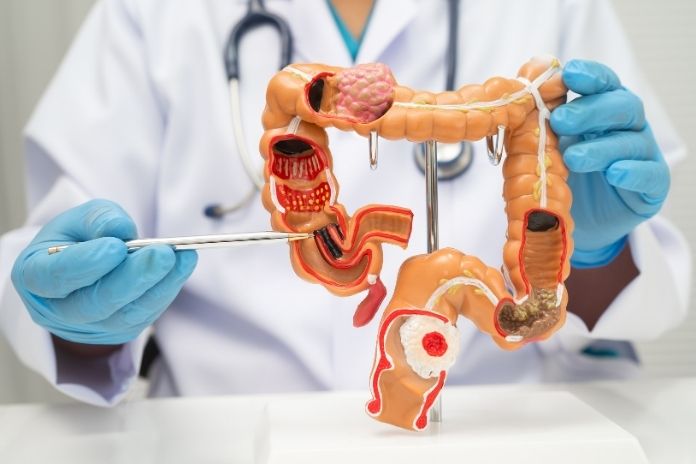
Most narrow stools result from functional issues, but in some cases, physical narrowing of the colon changes how stool passes. These are less common, yet they matter because the pattern looks different.
Inflammation or Swelling in the Colon
Inflammation can temporarily reduce the space inside the colon. This may happen with intestinal infections, inflammatory bowel disease, or severe irritation of the gut lining. When the bowel wall swells, stool has less room to pass through, which can make it appear thinner.
The key difference here is what accompanies the narrowing. Narrow stools caused by inflammation are rarely seen alone. They’re usually paired with diarrhea, abdominal cramping, urgency, mucus in the stool, fever, or a general sense that something is off. Once the inflammation settles and the bowel lining heals, stool caliber typically returns to normal.
Polyps, Strictures, or Partial Blockages
Physical narrowing of the colon can also come from strictures, large polyps, scar tissue from prior inflammation or surgery, or other structural changes. These create a fixed reduction in space, not a temporary one.
Because of that, the pattern is more concerning. Stool narrowing tends to be persistent rather than intermittent. It doesn’t bounce back to normal on good days. Over time, the narrowing may gradually worsen, and bowel movements may become more difficult to pass.
According to research published in Alimentary Pharmacology & Therapeutics, a change in bowel habit or stool form alone has a low diagnostic yield for serious disease when not accompanied by alarm features. Patients with anemia and rectal bleeding have a much higher likelihood of being diagnosed with colorectal cancer than those with only a change in bowel habit.
Can Narrow Stools Be a Sign of Colon Cancer?
This is the question most people quietly worry about.
On its own, a narrow stool is a poor predictor of colon cancer. Large population studies show that changes in stool shape are common and, when isolated, are usually unrelated to malignancy. The colon is dynamic, and its output reflects function far more often than structure.
As Dr. Kirtan Nautiyal, a gastrointestinal medical oncologist at Houston Methodist, explains, colon cancer is not the only, nor the most likely, explanation for thin or narrow stools, especially when no other symptoms are present, such as weight loss, abdominal pain, or rectal bleeding. You can read his full explanation at Houston Methodist’s article on thin stools and colon cancer.
Colon cancer becomes a more realistic concern when stool narrowing is persistent, progressive, and accompanied by other red flag symptoms.
According to research highlighted by the National Cancer Institute, common warning signs of colorectal cancer include persistent abdominal pain, rectal bleeding, and iron-deficiency anemia. The presence of multiple symptoms is associated with a higher likelihood of a cancer diagnosis.
What this really means is that stool shape matters far less than duration, progression, and what else is happening in the body. A single symptom rarely tells the full story.
Read More: Colon Health Diet: How to Maintain a Healthy Colon
When Narrow Stools Are More Likely Benign
In most cases, narrow stools are not a sign of something serious, especially when the pattern looks like this:
- The change is recent and short-lived
- Stool shape returns to normal within days or a few weeks
- There is no blood, significant pain, or unexplained weight loss
- Bowel habits shift with stress, diet changes, travel, or routine disruption
In these situations, observation is usually appropriate. Simple adjustments like improving hydration, increasing fiber gradually, moving more, and managing stress are often enough to bring things back to baseline.
The body tends to correct functional issues on its own. The goal isn’t to ignore changes, but to recognize when they’re part of normal variation versus a signal that deserves medical follow-up.
When to See a Doctor
Most stool changes don’t require a medical visit. But there are clear situations where watching and waiting stops being the right move.
You should get checked for narrow stools:
- Persist longer than two to three weeks without returning to normal
- Become progressively thinner rather than fluctuating
- Appear with blood in the stool or dark, tarry stools
- Are accompanied by unexplained weight loss
- Come with ongoing abdominal pain, weakness, or fatigue
- Begin later in life, especially after age 45 to 50, when routine colon cancer screening becomes more relevant
These signs don’t automatically mean cancer. In many cases, the cause is still benign. What they do mean is that the pattern warrants professional evaluation rather than reassurance based on guesswork.
On the topic of age and screening: current guidelines from the U.S. Preventive Services Task Force recommend that adults at average risk begin colorectal cancer screening at age 45. Colonoscopy every 10 years is the most thorough option, but less invasive at-home stool DNA tests and fecal immunochemical tests (FIT) are also available and appropriate for many people.
Anyone with a family history of colorectal cancer or polyps may be advised to start screening earlier. If you’re in this age range and haven’t been screened, new bowel changes are an additional reason to have that conversation with your doctor rather than wait.
How Doctors Evaluate Narrow Stools
Evaluation isn’t about jumping straight to invasive tests. It starts with pattern recognition.
Your doctor will ask how long the change has been happening, how often you’re going, whether stool consistency has changed, and what else is going on in your body. Diet, hydration, recent stress, medications, and family history all matter here.
A physical exam usually includes an abdominal exam and, in some cases, a rectal exam to assess tone, tenderness, or obvious obstruction.
The overall picture guides testing. That might mean stool studies, blood work to check for anemia or inflammation, imaging, or a colonoscopy. Importantly, colonoscopy isn’t ordered based on stool shape alone. It’s ordered when symptoms, risk factors, or exam findings point in that direction.
Guidelines from the American College of Gastroenterology emphasize evaluating symptom clusters, such as recurrent abdominal pain together with changes in bowel habits, rather than isolated changes in stool appearance alone, when assessing patients, because a single data point rarely tells the full clinical story.
What You Can Do in the Meantime
If narrow stools show up without red flags, there are practical steps that often help while you observe the pattern. Increase dietary fiber gradually by incorporating whole foods such as vegetables, fruits, legumes, and whole grains. Sudden fiber loading can backfire, worsening bloating or constipation. Stay consistently hydrated throughout the day, not just when you feel thirsty.
Avoid excessive straining on the toilet. Give your body time, use proper positioning, and don’t force a bowel movement that isn’t ready to happen. If muscle spasms are suspected, reducing caffeine and actively managing stress can make a noticeable difference. Most importantly, track changes over time instead of reacting to a single bowel movement.
Look for trends, not snapshots. Stool appearance varies more than people expect, and self-diagnosing based on one episode usually creates anxiety without adding clarity. The goal is balance. Pay attention without panicking. Act when patterns persist. And let context, not fear, guide the next step.
The Practical Takeaway
Here’s what this all comes down to.
Most narrow stools are not a warning sign. They’re usually the result of constipation, uneven muscle contractions in the colon, IBS flare-ups, dehydration, stress, or problems with how stool is being expelled rather than how it’s formed. These causes are common, functional, and often temporary. When the trigger improves, stool shape usually does too.
Concern rises when the pattern changes. Stool narrowing that lasts for weeks, keeps getting worse, or occurs alongside bleeding, unexplained weight loss, persistent pain, or fatigue shouldn’t be brushed off. Not because it automatically signals something serious, but because persistent patterns deserve clarity, not assumptions.
The most important point is this. Stool shape by itself is a weak signal. Context is everything. How long has it been happening? Whether it’s consistent or fluctuates. And what other symptoms are present? Those details matter far more than a single look in the toilet.
Pay attention without spiraling. Adjust the basics first. And if the pattern doesn’t settle, get it checked. That’s not overreacting. That’s using information effectively.
Frequently Asked Questions
What causes narrow stools most often?
Constipation, low fiber intake, dehydration, and bowel muscle spasms are the most common causes.
Are pencil-thin stools always cancer?
No. Stool shape alone is a weak predictor of colon cancer. Duration and additional symptoms matter far more.
How long should narrow stools last before seeing a doctor?
If they persist beyond two to three weeks or worsen over time, medical evaluation is recommended.
Can stress cause narrow bowel movements?
Yes. Stress can trigger colon spasms and alter gut motility, leading to temporary stool narrowing.
Do narrow stools mean a blockage?
Only rarely. Mechanical causes tend to produce persistent, progressive symptoms rather than intermittent changes.
References
- American College of Gastroenterology. (2021). ACG clinical guideline: Management of irritable bowel syndrome. American Journal of Gastroenterology, 116(1), 17–44.
- Augusta Health. (n.d.). Narrow stools: Should I be concerned?
- Cleveland Clinic. (n.d.). Constipation.
- DeMaria, A. (n.d.). Narrow ribbon stool
- Health.com Editorial Team. (2024). What narrow stools mean and when to worry.
- Healthgrades Editorial Staff. (n.d.). Pencil-thin stools: Causes and concerns.
- Hopkins Medicine. (n.d.). 5 things your poop can tell you about your health.
- Houston Methodist. (2025, July). Are thin, narrow stools a sign of colon cancer?
- Mayo Clinic Staff. (n.d.). Irritable bowel syndrome (IBS): Narrow stools.
- Mayo Clinic Staff. (n.d.). Irritable bowel syndrome: Symptoms and causes.
- Mayo Clinic News Network. (n.d.). How to cope with irritable bowel syndrome.
- Mayo Clinic. (2024). Colon cancer stool: What to look for and how to test at home.
- Middlesex Health. (n.d.). Narrow stools: Should I be concerned?
- National Cancer Institute. (2023). Study identifies potential warning signs of colorectal cancer in younger adults.
- Oreata AI. (n.d.). Understanding the causes of thin poop: When to worry.
- Parade Health Editors. (n.d.). Three things your poop says about your health, according to gastroenterologists.
- Sørensen, H. T., et al. (2008). Change in bowel habits and colorectal cancer. Alimentary Pharmacology & Therapeutics, 28(3), 360–367.
- U.S. Preventive Services Task Force. (2021). Colorectal cancer screening recommendation.
- WebMD Editorial Contributors. (n.d.). Causes of narrow or stringy stools.
- Yahoo Lifestyle Editors. (n.d.). The 3 most important things your poop reveals about your health. Yahoo Life.
In this Article