





















There is a pattern in supplement trends. First, a compound becomes popular in small biohacking circles. Then fitness influencers pick it up. After that, hormone health communities adopt it. Finally, the internet simplifies it into one line: “This balances estrogen.” DIM supplement is now in that stage.
DIM is sold as a “hormone balancer.” That phrase alone should make anyone slightly uncomfortable. Hormones are not something that you adjust gently with one capsule. They are dynamic signaling molecules interacting with liver enzymes, fat tissue, gut bacteria, stress hormones, thyroids, and insulin.
DIM is interesting not because it is magical, but because it interferes in a very specific biochemical traffic system: estrogen metabolism. The problem? Most conversations stop at “it improves good estrogen and reduces bad estrogen.” That sentence sounds scientific, but it explains almost nothing.
But these symptoms are not exclusive to estrogen dominance. They can also reflect other disorders. Labeling them as a single imbalance oversimplifies a multi-system process. Let us look deeper, and also look at where the evidence is still weak.
Read More: 9 Supplements Often Marketed for “Toxin Removal”: What Research Really Says
What Is DIM (Diindolylmethane)?

DIM is not a vitamin or an essential nutrient. It is a bioactive breakdown product formed after the digestion of cruciferous vegetables. When you eat broccoli or cabbage, you ingest glucosinolates. These convert into indole-3-carbinol (I3C), which then converts in an acidic stomach environment into several compounds, one of which is DIM.
This changes the biological context completely. We are not mimicking a diet. We are pharmacologically amplifying one pathway. That is not automatically bad. But it is not “just like eating vegetables.”
Important Distinction: Food exposure produces small, fluctuating amounts. Supplements deliver concentrated, sustained doses.
How DIM Works in the Body

DIM primarily affects how estrogen is metabolized in the liver. Estrogen does not simply rise and fall. It is constantly produced, converted, inactivated, reactivated, and excreted. What matters often is not total estrogen, but which metabolites dominate.
There are multiple metabolic routes:
- 2-hydroxylation pathway
- 4-hydroxylation pathway
- 16-alpha-hydroxylation pathway
DIM tends to shift metabolism toward the 2-hydroxy pathway. This metabolite is considered less proliferative in hormone-sensitive tissues. Shifting ratios does not necessarily lower total estrogen. And lowering total estrogen is not always desirable.
Estrogen supports:
- Bone density
- Brain function
- Vascular health
- Skin elasticity
So when people self-prescribe DIM to “reduce estrogen,” they may unintentionally disturb other systems.
DIM also interacts with:
- Aryl hydrocarbon receptor (AhR)
- Certain detoxification enzymes (CYP family)
- Inflammatory signaling pathways
This is not a single-action supplement. It influences gene expression patterns. And gene expression modulation is never trivial.
People usually turn to DIM because they are trying to fix symptoms they attribute to “hormonal imbalance.” The problem is that this term is rarely defined clinically. “Other symptoms of hormonal imbalance include hot flashes, weight gain, and PMS,” says Dr. Gabrielle Lyon, a functional medicine physician.
Potential Benefits of DIM Supplement (What Research Shows)
Estrogen Metabolism and Hormone Balance
Clinical studies show that DIM can change urinary estrogen metabolite ratios. That part is reproducible. But the leap from “metabolite ratio improved” to “breast cancer risk reduced” is scientifically unproven. We do not yet have large, long-term randomized trials showing disease prevention outcomes.
In clinical practice, some women with heavy bleeding, fibrocystic breast changes, and severe PMS report improvement. But the response is inconsistent. And no biomarker currently predicts who will benefit. This is where the research gap is significant.
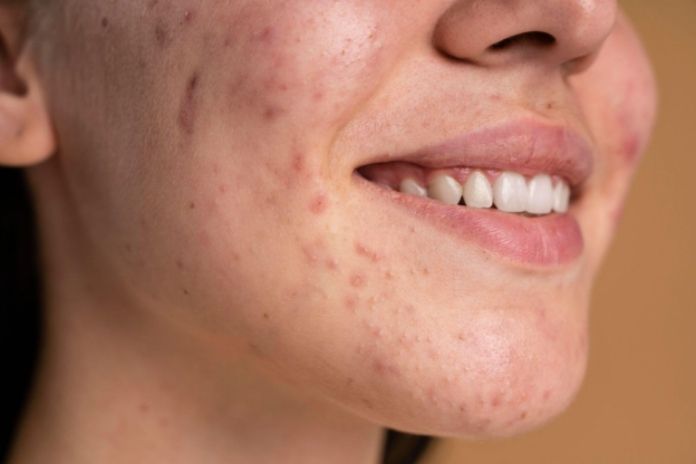
Skin Health (Acne)
Hormonal acne is influenced by androgen-estrogen balance. DIM does not directly block DHT strongly like certain medications. Its effect appears indirect, through estrogen-androgen interplay.
Some small case observations show improvement in adult female acne. But there are no large dermatology trials establishing it as standard therapy.
In fact, in some individuals, acne temporarily worsens in the first few weeks. Possibly due to hormonal readjustment. DIM is not an acne drug. It is a hormone-modulating compound that sometimes improves acne. That distinction matters.
Inflammation and Cellular Signaling
Laboratory research shows DIM can influence inflammatory transcription factors and even slow the proliferation of certain cancer cell lines. But cell culture environments are artificial. They use concentrations often much higher than those achieved in human plasma after supplementation. The common problem in supplement science is lab promise, marketing enthusiasm, and limited human confirmation.
DIM is promising in oncology research. But it is not an alternative to evidence-based treatment. Many supplement articles exaggerate this part. We must separate: Cell culture evidence from human clinical evidence. That gap is still significant.
Supporting Detoxification Pathways
DIM increases the activity of certain phase I detoxification enzymes. Here is an uncomfortable point: increasing phase I without adequate phase II can increase reactive intermediates.
In simple words, speeding the first step of breakdown without ensuring proper elimination may not always be beneficial. This is why some practitioners combine DIM with compounds supporting conjugation and elimination. But again, robust human outcome data is limited.
What the Evidence Doesn’t Support
DIM does not:
- Dramatically boost testosterone in healthy men
- Replace hormonal therapy
- Act as a universal PCOS solution
- Guarantee cancer prevention
- Function as a general “detox pill”
Many claims are extrapolated from mechanistic data, not clinical endpoints. This difference is rarely explained in supplement marketing.
How DIM Is Used (Supplement Formulations)
Bioavailability is naturally low. Some brands use oil-based or microencapsulated forms to enhance absorption. More is not better. Higher doses increase the risk of excessive estrogen suppression symptoms.
Some formulations include:
- Indole-3-carbinol
- Calcium-D-glucarate
- Sulforaphane
- Zinc
Typical dosages range between 100 and 300 mg daily. “200 milligram doses of diindolylmethane are well tolerated,” says Tori Jensen, a dietician. “Side effects are noted more at doses greater than this and include dark urine, headaches, and mild nausea or vomiting,” she adds.
Safety, Side Effects, and Interactions
Reported side effects include:
- Headache
- Gastrointestinal upset
- Dark urine
- Menstrual irregularity
- Reduced libido (in some cases)
In higher doses or sensitive individuals, it may push estrogen too low. Low estrogen symptoms can include the following:
- Mood instability
- Vaginal dryness
- Fatigue
- Joint discomfort
It may interact with medications metabolized via liver CYP enzymes.
Caution advised in:
- Hormone-sensitive cancer patients
- Women on oral contraceptives
- Hormone replacement therapy users
- Pregnant or breastfeeding women
Long-term safety data beyond moderate durations are insufficient. That does not mean it is dangerous. It means we do not yet know fully.
Comparing DIM With Related Nutrients
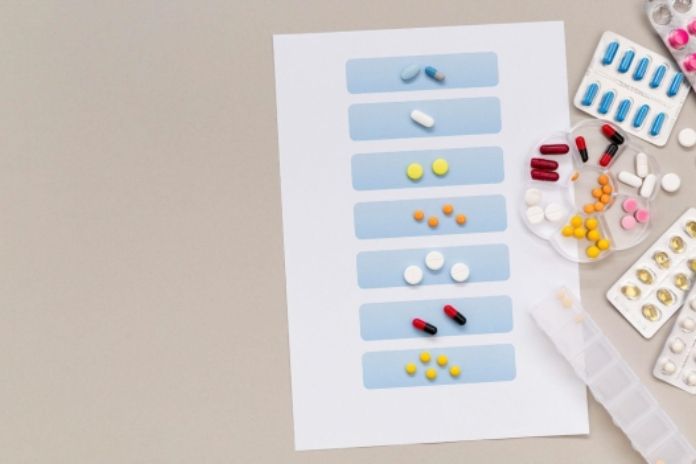
Indole-3-Carbinol (I3C): Precursor compound. Less stable. Converts into multiple metabolites. Broader, less predictable action.
Sulforaphane: More studies for antioxidant and Nrf2 activation pathways. Not primarily estrogen-modulating.
Calcium-D-Glucarate: Supports estrogen elimination via glucuronidation. Works downstream from metabolism shifting.
DIM is specific in shifting metabolic pathways, not a general detox enhancer.
Who May Benefit Most, and Who Should Be Cautious
More likely to benefit:
- Women with confirmed estrogen metabolite imbalance
- Adults with cyclic breast pain linked to estrogen excess
- Selected perimenopausal cases
“During perimenopause—when women undergo major shifts in hormone levels, which can result in hot flashes or night sweats, among other symptoms like mood changes and weight gain—supplementation with DIM may help deal with these by creating a more favorable ratio between different types of estrogen metabolites,” says Paul Daidone, FASAM.
However, clinical trials specifically examining symptom reduction in perimenopause remain limited, and metabolite shifts do not automatically translate into symptom resolution.
Should be cautious:
- Women with already low estrogen
- Adolescents
- Individuals using multiple hormone-active supplements simultaneously
- People self-treating without monitoring
Hormonal systems compensate. The body adjusts. Sometimes in unpredictable ways.
Read More: 11 Supplements That Help With Neuropathy: What Works and What Doesn’t
Practical Ways to Use DIM Responsibly
- Test before supplementing if possible (hormone panels, metabolite testing).
- Start low (100 mg).
- Reassess symptoms after 8–10 weeks.
- Avoid stacking multiple hormone modulators.
- Stop if signs of low estrogen appear.
Supplement use should be strategic, not a permanent lifestyle identity.
Read More: Do Supplements Help Brain Zaps? What Science Says (and What Actually Works)
Final Thoughts
The DIM supplement is neither a miracle nor a myth. DIM is a biochemically active compound with real effects on estrogen metabolism. But a metabolism shift is not the same as a clinical cure.
We are still missing:
- Large randomized trials
- Long-term safety data
- Precision criteria for responders
The future of DIM is not in mass marketing. It is in targeted, phenotype-specific use, once research identifies who benefits most. Until then, it remains a potentially useful tool. Not a hormone reset button.
- DIM reliably alters estrogen metabolite ratios, but outcome-level disease prevention data are lacking.
- Clinical responses vary widely; no current biomarker predicts success.
- Long-term safety beyond moderate duration remains understudied.
- Most claims online are extrapolated from lab studies, not large human trials.
- Major research gap: we lack subgroup analysis identifying genetic, metabolic, or microbiome profiles that determine DIM responsiveness.
In this Article