


















- Hereditary endometriosis is real. If a first-degree relative has endometriosis, your risk is about 7–10 times higher than average.
- Many women in older generations were told they simply had “bad periods,” but these cases may represent undiagnosed endometriosis in the family history.
- Recognizing patterns in your family medical history can help identify risk earlier.
- Early awareness can help shorten the timeline for endometriosis diagnosis before the disease progresses.
Endometriosis, a condition that affects roughly 1 in 10 women of reproductive age, went widely undiagnosed for most of the twentieth century. It wasn’t that the tools weren’t there to ask better questions. It’s that women’s pain was routinely normalized, minimized, and dismissed, often by the women in the family themselves, because what else had they been told to do with it.
The generational silence around reproductive pain has consequences that extend to you. Endometriosis family history is one of the most significant known risk factors for developing the condition. Recognizing patterns across your family tree can shorten the years-long road to diagnosis that so many women still face today.
In this article, we will discuss why endometriosis often runs in families, clues hidden in your family tree, and how to support the next generation, along with the right time to visit a doctor.
Read More: Endometriosis-Symptoms, Causes, Prevention, and Treatment
What If “Grandma’s Bad Periods” Were Actually Endometriosis?
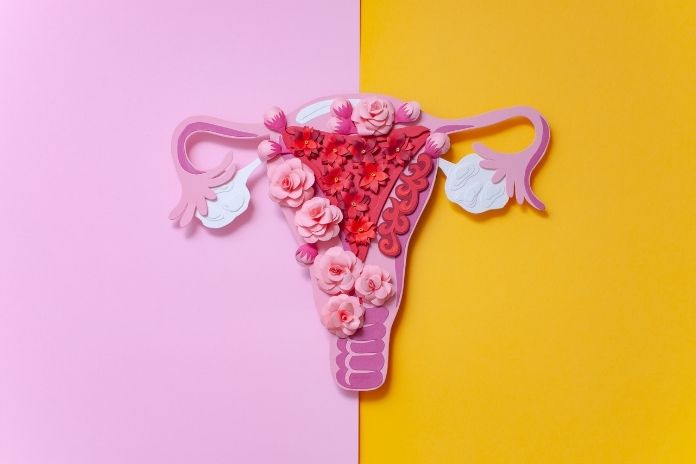
Endometriosis is a condition in which tissue similar to the uterine lining grows outside the uterus, on the ovaries, fallopian tubes, pelvic lining, and, in some cases, on the bowel, bladder, and other organs.
During each menstrual cycle, this tissue responds to hormonal changes exactly as the uterine lining does: it thickens, breaks down, and bleeds. But with nowhere to exit the body, it causes inflammation, scarring, and often severe pain.
For most of the twentieth century, endometriosis diagnosis required direct surgical visualization through laparoscopy. Ultrasound did not reliably detect most forms of the disease. And medical culture at the time had little patience for women reporting dysmenorrhea as anything beyond the expected discomfort of menstruation.
The result was that countless women with real, significant disease went through their reproductive years without a name for what was happening to them.
Dr. Tamer Seckin, MD, has spent decades watching this pattern play out. “There’s often some degree of downplaying or assuring from the family. Let’s say a girl goes to her mom and tells her she’s in pain. Her mom might say, ‘I had painful periods, it’s just normal,’” he told the Endometriosis Foundation of America.
Some research indicates that as many as 70% of endometriosis cases in the 1970s went undetected. The women who were diagnosed often received that diagnosis only when they showed up at an infertility clinic, not because anyone listened when they described pain.
When you look back at a grandmother who spent her forties recovering from unexplained pelvic surgeries, or an aunt who was told her “female troubles” would settle down after childbirth, or a mother who just quietly took more pain medication every month, you may be looking at undiagnosed hereditary endometriosis.
The Genetic Link: Why Endometriosis Often Runs in Families
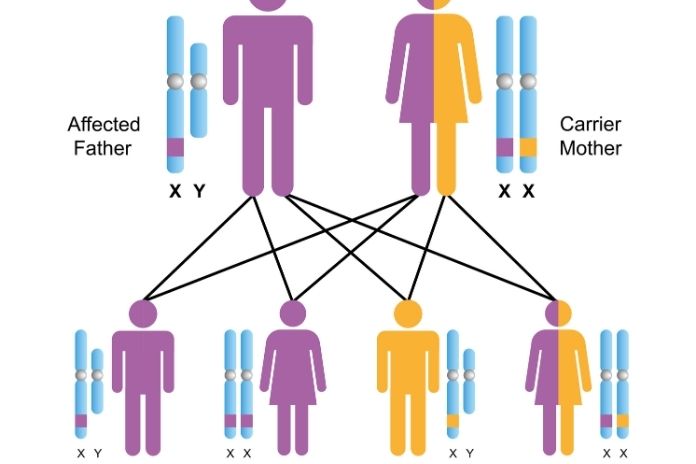
Endometriosis does not follow a simple inheritance pattern like dominant or recessive traits. It is polygenic and multifactorial, meaning multiple genes interact with hormonal, immune, and environmental factors to influence whether and how severely the condition develops.
No single “endometriosis gene” has been identified, but the genetic risk of endometriosis is well established. Women with a first-degree relative, a mother, sister, or daughter, diagnosed with endometriosis are 7 to 10 times more likely to develop the condition themselves. That figure was first established by Treloar et al. in 1999 and has been consistently supported since.
Twin studies have reinforced the picture. Identical twins show significantly higher concordance rates for endometriosis than fraternal twins, confirming that shared genetics plays a meaningful role beyond shared environments.
A 2023 large-scale genome-wide association study published in Nature Genetics identified 42 genetic regions linked to increased risk, many involving inflammation and hormone regulation pathways.
What’s Known
Endometriosis clusters in families; the genetic contribution is real, and familial cases often present earlier and with greater disease severity. A 2023 case-control study found that patients with a positive endometriosis family history had significantly higher disease scores and were more likely to have ovarian endometriomas than those without.
What’s Still Being Studied
The precise genes involved, the role of epigenetic modifications, and why some family members develop severe disease while others with similar genetic backgrounds do not. Researchers do not yet fully understand why the same inheritance can produce vastly different presentations.
Dr. Iris Kerin Orbuch, MD, has been making this point for years, “Endometriosis is the cause of 50 percent of unexplained infertility. There is a complete lack of education about endometriosis, even though the disease afflicts as many as those with diabetes,” she told the Jewish Journal.”
Clues Hidden in Your Family Tree
When doctors and patients can look back honestly at a family’s reproductive health history, certain patterns show up repeatedly. None of these by themselves confirms endometriosis, but together they paint a picture worth bringing to your gynecologist.
Severe or “Debilitating” Periods
The most consistent red flag across generations is dysmenorrhea so severe that it interrupts life. Missed school. Days in bed. The kind of period pain that required regular prescription-strength medication or made monthly plans unreliable.
Normal menstrual discomfort exists on a spectrum, but pain that stops someone from functioning is not a variant of normal. It is a symptom.
Pain Beyond the Period
Chronic pelvic pain causes in women are often dismissed as cyclic and hormonal, but many people with endometriosis experience pain throughout the month, not only during menstruation. Back pain, leg pain, pelvic pressure, and deep abdominal cramping between cycles can all point to endometriosis symptoms that extended beyond a relative’s period and were attributed to other causes or simply tolerated.
Painful Intercourse or Pelvic Exams
Dyspareunia, pain during or after intercourse, is one of the hallmark symptoms of endometriosis, particularly deep infiltrating disease. It is also one of the symptoms women were historically least likely to report and least likely to have taken seriously.
A grandmother or mother who avoided intimacy, described intercourse as painful, or seemed to dread gynecologic exams may have had endometriotic lesions in the rectovaginal area or on the uterosacral ligaments, where nerve involvement makes pelvic pressure particularly painful.
Infertility or Multiple Miscarriages
Endometriosis and infertility are deeply linked. The American Society for Reproductive Medicine has found that 24 to 50% of women with infertility have endometriosis, and the condition is responsible for approximately half of unexplained infertility cases.
If a female relative experienced difficulty conceiving, had multiple miscarriages, or was given no clear explanation for her infertility, endometriosis should be considered in the differential when thinking about your own genetic risk of endometriosis.
“Female Troubles” or Early Hysterectomies
In prior generations, the endpoint of unmanaged endometriosis symptoms was frequently surgery. Hysterectomies were performed for “pelvic pain,” “fibroid disease,” “chronic pelvic inflammatory conditions,” and a collection of other diagnoses that may have been endometriosis, receiving a different label, or no label at all.
An aunt or grandmother who had a hysterectomy before the age of 45, or who had multiple abdominal surgeries for vague gynecological reasons, belongs in your mental note of intergenerational women’s health history.
Important Note: The genetic risk of endometriosis applies through both maternal and paternal lines. If someone in your father’s family has the condition, your odds increase just as they do on your mother’s side.
Why Recognizing Family Patterns Matters
The current average endometriosis diagnosis delay is 7 to 10 years from symptom onset. During those years, untreated endometriosis can progress: lesions deepen, adhesions form, fertility is affected, and the hormonal and immune environment changes in ways that complicate treatment.
Familial cases appear to present earlier and more severely on average, which means the window for intervention may be narrower. Knowing your endometriosis family history before symptoms become debilitating is one of the few meaningful advantages a patient can bring to a gynecology appointment. It changes the clinical calculus.
A clinician who knows that a patient’s mother and maternal aunt both had chronic pelvic pain consistent with endometriosis is more likely to pursue diagnostic workup earlier than one starting from zero.
The practical step is simple: write it down. Before your next gynecologic visit, think through your family’s history of severe dysmenorrhea, pelvic pain, infertility, repeated miscarriage, or unexplained gynecologic surgery. You may not know whether a relative was ever officially diagnosed, and that uncertainty itself is information.
When to Talk to Your Doctor
Not every painful period is endometriosis, but certain combinations of symptoms with a positive endometriosis family history warrant evaluation rather than watchful waiting.
Warning signs that merit a gynecologic conversation:
- Dysmenorrhea severe enough to interfere with work, school, or daily function
- Pelvic pain that persists outside of menstruation
- Pain during intercourse
- Bowel or bladder symptoms that worsen cyclically.
- Heavy or irregular menstrual bleeding
- Difficulty conceiving after 6 to 12 months of trying
When you speak with your doctor, bring your family history directly into the conversation. Name those relatives who had severe endometriosis symptoms, what was known about their diagnosis or treatment, and whether hysterectomies or other pelvic surgeries were performed without a clear explanation.
Framing your own symptoms in the context of hereditary endometriosis gives a clinician significantly more to work with. Diagnostic steps include symptom tracking over multiple cycles, pelvic ultrasound to detect ovarian cysts or endometriomas, and MRI for suspected deep infiltrating disease.
Definitive endometriosis diagnosis requires laparoscopy, which allows direct visualization and biopsy of lesions. Early management with hormonal therapy for endometriosis, pain control, and lifestyle strategies can meaningfully reduce symptoms and slow progression before the disease becomes severe.
Dr. Jessica Opoku-Anane, MD, MS, puts the case for early evaluation plainly, “Endometriosis is a relatively common condition, but many women have challenges obtaining a diagnosis. Receiving an early diagnosis and treatment for this condition can have a major impact on patients, especially as they look toward planning a family.”
Supporting the Next Generation

The conversation that breaks the pattern is simpler than it sounds. It starts with teaching daughters, nieces, and the young women in your life that period pain severe enough to interrupt daily function is not a rite of passage. It is a symptom. That message, if it had reached the previous generation, might have changed their diagnostic timeline significantly.
If you have a positive endometriosis family history, consider having an age-appropriate conversation with your daughter about what endometriosis symptoms look like from the beginning. Severe dysmenorrhea in adolescence is not something to normalize. A teenager who is missing school monthly for period pain deserves evaluation, not reassurance that this is what periods are like.
Hormonal therapy for endometriosis, introduced early, can reduce disease progression in many cases. Fertility-sparing surgical options have improved significantly. And symptom tracking apps, used consistently from adolescence, give clinicians the longitudinal data that makes endometriosis diagnoses faster when the time comes.
Dr. Linda C. Giudice, MD, PhD, distinguished professor at UCSF, notes in her landmark NEJM clinical practice review, “Endometriosis affects 50 to 60% of women and teenage girls presenting with pelvic pain, and that dysmenorrhea worsening over time in a young patient should prompt proper evaluation rather than empiric reassurance.”
The younger the age at endometriosis diagnosis, she writes, the greater the importance of discussing fertility preservation and long-term management planning early in the clinical relationship.
Peer support and advocacy organizations matter here, too. Groups like the Endometriosis Foundation of America and the World Endometriosis Society provide evidence-based resources for patients navigating both their own symptoms and those of family members.
Connecting with others who understand the experience of seeking a diagnosis across multiple years is not anecdotal support. It is clinically meaningful for adherence, mental health, and treatment follow-through.
Read More: Understanding Pelvic Health: Common Issues and Maintenance Tips
Key Takeaway
Your family’s history of “bad periods” is not just anecdotal. It could hold real clues about your own health and about whether the women who come after you get diagnosed years sooner than those who came before.
Severe menstrual pain is not normal. Hereditary endometriosis is real and well-documented. If you have an endometriosis family history, that information belongs in your medical chart. Talk with your gynecologist, track your symptoms, and get evaluated early. The pattern that was silenced for generations does not have to repeat.
This article is for informational purposes only and is not a substitute for professional medical advice, diagnosis, or treatment. Always consult a qualified healthcare provider regarding any symptoms or concerns.
References
- Giudice, L. C. (2010). Clinical practice: Endometriosis. New England Journal of Medicine, 362(25), 2389-2398.
- Orbuch, I. K., & Cook, A. (2019). Beating Endo. HarperCollins. Interview
- Opoku-Anane, J. (2022). Columbia University endometriosis center announcement.
- Rahmioglu, N., et al. (2023). The genetic basis of endometriosis and comorbidity with other pain and inflammatory conditions. Nature Genetics.
- Seckin, T. (2016). An interview with Dr. Tamer Seckin, endo expert. Lenny Letter.
- Treloar, S. A., et al. (1999). Pathways to hysterectomy: Insights from longitudinal twin research. American Journal of Obstetrics and Gynecology. Referenced in:
- Vargun, R., et al. (2023). Impact of family history for endometriosis on symptoms, localization and stage. ScienceDirect.
- Chapel Hill OBGYN. (n.d.). Is endometriosis genetic?
- Cleveland Clinic. (n.d.). Endometriosis.
- Clinton Women’s Healthcare. (n.d.). Is endometriosis hereditary? Understanding genetic risk factors.
- Endometriosis Foundation of America. (n.d.). The familial and hereditary aspects of endometriosis.
- Genomics Education Programme. (n.d.). Endometriosis and ovarian cancer: A genetic link.
- Oxford University. (2023, March 14). Global study shows the experience of endometriosis is rooted in genetics.
- PubMed Central. (2010). Endometriosis.
- Revive Research Institute. (n.d.). Is endometriosis genetic?
In this Article