

















- YES, but need 4-6 months minimum — Professional treatments (lasers or chemical peels) combined with insulin management can achieve 40-70% improvement. Book a dermatologist NOW if your wedding is approaching.
- Fix the root cause, or it comes back — 80% of cases are caused by insulin resistance. Cut carbs/sugar, exercise 30 minutes daily, consider metformin. At-home creams alone only give 10-20% improvement.
- Start early, maintain results — Visible lightening takes 8-16 weeks. Final professional treatment should be 2-3 weeks before the wedding. Patches may return within 3-6 months if you stop treatment or regain weight.
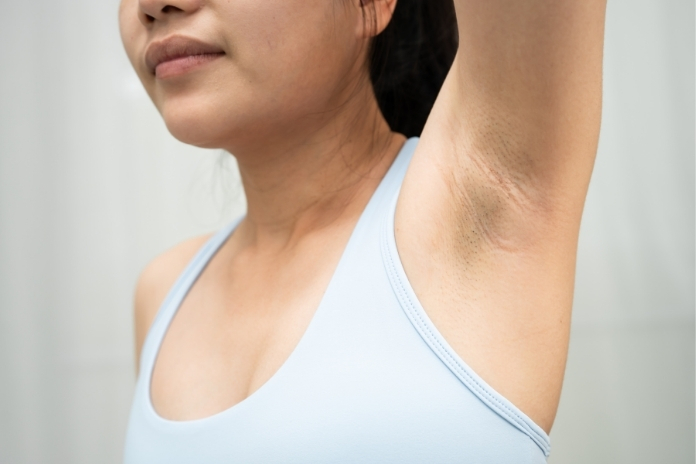
You have meticulously prepared every aspect of your special day, including the location, attire, photographer, and every last detail. However, no matter how much you scrub or exfoliate, the dark, velvety spots around your neck, underarms, or even back refuse to fade when you look in the mirror.
These patches often appear thickened with a slightly raised texture, and the skin may feel softer than it looks, not rough or scaly like other skin conditions. Some people mistake these patches for dirt at first, but vigorous washing only irritates the skin without improving the appearance. You’re probably dealing with Acanthosis Nigricans, not a hygiene problem, if this sounds familiar.
This skin change is usually linked to hormonal or metabolic imbalances, especially insulin resistance, and skin darkening, rather than dirt or poor care. The good news? You can fade acanthosis nigricans fast enough to see visible improvement before your wedding, but it requires a strategic plan.
In this article, we will explain whether acanthosis nigricans treatment before a wedding truly works, explore dermatologist-approved options like laser for acanthosis nigricans and chemical peels for dark neck.
Read More: Effective Ways to Treat Dark Underarms and Restore Confidence
Book Your Dermatologist Now
If your wedding is 3 to 6 months away, schedule your first dermatology consultation immediately. Professional treatments like lasers and prescription peels require multiple sessions spaced 3 to 4 weeks apart, so early planning is essential for visible results.
Ideally, your final treatment should occur at least two weeks before the wedding to allow any temporary redness or peeling to resolve completely.
Can Acanthosis Nigricans Really Fade Before a Wedding?
Yes, but not overnight.
Acanthosis nigricans is a skin condition. Usually found in skin folds and creases, such as the groin, armpits, elbow pits, and the sides and back of the neck, it results in thicker, darker spots or streaks. However, it may appear anywhere on the body.
It could appear warty or velvety, or it might seem unclean. Acanthosis nigricans is most frequently associated with insulin resistance and metabolic diseases, including obesity, according to research published in the Journal of the American Board of Family Medicine. Skin cells proliferate and produce more pigment when insulin levels remain elevated, leading to increased thickness and darkening.
The key to successfully fading acanthosis nigricans fast is understanding two things:
- You need to treat the pigment and thicker skin.
- The metabolic trigger, which is typically an insulin imbalance, must be addressed.
You’re in a wonderful position to see significant effects if your wedding is two to three months away.
At-Home vs. Professional Results: What to Expect
Over-the-counter products containing retinoid creams, pigmentation fighters, urea cream, or glycolic acid can provide modest improvement, typically 10 to 20% lightening over 3 to 4 months with consistent use. These products work best for mild cases or as maintenance after professional treatment.
However, for significant, event-ready results before a wedding, professional treatments are usually necessary. In-office procedures like fractional lasers and dermatologist-supervised chemical peels can achieve 40 to 60% improvement within 2 to 4 months when combined with metabolic management.
The difference lies in the depth of treatment: professional procedures can target both the epidermal pigment and dermal thickening simultaneously, while home products work primarily on the surface.
Step 1: Fast-Acting Clinical Procedures (Within 1–3 Months)
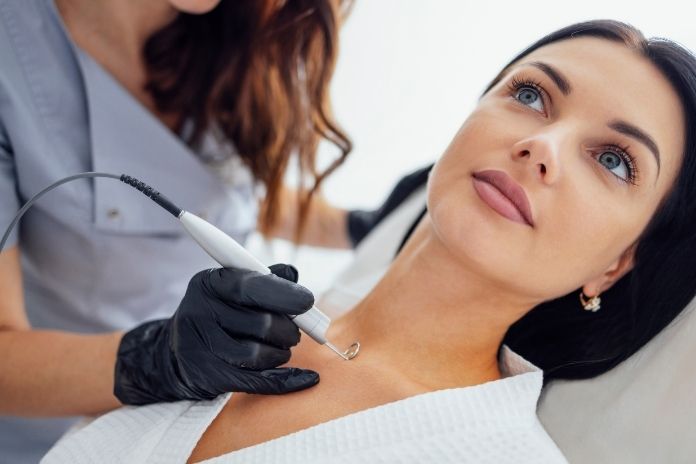
Professional treatments might significantly expedite progress if you seek faster results.
Laser Therapy (Picosure, Q-Switched, Fractional)
With an estimated prevalence of 19.4% in the United States, Acanthosis nigricans (AN) manifests as velvety, hyperpigmented plaques in intertriginous areas.
Modern dermatology offers advanced lasers for acanthosis nigricans, such as Q-switched and Pico lasers and fractional resurfacing. These lasers improve skin texture while removing excess pigment.
Benefits:
- Lessens the pigmentation
- Enhances the texture of thickening
- Encourages the reformation of collagen
Dermatologists perform pico, pigment, and fractional laser procedures every 4 to 8 weeks. Four to eight months are needed for a total of four to six treatments. Although results will follow the initial therapy, a reasonable objective is to observe a 20 to 60% improvement over six months.
Cost Expectations
Laser treatments for acanthosis nigricans typically range from $300 to $800 per session, with most patients requiring 4 to 6 sessions for optimal results. Total treatment costs can range from $1,500 to $4,800.
Insurance rarely covers these procedures when performed for cosmetic purposes, though coverage may be available if documented as medically necessary due to associated conditions like diabetes. Always verify coverage with your insurance provider before beginning treatment.
Downtime and Side Effects
Most laser treatments cause temporary redness and mild swelling lasting 2 to 5 days. Some patients experience light peeling or darkening of treated areas for 1 to 2 weeks before improvement becomes visible. Schedule your final laser session at least 3 weeks before any pre-wedding events, engagement photos, or the ceremony itself to ensure your skin looks its best.
Chemical Peels
Professional chemical peels for dark neck work by removing layers of thickened, darkened skin to reveal fresher, lighter skin underneath. Research shows that chemical peels can reduce both pigmentation and texture in acanthosis nigricans when performed consistently over several months.
Dermatologists commonly use these types of peels for acanthosis nigricans:
- Trichloroacetic Acid (TCA)— 15 to 20% concentration applied every 3 to 4 weeks. TCA peels remove excess keratin and melanin from the epidermis. Studies show significant improvement in skin texture and pigmentation after 3 to 4 monthly sessions, though some patients experience temporary darkening before improvement.
- Glycolic Acid— 35 to 70% strength for professional use. This alpha-hydroxy acid accelerates exfoliation and works well for mild-to-moderate cases. Some dermatologists prefer combining glycolic acid peel treatments with at-home maintenance creams.
- Salicylic Acid-Mandelic Acid Combination— 20% salicylic acid with 10% mandelic acid applied every 2 weeks. This combination peel is particularly effective for darker skin types (Fitzpatrick IV-V), which are most commonly affected by acanthosis nigricans. Research shows 100% of patients demonstrated significant improvement after 6 sessions when combined with maintenance creams.
When treating darker skin, which often presents with acanthosis nigricans, dermatologists typically avoid high-strength glycolic peels due to the risk of post-inflammatory hyperpigmentation. Salicylic acid and TCA peels at moderate concentrations are safer choices for skin of color.
Cost and Frequency
Chemical peels for acanthosis nigricans typically cost $150 to $400 per session. Most patients need 4 to 6 treatments spaced 2 to 4 weeks apart. Total treatment costs range from $600 to $2,400. Like laser therapy, insurance coverage is limited unless deemed medically necessary.
What to Expect During Treatment
Your dermatologist will cleanse the treatment area, then apply the peel solution with a brush or gauze. You’ll feel a tingling or mild burning sensation that lasts 5 to 10 minutes. The peel is then neutralized or left to self-neutralize.
Expect redness and peeling for 3 to 7 days after each session. Avoid sun exposure and use gentle, fragrance-free moisturizers during healing. Results become visible after 2 to 3 sessions, with continued improvement over the full treatment course.
Microdermabrasion
A skilled expert or registered dermatologist can do microdermabrasion, a painless, non-invasive exfoliating procedure that improves and rejuvenates the skin’s surface.
Ideally, dermatologists use microdermabrasion together with complementary treatments:
- Retinoid creams for pigmentation
- Brightening agents
- Use sunscreen every day
Step 2: Prescription Topicals for Visible Lightening
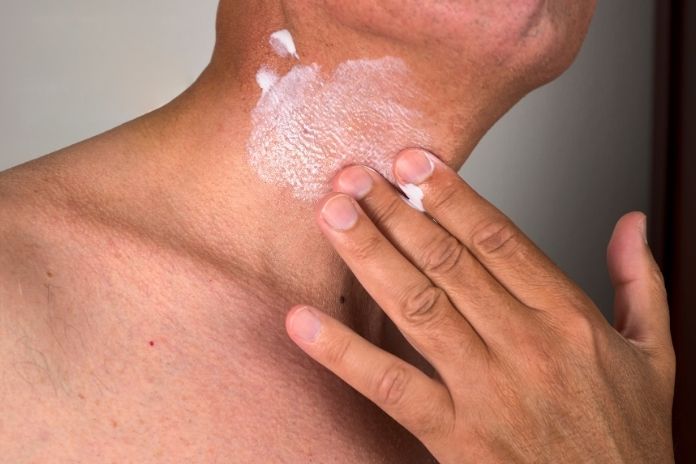
Topicals are crucial for preserving and improving clinical outcomes.
Retinoids (Tretinoin)
Retinoids (tretinoin) reduce pigmentation and stimulate cell turnover. The most effective treatment is a combination of retinoids, such as tretinoin, and exfoliating moisturizers that contain urea, salicylic acid, or ammonium lactate. Your doctor may choose to combine these two formulations.
Keratolytics (Urea, Glycolic Acid, Salicylic Acid)
When the skin becomes thick, you must refine it. To dissolve excess keratin buildup, products containing urea, lactic acid, or salicylic acid are effective. A urea cream containing 10 to 20% urea is appropriate for use on the neck and underarms, as it moisturizes while exfoliating.
Skin Lighteners (Hydroquinone, Kojic Acid, Azelaic Acid)
Dermatologist-approved skin lightening ingredients include:
- Short-term hydroquinone usage
- Kojic acid
- Azelaic acid
They lower the formation of melanin. To avoid irritation, they should be used carefully, especially before a wedding.
Avoid steroid-containing “instant whitening” lotions. These may result in rebound hyperpigmentation, which would deteriorate the long-term effects of hyperpigmentation treatments.
Read More: Dark Neck but Not Diabetic? The Hidden Hormonal Warning Sign
Step 3: Rapid Lifestyle and Nutritional Fixes

The fact is that your skin will relapse if you neglect insulin resistance. Up to 80% of cases involve insulin resistance and skin darkening.
Lower Insulin Levels, Faster Fade
To bring insulin back to normal:
- Cut back on sugary drinks and refined carbohydrates.
- Boost fiber and lean protein.
- Every day, spend thirty minutes exercising.
Even a simple low-carb diet for glowing skin can improve insulin sensitivity within weeks.
PCOS: A Major Cause in Women of Childbearing Age
Polycystic Ovary Syndrome (PCOS) is one of the leading hormonal causes of acanthosis nigricans in women, particularly those planning weddings. Research shows that 56% of women with PCOS develop acanthosis nigricans, and the condition often appears on the neck, underarms, and inner thighs.
PCOS causes elevated insulin levels and androgen hormones, both of which drive skin darkening. Women with PCOS who develop acanthosis nigricans often have more severe insulin resistance and face higher risks of developing type 2 diabetes.
If you have irregular periods, excess facial or body hair, difficulty losing weight, or a family history of PCOS, discuss these symptoms with your doctor. Treating PCOS with metformin, hormonal birth control, or lifestyle modifications can dramatically improve skin appearance within 3 to 6 months.
Short-Term Diet Adjustments
A well-planned low-carb diet for glowing skin helps balance hormones and reduce inflammation. Nowadays, a lot of doctors advise dietary changes in addition to hyperpigmentation treatments.
Getting enough omega-3s and staying hydrated both work wonders for keeping your skin soft and helping it heal.
Medical Support
Metformin is a medicine that enhances cellular glucose uptake and greatly reduces circulating insulin levels. Therefore, a dermatologist or endocrinologist may prescribe metformin for insulin resistance in those who have been diagnosed with it.
Step 4: Daily Maintenance Routine
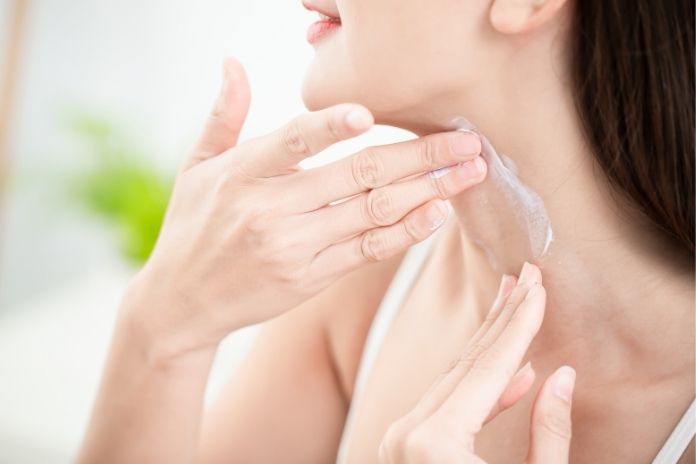
Without adequate daily care, even the finest medicines are ineffective.
Gentle Exfoliation
Removing dead skin cells can be achieved with substances such as lactic acid or glycolic acid. Stay away from loofahs and scrubs. Friction makes inflammation worse and can slow down the process to fade acanthosis nigricans fast.
Deep Hydration and Protection
If you want to make thickened skin softer and more hydrated, go for a urea cream or a lactic acid lotion. Use them daily. Stick with a moisturizer that won’t clog your pores.
And don’t skip sunscreen, pick one with SPF 50 or higher, since sun exposure can darken the skin and slow down acanthosis nigricans treatment before the wedding, especially before your wedding.
Makeup and Concealer Strategies for Your Wedding Day
Even with successful treatment, some residual discoloration may remain visible on your wedding day. Professional makeup artists recommend color-correcting primers in peach or orange tones to neutralize dark patches before applying foundation. Choose long-wear, waterproof formulas and set with translucent powder for all-day coverage.
Schedule a makeup trial 2 to 3 weeks before the wedding to test products and techniques. Consider hiring a professional makeup artist experienced with skin of color or hyperpigmentation for the most natural, camera-ready results.
Avoid Common Mistakes
- Try not to apply an excessive amount of skin-lightening ingredients.
- Avoid making your own cures with baking soda or lemon.
- Be sure to apply moisturizer after peeling.
Read More: Why Your Neck Hurts: Uncovering Hidden Causes
Realistic Results Timeline
You can schedule your wedding skincare routine more efficiently if you know what to expect and when. Utilize this guide to evaluate your development:
Phase 1: Changes in Texture (2–8 weeks)
- Skin starts to feel thicker, but at the same time, it’s not as rough as before.
- That velvety feel begins to fade.
- The folds in your skin aren’t as noticeable, even if it’s a subtle shift.
- Though not immediately apparent, it is perceptible.
Phase 2: Lightening of Color (8-16 weeks)
- Browning gradually from the darkest to the lightest.
- Most obvious in places where the skin is thinner.
- Patches’ centers frequently brighten more quickly than their edges.
- Daily progress may appear gradual, but monthly progress is evident.
Phase 3: Reduction in Size (4–8 months)
- The dark patches start to fade.
- Their edges blur, so they’re not easy to spot.
- Some areas clear up completely.
- The spots that stick around keep fading, getting lighter over time.
Phase 4: Ongoing Maintenance
- With regular therapy, you keep making progress.
- No new patches appear, and things stay under control.
- Sustained maintenance of outcomes.
- They obtained the best results.
Preventing Recurrence After the Wedding
Acanthosis nigricans will gradually return if the underlying metabolic cause is not continuously managed. After your wedding, maintain your results by continuing your skincare routine, staying physically active, and monitoring your insulin levels through regular check-ups.
Weight regain or discontinuation of medications like metformin can cause patches to darken again within 3 to 6 months. Consider scheduling follow-up appointments with your dermatologist every 6 to 12 months to catch early signs of recurrence and adjust your treatment plan as needed.
Success Rate Benchmarks
Research shows variable but promising results across different treatment approaches:
- Topical tretinoin alone: 60 to 80% of patients show improvement within 16 weeks, though maintenance is required
- Chemical peels (TCA or glycolic): 50 to 70% improvement in pigmentation and texture over 3 to 4 months
- Fractional CO2 laser: 40 to 65% reduction in pigmentation severity after 4 to 6 sessions
- Combined approach (laser plus topicals plus metabolic management): up to 70% improvement is possible within 4 to 6 months
Individual results vary based on severity, consistency of treatment, and successful management of underlying insulin resistance or hormonal imbalances.
When to See a Dermatologist

Talk to your dermatologist or doctor if you notice your skin looks different. Even small changes or marks that don’t seem like a big deal can signal a problem. Sometimes, acanthosis nigricans shows up as a sign of prediabetes or diabetes. It’s worth talking to a healthcare provider to ensure you get the right care.
Warning Signs Requiring Immediate Attention
Seek medical evaluation immediately if you experience:
- Sudden onset or rapid spreading of dark patches within weeks or months, especially if you’re middle-aged and not overweight
- Patches appearing in unusual locations such as the lips, palms, soles of feet, or mucous membranes
- Itching, odor, or oozing from affected areas
- Unexplained weight loss accompanying skin changes
- New patches after age 40 without a history of obesity or diabetes
These symptoms can indicate malignant acanthosis nigricans, a rare but serious condition associated with internal cancers, particularly gastric adenocarcinoma. Malignant acanthosis nigricans occurs in less than 1% of cases but requires urgent investigation.
Additionally, consult your doctor if you have acanthosis nigricans along with:
- Irregular menstrual periods (possible PCOS)
- Persistent fatigue or increased thirst (possible diabetes)
- Family history of diabetes or metabolic syndrome
- Difficulty losing weight despite diet and exercise
Early detection of these underlying conditions can prevent serious complications like type 2 diabetes, cardiovascular disease, and infertility.
Read More: Is Self-Tanner Bad for You? What the Science Really Says
Conclusion
Acanthosis nigricans is more than just a superficial problem. It’s an outward sign of what’s going on within your body. The most successful treatment for acanthosis nigricans is addressing the underlying cause, which may include insulin resistance, obesity, or hormonal imbalance.
Additionally, applying the appropriate acanthosis nigricans treatment cream can improve visible results and boost confidence, even while medicine and lifestyle modifications help.
For brides and grooms preparing for their big day, the best results come from early planning (ideally 4 to 6 months before the wedding), professional guidance from a dermatologist, and a comprehensive approach that treats both the skin’s appearance and the body’s metabolic health.
While quick-fix creams won’t work alone, a strategic combination of professional treatments, prescription topicals, and lifestyle changes can help you feel confident and beautiful on your wedding day.
References
- American Academy of Dermatology Association. (n.d.). Acanthosis nigricans: Overview.
- Mary L. Gavin, MD. (January 2021) Acanthosis nigricans.
- nidirect government services. (n.d.). Acanthosis nigricans.
- NHS. (04 July 2024). Acanthosis nigricans.
- Dr Davin Lim. (n.d.). Acanthosis nigricans treatment.
- Miller, J. H. (2025, February 18). Acanthosis nigricans treatment & management.
- Mayo Clinic Staff. (April 30, 2025). Acanthosis nigricans — diagnosis and treatment.
- Cleveland Clinic. (02 November,2021). Acanthosis nigricans.
- American Academy of Dermatology Association. Acanthosis nigricans: Tips for managing.
- Dermatology.pk. (August 24, 2025). Acanthiosis treatment & results.
- Lybrate. (2023, March 17). Acanthosis nigricans: Causes, symptoms, treatment and cost.
- Kong AS, et al. Acanthosis Nigricans: high prevalence and association with diabetes in a practice-based research network consortium. J Am Board Fam Med. 2010 Jul-Aug;23(4):476-85. DOI: 10.3122/jabfm.2010.04.090221
- Bitterman D, et al. Systematic review of topical, laser, and oral treatments in acanthosis nigricans clinical trials. Arch Dermatol Res. 2024 Jun 21;316(7):424. DOI: 10.1007/s00403-024-02931-3
- Patel NU, et al. Current treatment options for acanthosis nigricans. Clin Cosmet Investig Dermatol. 2018;11:407-413. PMID: 30214214
- Leung AKC, et al. Acanthosis Nigricans: An Updated Review. Curr Pediatr Rev. 2023;19(1):68-82. PMID: 36698243
- Jain V, et al. Acanthosis nigricans: A screening test for insulin resistance. Indian J Pediatr. 2017 Oct;84(10):776-781.
- Shivaprakash G, et al. Acanthosis Nigricansin PCOS Patients and Its Relation with Type 2 Diabetes Mellitus and Body Mass. J Clin Diagn Res. 2013 Feb;7(2):317-9. PMID: 23543316
- StatPearls. Acanthosis Nigricans. Treasure Island (FL): StatPearls Publishing; 2023 Aug 11. PMID: 28613700
In this Article