










- Bidets can improve hygiene and reduce skin irritation by gently washing away residual stool with water instead of relying on toilet paper, which can cause irritation.
- They may help people with hemorrhoids, postpartum soreness, sensitive skin, or mobility issues, but they are not medical treatments
- Safe use matters: gentle pressure, proper direction, and regular cleaning are essential to avoid skin irritation or infections..
A bidet is a bathroom fixture or toilet attachment that uses a gentle stream of water to clean the genital and anal areas after using the toilet. Over the last decade, especially after the toilet-paper shortages during the COVID-19 pandemic, bidets have moved from unfamiliar European fixtures to everyday bathroom upgrades in many North American homes.
Affordable bidet attachments are now widely sold in large retail stores, and online searches about their hygiene and health benefits are rising steadily.
However, interest often comes with confusion: are bidets really more hygienic? Do they relieve hemorrhoids or skin irritation? Do bidets prevent UTIs, or can they cause them?
The truth is in the middle. Bidets really can be a more hygienic and irritation-relieving solution for many people, particularly those with sensitive skin, post-childbirth irritation, or mobility issues. However, they are not a medical device, and improper use can cause irritation or infection.
It is crucial to understand both the pros and cons of bidets before determining if you actually need one in the bathroom.
This article will discuss how bidets work, what studies have found regarding hygiene and skin health, and how to properly use a bidet.
Read More: Why Sitting Too Long on the Toilet May Raise Your Risk of Hemorrhoids
What Is a Bidet and How Does It Work?
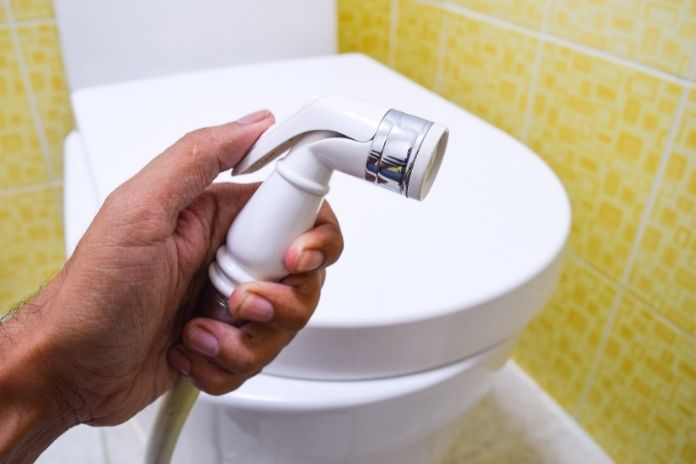
A bidet is a water-based toilet accessory that helps clean the genital and anal regions after using the toilet. Conventional bidets are separate toilet fixtures located side by side with the toilet, a common feature in Europe and South America.
In North America, bidets are usually toilet seat attachments or electric bidet seats that have a retractable water nozzle. These bidets come with features such as warm water, water pressure control, air drying, and heated seats.
According to Health.com, a bidet is a hygiene accessory that uses water instead of friction to clean. This is important because toilet paper, which is used for cleaning, works by rubbing against the skin, while water cleaning dissolves and rinses away residue.
The skin surrounding the anus and genital areas is thin and sensitive. Wiping the area repeatedly can weaken the skin, while water cleaning can remove residue without irritating the skin.
Potential Health Benefits of Using a Bidet
1. Improved Perianal Hygiene
The skin around the anus may still retain minute amounts of fecal matter even after cleaning. This can lead to irritation, odor, or the introduction of bacteria.
Water rinsing removes this residue better than dry wiping alone. According to clinical reviews, individuals who regularly practice water cleansing feel cleaner and have fewer symptoms of skin irritation, especially if they have diarrhea, incontinence, or frequent bowel movements.
Hygiene in this area may reduce skin irritation and discomfort, though this varies with regular maintenance of the bidet.
2. Reduced Skin Irritation and Friction
Toilet paper can cause microabrasions, or small tears in the skin, particularly if repeated wiping occurs or if the paper is rough or fragrant. Microabrasions allow bacteria and irritants to enter the skin, causing itching or dermatitis.
Bidets prevent skin irritation caused by using toilet paper. Dermatologists recommend gentle skin care instead of rubbing irritated skin. Bidets also come with several adjustments, and water temperature is one of them. Individuals with eczema, psoriasis, allergies, or sensitive skin may find warm-water rinsing helpful.
However, extremely hot water or intense pressure can still irritate, so adjusting the temperature is essential.
3. Relief for Hemorrhoids and Anal Fissures
Hemorrhoids and fissures make wiping with toilet paper painful. Friction and rubbing worsen inflammation and delay healing.
Physicians may recommend soaking in a sitz bath or a gentle wash after a bowel movement. A bidet provides the same thing, but with less pain and irritation from rubbing. Some studies show that this method can reduce pain and help you stay clean without irritating the area.
However, a bidet is not a solution to hemorrhoids and fissures. The solution to these problems is to treat the underlying causes of constipation, straining, pregnancy, and other factors.
4. Postpartum and Post-Surgical Comfort
Following childbirth, an episiotomy, or anorectal surgery, the perineal region may remain swollen or sore. Trying to wipe may be painful. Some practitioners recommend the use of peri bottles or washing by hand. Bidets can also provide relief by washing without applying pressure. This will help to keep the region clean as skin tissues repair.
For patients who are recovering from surgery, bidets may also be easier to use because they reduce the need to bend or twist.
5. Potential Benefits for Limited Mobility
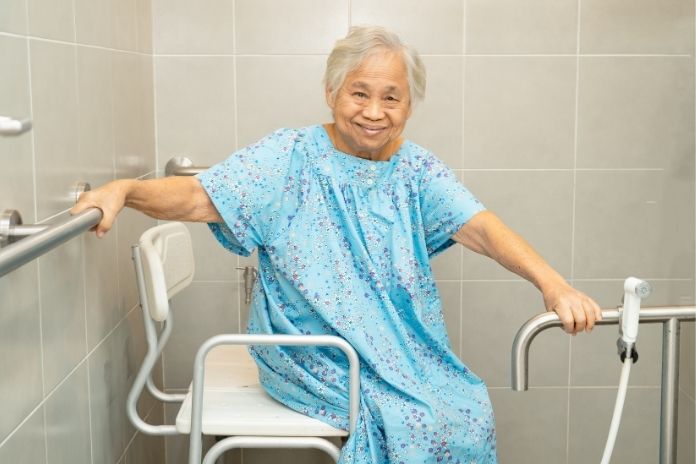
People with arthritis, back pain, obesity, or disability may struggle with wiping. Bidets reduce physical strain and improve hygiene independence.
In long-term care settings, similar water-cleansing methods are used to prevent skin breakdown and improve patient comfort.
Read More: Toilet Infections: Types, Symptoms, Prevention, and Treatment
Bidets and Urinary Tract Infections (UTIs)
Some people believe bidets reduce the risk of urinary tract infections by keeping the area clean. The thinking is that washing away bacteria in the area around the urethra helps. However, the data isn’t clear.
Studies indicate that bidets may help make the exterior area appear cleaner, but they don’t effectively prevent UTIs. And if you use them improperly, such as spraying from back to front or using a contaminated nozzle, you may end up with more bacteria.
It’s also important to use them properly. You should use a bidet carefully and point the spray from front to back. If you have had frequent urinary tract infections, you should discuss this with a healthcare professional before making any changes to your personal hygiene.
Bidets and Vaginal Health
The vagina needs a balance of good bacteria. Over-washing, especially when it involves internal washing, can disrupt this balance. Some studies suggest that the regular or high-pressure use of bidets may alter the balance of vaginal flora in some women.
This does not mean that bidets are harmful, but it does emphasize the importance of gentle, external washing only. Hot water, prolonged washing, or forceful water jets can cause drying or irritation.
Are Bidets More Hygienic Than Toilet Paper?
Comparative studies on cleaning practices seem to indicate that water is more effective than dry cleaning in removing residue, which is important for perianal hygiene. However, hygiene also requires maintenance.
Bacterial growth on nozzles is a problem, especially in public restrooms. Bacterial risks in such public environments should also be considered. Proper installation, cleaning, and drying of bidets can make them hygienic. In conclusion, bidets are more hygienic than toilet paper, but they are not necessarily safer.
Possible Downsides or Risks of Bidet Use
Bidets are safe, but issues can arise if used improperly or not cleaned regularly. Too much pressure can irritate the skin or make fissures worse, and washing too frequently can dry out the area. If the nozzle is not cleaned, bacteria can be transferred.
There have been a few instances of infections linked to bidets that have not been cleaned properly in a hospital setting. These are not common and can be attributed to poor hygiene. Using them properly can greatly reduce the risk.
How to Use a Bidet Safely
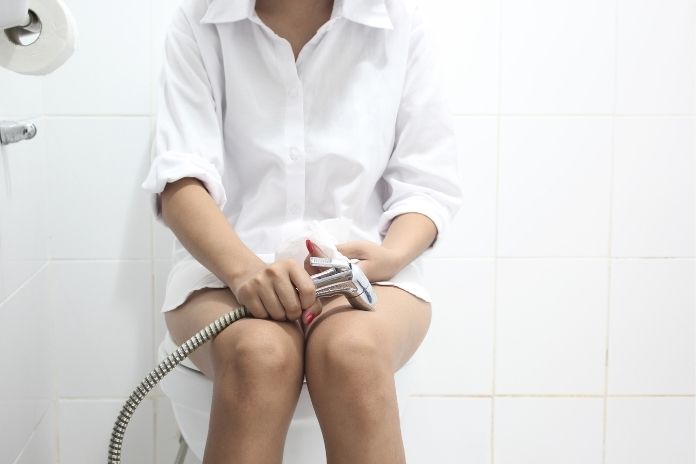
Gentle pressure and lukewarm water are best. Spray from front to back to prevent the transfer of bacteria. Keep washing times short and pat the area dry with a clean tissue or towel. Regularly clean the nozzle and do not use a bidet without cleaning it if you are sharing it with someone else.
Read More: Why Using Your Phone on the Toilet Might Be Bad for Your Health
Who May Benefit Most From Using a Bidet
People with hemorrhoids, postpartum soreness, sensitive skin, or mobility challenges often benefit from gentler cleaning. Older adults may find bidets easier to use and more hygienic than wiping.
For these groups, bidets can improve comfort and independence.
Bottom Line
Bidets help improve hygiene, relieve irritation, and provide comfort for many individuals. Bidets can be particularly useful for individuals experiencing hemorrhoids, sensitive skin, post-delivery conditions, or mobility issues, helping them stay cleaner and more comfortable.
However, it is essential to note that a bidet is not a solution to the problem. A bidet is most effective when used and maintained properly; if the problem persists, consult a healthcare professional.
In many North American households, a bidet is not only a luxury item but also a useful device that can improve hygiene and support skin health when used correctly.
References
- WebMD. (n.d.). Are there health benefits to using a bidet? Retrieved February 23, 2026, from
- ResearchGate. (2017). Public health and healthcare-associated risk of electric warm water bidet toilets. Retrieved February 23, 2026, from
- ResearchGate. (2010). Effect of bidet toilet use on preterm birth and vaginal flora in pregnant women. Retrieved February 23, 2026, from
- Cloudnine Hospitals. (n.d.). The recovery process after an episiotomy: What to expect. Retrieved February 23, 2026, from
- Health.com. (n.d.). What is a bidet? Retrieved February 23, 2026, from
- The Skimm. (n.d.). Why does my anus smell? Retrieved February 23, 2026, from
In this Article