

















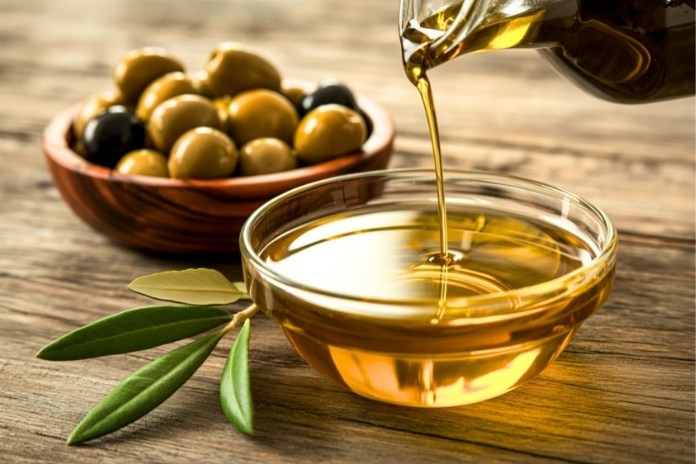
There’s a subtle revolution underway in kitchens from coast to coast in North America. Rather than eliminating comfort foods from the menu, people are making a switch in the oils they use for cooking. Nutrition experts have dubbed this a “heart flip,” swapping butter for olive oil to enjoy the taste and satisfaction of their meals while also reducing the risk of heart disease.
This concept is certainly not new. Rather, it’s a variation on the eating style of the Mediterranean diet. In that culture, olive oil is the primary source of fat in meals, and the incidence of heart disease is lower. Scientific research indicates that swapping out saturated fats for unsaturated oils results in a better cholesterol profile and a lower risk of heart disease.
The beauty of this solution is that you don’t have to give up your mashed potatoes, toast, brownies, and roasted vegetables. You simply use a better way to prepare them. In this article, let us understand how olive oil is better for heart health, easy ways of substituting butter with olive oil, and a few tips on including olive oil in your favorite dishes.
Read More: The Best (and Worst) Cooking Oils for Hormonal Balance and Fertility
Why Olive Oil Beats Butter for Heart Health
The Fat Difference — Saturated vs. Unsaturated
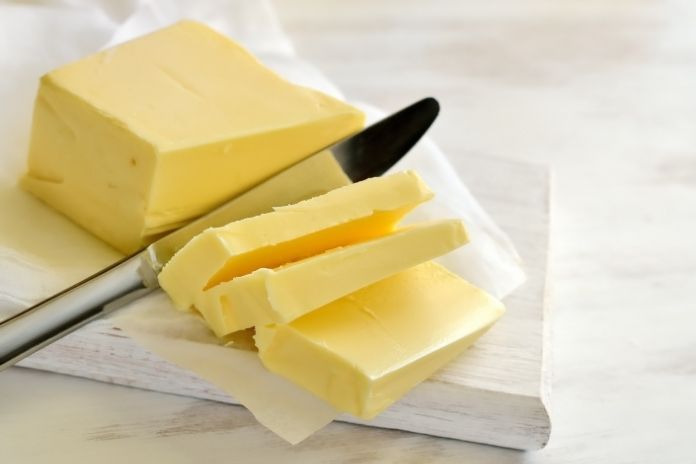
When comparing olive oil with butter, the primary difference between the two is the type of fat they contain. Butter contains saturated fat, but olive oil contains monounsaturated fat.
Saturated fat is known to increase the levels of LDL, or “bad” cholesterol, in the blood. This can lead to plaque building up in the arteries, which, in turn, can lead to heart problems such as atherosclerosis and heart disease. Butter is also known to contain high amounts of cholesterol and only a few beneficial compounds.
This is not to say that butter is bad for you in small amounts, but it can hurt your health if used as the primary source of fat in cooking meals. Olive oil, particularly the extra virgin kind, has a different effect on the human body than butter does.
The fat in olive oil is known to decrease the levels of LDL in the blood, but it also helps in increasing the levels of HDL, or “good” cholesterol. This is the reason why olive oil is advised for heart health by doctors and nutritionists, and many nutritionists recommend the gradual substitution of butter with olive oil in the diet.
Polyphenols and Antioxidants: Olive Oil’s Secret Weapon
Another reason why olive oil stands out from the rest is the natural compounds found in the oil. Extra-virgin oil contains compounds such as polyphenols and antioxidants, derived from plants, that help protect the body’s cells from oxidative stress. These compounds help the arteries function better, as they improve the endothelial function of the blood vessels.
The endothelial function refers to the ability of the blood vessels to constrict and dilate as required. The compounds help control inflammation, which contributes to heart conditions and other metabolic disorders. The compounds may also aid control blood sugar levels as they improve the sensitivity of the body to insulin.
On the other hand, butter does not contain any of the natural compounds found in olive oil. Butter only contains compounds necessary to provide energy and taste, with minor amounts of vitamins. Butter does not contain the anti-inflammatory compounds found in olive oil.
This explains why people who eat olive oil as part of their diet have fewer chances of developing heart conditions, metabolic syndrome, and other health conditions. The fat found in the oil is important, but the other compounds found in the oil play a vital role as well.
Read More: Olive Leaves: The Forgotten Superfood That Could Transform Your Health
The “Heart-Flip” Effect — A Small Change, Big Benefits

Making the switch from butter to olive oil is a seemingly insignificant change, but nutrition science reveals the significance of these small changes over time. When we replace animal fats with plant oils, the good news is that blood cholesterol levels will begin to improve in as little as a few weeks.
The “heart flip” of the human body is the result of the interrelatedness of the foods we eat with inflammation, heart health, and the way we metabolize the foods we eat, and olive oil helps with all of these issues.
For an individual who seeks comfort foods every day, this is one of the easiest changes they can make in support of their heart health without depriving themselves of the foods they love. It’s not about depriving ourselves of the foods we love but about choosing an oil that works with us instead of against us.
How to Swap Olive Oil for Butter — The Right Way
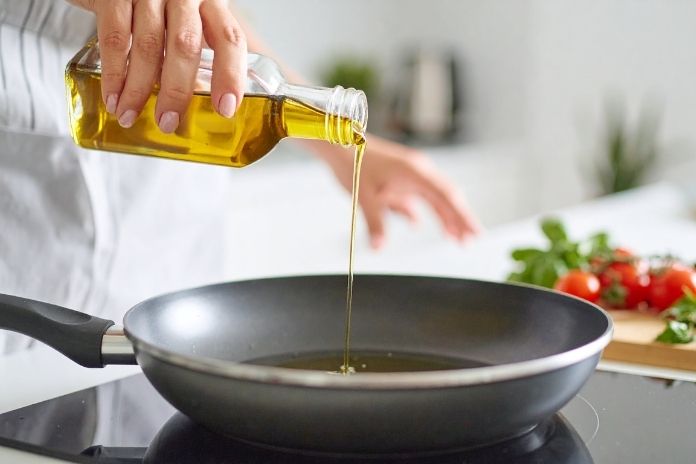
Changing fats works best when done thoughtfully, because butter and olive oil behave differently in recipes.
Cooking Conversion Ratios
In sautéing or roasting dishes, you can use the same quantity of olive oil as butter. The end product will be similar, and the oil will offer the same flavor as butter while providing the health benefits of oil.
- In baking dishes, the use of butter and oil can be approximated as 3/4 cup of oil for every cup of butter used.
- If the dish requires the moisture content of butter, you can add one tablespoon of milk or water for every half cup of butter replaced.
The simple substitutions for butter using olive oil will help you create healthier versions of baking products such as muffins, brownies, and quick breads.
Read More: 15 Healthy Butter Alternatives for Toast (That Taste Amazing and Are Better for You)
The Best Type of Olive Oil for Each Use
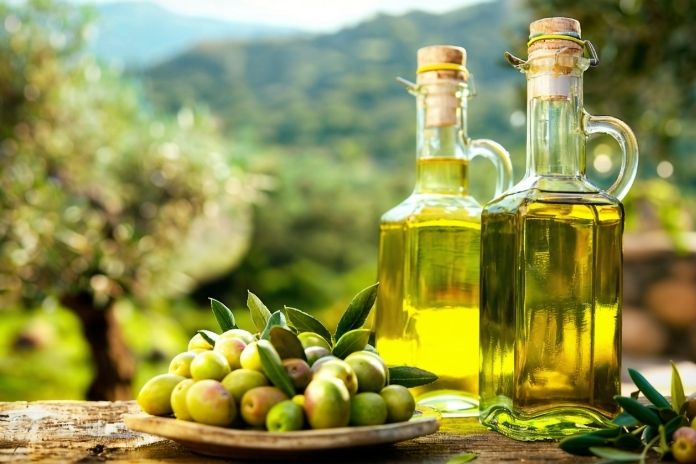
However, not all olive oils have the same taste. A mild or light olive oil is best used for desserts where you do not want to use an oil with a strong flavor, such as in cakes, muffins, and banana bread, which remain moist with a mild flavor.
Extra virgin olive oil is a good option for savory dishes, adding grassy, fruity undertones to vegetables, pasta, soups, and mashed potatoes. As it is not processed, it has more antioxidants and polyphenols, making it the healthiest. Cold-pressed olive oil in dark-colored bottles is best to maintain quality and flavor.
Choosing good olive oil really pays off in terms of flavor and health benefits.
When Not to Substitute Olive Oil
Some recipes depend on the solidity of butter to hold air or create flakiness. Puff pastry, croissants, pie crusts, and angel food cake are all examples of recipes that depend on the solidity of butter until they go into the oven. Olive oil simply cannot do that.
So it’s perfectly okay to use a combination of butter and olive oil or just plain butter on occasion. The goal is not to achieve perfection but to get reliable results from your cooking.
Comfort Foods Made Heart-Healthy
The real magic of olive oil appears when you apply it to familiar dishes.
Mashed Potatoes with Olive Oil
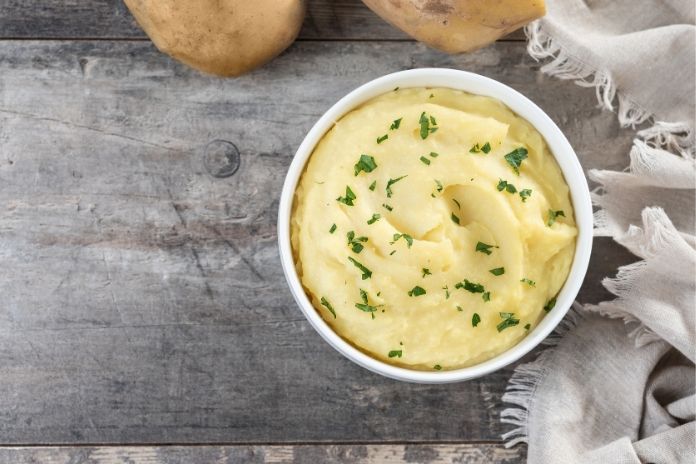
Mashed potatoes, the old-school comfort food, typically come loaded with butter and cream. But by using extra-virgin olive oil and vegetable stock, we can get that creamy sensation with fewer saturated fats.
Roasted garlic, thyme, or chives can really add to the flavor, adding depth to an otherwise boring dish of mashed potatoes with olive oil. The finish is rich, yet easier on cholesterol levels.
Grilled Cheese or Toast Upgrade
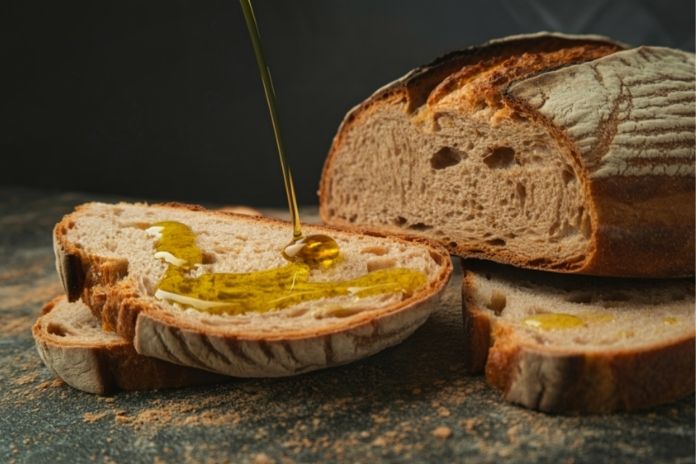
Instead of buttering bread, brush it lightly with olive oil before grilling. The bread turns crisp and golden with a nutty aroma. This method reduces saturated fat while adding Mediterranean character to sandwiches and toast.
Pair with tomato soup or avocado slices for a balanced, satisfying meal.
Baking Favorites: Brownies, Muffins, Banana Bread
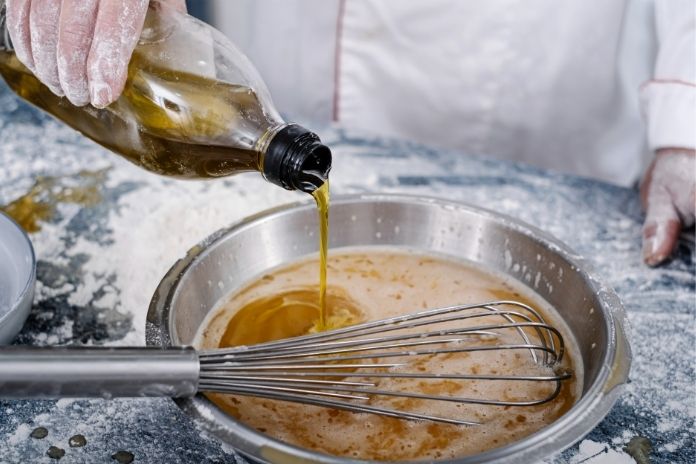
Olive oil is an excellent replacement for butter in dense baked goods. It keeps cakes fresh for longer and prevents quick breads from drying out. Olive oil also complements the taste of cocoa, vanilla, cinnamon, or the tanginess of lemon or orange zest well. For many people, olive oil-baked brownies turn out better than the traditional butter versions.
Roasted Veggies and Sautés
Incorporating olive oil into your dishes not only adds more flavor to your food but also assists the body in absorbing fat-soluble vitamins such as vitamins A, D, E, and K. To prepare your vegetables for roasting, mix olive oil with herbs and garlic and sprinkle this mixture over the vegetables.
The result is not only aromatic and flavorful but also rich in nutrients. This is one of the easiest heart-healthy cooking tips that encourages the consumption of more vegetables due to their pleasant taste and smell.
Practical Tips to Maximize Flavor and Nutrition
Store olive oil in a cool, dark place to protect antioxidants from heat and light. Choose high-quality extra virgin olive oil with a recent harvest date.
If switching completely feels difficult, combine butter and olive oil at first. This hybrid method preserves flavor while lowering saturated fat intake. Over time, taste buds adapt, and olive oil becomes the default.
Remember that even healthy fats are calorie-dense, so mindful portions matter.
Key Takeaway — The Smartest Comfort Food Upgrade
But replacing butter with olive oil is not about dieting or giving up pleasures. It’s about making cooking more beneficial for your heart, your cholesterol, and your long-term health.
Making this change in your kitchen can transform comforting foods into delicious meals that are good for you. Begin with roasted vegetables or mashed potatoes, and then try baking and sautéing with olive oil.
Soon, it becomes second nature, and your favorite dishes remain just as comforting while providing long-term benefits far beyond mealtimes.
References
- About Olive Oil. (n.d.). What is the difference between antioxidants and polyphenols? Retrieved February 17, 2026.
- Allrecipes Editorial Team. (n.d.). How to substitute butter for oil. Retrieved February 17, 2026.
- Big Paw Olive Oil. (n.d.). Unveil the different olive oil toasts. Retrieved February 17, 2026.
- Cadry, K. (n.d.). Olive oil mashed potatoes. Veggies Save the Day. Retrieved February 17, 2026.
- Hooper, L., et al. (2015). Reduction in saturated fat intake for cardiovascular disease. Cochrane Database of Systematic Reviews, 2015(6).
- Schwingshackl, L., Hoffmann, G., & Boeing, H. (2022). Adherence to Mediterranean diet and risk of cardiovascular disease: A systematic review and meta-analysis. Nutrients, 14(3).
- The Takeout. (n.d.). Brown butter baking swap. Retrieved February 17, 2026.
In this Article