




















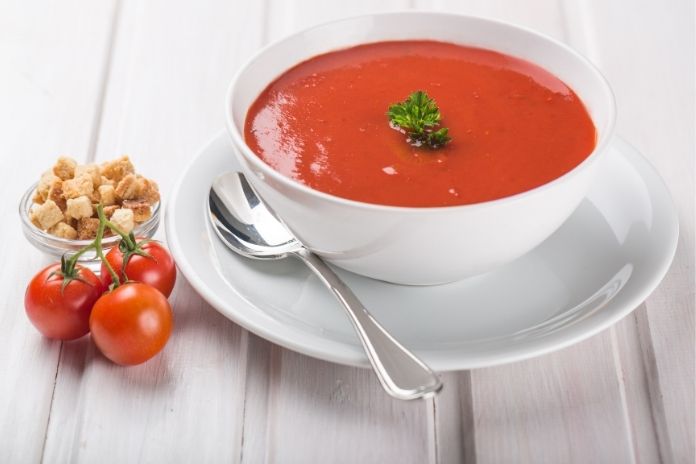
Tomato soup is considered to be good for you. First off, it’s warm and comforting, evoking memories of childhood. It’s also inexpensive and can be recommended as a light meal when you’re feeling sick or tired. Since tomatoes are already well-known for their health benefits, it’s natural to assume that tomato soup will be good for you as well.
However, there’s a hidden danger that many dietitians refer to as the “silent salt” phenomenon. Many tomato soups contain large amounts of sodium, which can affect cardiovascular health. This phenomenon should especially concern the sodium content of canned tomato soup and its relationship with blood pressure.
While it’s true that tomatoes are good for you, it’s also true that once they’re processed into tomato soup, they’re no longer as good for you as you would think. The sodium content of the tomato soup can turn what would otherwise be a healthy food into a possible cause of hypertension.
In this article, let us explore the hidden salt problem in canned tomato soups, the risks of high sodium intake, and how to make better choices.
Read More: 26 Health and Beauty Benefits of Tomatoes You Need to Know
The Hidden Salt Problem in Canned Tomato Soup
How Much Sodium Is in a Typical Can?
If you go to the cupboard, grab a can of the most common tomato soup, and look at the nutritional information on the can, you will see that the sodium level of the soup (one serving) will range from 600 to 850 milligrams. And the serving size is two, meaning you can eat the entire can and go way over the recommended daily sodium limit for someone trying to manage hypertension.
The recommended level of sodium for most adults should be 2,300 milligrams or less, while for people trying to manage hypertension, it should be 1,500 milligrams or less. So you can see how a can of tomato soup can play a large role in the recommended daily sodium intake.
This is why you will continue to hear from nutritional experts about the connection between salt and blood pressure. Even healthy foods, such as tomato soup, can become problematic when eaten regularly.
Sodium helps preserve the soup’s texture, extends its shelf life, and helps reduce the tomato’s tanginess. All of these help make the tomato soup both useful and delicious.
Why “Reduced Sodium” Doesn’t Always Mean Low Sodium
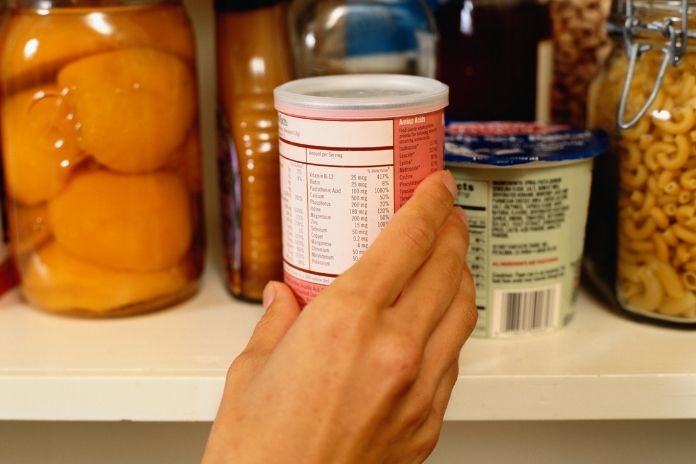
It can be tricky to read and understand soup labels. A “reduced sodium” soup, for instance, only has to contain at least 25 percent less sodium than its original version. However, if the original version was already high in sodium, then the “reduced sodium” version could still contain high amounts of sodium.
For someone with high blood pressure, a cup of soup with 700 milligrams of sodium could still be too much. However, experts recommend choosing “low sodium” or “no salt added tomato soup,” which contain much lower amounts of sodium.
How Sodium Affects Blood Pressure and Fluid Balance
Excessive salt disrupts the body’s fluid balance. When the amount of salt rises, the body holds onto more fluids to restore balance. The more fluids it holds onto, the higher the pressure inside the blood vessels. The heart beats faster to compensate for the pressure.
If this persists, it will lead to hypertension. The link between salt and fluid balance also helps to account for the symptoms of swelling, bloating, and thirst. These are all symptoms of fluid retention caused by excessive salt intake.
The balance of potassium and salt is essential. Potassium helps to relax blood vessels and helps the body flush out excess salt through urine. However, most packaged foods contain a lot of salt but little potassium.
Read More: Hearty and Healthy Soups: Warm Bowls for Nourishing Comfort
The Healthy Side of Tomatoes — and Why It Gets Lost
Potassium and Lycopene: The Natural Blood Pressure Allies
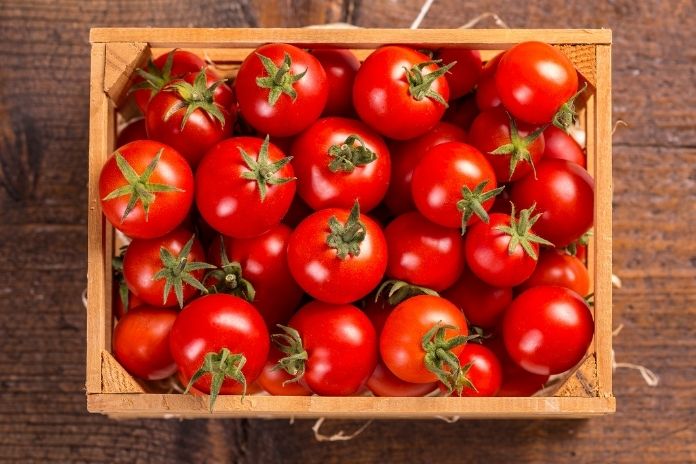
Fresh tomatoes contain potassium, vitamin C, fiber, and antioxidants such as lycopene. All of these nutrients improve heart health in several concrete ways. For one, potassium helps control blood pressure by offsetting sodium levels.
Several studies indicate an association between tomato consumption and improved cardiovascular health, underscoring the significance of natural foods in the management of hypertension.
Tomatoes, when consumed in their natural state, improve heart health in several ways, including improving circulation and electrolyte balance and reducing cardiovascular risk.
What Processing Does to Tomato Soup Nutrition
When fresh tomatoes are turned into canned soup, companies often add salt, sugar, and other ingredients. Cooking can sometimes help your body better absorb tomato nutrients, but if the soup has too much salt, it can reduce these health benefits. Heat processing can also reduce the amount of vitamin C in the tomato.
Added sugars increase the calorie content, and the use of cream increases the saturated fat content. This nutrient-rich food is turned into processed food, potentially leading us down the path of high-sodium foods and hypertension, rather than preventing it.
Are You at Risk? Signs of Too Much Sodium

Because sodium can hide in the body, hypertension can sneak up on you as a silent condition. However, tiny signs can creep into the body. They can present themselves as thirst, swollen hands or ankles, headaches, tiredness, or rising blood pressure.
Some people are more sodium-sensitive than others. These include older people, individuals suffering from kidney problems, heart problems, or those already suffering from hypertension. For such people, even small increases in salt intake can raise blood pressure.
Following a high-sodium diet for a long time can lead to heart problems, stroke, and kidney problems. The first step towards ensuring long-term health is identifying hidden sources of salt, such as canned soup.
Read More: Cabbage Soup Diet: A Simple, Affordable Way to Jump-Start Fat Loss
How to Choose a Heart-Healthy Tomato Soup

Read Labels the Smart Way
It is important to read nutrition labels. When selecting soup, choose one that contains less than 140 milligrams of sodium per serving. Be aware of the serving size on the label since this is not the entire can of soup.
You should also read the daily value percentage on the label because food products containing more than 20% of the daily value of sodium per serving are high in sodium. If you have high blood pressure, choose tomato soup labeled “no salt added.”
Best Store-Bought Options for Low-Sodium Tomato Soup
When selecting store-bought soups, the quality of the ingredient list is more important than the manufacturer’s reputation. Soups with fewer ingredients, fresh tomatoes, herbs, and fewer additives can provide heart-healthy soup alternatives for busy households, as carton soups have less sodium content than traditional canned soups.
How to Reduce Sodium When Using Canned Ingredients
However, if you already have canned soup at home, you can minimize sodium while maintaining flavor by using water or unsalted broth to thin it out. You can also increase volume by adding more veggies, beans, or grains, which do not increase sodium content.
A dash of lemon juice or vinegar can also enhance flavor while keeping sodium in check. Herbs like basil, oregano, thyme, and garlic can also be added to enhance flavor, making the soup more satisfying with less sodium.
Make It Yourself: A Simple Low-Sodium Tomato Soup Recipe
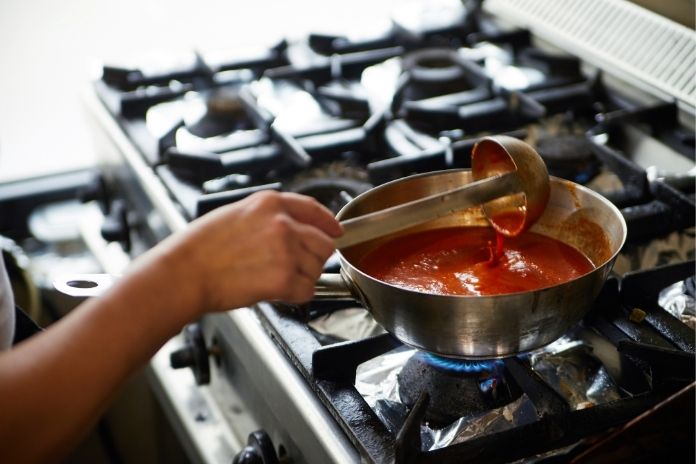
Making low-sodium tomato soup at home can help you control the ingredients you use while still reaping the nutritional benefits.
To make it, start by roasting fresh tomatoes, onions, and garlic in oil to bring out their natural sweetness. The ingredients can then be blended with vegetable broth and simmered to achieve a smooth consistency. The herbs used can range from basil or oregano to some black pepper and lemon juice.
This way, the tomato soup will not only be low in sodium but will also retain the natural potassium content and lycopene, which help the heart.
Key Takeaway — Small Swaps, Big Heart Health Impact
Tomato soup is not an unhealthy option; the problem lies in its production process. Some canned tomato soup contains more sodium than people assume, which increases the chances of high blood pressure.
Choosing fresh or homemade soups lets you enjoy the taste of tomato soup while supporting heart health. By being aware of the sodium in canned tomato soup, you can create a simple yet significant change in your life.
Small changes in diet can have significant effects on health. Reducing the sodium content in daily food items like soup can help manage high blood pressure and support heart health, allowing people to continue enjoying their food in a healthy manner.
References
- American Heart Association. (n.d.). Shaking the salt habit to lower high blood pressure.
- Heartwise. (n.d.). Canned soups hidden sodium: Why packaged soups are not as healthy as they seem
- National Center for Biotechnology Information. (2016). Dietary sodium intake and hypertension.
- Omron. (n.d.). Salt sensitivity and sodium blood pressure.
- U.S. Food and Drug Administration. (n.d.). Guidance for industry: A food labeling guide.
In this Article