

















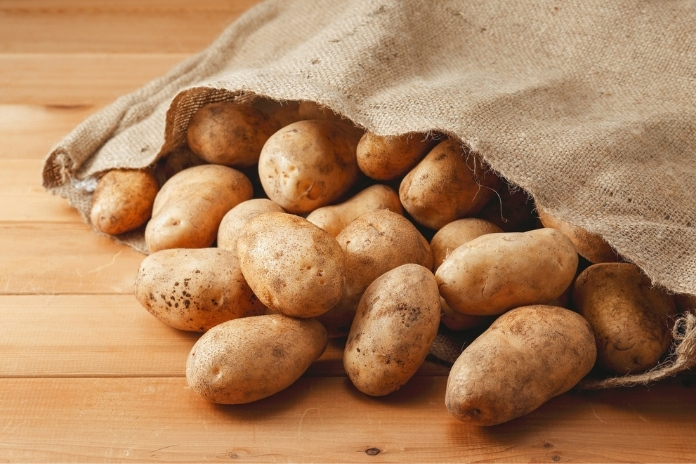
If the American dinner plate had a soundtrack, corn and potatoes would definitely be the old classics playing in the background. For ages, people saw them as the go-to foods: healthy, comforting, and easy on the wallet.
But lately, they’re fading into the background. New research is changing things up, and now it’s all about foods that pack more nutrients, help keep blood sugar steady, and support your metabolism, not just fill you up with starch.
Additionally, the humble heroes of the dinner plate, potatoes and corn, are being evaluated differently in that new metabolic perspective, as foods that behave more like refined grains than leafy greens, not as bad guys.
The emphasis is moving from merely filling the plate to intelligently nourishing the body. The key question is whether these once cherished staples are evolving into foods to observe rather than depend on.
This article discusses the science behind starch-rich vegetables, the rationale for rebalancing the plate in nutrition guidelines, and the alternatives suggested by the new nutrient-focused approach.
Read More: 10 Simple Ways to Make Mashed Potatoes Healthier (Without Losing the Creamy Comfort)
Why Potatoes and Corn Are No Longer the Stars of the Plate
At best, people view potatoes as a starchy vegetable that doesn’t have the same nutritional standing as carrots or leafy greens. At worst, they’re the foundation for greasy, salty treats like fries and chips.
But the issue isn’t that corn or potatoes are naturally unhealthy. Rather, scientists are reassessing how often and how much we eat them in the modern diet.
When evaluating potatoes and their health impact, three factors matter: their starch content, how they’re prepared, and how they compare with other carbohydrate sources. The new dietary strategy emphasizes carbohydrate quality over total carbohydrate intake, because not all carbs behave the same way in the body.
Some break down quickly, causing sharp spikes in blood sugar and insulin. Others digest more slowly, providing sustained energy. This difference is why nutrition experts are moving away from starch-heavy plates.
“Starch-rich foods tend to digest faster than fiber-rich foods, causing a rapid increase in blood-sugar levels. This quick increase can trigger metabolic processes that convert these sugars into stored body fat,” said Yi Wan, a postdoctoral research fellow in nutrition at Harvard’s T.H. Chan School of Public Health, and co-author of the study.
The Metabolic Problem with Starch-Heavy Vegetables
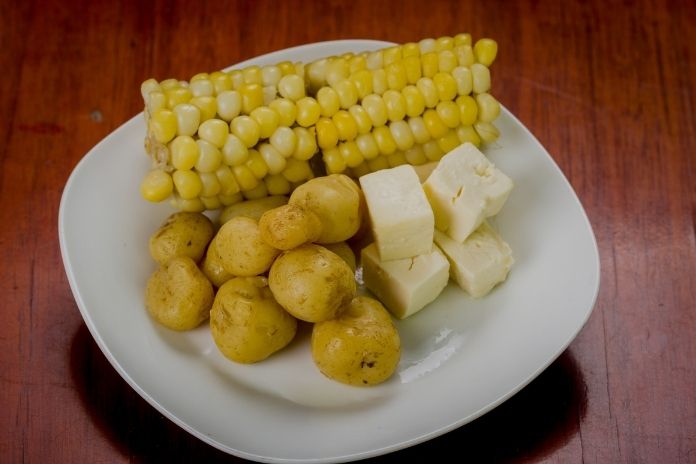
A recent study in The BMJ found that replacing refined grains, foods high in added sugar, and starchy vegetables like potatoes, peas, and corn with whole grains, fruits, and non-starchy vegetables can help slow age-related weight gain.
Rapidly Digestible Carbs and Blood Sugar Spikes
Highly processed foods like white bread, white rice, and sweet snacks contain rapidly digestible starch (RDS). The body quickly breaks down RDS into glucose, causing sharp spikes in blood sugar.
Many potato dishes, particularly baked or mashed potatoes, have a high glycemic index, similar to white bread. Corn, especially processed varieties, can trigger the same dramatic blood sugar surges.
Interestingly, potatoes only have high RDS when hot and freshly cooked. As they cool, much of their RDS converts to slowly digestible starch.
When blood sugar rises rapidly, the body releases insulin to bring levels back down. Over time, repeated spikes and surges can lead to insulin resistance, a condition strongly linked to weight gain, metabolic syndrome, and type 2 diabetes.
When a “Vegetable” Acts Like a Refined Grain
Corn is technically a grain, though most people think of it as a vegetable. Nutritionists often group corn with grains when analyzing diets because your body processes corn, white rice, and mashed potatoes in remarkably similar ways.
This distinction matters. Dietary guidelines emphasize foods that deliver more nutrients per calorie and provide steady energy, not foods that simply fill you up quickly with rapid-digesting starches.
Read More: The Potato Diet: Can Eating Only Potatoes Help You Lose Weight?
Evidence Linking Starchy Vegetables to Metabolic Syndrome
One of the primary distinctions between starchy and non-starchy vegetables is that starchy varieties contain more carbohydrates.
Although eating vegetables does not usually lead to weight gain, understanding the calorie content of each type can help you adjust portion sizes and maintain a calorie deficit. It can, in turn, support your weight-loss goals.
The metabolic syndrome encompasses a group of ailments, including:
- High blood sugar levels
- Elevated blood pressure
- Excess fat around the abdomen
- Abnormally high cholesterol
These risk factors were more prevalent in people whose diets were mostly composed of starchy vegetables and refined grains. Important factors include portion quantity, cooking techniques, and general eating habits. A hefty portion of deep-fried French fries has a totally different effect than a baked potato with skin served with lush greens and lean protein.
Nutrient Density vs. Calorie Load—Why the Scale Tips Away from Starch
You’ve probably heard you should eat “nutrient-dense” foods and avoid “empty calories.” But what does that actually mean?
Nutrient density measures how many vitamins, minerals, and beneficial compounds a food delivers relative to its calories. Starchy vegetables often provide more calories per serving than non-starchy ones, but not proportionately more nutrients. For example:
- A cup of spinach delivers iron, folate, fiber, and antioxidants for very few calories.
- A cup of peeled potatoes provides fewer micronutrients and less fiber per calorie.
When potatoes are peeled or heavily processed, their fiber content drops even further. The resulting lower fiber-to-calorie ratio means they’re less filling and won’t keep you satisfied as long.
This is why nutrition experts recommend prioritizing foods like leafy greens, cruciferous vegetables, and legumes. They deliver more nutrition per calorie, helping you feel fuller while supporting better metabolic health.
Read More: Jicama: Nutrition, Health Benefits, Uses, and Who Should Avoid It
How Cooking Methods Skew the Health Equation

Even nutritious ingredients can lose their health benefits depending on how you cook them. A plain baked potato is relatively low in calories and fat. But deep-fry it or load it with butter, sour cream, and cheese, and the calorie count skyrockets.
Frying adds significant oil, often increasing your intake of saturated or trans fats, which raise your risk of heart disease and weight gain.
Many popular potato and corn dishes take this even further. French fries, potato chips, and creamed corn are not only high in starch but also in excessive fat and sodium. The extra fat drives up calories, while the salt raises blood pressure. Together, they create a recipe for heart problems and weight gain.
You don’t have to give up these foods entirely. Simple swaps make a big difference: leave potato skins on for added fiber, steam or boil corn instead of drowning it in cream, and roast potatoes with a light drizzle of olive oil and herbs. Small changes can transform these classics into healthier options.
What the New Guidelines Recommend Instead
1. Swap Starches for Fiber-Rich Legumes
Beans, lentils, and peas are having a moment, and for good reason. These legumes pack a powerful combination of protein, fiber, and essential nutrients that starchy vegetables can’t match.
Unlike potatoes and corn, legumes digest slowly. Their high fiber content helps stabilize blood sugar, sustain energy, and keep you fuller between meals.
2. Focus on Non-Starchy Vegetables for Volume and Variety
The updated dietary guidelines emphasize non-starchy vegetables, foods that provide vitamins, minerals, and antioxidants without adding many calories. Think spinach, kale, broccoli, bell peppers, zucchini, cucumbers, and green beans.
These vegetables add color, texture, and bulk to your meals without significantly increasing calories. Plus, their fiber supports digestive health and helps you feel satisfied longer.
The Bigger Picture—From “Carb-Centric” to “Nutrient-Centric” Eating
The most significant shift in dietary recommendations isn’t about numbers, it’s about philosophy. Earlier guidelines focused heavily on macronutrient percentages: how many grams of carbohydrates, fats, or proteins people should eat.
The new approach prioritizes food quality over quantity. Instead of asking “How many carbs are on my plate?” the better question is “What kind of carbs are these, and what nutrients do they deliver?”
This doesn’t mean corn and potatoes are “bad” foods. They still provide important nutrients like vitamin C, potassium, and antioxidants. But their role is being reconsidered. Rather than serving as the foundation of every meal, they’re shifting into a supporting role—one component among many in a nutrient-dense diet.
Read More: Why Eating Salad Every Day Isn’t Always as Healthy as It Sounds
Conclusion
Corn and potatoes aren’t suddenly bad for you. What’s really changed is how we understand nutrition and how different foods affect us over time.
The latest advice asks us to be smarter, enjoy these classics in moderation, cook them well, and fill our plates with more plants and colors.
It’s not about cutting out old favorites. It’s about shifting the focus, making room for better balance as nutrition science continues to evolve.
References
- Andi Breitowich. (January 8, 2026). Goodbye Sugar, Hello Steak: The 2025–2030 Dietary Guidelines Take US Nutrition in a New Direction.
- Michael Merschel. (November 21, 2023). Pass the potatoes, or take a pass? Here’s expert advice.
- Megan Edwards. (September 25, 2025). Are Potatoes Actually Healthy? What Research Reveals.
- Harvard T.H. Chan School of Public Health. (August 7, 2025). Potatoes.
- Jorge Luis Alonso G. (November 15, 2023). Rethinking potatoes: A comprehensive nutritional analysis and its impact on health.
- Anna Lamb. (November 7, 2023). Waistline growing? Eat more veggies — but not this kind.
- Nebraska Corn Board. Is corn a vegetable or starch? Your top 3 corn questions, answered.
- Rodriguez, E. (2026, February 7). Is corn a vegetable or grain? A complete guide
In this Article