


















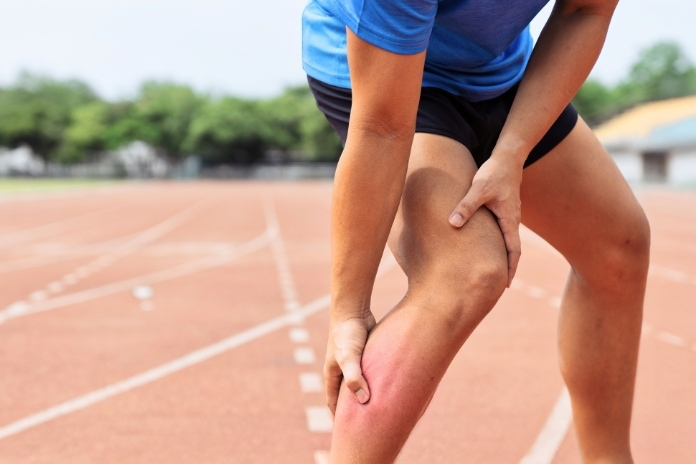
Have you ever been jolted awake by a sudden, excruciating muscle spasm in your leg?
You’re not alone. Leg cramps affect up to 60% of adults, turning peaceful nights into painful episodes that can last from seconds to several minutes.
Leg cramps can strike suddenly, often at night, disrupting sleep and causing intense pain. These involuntary muscle contractions most commonly affect the calf muscles but can also occur in the feet and thighs.
While the exact cause isn’t always clear, muscle fatigue, nerve dysfunction, dehydration, and mineral deficiencies are common triggers.
“Cramps can affect any muscle,” explains Carolyn Quist, DO, an osteopathic physician from Fort Worth, Texas. Dr. Quist adds that “cramps can involve part or all of a muscle, or several muscles in a group.”
The most notorious sites for cramps are the calves, thighs, and arch of the foot. Cramps in the hands, arms, abdomen, and along the rib cage are also very common.
“When a person experiences a muscle cramp, the muscle that is cramping feels harder than normal to the touch or may even show visible signs of twitching,” Dr. Quist says.
Here are 12 evidence-based remedies to help prevent and relieve leg cramps:
Read More: 10 Curable Home Remedies To Relieve Tired Legs And Feet
1. Magnesium Supplementation
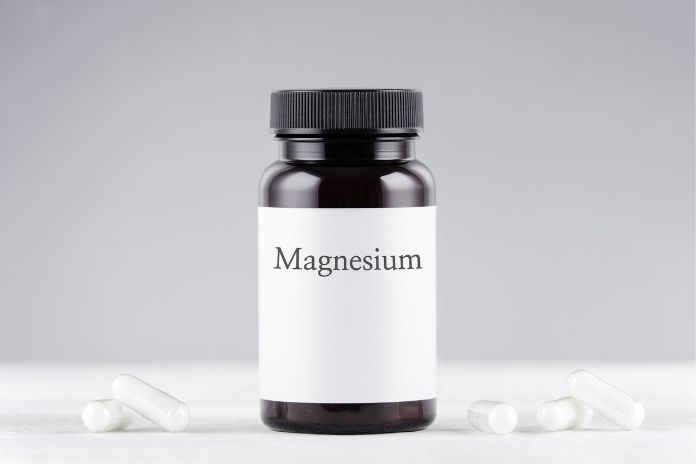
Magnesium deficiency is a leading cause of muscle cramps. This essential mineral helps relax muscles throughout the body, and low levels can trigger muscle contractions and spasms. Studies suggest a significant portion of Americans may have subclinical magnesium deficiency.
How to supplement:
- Take a slow-release magnesium supplement for 15-20 days
- Consider one-third the recommended dose of milk of magnesia daily
- Soak in Epsom salt baths to absorb magnesium through your skin
- Those on low-carb diets should pay special attention to magnesium intake
2. Calcium
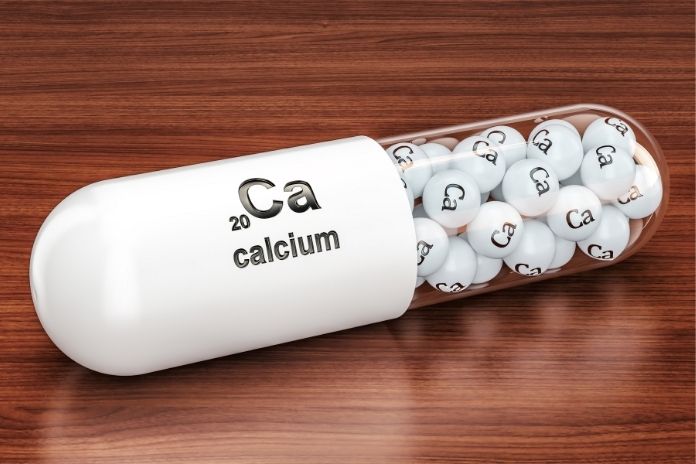
Calcium plays a crucial role in muscle contraction and nerve function. Insufficient calcium can prevent proper muscle control and increase cramping risk.
Good sources of calcium: Dairy products, leafy greens, almonds, and fish.
3. Massage
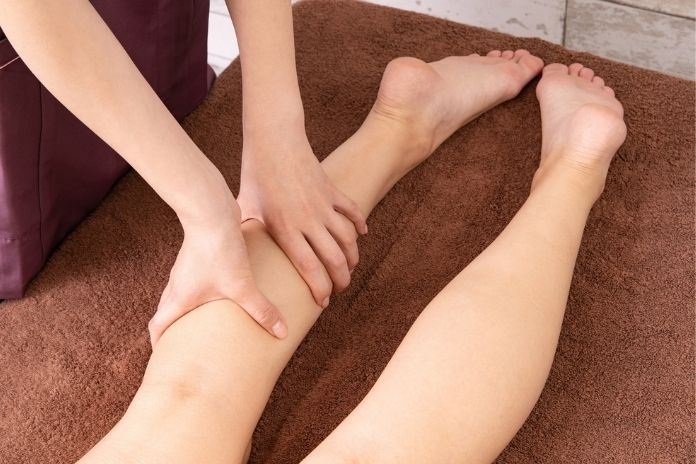
When a cramp strikes, massage can provide immediate relief. Rubbing the affected muscle with firm but gentle pressure improves blood circulation and helps restore normal muscle function. Start by walking briskly to get blood flowing, then massage the cramped area.
Read More: 8 Best Air Compression Leg Massagers; Become Your Own Physiotherapist
4. Stretching

Regular stretching before and after exercise can help prevent muscle fatigue that can lead to cramps. Always stretch gently and gradually increase intensity. If you’re new to stretching, consider working with a trainer to learn proper techniques.
5. Potassium

Potassium is essential for nerve and muscle function, particularly in generating the electrical signals that control muscle contraction. Deficiency can lead to cramping.
Good sources of potassium: Bananas, melons, citrus fruits, avocados, potatoes, pumpkin, dairy, and fish.
6. Proper Hydration

Dehydration affects electrolyte balance, which can trigger cramps. However, overhydration can also be problematic, potentially causing dangerously low sodium levels (hyponatremia).
Hydration check: Monitor your urine color to ensure proper hydration. Dark yellow indicates dehydration; very pale suggests overhydration. Aim for light yellow.
7. Wintergreen Oil

This essential oil, extracted from the leaves of evergreen trees, contains anti-inflammatory compounds that can provide quick relief. Apply sparingly to the affected area and gently massage until absorbed. The oil helps reduce pain and inflammation.
8. Hot and Cold Compress
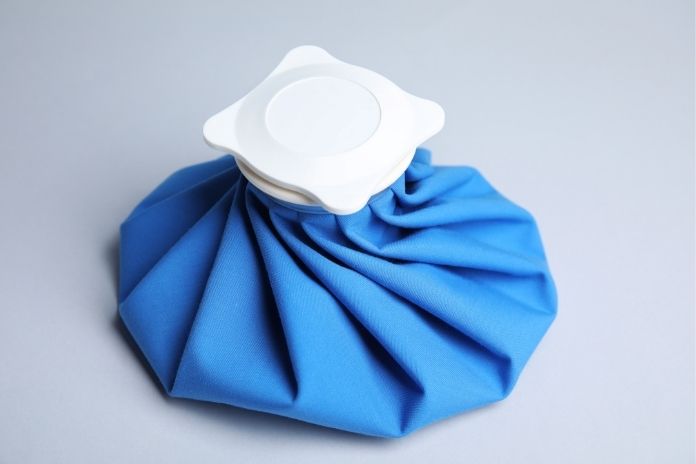
Hot compress: Improves blood circulation, relieves pain, and reduces inflammation.
Cold compress: Helps when cramps persist despite other interventions. Alternate between hot and cold applications as needed to reduce pain and numbness.
Read More: 6 Reasons Why You Can’t Sit Cross-Legged – Which is bad
9. Epsom Salt Baths

Epsom salt is rich in magnesium, which can be absorbed through the skin. Add one cup to your bath water, let it dissolve completely, and soak for 15-20 minutes. This helps relax muscles and may aid detoxification.
10. Limit Caffeine

Caffeine can trigger muscle cramps by increasing muscle contraction force and acting as a diuretic, which promotes mineral loss through urine. This affects electrolyte balance. If you experience frequent cramps, consider reducing or eliminating caffeine from your diet.
11. Apple Cider Vinegar

Rich in potassium, apple cider vinegar helps maintain proper fluid balance and electrolyte levels, which may help prevent cramps. Its antimicrobial and antioxidant properties may provide additional health benefits.
12. Clove Oil

Clove oil has natural pain-relieving and anti-inflammatory properties. Apply a few drops to your palms and gently massage the area to reduce swelling and discomfort.
Read More: Chair Exercises: Strengthen Your Legs with These Simple At-Home Workouts
When to See a Doctor
While occasional leg cramps are normal, frequent or severe cramping may indicate an underlying health condition. Consult your healthcare provider if cramps:
- Occur frequently
- Cause severe pain
- Don’t improve with home remedies
- Are accompanied by muscle weakness or other symptoms
Making lifestyle changes and incorporating these remedies can significantly reduce the frequency and severity of leg cramps while improving your overall health.
Take Action Against Leg Cramps Today
Don’t let painful leg cramps control your life. Start with one or two of these remedies—whether it’s adding a magnesium supplement, improving your hydration habits, or incorporating regular stretching into your routine.
Small changes can make a big difference in preventing those midnight wake-up calls from cramping muscles.
If you’re experiencing frequent or severe cramps, schedule an appointment with your healthcare provider to rule out underlying conditions and develop a personalized treatment plan.
Read More: How to Organize Your Leg Day at The Gym
Frequently Asked Questions
Q: How long do leg cramps typically last?
A: Most leg cramps last anywhere from a few seconds to 15 minutes. The muscle may remain sore for several hours afterward. If cramping persists for more than 15 minutes or occurs repeatedly, seek medical attention.
Q: Why do leg cramps happen more often at night?
A: Nighttime leg cramps may be caused by prolonged inactivity, sleeping positions that shorten calf muscles, reduced blood circulation while lying down, and the natural decrease in electrolyte levels during sleep. Stretching before bed and staying hydrated can help prevent nocturnal cramps.
Q: Can medications cause leg cramps?
A: Yes, certain medications can increase the risk of leg cramps, including diuretics (water pills), statins for cholesterol, and some blood pressure medications. Never stop taking prescribed medications without consulting your doctor, but do discuss any cramping issues with your healthcare provider.
Q: Are leg cramps a sign of a serious health problem?
A: While most leg cramps are harmless, they can sometimes indicate underlying conditions such as peripheral artery disease, nerve compression, diabetes, or kidney disease. Frequent, severe, or worsening cramps warrant medical evaluation.
Q: How quickly do magnesium supplements work for leg cramps?
A: Most people notice improvement within 2-4 weeks of consistent magnesium supplementation. However, it’s essential to maintain adequate levels in the long term, as deficiency can recur if supplementation is discontinued.
Q: Can pregnant women use these remedies?
A: Leg cramps are common during pregnancy. While many of these remedies are safe, pregnant women should always consult their healthcare provider before taking supplements or using essential oils. Gentle stretching, massage, and proper hydration are generally safe options.
Q: Should I stretch during a cramp or wait until it passes?
A: Gentle stretching during a cramp can help relieve it faster. For a calf cramp, straighten your leg and gently flex your foot upward. However, avoid aggressive stretching, which could cause injury. Walking and a gentle massage can also provide relief.
Q: How much water should I drink to prevent leg cramps?
A: Hydration needs vary by individual, activity level, and climate. A general guideline is to drink 8-10 glasses of water daily, but monitor your urine color—it should be a light yellow. Athletes and individuals in hot climates may require more water, while excessive water intake can be detrimental.
References
- https://www.diamondhealthinc.com/signs-of-a-magnesium-deficiency/
- https://pmc.ncbi.nlm.nih.gov/articles/PMC4586582/
- https://wholisticmatters.com/subclinical-magnesium-deficiency-heart-disease-and-a-public-health-crisis/
- https://chandramd.com/magnesium-deficiency-causes/
- https://windyridgechiropractic.com/the-muscle-whisperers-how-calcium-and-magnesium-keep-you-moving/
- https://fiveable.me/key-terms/inorganic-chemistry-i/potassium-in-muscle-function
- https://www.mayoclinic.org/diseases-conditions/dehydration/symptoms-causes/syc-20354086
- https://www.mayoclinic.org/diseases-conditions/muscle-cramp/symptoms-causes/syc-20350820
- https://findado.osteopathic.org/coping-with-muscle-cramps
- https://drcarolynquist.com/meet-dr-quist/
In this Article