














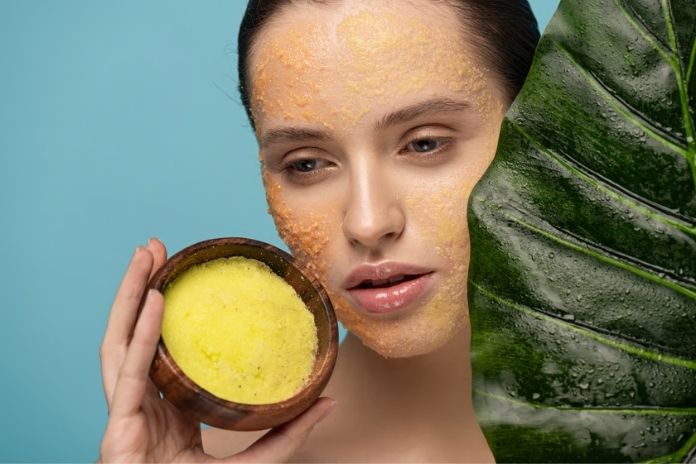
Some people don’t mind freckles. In fact, many even like them. However, when freckles become darker each summer or gradually spread across the face, many people naturally begin searching for home remedies to reduce their appearance.
The Internet is full of advice. Rub lemon. Apply honey. It becomes really confusing which one is actually useful.
Freckles happen because your skin makes extra melanin. Some home remedies may make skin look brighter, but never expect them to remove freckles forever.
Let’s understand a little more before trying anything.
- Freckles happen because of genetics and UV exposure.
- Home remedies such as aloe vera, honey, or yogurt may slightly improve overall skin appearance, but they cannot permanently remove genetic freckles.
- If any pigmented spot changes in shape, color, size, bleeds, or itches, don’t treat it at home; see a dermatologist first.
What Are Freckles?
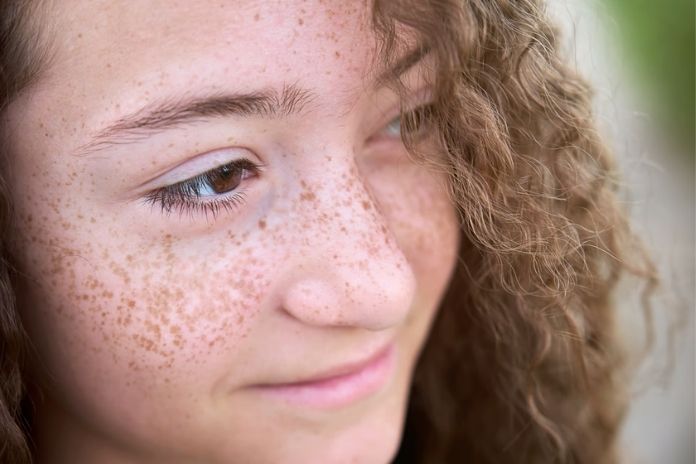
Freckles are those small brown dots you mostly see on the nose, cheeks, shoulders, and arms. They are flat. They don’t hurt. They don’t become raised like moles. Some people get only a few. Some people have many.
The color comes from melanin. When skin gets sunlight, it starts making more melanin to protect itself. In people who easily develop freckles, that melanin collects in tiny spots instead of spreading evenly.
There are mainly two types.
Ephelides
They become darker in the sun. During winter or when sun exposure becomes less, they often fade a little on their own. They are mostly related to childhood and genetics.
Solar Lentigines
Solar lentigines, sunspots, or age spots usually appear after many years of UV exposure. They are more common in adults. They usually never disappear much during winter.
What Causes Freckles?
There are a few reasons.
Genetics
For many people, freckles simply run in the family.
Sun Exposure
UV rays trigger melanin production, leading to small brown freckles on susceptible skin. “You really can’t freckle unless you’ve had sun exposure,” explains Dr. Dee Anna Glaser, MD, chair of the department of dermatology at St. Louis University.
Fair Skin
People with lighter skin generally develop freckles more easily because their skin reacts differently to sunlight. But darker skin also gets freckles. Just less commonly.
Can Home Remedies Get Rid of Freckles?

No kitchen remedy can permanently remove ephelides. They are part of your skin type.
Home remedies should be seen only as something that may slightly fade the appearance in some people. Also, every skin is different.
One person may feel a remedy helped a little. Another person may get irritation instead. Professional treatments usually have much better evidence than kitchen remedies.
Home Remedies for Freckles

Aloe Vera
Fresh aloe vera gel is soothing, especially if your face feels dry after spending time in the sun. Regular use even makes their skin look a little brighter.
But never expect aloe vera to remove freckles, as there isn’t good evidence saying this. It may simply help keep skin healthy and calm, and healthier skin sometimes looks more even.
Take fresh gel if possible. Apply a thin layer on a clean face. Leave it for around 20 minutes. Wash with normal water. Some people keep it overnight also if their skin suits it.
Honey
People use it for dry skin, dull skin, and even face packs.
Honey mainly works as a moisturizer. When skin stays well hydrated, it often looks smoother and fresher. Freckles can sometimes appear a little less noticeable. There isn’t much proof.
Apply a thin layer. Leave for around 15 to 20 minutes. Wash gently with lukewarm water. Always try a small patch first on sensitive skin.
Yogurt
It contains lactic acid. This is a mild exfoliating ingredient. It slowly improves uneven skin tone.
The results are mild. Take plain yogurt. Apply over freckles. Leave for 15 minutes. Wash with cool water. Many people mix yogurt with honey or turmeric also. There isn’t strong research about it.
Apple Cider Vinegar
It contains malic acid, helping with pigmentation. But good scientific evidence for freckles is still limited. Always dilute it with water.
And don’t leave it on for a long time. It can irritate skin, especially if you already have sensitive skin. Use it only at night.
Avoid going into the sunlight. Skin may become more sensitive. Always wash it properly and use sunscreen the next morning. Also, do a patch test first. Sometimes people end up with redness.
Lemon Juice
Lemon has citric acid, working like a natural bleaching agent. Lemon can easily irritate the skin if your skin is already sensitive. Lemon juice can cause photosensitivity. Use it only at night.
Wash it properly before sleeping. Never apply it before going outside. And always do a patch test first.
Turmeric
It contains curcumin, which has antioxidant properties. But there isn’t strong evidence about freckles.
Usually, turmeric is mixed with yogurt, milk, or honey. Keep it for around 10 to 15 minutes. Wash gently because turmeric stains very easily. Sometimes your towel becomes more yellow than your skin.
Coconut Oil
There isn’t much proof for it. It moisturizes skin well, so skin looks softer and healthier.
You can massage a few drops at night. If your skin is acne-prone, never overdo it because coconut oil can clog pores in some people.
Castor Oil
It repairs skin and fades pigmentation because of its fatty acids. But again, there isn’t good research showing results for freckles.
It may help keep skin soft and support the skin barrier. Apply only a few drops before sleeping. Massage gently.
Medical Treatments Usually Work Better Than Home Remedies
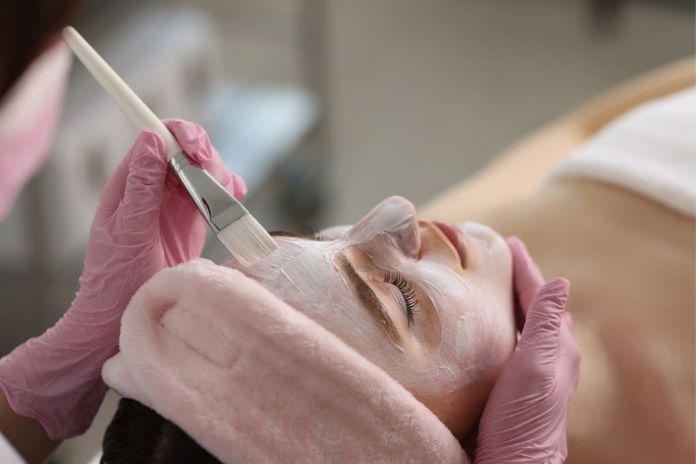
If home remedies are not giving the result you wanted, there are medical treatments also. Actually, these treatments have much better evidence than kitchen remedies.
Freckles are harmless in most cases. Treatment is usually done only if someone wants them lighter for cosmetic reasons. A dermatologist can tell which option is suitable after checking your skin. Some common treatments are:
Skin Lightening Creams
Some prescription creams help reduce pigmentation over time.
These should not be used without medical advice because some ingredients can irritate the skin if used for long periods.
Chemical Peels
Chemical peels remove the upper damaged layer of skin little by little. This helps lighten pigmentation. But multiple sessions are often needed.
Laser Treatment
Laser treatment targets the pigment inside the skin. But a laser is not permanent for everyone. If you continue getting lots of sun without protection, freckles may return again, especially ephelides.
Microdermabrasion
This procedure gently removes the top layer of skin. Some people notice improvement in uneven pigmentation after a few sessions.
Read More: Dark Neck but Not Diabetic? The Hidden Hormonal Warning Sign
How to Prevent Freckles from Becoming Darker
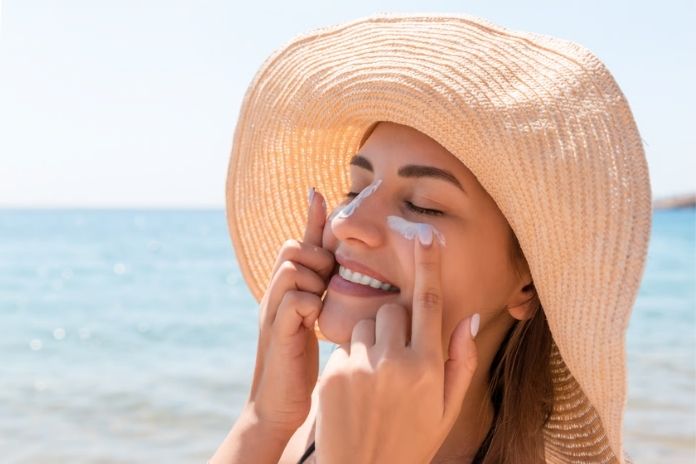
You can never completely change your genetics. But you can stop freckles from becoming much darker.
Wear Sunscreen Every Day
Use broad-spectrum UVA/UVB sunscreen with SPF 30 or higher on all exposed skin, all year round, says Dr. Francesca Fusco, a dermatologist. Apply again if you stay outside for a long time. Without sun protection, even expensive treatments may not last very long.
Avoid Too Much Sun
Standing outside at 2 PM for one hour hits different. So, try staying in shade if possible. Wear a cap, sunglasses, or an umbrella if you have to go outside.
Cover Your Skin
Full sleeves, hats, and sunglasses may sound simple. But they really reduce direct UV exposure.
Keep Your Skin Healthy
Good sleep, enough water, fruits, and vegetables help your skin stay healthier overall. Actually, overheating itself is not the main reason freckles develop. Sunlight is the bigger reason.
Read More: How to Get Rid of Freckles
When Should You See a Dermatologist?
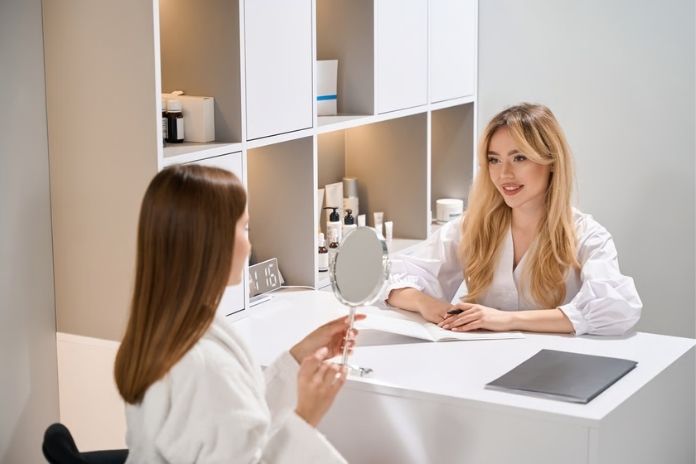
You should see a dermatologist if you notice any spots:
- Looks asymmetrical.
- Has uneven or blurred borders.
- Has different colors in the same spot.
- Is larger than about 6 mm.
- Has changed in size, shape, or color.
Doctors often remember this as the ABCDE rule for checking moles and skin lesions. Also, don’t ignore a spot if it:
- Starts itching.
- Bleeds.
- Doesn’t heal.
- Suddenly appears and looks very different from your other spots.
If you or someone in your family has had skin cancer before, get them examined first.
Read More: 9 Easy and Effective Home Remedies for Freckles Removal At Home
Conclusion
Freckles are very common and mostly harmless. If you are looking for home remedies for freckles, then keep your expectations realistic. There isn’t strong evidence that kitchen remedies can permanently remove freckles.
The biggest thing that actually makes a difference is sun protection. Never try treating every brown spot at home. Get it checked by a dermatologist.
References
- Praetorius, C., Sturm, R. A., & Steingrimsson, E. (2014). Sun-induced freckling: Ephelides and solar lentigines. Pigment Cell & Melanoma Research, 27(3), 339–350.
- Saade, D. S., Maymone, M. B. C., De La Garza, H., Secemsky, E. A., Kennedy, K. F., & Vashi, N. A. (2021). Trends in Use of Prescription Skin Lightening Creams. International Journal of Environmental Research and Public Health, 18(11), 5650.
- Shah, M., & Crane, J. S. (2020). Microdermabrasion. PubMed; StatPearls Publishing.
In this Article