











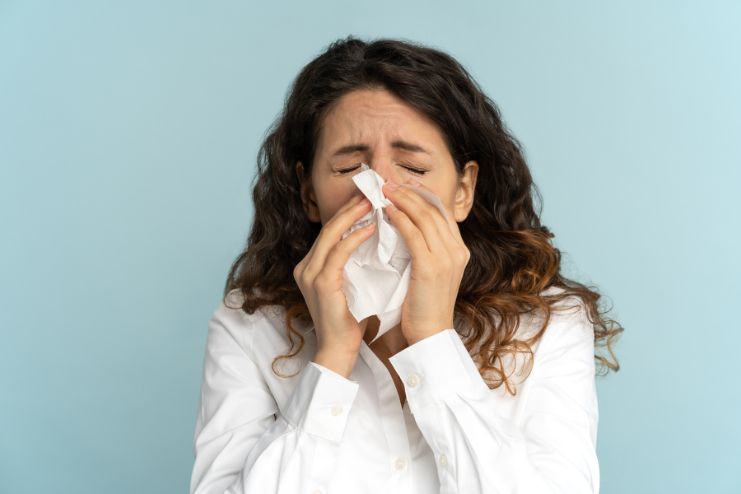
A cold in the summer? While it may seem surprising, catching a cold during warm weather is more common than you might think. Environmental factors like air conditioning, temperature fluctuations, and lifestyle-related immune system weakening all contribute to the frequency of summer colds.
Summer colds share many similarities with winter colds, though they differ in their underlying causes and may present additional symptoms. While winter colds are primarily caused by rhinoviruses that thrive in cold, dry conditions, summer colds are often triggered by enteroviruses that can be more persistent and challenging to overcome.
According to Dr. Sumaiya Islam, M.D., various viruses tend to be more active during specific seasons. Rhinoviruses usually cause the common cold in winter, while non-polio enteroviruses more commonly cause summer colds.
The encouraging news is that natural remedies and preventive measures can accelerate recovery and provide symptom relief. This article explores the causes of summer colds, their symptoms, and effective treatments, including home remedies that can help speed your recovery.
Also, Read: Top 10 Foods for Summer Energy
What is a Summer Cold?
A summer cold is simply a common cold that occurs during the warmer months. While symptoms may mirror those of a winter cold, the heat and humidity can make the experience feel more uncomfortable, and recovery may take longer due to specific environmental factors.
Summer colds are not caused by a unique virus but rather by different types of viruses that are more active during warm weather. Enteroviruses are often to blame for summer colds, and there are more than 200 different strains of non-polio enteroviruses. These viruses spread through the same routes as winter cold viruses: airborne droplets, direct contact, and contaminated surfaces.
Several factors make summer colds particularly troublesome: heavy air conditioning use, sudden temperature changes when moving between air-conditioned and warm outdoor environments, and seasonal allergies that can weaken the immune system’s response to viral infections.
What Causes Summer Colds?

Summer colds are caused by viral infections, not by weather conditions themselves. Rhinoviruses are the most frequent cause of the common cold, but during summer months, enteroviruses are often to blame for summer colds. These viruses spread easily through:
- Airborne droplets when infected people cough or sneeze
- Direct contact with infected individuals
- Touching contaminated surfaces and then touching your face
- Poor ventilation in air-conditioned spaces
Environmental factors that increase susceptibility include air conditioning systems that circulate viruses, rapid temperature changes that stress the immune system, and increased indoor gatherings during extremely hot weather.
Also, Read: 8 Best Tips for a Healthy Summer
Signs and Symptoms of Summer Colds
The symptoms of a summer cold are similar to the symptoms you’d get with a winter cold, though summer colds may present some additional features:
Common Symptoms:
- Runny or stuffy nose
- Sore and scratchy throat
- Persistent cough
- Nasal congestion
- Headaches (mild to moderate)
- Body aches and fatigue
- Continuous sneezing
- General weakness
Additional Summer Cold Symptoms:
- Low-grade fever
- Nausea, vomiting, and diarrhea (more common with enteroviruses)
- Increased fatigue due to heat and humidity
Talk to a health care provider if you have concerning symptoms, like a high fever (over 103°F) or a rash.
How to Treat Summer Colds

There is little difference in the way we care for summer and winter colds — drink fluids and get plenty of rest. However, the warm weather provides some unique opportunities for recovery.
1. Rest and Recovery
When you rest at home, you also avoid unnecessary exposure and transmission of germs. Sleep is crucial for immune system function, and pushing yourself too hard can prolong recovery time. Sleep is the best way to recover from a viral infection.
Also, Read: Active Recovery: Why Rest Days Don’t Have to Mean Doing Nothing
2. Stay Hydrated
Drink plenty of water to help loosen clinging mucus and lubricate dry and scratchy throat. Be mindful to avoid beverages such as coffee and alcohol as those liquids can be dehydrating. Water, herbal teas, and fresh fruit juices help replace lost fluids and support immune function.
3. Manage Congestion
A nasal saline rinse can help to clear out congestion. It makes you breathe better. A humidifier or a hot shower can help your congestion. Steam inhalation can also provide relief by moisturizing nasal passages and loosening mucus.
4. Over-the-Counter Medications
Over-the-counter medications, such as Tylenol, are great ways to ease your symptoms. However, take care to avoid combining drugs that contain the same active ingredients.
Home Remedies for Summer Colds

Natural remedies can effectively complement traditional treatments:
1. Warm Salt Water Gargle
Mix half a teaspoon of salt in warm water to soothe sore throats and reduce inflammation.
2. Honey and Warm Water
Honey has antimicrobial properties and can soothe throat irritation. Add a tablespoon to warm water or herbal tea.
3. Ginger Tea
Fresh ginger has anti-inflammatory properties and can help reduce nausea, especially helpful for summer colds that affect the digestive system.
4. Vitamin C
Consume vitamin C-rich foods like citrus fruits, strawberries, and bell peppers to support immune function.
5. Steam Inhalation
Inhaling steam from a bowl of hot water can help clear nasal passages and reduce congestion.
6. Herbal Teas
Chamomile, peppermint, and eucalyptus teas provide hydration while offering anti-inflammatory and soothing properties.
Also, Read: Cleanse Your Body Naturally: 6 Herbal Detox Supplements for Whole-body Cleansing
How Long Does a Summer Cold Last?
The summer colds caused by enteroviruses generally clear up without treatment within a few days or even a week. Most people experience symptom improvement within the first week; however, individual recovery times vary based on the strength of their immune system and overall health.
If symptoms persist for more than 10 days or worsen significantly, consult a healthcare provider to rule out complications or secondary infections.
Summer Cold During Pregnancy
Pregnant women can safely manage summer colds with proper care. Focus on rest, hydration, and pregnancy-safe remedies. Consult your healthcare provider before taking any medications, and monitor symptoms closely. Most summer colds resolve without affecting the baby, but professional guidance ensures both mother and child remain healthy.
Is a Summer Cold Contagious?
Yes, summer colds are highly contagious. People of any age can get enterovirus and rhinovirus infections, but infants, children, and teenagers are more likely than adults to become sick. You’re most contagious during the first three days of illness when viral activity is highest.
Prevention measures:
- Wash hands frequently with soap and water
- Avoid touching your face
- Cover coughs and sneezes
- Maintain distance from others when sick
- Disinfect frequently touched surfaces
Summer Cold vs. Allergies
While summer colds and allergies share similar symptoms, they have distinct differences:
Summer Colds:
- Caused by viral infections
- Symptoms last 7-10 days
- Often include body aches, fever, and fatigue
- Gradual onset over several days
- May include digestive symptoms
Allergies:
- Triggered by allergens (pollen, dust, pet dander)
- Symptoms persist as long as allergen exposure continues
- Typically cause itchy eyes and nose
- Sudden onset after allergen exposure
- No fever or body aches
Understanding these differences helps determine whether to use cold remedies or allergy medications for effective relief.
When to See a Doctor

Seek medical attention if you experience:
- Fever over 103°F (39.4°C)
- Symptoms lasting more than 10 days
- Severe headache or sinus pain
- Difficulty breathing
- Persistent vomiting or diarrhea
- Signs of dehydration
- Worsening symptoms after initial improvement
Prevention Tips
- Maintain good hygiene practices
- Avoid close contact with sick individuals
- Keep indoor spaces well-ventilated
- Manage stress levels
- Get adequate sleep
- Eat a balanced diet rich in vitamins and minerals
- Stay hydrated
- Consider gradual temperature transitions when moving between air-conditioned and outdoor environments
Conclusion
Summer colds are common viral infections that can be just as uncomfortable as their winter counterparts. While they’re primarily caused by enteroviruses rather than rhinoviruses, the treatment approach remains similar: rest, hydration, and supportive care.
Understanding the differences between summer colds and allergies is crucial for proper treatment. With appropriate care, most summer colds resolve within a week, allowing you to return to enjoying the warm weather. Maintaining good hygiene, staying hydrated, and supporting your immune system are key to both recovery and prevention.
Remember that while home remedies can provide comfort and support healing, persistent or severe symptoms warrant professional medical evaluation.
References
- https://health.clevelandclinic.org/summer-cold
- https://www.aarp.org/health/conditions-treatments/info-2024/summer-cold-symptoms.html
- https://www.goodrx.com/conditions/cold-symptoms/summer-cold-symptoms
- https://www.tylenol.ca/symptoms/upper-respiratory/cold-flu/treat-a-summer-cold
- https://healthmatters.nyp.org/what-to-know-about-the-surge-in-summer-colds/
- https://www.nhs.uk/conditions/common-cold/
- https://austiner.com/blog/what-to-know-about-summer-cold-symptoms/
- https://www.henryford.com/blog/2024/06/tips-for-preventing-and-treating-summer-colds
- https://newsinhealth.nih.gov/2012/06/catching-cold-when-it-s-warm
- https://www.verywellhealth.com/why-do-i-have-a-summer-cold-770444
- https://www.cdc.gov/rhinoviruses/about/index.html
- https://www.dhs.wisconsin.gov/respiratory/rhino-entero.htm
In this Article