



















Breaking free from junk food addiction is one of the most challenging yet rewarding steps toward optimal health. While processed foods provide momentary satisfaction, they often lead to weight gain, energy crashes, and long-term health complications.
“Ultraprocessed foods are industrial creations made with little—if any—whole foods that often contain large amounts of added sugar and salt,” explained Dr. Stephen Devries, MD, a preventive cardiologist and executive director of the educational nonprofit Gaples Institute in Chicago, noting ultraprocessed foods “are typically infused with artificial colors and additives.”
This comprehensive article offers 18 scientifically-backed strategies to help you overcome junk food cravings and develop sustainable healthy eating habits.
Understanding the Science Behind Food Cravings
How Hunger Hormones Control Your Appetite
When you experience hunger, your stomach releases ghrelin, known as the “hunger hormone,” which signals your brain that it’s time to eat. Ghrelin interacts with neurotransmitters in your hypothalamus—the brain region responsible for controlling emotions, memory, and energy levels. This complex hormonal system acts as your body’s 24/7 energy monitor, constantly assessing when you need your next meal.
Your brain functions optimally when glucose levels remain consistent in your bloodstream. While you can achieve a quick glucose spike from processed snacks, maintaining stable blood sugar through whole foods provides sustained energy and better cognitive performance.
The Addiction Factor in Processed Foods
Food manufacturers deliberately design processed foods to trigger addictive responses in your brain. These products activate the same neural pathways associated with substance addiction, making them particularly difficult to resist. Research shows that highly processed foods can create dependency patterns similar to those seen with drugs, explaining why willpower alone often isn’t enough to break these habits.
Read More: The One-Day Gut Reset: How to Recover After Eating Junk Food
18 Proven Strategies to Stop Eating Junk Food

1. Define Your Clear Motivation
Before implementing any dietary changes, establish a compelling reason for quitting junk food. Whether you want to reduce inflammation, improve energy levels, or achieve better cardiovascular health, write down your specific motivation. Keep this written reminder visible and review it daily to maintain focus on your goals.
2. Gradually Reduce Sugar and Refined Carbohydrates

Sudden elimination of sugar and starches often leads to intense cravings and potential relapse. Instead, implement a gradual reduction strategy:
- Week 1-2: Eliminate added sugars 4 days per week
- Week 3-4: Extend to 5 days per week
- Week 5-6: Maintain healthy eating 6 days per week
Focus on whole foods, including lean proteins, vegetables, fruits, nuts, seeds, and healthy fats. This approach allows your taste buds and metabolism to adapt naturally.
3. Plan Your Meals in Advance
Meal planning eliminates impulsive food choices and ensures healthy options are always available. Dedicate time each Sunday to plan your weekly meals and snacks. Prepare grab-and-go options like cut vegetables, portioned nuts, or energy balls to avoid reaching for processed alternatives when hunger strikes.
Research indicates that environmental factors—including food aromas, advertisements, and social situations—significantly influence eating decisions. Having pre-planned meals reduces susceptibility to these external triggers.
4. Stay Properly Hydrated
Thirst is often mistaken for hunger, leading to unnecessary snacking. When you experience sudden food cravings, drink a large glass of water and wait 10-15 minutes. You may discover that your body was simply dehydrated rather than genuinely hungry.
Studies suggest that drinking water before meals can reduce appetite and support weight management.
5. Eliminate Junk Food from Your Environment
The most effective way to avoid eating unhealthy foods is to remove them from your immediate environment. Clear processed snacks from your home, office, and car. When junk food isn’t readily available, you’re far less likely to consume it impulsively.
6. Apply the Five-Ingredient Rule
When shopping, choose products with five or fewer recognizable ingredients. Foods with extensive ingredient lists typically indicate heavy processing and should be avoided. This simple rule helps you identify whole foods and avoid products laden with artificial additives, preservatives, and hidden sugars.
7. Stock Up on Healthy Alternatives
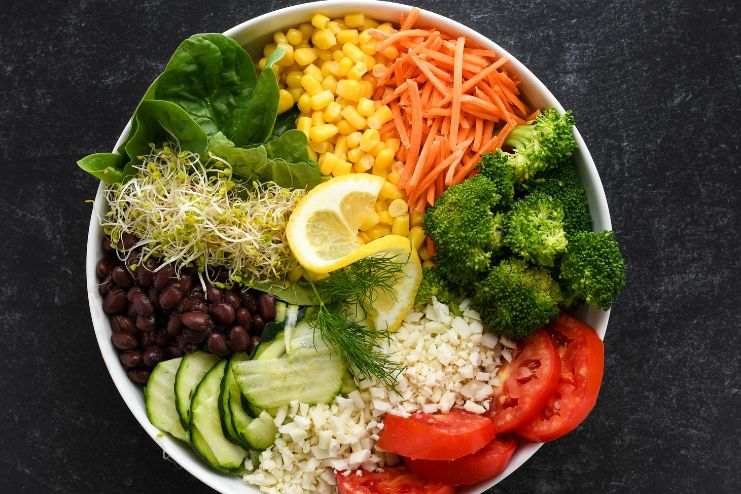
Keep nutritious snacks readily available to prevent poor food choices when hunger strikes. Excellent options include:
- Fresh fruits and vegetables
- Raw nuts and seeds
- Greek yogurt with berries
- Homemade energy balls
- Hummus with vegetable sticks
Having healthy options immediately accessible makes it easier to choose nutritious foods over processed alternatives.
8. Increase Your Protein Intake
Protein significantly reduces appetite and helps prevent overeating by promoting satiety hormones. High-protein foods keep you fuller longer and reduce cravings throughout the day. Harvard Health research shows that protein takes more energy to digest than carbohydrates, contributing to appetite suppression.
Start your day with a protein-rich breakfast including eggs, Greek yogurt, or protein smoothies. Aim to include protein in every meal and snack to maintain stable blood sugar and reduce cravings.
Read More: How Your Gut Bacteria Affects Your Food Cravings (And How to Hack It)
9. Shop with a Strategic Plan
Never enter a grocery store without a predetermined shopping list. Impulse purchases often involve processed foods that derail healthy eating goals. Focus your shopping on the perimeter of the store where fresh produce, lean proteins, and dairy products are typically located.
Avoid processed foods by sticking to whole ingredients: fresh vegetables, fruits, lean meats, fish, eggs, nuts, and whole grains. These provide essential nutrients without artificial additives or excessive sugar.
10. Incorporate Strategic Cheat Meals
Complete food restriction often leads to binge eating and guilt cycles. Instead, plan occasional indulgences within a structured approach. Designate one meal per week to enjoy your favorite treats. This strategy helps maintain psychological balance while keeping overall eating patterns healthy.
Interestingly, planned cheat meals can help you recognize how processed foods affect your energy levels and mood, often reducing their appeal over time.
11. Build Confidence in Your Choices

Successful dietary change requires self-confidence and realistic expectations. Focus on progress rather than perfection, and remember that developing new habits takes time. If you experience setbacks, view them as learning opportunities rather than failures.
Trust your body’s ability to prefer nutritious foods once it adapts to reduced sugar and processed food intake. Many people find that their cravings for junk food naturally diminish after several weeks of consistent healthy eating.
Read More: Raising Kids with Healthy Eating Habits in a Fast-Food World
12. Use Strategic Oral Habits
After finishing a meal, immediately chew sugar-free mint gum or brush your teeth. The strong mint flavor naturally suppresses appetite and signals to your brain that eating time has ended. This psychological trick leverages your sense of taste and smell to reduce post-meal cravings.
Since smell comprises a significant portion of taste experience, controlling these sensory inputs can effectively manage appetite.
13. Include Healthy Fats in Your Diet
Contrary to outdated nutrition myths, your body requires healthy fats for optimal function. Include sources like:
- Avocados and olive oil
- Nuts and seeds
- Fatty fish (salmon, mackerel, sardines)
- Olives and olive oil-based dressings
Healthy fats promote satiety, reduce inflammation, and provide sustained energy. They help you feel satisfied after meals, reducing the likelihood of reaching for processed snacks.
14. Distance Yourself from Tempting Situations

When encountering triggering environments—like passing a bakery or seeing junk food advertisements—immediately redirect your attention. Take a different route, focus on a specific task, or engage in a brief mindfulness exercise. This cognitive strategy interrupts the craving cycle before it intensifies.
15. Create Optimal Eating Environments
Your eating environment significantly impacts consumption patterns. Avoid eating while watching television, working, or engaging in other distracting activities. When your attention is divided, you’re more likely to overeat and choose less nutritious foods.
Instead, create dedicated meal times in calm, distraction-free settings. This mindful approach helps you recognize satiety signals and enjoy your food more fully.
16. Disrupt Unhealthy Routines
Habits form through repetition and environmental cues. If you typically visit the office vending machine at 3 PM, replace this routine with a healthier alternative like taking a brief walk, drinking herbal tea, or eating a pre-planned healthy snack.
Breaking established patterns requires conscious effort initially, but new habits typically form within 3-4 weeks of consistent practice.
17. Prioritize Food Enjoyment
Healthy eating should be pleasurable, not punitive. Experiment with herbs, spices, and healthy cooking methods to make nutritious foods delicious. If you dislike what you’re eating, you’re unlikely to maintain these habits long-term.
Learn new cooking techniques, try different cuisines, and focus on foods you genuinely enjoy. Positive associations with healthy foods make sustainable change more achievable.
18. Never Skip Breakfast

Eating within 30 minutes of waking helps regulate blood glucose levels and prevents excessive hunger later in the day. Research demonstrates that skipping breakfast often leads to overeating at subsequent meals and poor food choices throughout the day.
Choose protein-rich breakfast options like eggs, oatmeal with nuts and berries, or Greek yogurt with fruit. These foods provide sustained energy and reduce mid-morning cravings for processed snacks.
Read More: 10 Effective Ways To Treat Food Addiction to Regain Your Health
Creating Long-Term Success
Transitioning away from junk food requires patience, self-compassion, and realistic expectations. Focus on adding nutritious foods rather than only restricting processed ones. This positive approach feels less restrictive and more sustainable over time.
“Foods that are ultraprocessed are altered from their natural forms. This can be done to make foods appear a certain way or preserve foods for longer,” said Dr. Neha Sachdev, MD, MS, a family physician who is the director of clinical engagement and equitable care at the AMA.
“Compare a carton of eggs that you purchase with a frozen egg patty. Even though both of these items contain eggs, these are very different foods that have gone through very different journeys to get to the store shelves.”
Remember that taste preferences adapt gradually. Foods that seem bland initially often become more appealing as your palate adjusts to reduced sugar and artificial flavoring. Many people discover newfound appreciation for natural food flavors after eliminating heavily processed options.
The journey toward healthier eating habits is ultimately about creating a lifestyle that supports your long-term well-being. With consistent application of these evidence-based strategies, you can successfully reduce junk food consumption and develop a positive relationship with nutritious foods.
References
- https://pmc.ncbi.nlm.nih.gov/articles/PMC4049314/
- https://www.ncbi.nlm.nih.gov/books/NBK555906/
- https://pubmed.ncbi.nlm.nih.gov/25926512/
- https://pmc.ncbi.nlm.nih.gov/articles/PMC7539343/
- https://www.health.harvard.edu/staying-healthy/extra-protein-at-breakfast-helps-control-hunger
- https://pubmed.ncbi.nlm.nih.gov/16859720/
- https://pmc.ncbi.nlm.nih.gov/articles/PMC8742734/
- https://conferences.nachc.org/b/sp/neha-sachdev-14992
- https://www.ama-assn.org/delivering-care/prevention-wellness/what-doctors-wish-patients-knew-about-ultraprocessed-foods
- https://www.linkedin.com/in/dr-stephen-devries/
- https://eatrealamerica.com/2025/02/is-willpower-enough-2/
- https://healthcare.msu.edu/news/2025-01-13-dr-amit-sachdev-breakfast-improves-brain-health.html
In this Article