


















Lung cancer skin symptoms aren’t something most people watch for, but in some cases, the skin can offer early clues. When we think of lung cancer, we usually picture a persistent cough, breathlessness, or chest discomfort. But not all signs begin in the lungs.
In certain cases, lung tumors release hormones and signaling molecules that affect other parts of the body, including the skin. These changes are known as paraneoplastic syndromes. They don’t happen because the cancer has spread to the skin but because of substances circulating in the bloodstream.
These skin findings are uncommon, and most people who experience them will not have lung cancer. Still, some patterns are significant, especially when they appear suddenly or without an obvious explanation. Recognizing them can sometimes lead to earlier investigation and diagnosis. In this article, we will discuss the above and look at conditions where a doctor’s visit is essential.
- Lung cancer can sometimes show early warning signs on the skin through paraneoplastic syndromes, even before respiratory symptoms appear.
- These skin changes are rare and not always linked to cancer, but sudden or unusual patterns should not be ignored.
- Recognizing these signs early and seeking medical evaluation can help prompt timely investigation and potential diagnosis.
Read More: Lung Cancer with COPD: Breathing Strategies That Help
What Are Paraneoplastic Syndromes?
Paraneoplastic syndromes are indirect effects of cancer. Instead of affecting nearby tissue, a tumor produces substances that travel through the bloodstream and trigger changes elsewhere in the body.
In lung cancer, these effects can affect several systems, including the nervous system, endocrine organs, blood, joints, and skin. Dermatologic signs are particularly noticeable because they’re visible, and in some cases, they show up before the cancer itself is diagnosed.
Small-cell lung cancer is especially associated with paraneoplastic syndromes, though other types can cause them as well. These symptoms appear in fewer patients. When a distinctive skin change appears without a clear cause, it can sometimes be the first clue that prompts further investigation.
1. Digital Clubbing and Hypertrophic Pulmonary Osteoarthropathy
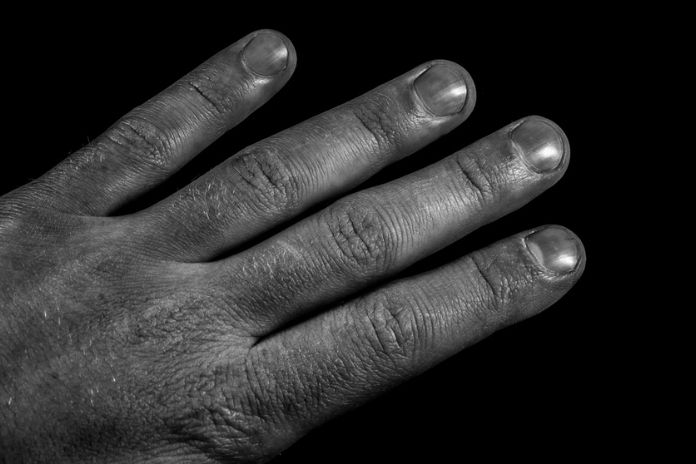
Digital clubbing is one of the better-known physical signs linked to lung disease, including lung cancer. Over time, the fingertips begin to look broader and more rounded, and the angle between the nail and nail bed becomes less defined. In more advanced stages, the nails curve downward, giving a “drumstick” appearance.
In some people, clubbing is part of a broader condition called hypertrophic pulmonary osteoarthropathy. This can involve joint swelling and bone pain, particularly in the long bones. The underlying mechanism is thought to involve growth factors released by the tumor that stimulate abnormal tissue changes in the extremities.
Although it is seen in patients with non-small cell lung cancer, especially adenocarcinoma, it’s important to remember that clubbing has other causes too, including chronic lung and heart conditions. See a doctor if you notice gradual changes in the shape of your fingertips or nails, especially alongside joint discomfort or breathing symptoms.
2. Acanthosis Nigricans (Malignant Type)
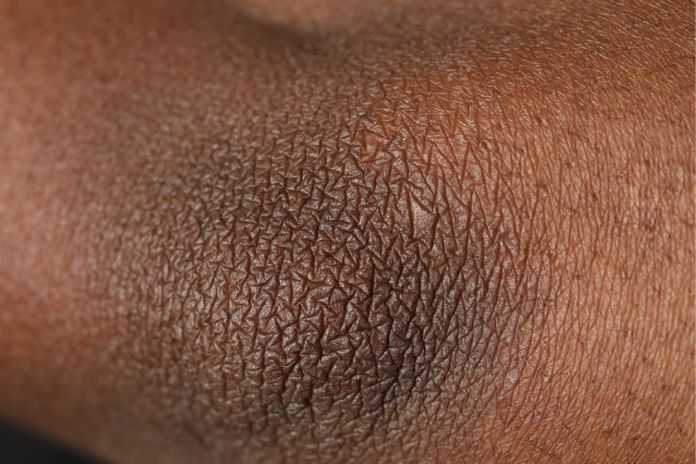
Acanthosis nigricans is often associated with insulin resistance. They appear as dark, velvety patches in areas like the neck or underarms. The malignant form looks similar at first glance but behaves differently.
Instead of developing slowly, it tends to appear quickly and spread more widely. It may affect areas not typically involved in the benign form, including the mouth, lips, or palms. It can also occur in individuals without metabolic risk factors.
The above symptoms are linked to tumor-related growth signals that stimulate skin cell proliferation. While more commonly associated with gastrointestinal cancers, it has also been reported in lung cancer. See a doctor if the condition develops rapidly, spreads beyond typical areas, or appears without a history of insulin resistance.
3. Sign of Leser-Trélat
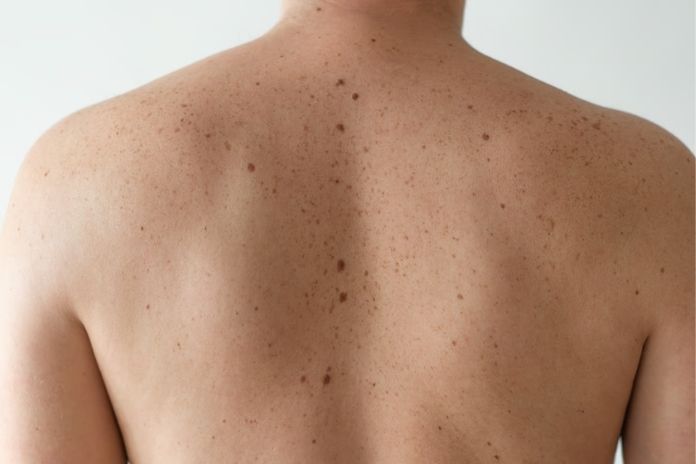
Seborrhoeic keratoses are common, especially with age. They usually appear gradually over time as small, raised, “stuck-on” lesions. The sign of Leser-Trélat refers to a different pattern, in which many of these growths appear suddenly and increase rapidly in number or size.
This rapid eruption may also be accompanied by itching. The change is believed to be because of growth factors produced by an underlying tumor.
Since these lesions are so common in the general population, the key difference is timing. A sudden increase, rather than a slow accumulation, raises concern. You must see a doctor if you notice multiple new skin growths or a sudden change in existing ones.
Read More: Persistent Cough vs. Lung Cancer: When to Worry
4. Erythema Gyratum Repens
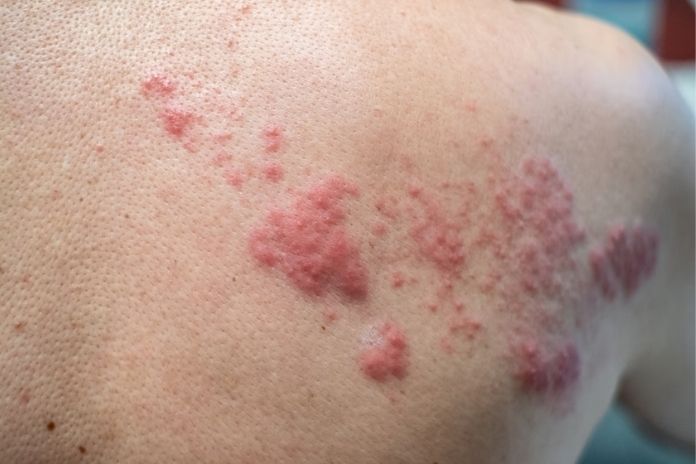
Erythema gyratum repens is rare, but when it does appear, it is noticeable. It shows up as red, ring-like, or wave-like patterns that spread across the skin, often compared to wood grain. The rash moves over time and may have a fine scale at its edges.
This condition has a strong association with internal malignancy, particularly lung cancer. Because of that, it’s considered one of the more specific dermatologic warning signs. You must visit your doctor immediately if you develop a rapidly moving, patterned rash with a distinctive ringed or wave-like appearance.
5. Acrokeratosis Paraneoplastica (Bazex Syndrome)
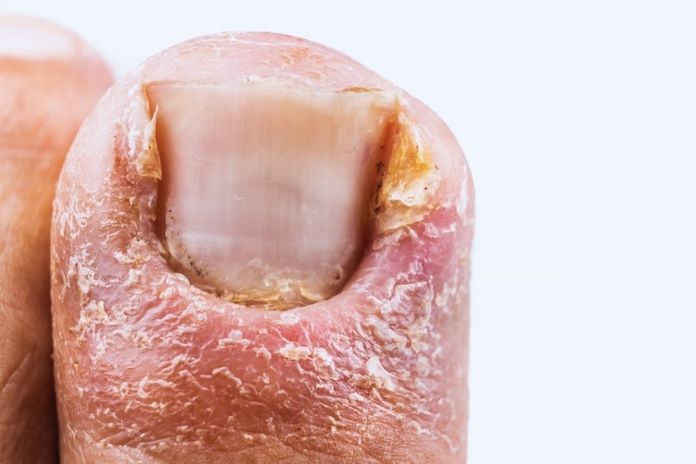
Bazex syndrome often begins subtly, with redness and scaling on the nose, ears, fingers, or toes. Over time, the skin becomes thicker, and nail changes such as ridging or distortion may develop. The distribution is usually symmetrical, and the condition does not respond well to typical psoriasis treatments. That lack of response is often an important clue.
It is most strongly linked to cancers of the upper aerodigestive tract, including lung cancer. Visit your doctor if you notice a psoriasis-like rash that affects the face or extremities and does not improve with basic treatment.
6. Dermatomyositis
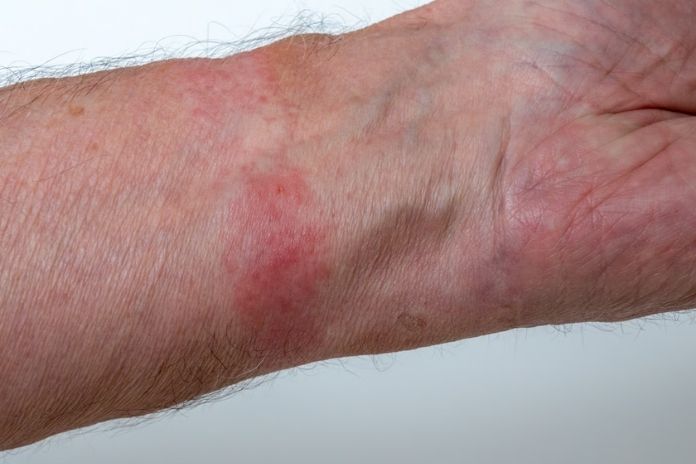
Dermatomyositis affects both the skin and muscles. The skin findings are distinctive: a purplish rash on the eyelids, raised lesions over the knuckles, and redness across sun-exposed areas like the face and chest. Muscle weakness, particularly in the shoulders and hips. This often develops alongside these skin changes.
In adults, dermatomyositis is sometimes associated with an underlying malignancy, including lung cancer. In some cases, it is the first indication that something more serious is present. Visit your doctor if you see these skin changes along with muscle weakness, especially if symptoms develop in adulthood.
7. Tripe Palms
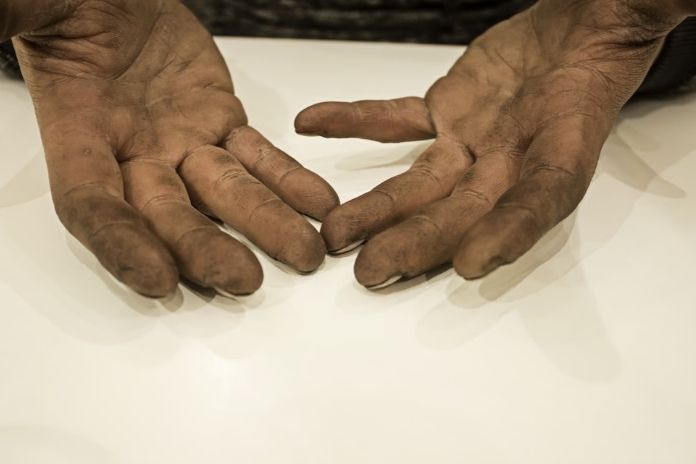
Tripe palms is a condition of change in the texture of the palms, which become thickened and velvety, with more noticeable ridges and folds. The appearance is often compared to the lining of the stomach.
This condition is uncommon but has been linked to internal cancers, including lung cancer. It may occur alongside other skin findings, particularly acanthosis nigricans. Consult your doctor immediately in case your palms develop an unusual, thickened, ridged texture without a clear explanation.
When to See a Doctor — and What Will Happen
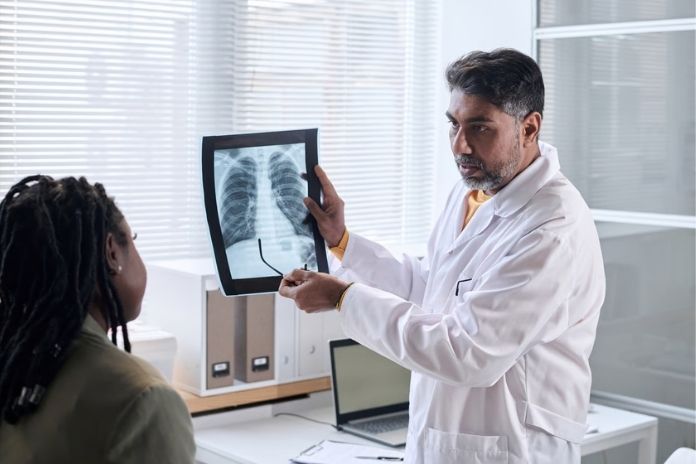
None of these signs on their own confirms lung cancer. In many cases, there are more common explanations. What matters is context. By this, we mean how quickly the change appeared, whether it’s spreading, and whether there are other symptoms.
If something doesn’t fit the usual pattern, it’s worth getting it checked. A GP or dermatologist can assess the findings and decide whether further testing, such as imaging, is needed. The goal isn’t to self-diagnose but to understand when something unusual deserves attention.
Read More: Can Lung Cancer Be Silent? What “No Symptoms” Really Means
Conclusion
We usually believe lung cancer to be a disease of the lungs, but its effects can extend beyond the chest. In some cases, the skin reflects those changes early.
These signs are rare and often have non-cancerous explanations. Still, being aware of them and recognizing when something seems unusual can make a difference. Sometimes, it’s the small, visible clues that lead to earlier answers.
FAQs
Q. Can lung cancer show up on the skin?
A. Yes, though it’s not common. Certain skin changes can occur as part of paraneoplastic syndromes, which are triggered by substances released by a tumor. These changes don’t mean cancer is present, but they may prompt further evaluation.
Q. What does lung cancer look like on the skin?
A. It doesn’t have a single appearance. Skin symptoms may include darkened patches, sudden growths, unusual rashes, changes to the fingertips, or thickened palms. Each pattern has its own clinical context.
Q. Are skin symptoms of lung cancer common?
A. They’re relatively uncommon. Some, like digital clubbing, are seen more frequently, while others are rare. Their importance lies less in how often they occur and more in how specific they are when they do appear.
References
- DermNet NZ. (2019). Tripe palms. Tripe palms
- DermNet NZ. (2019). Erythema gyratum repens. Erythema gyratum repens
- Johns Hopkins Medicine. (n.d.). Dermatomyositis.
- Sandhu, A., & Agrawal, D. K. (2026). Dermatomyositis: Prevalence, clinical spectrum, diagnostic approach, and management strategies. Archives of Internal Medicine Research, 9(1), 14–25.
- Zhao, C. Y., & Oakley, A. (2019). Erythema gyratum repens. DermNet NZ.
- Grilletta, E. A., & Ellis, D. L. (2021). Paraneoplastic bullous pemphigoid presenting with erythema gyratum repens-like figurate erythema. JAAD Case Reports, 12, 37–39.
- StatPearls Publishing. (2023). Leser-Trélat sign. In StatPearls.
In this Article