


















- Persistent fatigue, brain fog, nausea after meals, itching without a rash, and unexplained weight changes can be early signs that the liver or pancreas is struggling, even before obvious symptoms like jaundice appear
- These organs control energy metabolism, digestion, and toxin processing, so dysfunction can lead to poor nutrient absorption, unstable blood sugar, and toxin buildup, resulting in tiredness and digestive discomfort.
- If two or more symptoms persist for a couple of weeks without a clear cause, it’s worth getting checked.
Most people know the obvious warning signs. Yellowing skin. Dark urine. A grossly distended belly. Those are the late flags, the ones that show up after things have already been going wrong for a while.
What doesn’t get enough attention is the quiet stretch before all that, when the liver and pancreas are struggling in ways that are easy to explain away. You chalk up the fatigue to bad sleep. The brain fog to stress. The nausea after meals to something you ate. And because none of it sounds alarming enough, you wait.
The problem is that early signs of liver and pancreas problems tend to be exactly that: early. They’re reversible. They’re manageable. But only if you recognize them before they advance into something that isn’t.
This article breaks down seven of the most commonly overlooked liver and pancreas fatigue symptoms, explains why they happen at the organ level, and tells you when a pattern of them together is worth getting evaluated.
Why the Liver and Pancreas Affect Energy Levels
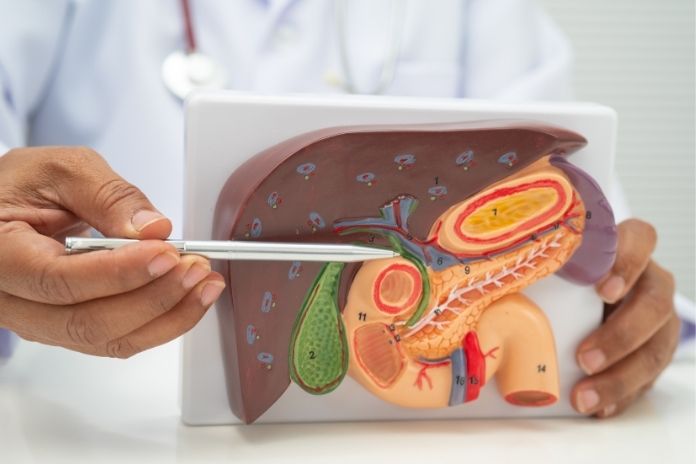
These two organs sit close together in the upper abdomen, and their jobs are deeply intertwined. The liver handles detoxification, bile production, glycogen storage, hormone processing, and protein synthesis.
The pancreas secretes both insulin, which regulates blood sugar, and digestive enzymes needed to break down food. Between them, they’re responsible for a remarkable chunk of daily metabolic function.
When either organ is under stress, the downstream effects are systemic. The liver’s role in glycogen storage means that a compromised liver delivers less steady glucose to cells, producing the kind of fatigue that doesn’t respond to rest.
The pancreas’s role in enzyme secretion means that impaired pancreatic enzyme deficiency leaves nutrients poorly absorbed, so even a reasonable diet starts failing to fuel the body properly.
Hepatic function and pancreatic function are also connected through bile flow. The liver produces bile, which is stored in the gallbladder and then released into the small intestine, where it aids in the digestion of fats. Pancreatic enzymes work alongside this bile. When either side of that system is impaired, digestion suffers.
And critically, both organs can exhibit dysfunction well before failure. Metabolic fatigue, the kind that stems from impaired glycogen regulation, toxin accumulation, or nutrient malabsorption, doesn’t wait for jaundice.
Dr. Mark Hyman, MD, Senior Advisor for the Cleveland Clinic Center for Functional Medicine, bluntly puts the liver’s role in energy: “A healthy liver means your body stays healthy, you don’t get sick, and you maintain plenty of energy.”
A fatty or overburdened liver, he explains, doesn’t just affect digestion. It paves the way for systemic inflammation, insulin resistance, and chronic fatigue that most people never trace back to the organ responsible.
7 Subtle Signs Your Liver and Pancreas Are Struggling

Your liver and pancreas don’t usually scream for attention. They whisper. And most of the time, those whispers get brushed off as stress, poor sleep, or just a “bad day.”
But here’s the thing: when these two organs start struggling, your body drops subtle clues long before things get serious.
Catching those early signs can make all the difference.
1. Deep, Unrelenting Fatigue or Muscle Weakness
Not the tired-after-a-bad-night kind. The kind that sleep doesn’t touch.
The liver stores glycogen, the body’s primary quick-access energy reserve. When hepatic function is impaired, glycogen storage and release become unreliable. Cells don’t get consistent fuel. The result is a fatigue that tends to be constant and somewhat independent of how much rest you get.
On the pancreatic side, pancreatic enzyme deficiency means fats, proteins, and carbohydrates aren’t being fully digested and absorbed. Nutrients pass through incompletely processed. Even if you’re eating well, your cells may not be getting what they need. The muscles are often where this first shows up: weakness, heaviness, difficulty sustaining physical effort.
A systematic review published in PubMed examining quality of life in patients with non-alcoholic fatty liver disease found that fatigue was one of the most consistently reported symptoms across nearly 5,000 patients, with physical domain scores the most significantly impaired.
2. Persistent Brain Fog and Difficulty Concentrating
The liver’s role in detoxification is not incidental. It filters circulating blood, processing ammonia, metabolic byproducts, and other neurotoxic compounds before they reach the brain. When liver function is compromised, those compounds accumulate.
Mild hepatic encephalopathy is the clinical term for what happens when that filtering fails. It doesn’t begin as confusion or coma. It begins with difficulty finding words, slow processing, poor short-term memory, and the experience most patients describe as feeling mentally underwater. It’s reversible in early stages, which is the important part, but only if someone recognizes it for what it is.
Research published in Metabolic Brain Disease found that even sub-clinical ammonia accumulation from liver dysfunction was associated with measurable cognitive impairment, with hyperammonemia and inflammation together producing significantly worse outcomes than either factor alone.
3. Frequent Nausea or Digestive Discomfort After Meals
This is a common one that gets explained away in a dozen directions before anyone looks at bile production and digestion.
Bile production is a liver function. When the liver is inflamed, congested, or dealing with excess fat, bile output can drop or become erratic. Bile is essential for fat digestion, and without it, fatty meals become a source of real discomfort. Bloating, queasiness, a feeling of fullness that lingers for hours, and occasional loose stools after high-fat meals are the typical pattern.
Pancreatic enzyme deficiency compounds this. The pancreas releases lipase, amylase, and protease into the small intestine. When secretion is inadequate, fat digestion is especially impaired. Undigested fat passes further down the GI tract than it should, causing bloating, gas, and sometimes oily or pale stools.
A practical tip while you wait for evaluation: temporarily reduce high-fat meals. That means fried food, fatty cuts of meat, and heavy sauces. Not because fat is permanently off the table, but because it puts the greatest demand on both bile flow and pancreatic enzyme output.
4. Upper-Right Abdominal Pain or Persistent Bloating
The liver sits in the upper-right quadrant, under the rib cage. When it’s inflamed or enlarged, a dull ache or pressure in that area is not unusual. Patients often describe it as a heaviness rather than a sharp pain, which intensifies after eating or after physical activity.
This type of pain, when combined with other liver and pancreas fatigue symptoms, can indicate hepatomegaly, the clinical term for liver enlargement. It can also, in more advanced cases, suggest early fluid retention in the abdominal cavity.
The bloating component is important to differentiate. Persistent abdominal distension that doesn’t respond to dietary changes, isn’t tied to a particular food, and returns consistently is different from normal post-meal bloating. In the context of liver dysfunction, it can reflect early changes in hepatic function that affect fluid balance.
When upper-right pain is sharp, sudden, severe, or accompanied by fever, that’s a different conversation and one that warrants immediate evaluation.
5. Unexplained Weight Loss or Abdominal Weight Gain
Two opposite patterns, both potentially meaningful.
Unexplained weight loss despite normal or increased food intake is a classic sign of pancreatic enzyme deficiency and malabsorption. The body is eating but not absorbing. Fat-soluble vitamins are lost. Protein absorption suffers. Muscle mass declines.
A clinical review published in PMC on exocrine pancreatic insufficiency found that untreated malabsorption leads to micronutrient deficiencies, sarcopenia, and significantly impaired quality of life, with the condition frequently under-recognized because symptoms overlap with other GI disorders.
Weight gain concentrated in the abdomen, particularly when accompanied by other early signs of liver and pancreas problems, can indicate something different. Fluid retention secondary to portal hypertension or early cirrhotic changes produces abdominal distension that doesn’t respond to diet or exercise. This isn’t fat accumulation. It’s fluid and represents a meaningful shift in hepatic function that warrants clinical attention.
If your weight has shifted significantly in either direction without an obvious explanation, that’s a symptom worth investigating rather than accepting.
6. Itchy Skin Without a Rash
This one confuses a lot of people because there’s nothing to see.
When bile production and digestion are disrupted, and bile salts back up into the bloodstream rather than flowing normally into the intestine, those salts deposit under the skin. The result is pruritus, a generalized itching that has no visible cause, no rash, no dry patch, no insect bite. It tends to be worse at night and often affects the palms and soles of the feet.
It’s a symptom that patients frequently bring to dermatologists first, who rule out everything in their domain before sending the patient back to primary care. If your itching is generalized, persistent, worse at night, and accompanied by any other liver and pancreas fatigue symptoms, mention the full picture rather than presenting the itch as an isolated problem. The context matters.
7. Easy Bruising or Small Spider Veins on the Skin
The liver produces clotting factors. When hepatic function is compromised, clotting factor production drops, and bruising becomes disproportionate to minor trauma. A bump that would have been nothing leaves a significant bruise. Cuts take longer to stop bleeding than they used to.
Spider angiomas, small red spider-like capillary clusters visible on the skin, typically on the chest, face, and arms, are another early vascular sign of liver dysfunction. They develop when estrogen, which the liver normally helps metabolize, accumulates and causes dilation of small blood vessels.
Neither bruising nor spider angiomas alone confirms liver disease. Together with other symptoms on this list, they’re part of a clinical picture worth presenting to a doctor.
When to See a Doctor
The threshold here is straightforward: if you’re experiencing two or more of the symptoms above and they’ve been present for more than two weeks without an obvious explanation, get evaluated.
The relevant tests aren’t exotic. A liver function test (LFT) measures ALT, AST, alkaline phosphatase, bilirubin, and albumin, providing a snapshot of hepatic function and identifying where dysfunction may be occurring. A pancreatic enzyme test can assess lipase and amylase levels in the blood.
Ultrasound imaging can detect hepatomegaly, fatty infiltration, gallbladder changes, and pancreatic abnormalities. A pancreatic enzyme test measuring fecal elastase can identify exocrine insufficiency without invasive testing.
Early detection genuinely changes outcomes. Non-alcoholic fatty liver, fatigue, and early pancreatic insufficiency symptoms are manageable at the stage where they show up as fatigue and digestive discomfort. They are considerably harder to manage when they’ve progressed to fibrosis or significant malabsorption.
Dr. Robynne Chutkan, MD, FASGE, founder of the Digestive Center for Wellness, is direct about why people wait too long: “These are not illnesses that are just falling out of the sky. This is your gut trying to communicate with you,” she told the Mel Robbins Podcast.
The body’s signals, including being tired all the time, liver problems, and digestive discomfort, are not random. They’re information, and the question is whether you act on it before or after things get more complicated.
Read More: Fatty Liver Disease: Early Signs You Should Never Ignore
How to Support Liver and Pancreas Health (Evidence-Based Habits)
These aren’t detox protocols. They’re the things the evidence actually supports.
Alcohol reduction is the most impactful single change for liver health in people who drink. Even moderate alcohol intake affects hepatic function in susceptible individuals, and no dose of alcohol is beneficial for the liver specifically.
Avoiding unnecessary supplements is underappreciated advice. The liver processes everything that enters the bloodstream, including supplements. High-dose supplements, herbal extracts marketed as liver “cleanses,” and products containing kava, comfrey, or high-dose vitamin A can cause direct hepatotoxicity. If you have liver concerns, more supplementation is not the answer. Fewer evidence-based supplements are.
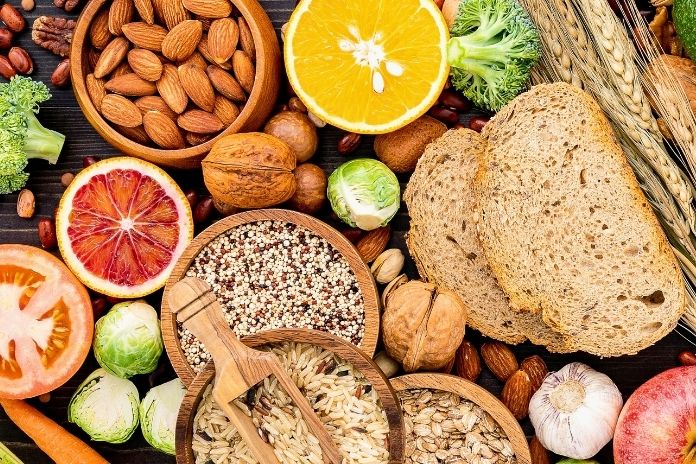
A whole-food diet low in refined sugars and processed foods reduces the primary drivers of non-alcoholic fatty liver disease. Sugar and refined carbohydrates drive hepatic fat accumulation. Reducing them consistently is more effective than any supplement at changing liver function test trajectories over months.
Weight management directly affects both organs. Excess visceral fat is the most modifiable risk factor for fatty liver disease.
A clinical review published in PubMed found that weight loss and dietary modification remain the primary treatments for non-alcoholic fatty liver disease, with lifestyle interventions showing the most consistent improvement in liver function test markers and histological outcomes.
Blood sugar control matters in particular for the pancreas. Insulin resistance strains both organs. For people with prediabetes or type 2 diabetes, controlling glucose directly reduces pancreatic workload and is associated with reduced risk of pancreatic enzyme deficiency over time.
Regular screening for people with risk factors, including obesity, diabetes, metabolic syndrome, or a family history of liver or pancreatic disease, is the single most reliable way to catch early signs of liver and pancreatic problems before they become symptomatic.
Dr. Elizabeth Boham, MD, MS, RD, a board-certified family medicine physician, puts it plainly: “We really have to dig and look for that when we’re working with our patients,” she explains, referring to the individual root causes driving liver dysfunction. For some patients, it’s alcohol.
For others, it’s refined carbohydrates, environmental toxins, or gut microbiome imbalance. The lifestyle approach has to match the driver, which is exactly why working with a knowledgeable provider matters.
Read More: 7 Foods to Naturally Cleanse Your Liver
Key Takeaway
Chronic tiredness isn’t always about sleep debt or stress. Sometimes it’s the body flagging something more specific, an organ system that’s working harder than it should and starting to fall behind.
Tired all the time, liver problems, and pancreatic insufficiency symptoms don’t announce themselves loudly in the early stages. They show up as fatigue that won’t quit, brain fog that follows you through the day, nausea after certain meals, itching that has no visible cause, and bruises that appear too easily. Individually, each symptom has a dozen explanations. Together, across two weeks or more, they’re a pattern worth taking to a doctor.
The liver function test and pancreatic enzyme test that can begin to answer the question are not complicated to order. The lifestyle changes that can meaningfully improve hepatic function and reduce the risk of pancreatic enzyme deficiency are not extraordinary. The gap between where most people sit and where they could be is often not that wide, but it requires deciding that persistent unexplained fatigue is worth investigating rather than adapting to.
References
- Felipo, V., Urios, A., Montesinos, E., et al. (2012). Contribution of hyperammonemia and inflammatory factors to cognitive impairment in minimal hepatic encephalopathy. Metabolic Brain Disease, 27(1), 51-58.
- Hyman, M. (2021). Why is fatty liver so common, and how can it be healed? The Doctor’s Farmacy Podcast.
- Jan, A., Bhatt, D. L., Bhatt, D. L., & Masood, M. (2022). Non-alcoholic fatty liver disease: A review of pathophysiology, clinical management and effects of weight loss. BMC Gastroenterology.
- Kenneally, S., Sier, J. H., & Moore, J. B. (2017). Efficacy of dietary and physical activity intervention in non-alcoholic fatty liver disease: A systematic review. BMJ Open Gastroenterology, 4(1), e000139
- National Institutes of Health, NCBI. (2023). Exocrine pancreatic insufficiency. StatPearls.
- Siddiqui, M. S., Bhatt, D. L., et al. (2018). Symptoms, burden, and unmet needs of patients living with exocrine pancreatic insufficiency: A narrative review of the patient experience. PMC.
- Singh, V. K., Haupt, M. E., Geller, D. E., Hall, J. A., & Diez, P. Q. (2017). Less common etiologies of exocrine pancreatic insufficiency. World Journal of Gastroenterology, 23(39), 7059-7076.
- Tapper, E. B., & Parikh, N. D. (2021). Liver function tests with Dr. Elliot Tapper. The Curbsiders Podcast, Episode 302.
- British Liver Trust. (n.d.). Symptoms of liver disease.
- Baylor Scott & White Health. (n.d.). 14 signs of liver damage you should know.
- Cleveland Clinic. (n.d.). Liver failure.
- Hopkins Medicine. (n.d.). Common characteristics of liver disease.
- Kailash Healthcare. (n.d.). Silent crisis: 7 warning signs your liver is failing – A specialist urgent alert.
- Manipal Hospitals. (n.d.). Warning signs of liver damage.
- Max Healthcare. (n.d.). Warning signs of liver disease.
- Mayo Clinic. (n.d.). Liver problems: Symptoms and causes.
- PharmEasy. (n.d.). 17 signs you suffer from liver stress.
- Progressive Gastroenterology Care. (n.d.). Early warning signs of trouble.
- Redcliffe Labs. (n.d.). 7 signs your liver is dying: Don’t miss these alarming symptoms.
- RMG Gastroenterology. (n.d.). 7 pancreas problems symptoms.
- Solaris Hospitals. (n.d.). 7 signs your liver is dying.
- YouTube. (n.d.). [Video].
In this Article