

















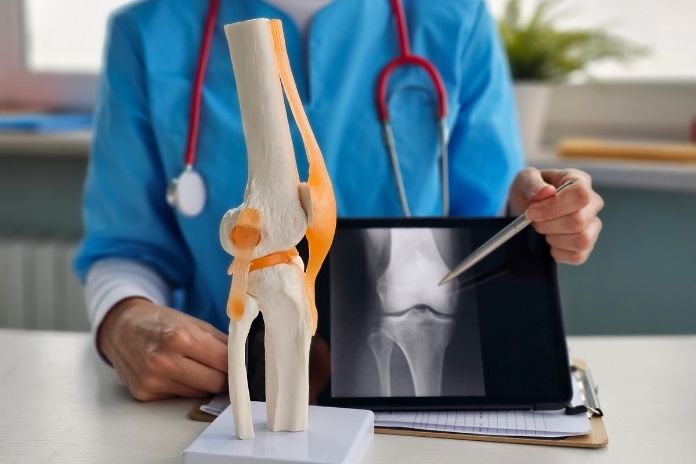
- Strong bones need more than calcium. Vitamin D, vitamin K, magnesium, and protein also support bone density.
- Certain foods help strengthen bones. Dairy, fish, tofu, nuts, seeds, greens, and prunes provide key nutrients.
- Some diet habits weaken bones. Too much caffeine, salt, soda, and alcohol may increase bone loss.
Bone health is one area where attention wavers until it is too late, but the foundation of bone strength is established long before the problems appear. Peak bone mass is achieved in early adulthood, and then the body becomes less and less able to transform old bone to new bone. This process, known as bone remodeling, is continuous. When resorption exceeds formation, the bones become thinner and weaker.
The statistics are staggering: more than 10 million adults aged 50 and older suffer from osteoporosis, while more than 40 million have low bone mass. The silent progression of bone loss means that the food we eat plays an important part in the prevention of osteoporosis.
Many experts now emphasize foods for bone density and foods that prevent osteoporosis as part of long-term health planning. It is common knowledge that bone health is directly linked to calcium, but in fact, it takes a group of nutrients to produce healthy bones.
It is not just calcium in the meal plan to produce bone health; rather, it should be accompanied by vitamin D, vitamin K, magnesium, protein, and other nutrients. Together, they form the foundation of bone remodeling nutrition. These nutrients should be part of meals to help preserve bone mineral density and reduce the risk of fractures in the future.
Understanding what nutrients are needed for strong bones can help people make better everyday food choices. In this article, we will explore the best foods for strong bones and explain what to eat for bone health to support long-term bone density.
We will look at the key nutrients involved in bone remodeling, including calcium, vitamin D, vitamin K, magnesium, and protein, and the foods that provide them. We will also discuss lesser-known foods that may help protect bone strength, along with dietary habits that may quietly undermine bone health.
Read More: Bone Density Loss After 30: Early Signs, Causes, and How to Reverse It Naturally
Calcium-Rich Foods Form the Foundation
Build the Base Right
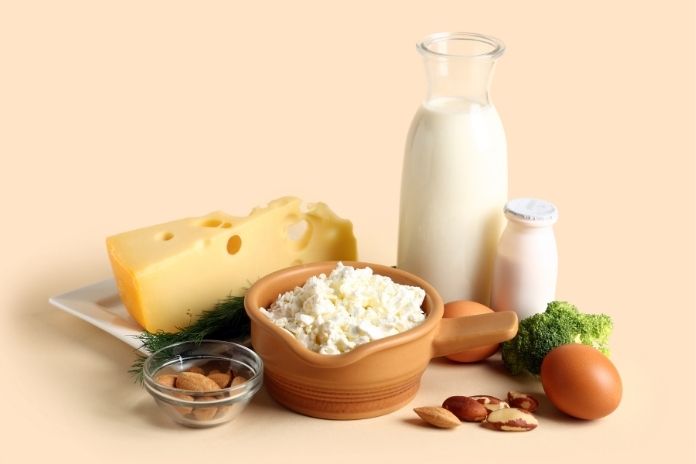
Calcium is the primary mineral found in bones that provides strength and shape. The major portion of calcium, which is 99%, is found in the bones and teeth. The human body does not produce calcium on its own, so it is mandatory to ingest it through food items.
The required calcium needed by a person between 19 and 50 years of age is 1,000 milligrams. However, after the age of 50, especially for women, it increases to 1,200 milligrams per day.
Top sources include:
Milk, yogurt, cheese, and similar dairy products contain a high amount of calcium. These calcium-rich foods are widely considered some of the best foods for strong bones. Research on dairy and bone health consistently shows that dairy provides calcium along with protein and phosphorus, which support bone structure.
An eight-ounce glass of milk consists of about 300 milligrams of calcium, along with protein and phosphorus that help support bone health and bone structure.
Fish with bones, such as sardines and canned salmon, provide calcium along with vitamin D and beneficial fatty acids that contribute to omega-3 bone health. These nutrients work together to strengthen bones and maintain density.
Sometimes, a half-cup serving of tofu can provide a major portion of the required calcium. However, tofu should be made from calcium salts. Tofu and similar foods are especially helpful for people interested in plant-based bone health.
Although leafy greens are often promoted for bone health, not all vegetables provide absorbable calcium. Spinach contains calcium, but it also contains oxalates that reduce absorption. As a result, it should not be relied upon as a primary source of calcium in a bone density diet.
Vitamin D and Vitamin K Help Calcium Work
It’s not enough to just have calcium unless your body can actually utilize it. And that’s where vitamin D and vitamin K come into the picture.
Calcium Can’t Work Without These Two
Vitamin D is the key to the lock when it comes to calcium absorption. Without it, your body will not be able to absorb the calcium in the food you eat, no matter how much calcium you consume. The relationship between vitamin D and bone health and bone strength cannot be ignored.
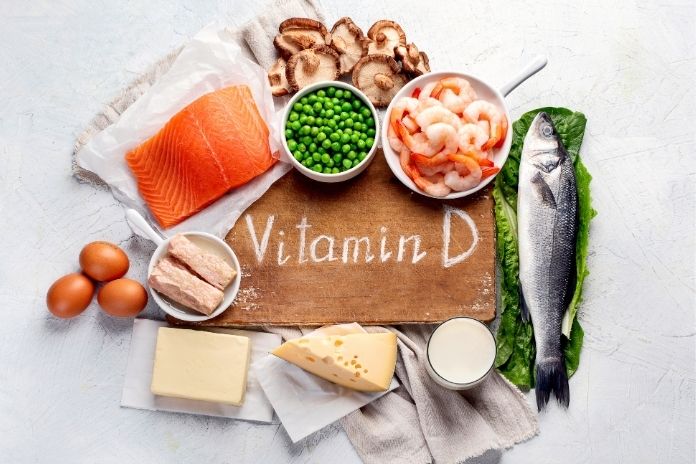
Top Vitamin D Sources
Fatty fish such as salmon, sardines, and mackerel contain natural vitamin D. Egg yolks and mushrooms exposed to sunlight can also provide some vitamin D. Fortified milk, cereals, and orange juice also help support adequate vitamin D intake.
Vitamin K—the Calcium Director
Vitamin K works a little differently. Instead of increasing calcium absorption, it helps direct calcium to the bones and away from places it shouldn’t accumulate, such as blood vessels. Because of this role, interest in vitamin K₂ and bone density has grown in recent years.
Leafy green vegetables such as kale, collard greens, Brussels sprouts, and broccoli contain significant amounts of vitamin K and are often recommended when discussing what to eat for bone health.
Magnesium, Protein, and the Underrated Bone Foods
Some nutrients may not always be in the spotlight, yet they are essential in ensuring that our bones remain strong.
Magnesium—The Overlooked Essential
Magnesium makes up about 60% of the total magnesium stored in our bodies, much of which is located in our bones. The connection between magnesium bone density and overall skeletal health is significant because magnesium helps regulate calcium levels and activate vitamin D.
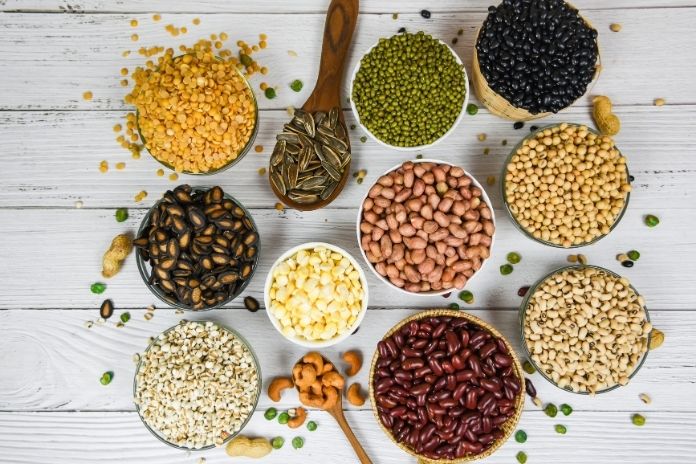
Magnesium can be obtained from foods such as almonds, pumpkin seeds, beans, whole grains, and leafy greens like spinach. Dark chocolate can also provide magnesium, although it should be consumed in moderation.
Protein—The Scaffold Your Bones Are Built On
Protein also plays a major role in bone strength. Although bones are often thought of as purely mineral structures, they actually contain about 50% protein, mainly in the form of collagen. This structure is critical for collagen bone health, as collagen provides the framework that minerals such as calcium attach to.
Read More: Bone Density Testing: Who Needs It and What to Expect
The Surprising Bone Foods Worth Adding
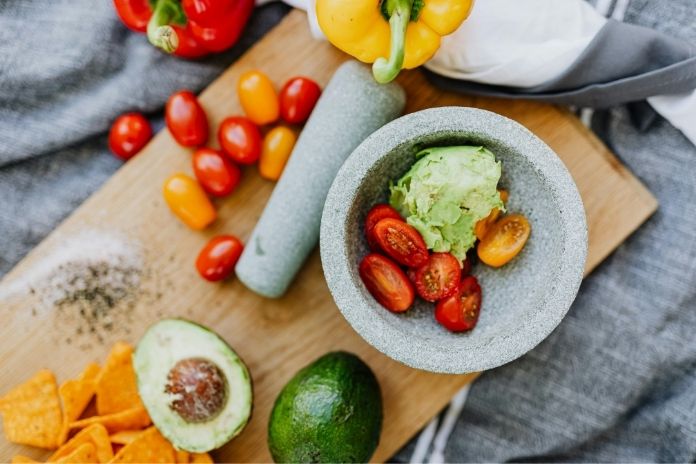
Several lesser-known foods support bone health in different ways and are often included among the foods that strengthen bones.
Prunes
One such food is prunes. Several studies suggest that regular consumption of prunes may slow the loss of bone density, particularly in women after menopause. Interest in prunes’ bone density research has grown because prunes provide antioxidants, potassium, and vitamin K, all of which support bone remodeling.
Avocados
Avocados provide boron, a trace mineral that helps the body use magnesium and vitamin D more efficiently, indirectly contributing to stronger bones.
Tomatoes
Tomatoes and watermelon provide lycopene, an antioxidant associated with reduced risks of spinal bone loss. Although research is still developing, these foods may offer additional benefits when considering what foods build bone density.
Foods That Quietly Undermine Bone Health

What to Limit—The Other Side of the Equation
Some foods help build strong bones, while others, when consumed excessively, may contribute to gradual bone loss over time. Excessive caffeine may interfere with calcium absorption. Drinking more than three cups of coffee per day may disrupt the body’s calcium balance.
Colas and other soft drinks contain phosphoric acid that may interfere with the mineral balance needed for bone strength. Diets high in sodium may also increase calcium loss through the kidneys.
Excessive alcohol consumption may interfere with bone remodeling and the liver’s ability to activate vitamin D. Large amounts of fiber, particularly wheat bran, consumed alongside calcium-rich foods, may also reduce calcium absorption.
Read More: 8 Best Products for Supporting Bone Health and Density
Conclusion
Strong bones do not come from a single nutrient but from a combination of nutrients working together. Calcium remains important, but the best foods for strong bones also provide vitamin D, vitamin K, magnesium, protein, and other supportive nutrients.
One practical way to support bone health is to pair calcium-rich foods with sources of vitamin D in the same meal. This helps the body absorb and use calcium more efficiently.
For people wondering “what should I eat to prevent osteoporosis” or looking for the “best foods for bones after 40,” focusing on a balanced diet that includes dairy, fish, nuts, seeds, fruits, and vegetables can make a meaningful difference over time.
If you are an adult concerned about osteoporosis or bone loss, discuss with your doctor whether a bone density test, such as a DEXA scan, is appropriate. Understanding what to eat for bone health today may help preserve bone strength for decades to come.
References
- Holland & Barrett. (n.d.). Does caffeine affect the absorption of vitamins and minerals?
- Rizzoli, R., et al. (2022). Osteoporosis and nutrition: Updated review.
- National Institutes of Health, Office of Dietary Supplements. (n.d.). Magnesium: Fact sheet for health professionals.
- Max Healthcare. (n.d.). Calcium-rich foods for bones.
- Office of Disease Prevention and Health Promotion. (n.d.). Osteoporosis workgroup.
- National Institutes of Health, Office of Dietary Supplements. (n.d.). Calcium: Fact sheet for consumers.
In this Article