














Water is a fundamental necessity of life, comprising more than half of the human body. Staying hydrated prevents dehydration and is essential for maintaining good health. Since water is lost through sweating, breathing, and urination, it needs to be replenished regularly. However, like everything else, too much of a good thing can be harmful.
Most people understand that dehydration poses serious health threats, but the risks of drinking excessive water are less well-known. Overhydration can disrupt electrolyte levels in the body, placing tremendous strain on vital organs and leading to severe complications.
While there isn’t a strict rule, experts typically recommend 2 to 4 liters of water per day for healthy adults, depending on climate and physical activity level. Exceeding this normal range can have adverse effects on your well-being.
To help you maintain proper hydration balance, we’ve compiled a list of side effects associated with excessive water intake. This knowledge will help you make better choices to keep your body functioning optimally.
Side Effects of Excessive Water Consumption
1. Cell Swelling

Sodium and potassium are crucial electrolytes that maintain the body’s fluid balance. When large quantities of water are consumed, these electrolyte concentrations drop dramatically, disrupting the body’s equilibrium. As a result, excess water enters cells and causes abnormal swelling.
This condition, known as cellular edema, can become life-threatening by interfering with normal body functions. In extreme cases, brain cell swelling can cause serious complications, including confusion, seizures, and even coma.
2. Hypokalemia (Low Potassium)
Potassium is essential for fluid balance, muscle contraction, and nerve signaling. Excessive water intake can cause frequent urination and sweating, which further depletes potassium levels. This condition, called hypokalemia, is associated with symptoms including nausea, vomiting, muscle weakness, paralysis, diarrhea, and low blood pressure.
Severely low potassium levels can also cause irregular heartbeat, which may be life-threatening. Therefore, maintaining a proper balance of water and electrolytes is crucial for good health.
Read More: Top 11 Foods High in Potassium
3. Heart Strain

The small intestine absorbs approximately 80% of consumed liquids into the bloodstream through osmosis, obviously increasing blood volume. Excessive water intake forces the heart and blood vessels to work harder to circulate the additional fluid. This can lead to increased blood pressure and stress on the cardiovascular system.
In extreme cases, this condition can become dangerous, potentially leading to complications such as compromised heart function, fluid overload, and seizures. It’s essential to maintain an appropriate daily water intake to avoid adversely affecting your heart.
4. Hyponatremia (Water Intoxication)
Brain cell swelling occurs when sodium concentrations drop suddenly, leading to excess water in cells. This condition is essentially the opposite of dehydration. When pressure increases inside the skull, headaches may occur.
Sometimes, you may experience headaches from excessive water consumption, though this doesn’t necessarily mean you have this condition. If water intoxication does occur, seek immediate treatment. Maintain normal hydration with balanced electrolyte levels to prevent this dangerous condition.
5. Frequent Urination

While frequent urination can indicate proper hydration, it becomes inconvenient and disruptive when water intake is excessive. When consumed in excess, the body attempts to eliminate unneeded water through urine and sweat. An overactive bladder or urgent need to urinate frequently may result from drinking too much water, potentially disrupting your sleep.
This can sometimes lead to urinary incontinence or create embarrassing situations during social gatherings. Maintaining balanced water intake minimizes unnecessary strain on the bladder while ensuring adequate hydration for bodily functions.
6. Muscle Cramps

Overconsumption of water can wash away important electrolytes such as sodium, potassium, and magnesium, creating an imbalance that severely affects muscle function. This results in spasms, weakness, and painful cramping.
Since electrolytes are essential for nerve signaling and muscle contractions, their depletion causes pain and reduced performance. Therefore, maintaining electrolyte intake through diet or electrolyte-rich drinks is crucial during high-endurance workouts or periods of heavy sweating to prevent these painful muscle cramps.
Read More: 18 Natural Muscle Relaxers – Bid Adieu to Muscle Pain and Cramps
7. Potential Increased Cancer Risk

In many areas, chlorine is used to disinfect tap water from harmful bacteria and pathogens. However, long-term consumption of chlorinated water may pose health risks.
Some studies suggest that consuming chlorine-treated water over many years may increase the risk of bladder and testicular cancers, especially when combined with beverages made using chlorinated tap water. To minimize potential health risks, consider using a water filtration system or purchasing purified drinking water when possible.
8. Impaired Kidney Function (Glomeruli Overload)
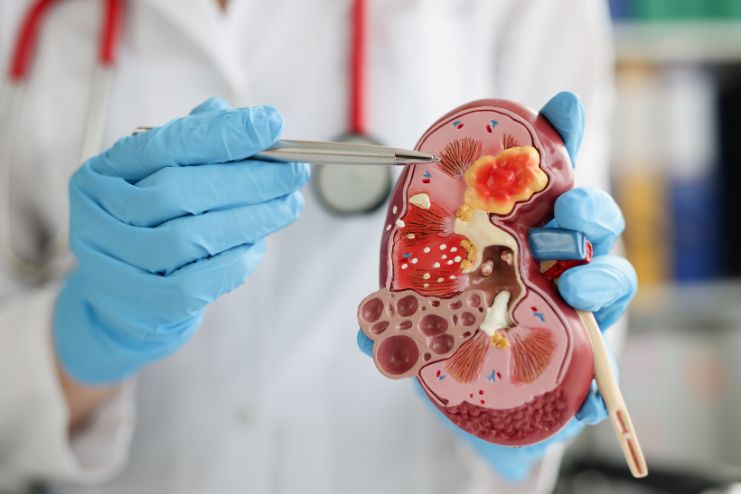
Drinking excessive water places unnecessary pressure on the kidneys, particularly on the glomeruli—tiny clusters of capillaries that filter blood. These structures play a crucial role in the early stages of urine formation by helping eliminate waste and excess fluids from the body.
When water consumption is excessive, the kidneys must work overtime to process and eliminate it. This increased workload can lead to less effective filtration during urine production and potentially cause kidney strain or dysfunction over time. Drinking appropriate amounts ensures optimal kidney function.
gtion during urine production, and even later to kidney strain or dysfunction. The most important thing is to drink so that the kidneys work optimally.
9. Fatigue and Tiredness

While proper hydration is beneficial, excessive water consumption can tire the kidneys as they work to remove surplus fluid. This added stress can trigger hormonal imbalances that result in tiredness, lethargy, and general fatigue.
Rather than boosting energy levels, overhydration can actually make you feel exhausted. Maintaining moderate water intake prevents undue stress on your body and helps keep you energized.
Read More: Adrenal Fatigue Diet – Everything One Needs to Know
Conclusion
Water is essential for survival and maintaining good health. However, excessive water intake can have serious consequences, as overhydration leads to electrolyte imbalances, organ stress, and problems such as hyponatremia, cardiovascular strain, and kidney overload.
Proper hydration is important, but drinking too much can cause symptoms like fatigue, irritability, headaches, and muscle cramps. Experts typically recommend 2 to 4 liters of fluid daily for healthy adults, depending on physical activity level and climate.
Pay attention to your thirst and maintain a balanced intake of fluids and electrolytes to ensure optimal hydration. Being mindful of your water consumption supports your body’s natural functions without placing unnecessary strain on vital organs.
References
- https://www.mayoclinic.org/healthy-lifestyle/nutrition-and-healthy-eating/in-depth/water/art-20044256
- https://pmc.ncbi.nlm.nih.gov/articles/PMC2740913/
- https://www.heartandstroke.ca/-/media/pdf-files/canada/health-failure/hs_heartfailure_limitingfluid_en.ashx
- https://www.mayoclinic.org/diseases-conditions/hyponatremia/symptoms-causes/syc-20373711
- https://pubmed.ncbi.nlm.nih.gov/8932920/
- https://pubmed.ncbi.nlm.nih.gov/33636058/