














Arthritis affects millions of people and can make everyday activities such as walking, climbing stairs, or even opening a jar more difficult. Although there is no single lifestyle change that can cure arthritis, healthy daily habits can help reduce pain, improve mobility, and support long-term joint health.
Whether you have osteoarthritis, rheumatoid arthritis, or psoriatic arthritis, combining lifestyle changes with your prescribed treatment plan can make symptoms easier to manage. Here are practical, evidence-based habits that may help you stay active and protect your joints.
- Healthy habits like exercise, quality sleep, a balanced diet, and weight management can help reduce arthritis pain and improve mobility.
- Lifestyle changes work best alongside prescribed treatment, not as a replacement for medication.
- Seek prompt medical care if you develop sudden severe joint pain, swelling, redness, warmth, or fever.
Read More: 8 Things Rheumatologists Want You to Stop Doing If You Have Arthritis
Types of Arthritis

Arthritis is not a single condition. Osteoarthritis develops when the protective cartilage within joints gradually wears down, making weight management and exercise especially important. Rheumatoid arthritis is an autoimmune disease in which the immune system attacks healthy joints, making medication adherence and inflammation control essential.
Psoriatic arthritis is linked with psoriasis and may affect the eyes and cardiovascular system in addition to the joints. While the lifestyle changes below can benefit most people with arthritis, some recommendations are particularly important for certain types.
Lifestyle Changes For Arthritis

Healthy lifestyle habits cannot replace medical treatment for arthritis, but they can improve joint function, reduce pain, and support overall well-being. The following evidence-based strategies can help most people If you have been wondering what kind of lifestyle switches you can make, we have a few that we want to share with you.
1. Get the Ideal Amount of Sleep Throughout the Day
 Getting enough quality sleep is essential for people living with arthritis. During sleep, the body repairs tissues and regulates inflammatory processes, both of which are important for joint health. Poor sleep can increase pain sensitivity, fatigue, and stiffness, creating a cycle that may worsen arthritis symptoms.
Aim for 7 to 9 hours of sleep each night. If joint pain regularly disrupts your sleep, speak with your healthcare provider. Better pain management, improved sleep habits, or adjustments to your treatment plan may help improve sleep quality.
2. Indulge in Some Movement and Exercise

Regular movement is one of the most effective ways to manage arthritis symptoms. Exercise helps strengthen the muscles that support your joints, improves flexibility, reduces stiffness, and maintains mobility. It can also improve mood and overall quality of life.
Low-impact activities such as walking, swimming, cycling, tai chi, yoga, stretching, and strength training are generally well tolerated by many people with arthritis. Choose activities that match your fitness level and discuss any new exercise program with your healthcare provider if you have severe symptoms.
Read: Hand Exercises for Arthritis to Ease the Pain
3. Diet Plays a Role Too
 Although no single “arthritis diet” has been proven to cure arthritis, research suggests that a balanced eating pattern rich in anti-inflammatory foods may help support overall health and reduce inflammation in some people.
Focus on vegetables, fruits, whole grains, legumes, nuts, seeds, olive oil, and fatty fish rich in omega-3 fatty acids. Limiting highly processed foods, sugary beverages, and excessive alcohol may also support overall health. Because nutritional needs vary, dietary changes should complement, not replace, your prescribed treatment plan.
4. Lose those Extra Pounds
 Maintaining a healthy weight is particularly important for people with osteoarthritis because excess body weight places additional stress on weight-bearing joints such as the knees and hips. Even modest weight loss may reduce pain, improve mobility, and decrease pressure on affected joints.
It is important to thus ensure that you opt for ways that will help you shed off those extra pounds effectively. Given that the condition affects the muscles and bones, it is important that you shed off those excess pounds to be able to get your body in shape and prevent the risks that come along with it.
Extra weight does have negative impacts on the body by imposing pressure on the joints, which can cause negative impacts on the condition even further. Not just that, experts believe that weight loss further helps in improving the metabolism, which has further been found to have better impacts in helping with the medications, thus helping with the recovery even further.
5. Manage Your Stress
 Living with chronic pain can be stressful, and ongoing stress may make arthritis symptoms feel worse. Managing stress can improve emotional well-being and may help reduce pain perception.
Simple techniques such as deep breathing, meditation, mindfulness, gentle yoga, spending time outdoors, engaging in hobbies, or speaking with a mental health professional can all help reduce stress and improve overall quality of life.
6. Protect Your Joints
 Protecting your joints during everyday activities can help reduce pain and prevent unnecessary strain. Pace yourself by alternating activity with short periods of rest instead of pushing through pain.
Avoid repetitive movements whenever possible, use assistive devices when needed, and lift objects using larger joints instead of placing excessive stress on smaller joints. Small changes in how you perform daily tasks can make a meaningful difference over time.
7. The Right Shoe Matters
 Choose comfortable, supportive footwear with adequate cushioning and enough room for swollen feet or toes. Proper footwear helps improve stability, reduces pressure on painful joints, and may lower the risk of falls. If recommended by your healthcare provider, custom orthotics or therapeutic footwear may provide additional support.
8. Maintain a Straight Posture
 Yet another factor behind the lifestyle changes for arthritis that makes a difference includes the fact that you should always maintain a straight posture. A slouching posture does have the capability of inducing negative impacts on the body and is one of the most important factors for people suffering from musculoskeletal issues to look out for.
9. Take Good Care of Your Eyes
 People with psoriatic arthritis have a higher risk of developing uveitis, an inflammatory eye condition that can cause redness, pain, blurred vision, and light sensitivity. Prompt diagnosis and treatment are important to prevent complications. Regular eye examinations are recommended if you have psoriatic arthritis or develop new eye symptoms.
10. Take Care of Your Medications
 Lifestyle changes work best when combined with your prescribed treatment plan. Take medications exactly as directed and avoid stopping them without speaking with your healthcare provider.
For inflammatory arthritis, consistent use of disease-modifying medications can help reduce inflammation and prevent long-term joint damage. Regular follow-up appointments also allow your treatment plan to be adjusted when needed.
11. Join a Support Group
 Living with arthritis can be physically and emotionally challenging. Joining a support group allows you to connect with others who understand your experiences, share practical coping strategies, and receive encouragement. Support from family, friends, or arthritis communities can also improve motivation and emotional well-being.
12. Keep your Blood Pressure in Control
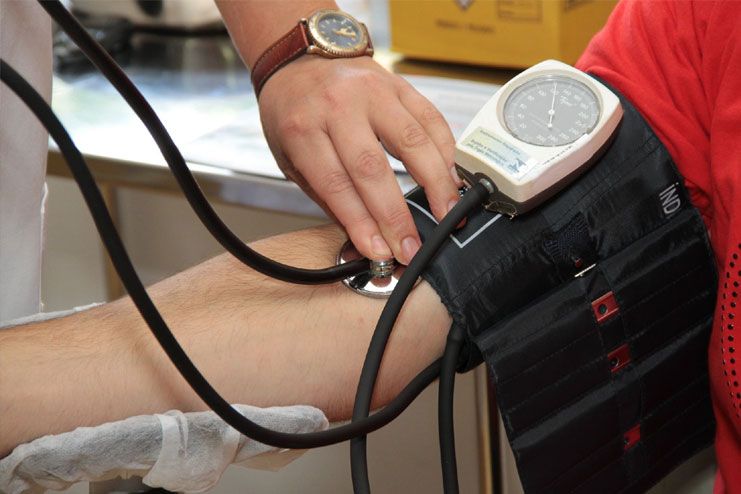 People with inflammatory forms of arthritis, including psoriatic arthritis and rheumatoid arthritis, have a higher risk of cardiovascular disease because chronic inflammation can affect the heart and blood vessels.
Managing blood pressure, cholesterol, and diabetes and maintaining an active lifestyle are important parts of overall arthritis care. Regular check-ups can help identify cardiovascular risk factors early.
13. Hot Showers Help Too

Warm showers or other forms of heat therapy may help relieve muscle tension and reduce joint stiffness, especially in the morning. Applying gentle heat through a warm shower, heating pad, or warm compress can make movement more comfortable. However, avoid excessive heat and speak with your healthcare provider if a joint is severely swollen or inflamed.
When Should You See a Doctor?
While many arthritis symptoms can be managed with lifestyle changes and medical treatment, sudden severe joint pain, swelling, redness, warmth, or fever around a joint should never be ignored. These symptoms may indicate an infection or another serious condition rather than a routine arthritis flare.
Read More: Psoriatic Arthritis: Symptoms, Causes, and Treatment Options You Should Know
Conclusion
Managing arthritis is rarely about making one major change. Instead, consistent habits such as staying active, maintaining a healthy weight, eating a balanced diet, getting enough sleep, managing stress, protecting your joints, and following your prescribed treatment plan often work together to reduce pain and improve quality of life.
Because different types of arthritis have different priorities, work with your healthcare provider to develop a management plan that fits your needs. If you notice sudden worsening symptoms or signs of a joint infection, seek prompt medical attention rather than assuming it is a routine flare.
References
- Poznyak, A. V., Orekhov, N. A., Churov, A. V., Starodubtseva, I. A., Beloyartsev, D. F., Kovyanova, T. I., Sukhorukov, V. N., & Orekhov, A. N. (2025). Interplay of rheumatoid arthritis and cardiovascular disease: Insights and prospects. SAGE Open Medicine, 13.
- Otten, M., Lindroth, Y., Andersson, M. L., et al. (2024). Lifestyle discussions facilitate self-management in rheumatoid arthritis: A qualitative study of patients’ perceptions. BMC Rheumatology.
- Ng, Q. X., Venkatanarayanan, N., & Kumar, L. (2021). Relaxation techniques as an intervention for chronic pain: A systematic review of randomized controlled trials. Complementary Therapies in Clinical Practice, 45, 101469.
- Bortoluzzi, A., Furini, F., & Scirè, C. A. (2024). Osteoarthritis: Insights into diagnosis, pathophysiology, therapeutic avenues, and the potential of natural extracts. International Journal of Molecular Sciences.
- Calder, P. C., Bosco, N., Bourdet-Sicard, R., Capuron, L., Delzenne, N., Doré, J., Franceschi, C., Lehtinen, M. J., Recker, T., Salvioli, S., & Visioli, F. (2021). Health relevance of the modification of low-grade inflammation in ageing (inflammageing) and the role of nutrition. International Journal of Molecular Sciences, 22(19), 10402.
In this Article