















Are you tired and struggling to stay alert during the day? Do you find yourself lying awake at night, wondering how to get better sleep? You’re not alone. Millions of people suffer from poor sleep quality, which significantly impacts metabolism, overall well-being, and daily functioning.
Getting proper sleep is one of the most crucial aspects of maintaining good health. When we don’t get adequate rest, our bodies and minds suffer the consequences. If you’ve been searching for evidence-based strategies to improve your sleep quality, you’ve come to the right place.
In this article, we’ll share scientifically proven tips that can help you sleep better and wake up refreshed, without the frustration of frequent nighttime awakenings.
Read More: What Happens When You Sleep Before 10 PM Daily
1. Maximize Bright Light Exposure During the Day

Your body’s internal clock, known as the circadian rhythm, heavily depends on light exposure to function properly. Getting adequate bright natural light during the day is crucial for maintaining healthy sleep patterns.
Enhanced exposure to bright natural light throughout the day helps boost your circadian rhythm and keeps it functioning optimally. Not only does it provide energy and improve mood, but it also promotes better sleep at night.
Multiple studies have demonstrated that improved exposure to sunlight or bright artificial light during the day helps people with insomnia sleep significantly better at night. Research shows that this approach can improve sleep quality by up to 80%.
Tip: Spend time outdoors during daylight hours, or if that’s not possible, use bright light therapy lamps to achieve similar benefits.
2. Avoid Caffeine Late in the Day

While a morning cup of coffee can provide an excellent energy boost to start your day, consuming caffeine later in the day can significantly disrupt your sleep patterns.
Caffeine stimulates the nervous system, making it difficult for your body to naturally relax and prepare for sleep. Research has shown that consuming caffeine even 6 hours before bedtime can significantly impair sleep quality.
If you struggle with sleep problems or insomnia, it’s best to limit caffeine consumption to the morning hours only. This includes coffee, tea, energy drinks, and chocolate.
“It’s very important to be sure you’re getting quality sleep,” says Dr. Rashad Ramkissoon, a primary-care physician at Houston Methodist. “Certain afternoon and evening habits can get in the way of that, and caffeinated beverages are one prominent example.”
“Caffeine works by blocking sleep-promoting receptors in your brain called adenosine receptors,” says Dr. Ramkissoon. “It can do this because, structurally, caffeine looks very similar to adenosine, the molecule that usually binds to these receptors.”
Read More: Sleep Drunkenness: What It Is and Why It Happens
3. Reduce Blue Light Exposure After Sunset

While bright natural light during the day is beneficial, exposure to blue light in the evening can severely disrupt your sleep cycle. Blue light exposure at night interferes with your circadian rhythm by tricking your brain into thinking it’s still daytime.
This disruption reduces the production of melatonin, the hormone responsible for inducing sleep and helping your body relax.
Solutions:
- Wear blue light-blocking glasses in the evening
- Use blue light filtering apps on your devices
- Limit screen time 2-3 hours before bedtime
- Use dim, warm lighting in your home after sunset
4. Maintain a Consistent Sleep Schedule
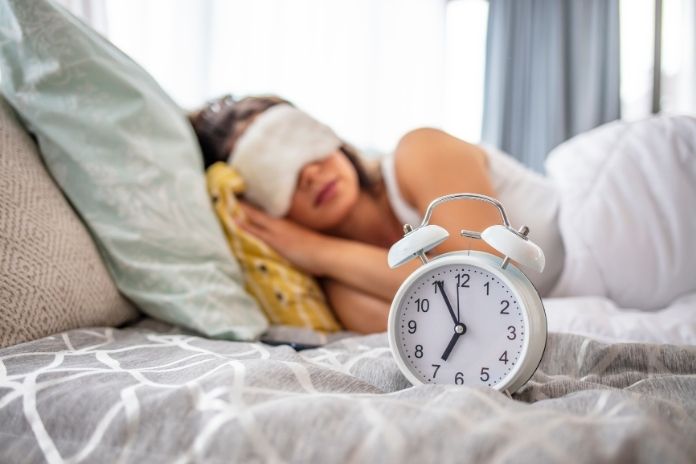
Establishing a regular sleep-wake cycle is fundamental to good sleep hygiene. Going to bed and waking up at irregular times can significantly disrupt your circadian rhythm and negatively impact sleep quality.
Irregular sleep patterns can alter melatonin secretion, leading to insomnia and poor sleep quality. Maintaining consistent sleep times helps regulate your body’s internal clock and improves overall sleep quality.
Tip: Choose a bedtime and wake time that you can stick to every day, including weekends, and gradually adjust your schedule if needed.
Read More: What Is Sleep Chronotype — and How It Affects Your Energy, Productivity & Weight
5. Limit Long Daytime Naps

While short power naps (20-30 minutes) can be refreshing and beneficial, long daytime naps can interfere with nighttime sleep. Extended daytime sleeping confuses your internal body clock, making it harder to fall asleep at night.
Short naps of 30 minutes or less can actually enhance brain function and alertness. However, longer naps, especially those taken late in the day, can negatively impact your ability to sleep at night.
Note: Individual responses to napping vary. If you take long naps and still sleep well at night, this may not apply to you.
6. Consider Melatonin Supplementation
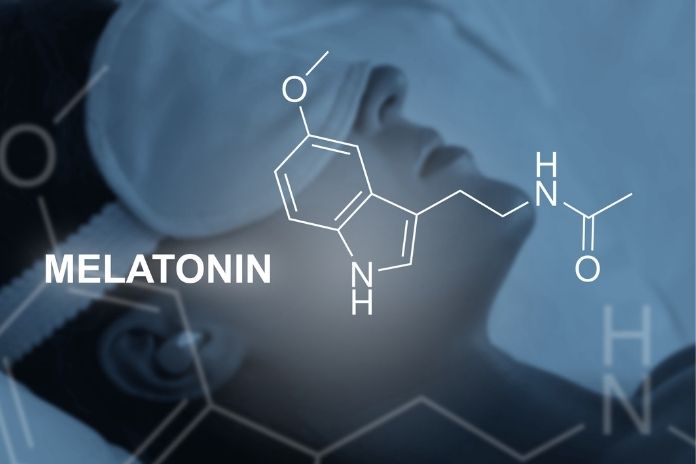
Melatonin is one of the most important hormones regulating your sleep-wake cycle. When natural melatonin production is insufficient, supplementation can help restore healthy sleep patterns.
Melatonin supplements help regulate hormone secretion and promote relaxation, making it easier to fall asleep and stay asleep.
Guidelines:
- Typical dosage ranges from 0.5-3 mg per day
- Take 1-2 hours before your desired bedtime
- Consult with a healthcare provider before starting supplementation
- Use the lowest effective dose
7. Minimize Alcohol Consumption

While alcohol may initially make you feel drowsy, it significantly impairs sleep quality. Alcohol disrupts melatonin production and can worsen conditions like sleep apnea.
Additionally, alcohol interferes with growth hormone release during sleep, which is essential for physical recovery and maintaining healthy circadian rhythms.
Recommendation: If you choose to drink alcohol, do so in moderation and avoid consumption within 3-4 hours of bedtime.
Read More: Lying in Bed for Hours and Can’t Sleep? Here’s What Sleep Experts Recommend
8. Optimize Your Sleep Environment with Plants

Certain houseplants can significantly improve your bedroom’s air quality and create a more conducive sleep environment. Plants that are particularly beneficial for sleep include:
- Lavender: Known for its calming and sedative properties
- Snake Plant: Releases oxygen at night and removes toxins
- English Ivy: Filters airborne particles and improves air quality
- Jasmine: Has been shown to reduce anxiety and improve sleep quality
These plants help purify the air, reduce carbon dioxide levels, and create a more peaceful atmosphere conducive to better sleep.
9. Regulate Bedroom Temperature
Room temperature plays a crucial role in sleep quality. Research shows that bedroom temperature has a more significant impact on sleep than external noise.
High temperatures can severely impair sleep quality, while excessively cold environments can also be disruptive. The optimal bedroom temperature for most people is between 65-68°F (18-20°C).
Tips:
- Use fans, air conditioning, or heating as needed
- Choose breathable bedding materials
- Consider moisture-wicking sleepwear
- Ensure proper ventilation
10. Time Your Evening Meals Wisely

Eating large meals close to bedtime can interfere with melatonin and growth hormone release, both crucial for quality sleep. However, the type of food matters significantly.
Interestingly, high-carbohydrate meals consumed 4 hours before bed may actually improve sleep quality by increasing tryptophan availability, which promotes sleepiness.
Guidelines:
- Avoid large, heavy meals 2-3 hours before bedtime
- If hungry before bed, choose light snacks
- Consider foods rich in tryptophan, magnesium, or complex carbohydrates
Read More: This One Nighttime Habit Changed My Sleep and My Stress
11. Take a Relaxing Bath or Shower

Warm baths and showers are effective methods for improving sleep quality. Research demonstrates that taking a warm bath 1-2 hours before bedtime can significantly improve sleep onset and quality.
The warm water helps lower your core body temperature after you get out, signaling to your body that it’s time to sleep. If a full bath isn’t practical, soaking your feet in warm water can provide similar benefits.
Optimal timing: 90 minutes before your intended bedtime for maximum effectiveness.
12. Invest in a Comfortable Mattress and Bedding

Your sleep surface significantly impacts sleep quality and overall health. Comfortable mattresses reduce back pain and stiffness while improving sleep quality by up to 60%.
Quality bedding and mattresses can make a dramatic difference in your ability to fall asleep and stay asleep throughout the night.
Consider upgrading if:
- Your mattress is over 7-8 years old
- You wake up with aches and pains
- You sleep better in hotels or other beds
- Your mattress shows visible wear or sagging
Additional Modern Sleep Considerations
Digital Wellness
- Set up “Do Not Disturb” modes on devices
- Keep phones out of the bedroom or use airplane mode
- Consider using a traditional alarm clock instead of your phone
Stress Management
- Practice relaxation techniques like deep breathing or progressive muscle relaxation
- Try meditation apps designed for sleep
- Keep a journal to clear your mind before bed
Sleep Tracking
- Use sleep tracking devices or apps to identify patterns
- Monitor how lifestyle changes affect your sleep quality
- Share data with healthcare providers if you have ongoing sleep issues
Read More: 7 Best Comforters for a Cozy Night’s Sleep
Conclusion
Achieving better sleep is a multifaceted process that involves optimizing your environment, establishing healthy habits, and making informed lifestyle choices. The key to success lies in implementing these evidence-based strategies consistently and finding the combination that works best for your individual needs.
Remember that significant improvements in sleep quality often take time to develop. Be patient with yourself as you implement these changes, and consider consulting with a healthcare professional if sleep problems persist despite following these guidelines.
Scientific References
- https://pubmed.ncbi.nlm.nih.gov/8340561/
- https://pubmed.ncbi.nlm.nih.gov/12789673/
- https://pubmed.ncbi.nlm.nih.gov/10049999/
- https://pubmed.ncbi.nlm.nih.gov/24235903/
- https://pubmed.ncbi.nlm.nih.gov/16120101/
- https://pubmed.ncbi.nlm.nih.gov/21552190/
- https://pubmed.ncbi.nlm.nih.gov/12220314/
- https://pubmed.ncbi.nlm.nih.gov/10849238/
- https://pubmed.ncbi.nlm.nih.gov/21463024/
- https://pubmed.ncbi.nlm.nih.gov/22659474/
- https://pubmed.ncbi.nlm.nih.gov/9556097/
- https://pubmed.ncbi.nlm.nih.gov/8370699/
- https://pubmed.ncbi.nlm.nih.gov/7077345/
- https://pubmed.ncbi.nlm.nih.gov/8675588/
- https://pubmed.ncbi.nlm.nih.gov/1811316/
- https://pubmed.ncbi.nlm.nih.gov/19378289/
- https://pubmed.ncbi.nlm.nih.gov/6764927/
- https://pubmed.ncbi.nlm.nih.gov/10408315/
- https://pubmed.ncbi.nlm.nih.gov/18459154/
- https://pubmed.ncbi.nlm.nih.gov/17597575/
- https://pubmed.ncbi.nlm.nih.gov/11896375/
- https://www.houstonmethodist.org/doctor/rashad-ramkissoon/
- https://www.sleepfoundation.org/nutrition/caffeine-and-sleep
- https://www.mayoclinic.org/healthy-lifestyle/adult-health/in-depth/sleep/art-20048379
- https://www.sleepcareonline.com/articles/does-alcohol-affect-sleep-apnea/
- https://www.sleepfoundation.org/nutrition/is-it-bad-to-eat-before-bed
In this Article