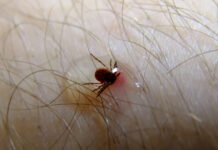



















Parents may feel very confused and worried when their child’s behavior abruptly changes, particularly in attention, mood, or academic achievement. These alterations may indicate a developmental disorder like attention-deficit/hyperactivity disorder. Still, in some cases, they could also be linked to medical issues such as Lyme disease, behavioral symptoms children experience after an infection.
It might be challenging to identify the origin of sudden ADHD symptoms in a child because the symptoms can overlap. This article will discuss similarities and differences between symptoms of Lyme disease and ADHD and how an organized checklist can help parents make decisions. You can provide your child with better support and prompt, suitable examination if you take the proper approach.
- Sudden onset suggests infection-related changes; ADHD is gradual and persistent.
- Physical symptoms, tick exposure, and day-to-day fluctuation point toward Lyme disease.
- Tracking timelines, sleep, and behavior helps doctors differentiate both.
Read More: Strategies for National ADHD Awareness Month: Daily Life Management for Adults
Why ADHD and Lyme Can Look Similar in Children
Shared Symptoms such as Inattention and Impulsivity
Many parents researching ADHD vs. Lyme disease symptoms are surprised by how similar these conditions can appear on the surface.
Both could entail:
- Lethargy
- Irritability
- Forgetfulness
- Headaches
- Ineffective coordination
- Joint discomfort
- Challenges in finding words
- Sensitivity to light and sound
In attention problems with Lyme disease, these symptoms may stem from inflammation affecting the nervous system, while in attention-deficit/hyperactivity disorder, they are linked to neurodevelopmental differences in executive function.
Irritability and Emotional Changes
Both disorders can have an impact on emotional control. Youngsters may exhibit:
- Abrupt mood changes
- Little ability to handle frustration
Difficulty With Performance in School
Another commonality is uneven performance or declining grades. Both circumstances could result in:
- Difficulty carrying out directions
- Declining academic performance
However, pediatric Lyme cognitive symptoms may include noticeable brain fog, slowed thinking, and memory lapses that appear abruptly.
The Key Difference: Sudden vs. Gradual Onset

The majority of experts concur that there is a predisposition to attention-deficit/hyperactivity disorder (ADHD) from birth. However, until kids start primary school, ADHD tendencies are frequently overlooked.
The fact that almost all preschool-aged children frequently exhibit some of the fundamental behaviors or symptoms of ADHD, inattention, impulsivity, and hyperactivity as part of their normal development, is one explanation for this delay.
However, children with ADHD do not eventually grow out of such habits, unlike typical kids.
A child’s difficulties with hyperactivity, impulsivity, and inattention may become apparent when they start going to school.
This is because classroom tasks require more self-control, patience, and also concentration. The youngster may have had fewer issues at home or in playgroups, since such demands are less common there.
ADHD typically shows gradual onset, with symptoms appearing early in childhood and persisting across many settings (home, school, and social environments).
In contrast, cases of Lyme disease in children with sudden behavioral changes often involve the following:
- Quick onset over a few days or weeks
- Regression in behavior
- Symptoms that follow illness or exposure to the outdoors
Read More: Best Sensory Toys & Gadgets for ADHD & Focus Improvement
The 2026 Parent Checklist for Sudden Behavioral Changes
1. Did Symptoms Appear Abruptly?
ADHD initially manifests in children, possibly as early as age 3. Children frequently exhibit impulsive behavior, high energy levels, and sometimes difficulty concentrating. However, these behaviors are persistent in children with ADHD and can cause disruptions for both the child and others around them.
The three most prevalent signs of ADHD in children are impulsivity, hyperactivity, and inattention. These symptoms can manifest in a variety of ways; for instance, not every child with ADHD has hyperactivity. Additionally, ADHD may manifest differently depending on the context (e.g., at home versus at school).
2. Are There Physical Symptoms Alongside Behavior Changes?
Although we don’t typically associate these symptoms with those who have ADHD (attention-deficit hyperactivity disorder), sometimes known as ADD (attention-deficit disorder), they are connected. Strong evidence of the connection between ADD/ADHD and sensory over-responsivity can be found in research published in the journal Frontiers in Integrative Neuroscience.
Insomnia: A 2018 study published in Nature & Science of Sleep examines how sleep difficulties such as insomnia, disturbed sleep, misaligned circadian rhythms that increase evening alertness, and daytime sleepiness affect individuals with ADD/ADHD.
Pacing: Children with ADD/ADHD tend to move more frequently and more intensely than children without the disorder, according to the research published in the Journal of Child Neuropsychology.
Irritation from Garment Textures and Tags: For someone with ADD/ADHD, even small amounts of skin friction can be highly stimulating. They may feel an urgent need to correct it immediately, or they’ll lose focus. This isn’t necessarily dramatic, it reflects a heightened sensory response.
Sensitivity to Loud Noises: For persons with ADD/ADHD, background noise, such as people talking, music playing, or dishes clanking, can ruin an otherwise enjoyable evening at a restaurant, nightclub, or party.
3. Was There Possible Tick Exposure?
Exposure history is important when identifying Lyme disease in children with sudden behavioral changes.
Key factors to consider:
- Time spent playing in grassy or wooded areas
- Travel to or residence in regions where Lyme disease is prevalent
- Tick bites—confirmed or suspected (though not always noticed)
4. Is There Fluctuation in Symptoms Day to Day?
In children with neuro Lyme symptoms, symptoms often fluctuate:
- There are good days and bad days
- Varying levels of focus
- Uneven levels of energy
Behavioral Signs More Commonly Reported With Lyme-Related Changes
Some symptoms are more frequently associated with pediatric Lyme cognitive symptoms and infection-related changes:
- Unexpected fear
- Mood fluctuates
- Memory decline
- Sluggish thinking
- Heightened perceptual awareness
These cognitive changes are frequently associated with brain neuroinflammation.
Read More: Top 5 Supplements for ADHD: Natural Support for Focus and Calm
Signs More Consistent With ADHD Patterns

An estimated 11% of school-age children have ADHD, a neurodevelopmental disease. It usually persists throughout maturity. Developmentally inappropriate levels of impulsivity, hyperactivity, and inattention are its hallmarks. To put it simply, focus, impulse control, and energy management are all impacted by ADHD.
Among the primary symptoms are the following:
- Distractibility is the inability to concentrate or stay on task
- Impulsivity (not thinking before acting)
- Restlessness, either bodily or mental
Another classic indicator of ADHD is inconsistency. Kids with ADHD can do well one day and struggle the next.
When Both Conditions May Coexist
The answer isn’t always either/or. Diseases like Lyme disease can exacerbate the symptoms of ADHD in children. It may result in:
- More susceptibility to distraction
- Increased irritation
- Diminished capacity for coping
Here, Lyme disease misdiagnosed as ADHD may not be entirely accurate; instead, Lyme may amplify existing challenges.
When to Consider Medical Evaluation for Possible Lyme

The medical professional will inquire about the symptoms and medical history of your child. They will inquire about possible tick exposures or recent tick bites. They will also perform a physical examination on your child.
Diagnosing Lyme disease with an examination or blood testing is typically not difficult. However, other illnesses could also cause similar symptoms.
Although a rash is frequently the primary symptom, about 1 in 5 patients with Lyme disease do not have one.
Clinicians typically make the diagnosis early on by reviewing a history of tick bites and symptoms. Blood testing is crucial for diagnosing Lyme disease in later stages. Testing for microorganisms in spinal or joint fluid is occasionally necessary.
Be wary of medical professionals who assume your child has Lyme disease based just on persistent fatigue or other symptoms that can have a variety of reasons. Discuss the suggested blood tests for Lyme disease diagnosis with your healthcare physician.
Read More: 10 Best Ergonomic Furniture Pieces for ADHD: Creating a Comfortable and Productive Workspace
How Doctors Differentiate ADHD From Infection-Related Symptoms
By assessing the timing, onset, and consistency of behaviors as well as searching for physical indicators of disease that do not match the neurodevelopmental profile of ADHD, medical professionals can distinguish ADHD from infection-related symptoms.
Physical Examination: Signs of infection or inflammation, which are uncommon in ADHD, can be detected during a thorough physical exam.
Infection-Related: Symptoms frequently appear suddenly and acutely, sometimes “overnight,” and there is no discernible history of behavioral problems before the illness.
Blood Tests and Laboratory Work: Doctors may prescribe blood tests to look for signs of any infection, inflammation, or autoimmune reactions if an infection is suspected.
Neurological Assessment: Evaluating memory, attention, and processing speed helps identify pediatric Lyme cognitive symptoms and other neurological abnormalities.
What Parents Can Track Before the Appointment
Maintaining a thorough diary can help distinguish symptoms of Lyme illness from those of ADHD.
Track:
- Symptom timeline
- Sleep shifts
- Physical grievances
- Feedback from the school
- History of exposure
Avoiding Common Pitfalls in Interpretation
Parents should use caution when making snap judgments.
- Not every abrupt shift is a sign of infection
- Not every focus problem is a sign of ADHD
- Careful assessment is necessary when symptoms overlap
Supporting Your Child During the Evaluation Period

Maintain a Routine: Consistency helps stabilize behavior and reduce stress.
Reduce Cognitive Overload: Help kids who are tired or experiencing brain fog by cutting back on excessive demands.
Talk to Teachers: Teachers can offer insights into classroom behavior and performance.
Monitor Symptom Patterns: Continuous monitoring helps diagnose and identify trends.
Read More: 6 Myths about Mental Health You Need to Stop Believing
Conclusion
It is important to pay close attention to timing, related physical indicators, and general behavior patterns to differentiate between ADHD vs. Lyme disease symptoms in children.
While Lyme-related changes frequently occur unexpectedly and may include variable symptoms and physical discomfort, ADHD usually develops gradually and is consistent. Instead of making snap judgments, parents should pay attention to trends and, if necessary, seek professional assessment.
References
- Cameron, D. J. Could Lyme Disease Cause ADHD Symptoms in Children?
- Cameron, D. J. (2025, February 23). Lyme Disease Misdiagnosed as ADHD in Children.
- American Academy of Pediatrics. (2024, January 22). Early Signs of ADHD in Children.
- The Iowa Clinic. (2025, April 24). 18 early signs of ADHD in kids.
- National Institute of Mental Health. (2024, April 2). ADHD across the lifespan: What it looks like in children and teens.
- Faraci, C. M. How to tell if a child has ADHD, something else, or nothing at all.
- Pediatric Associates of the Northwest. (2025, October 30). Recognizing ADHD symptoms in children.
- Cameron, D. J. Is my child’s ADHD actually Lyme disease?
- Johns Hopkins Medicine. Lyme disease in children.
In this Article