














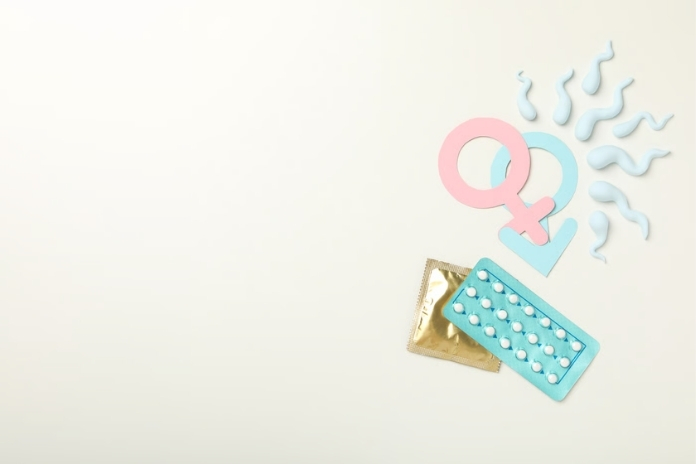
To take the contraceptive pill effectively, take it exactly as prescribed and at roughly the same time every day. Combined oral contraceptive pills are around 99.7% effective with perfect use, but effectiveness drops to about 93% with typical use because missed or late pills are common.
Understanding how to start the pill, what to do if you miss a dose, and which medications can interfere with its effectiveness can help ensure the highest level of pregnancy prevention. The contraceptive pill is one of the most widely used forms of reversible birth control worldwide. When taken correctly, it provides highly reliable protection against pregnancy and allows many people greater control over their reproductive health.
However, taking the pill effectively is more than simply swallowing a tablet each day. Questions about missed pills, medication interactions, side effects, and when protection begins are common. This article explains what you need to know about taking oral contraceptives safely and effectively, including practical tips that can help you avoid common errors.
- Take the contraceptive pill at the same time every day for maximum effectiveness.
- Perfect use prevents pregnancy about 99.7% of the time, while typical use is about 93% effective.
- Knowing when protection starts and what affects its effectiveness helps prevent unintended pregnancy.
Read More: Male Contraception? New Study Focuses Around a New Developed Drug That Affirms the Claims
Two Types of Contraceptive Pills—The Distinction That Changes the Rules
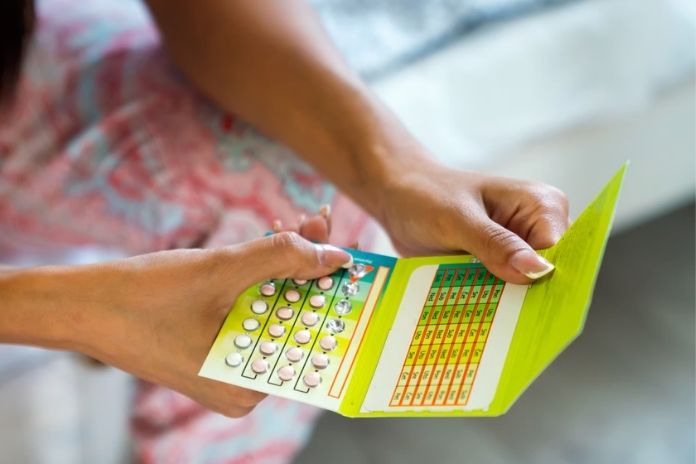
Before learning how to take the pill correctly, it is important to understand that there are two main types of oral contraceptive pills. The combined oral contraceptive pill (COC) contains both estrogen and progestogen. It works mainly by preventing ovulation, meaning the ovaries do not release an egg. It also thickens cervical mucus and changes the lining of the uterus, making pregnancy less likely.
The progestogen-only pill (POP), often called the mini-pill, contains only progestogen. Depending on the formulation, it works by thickening cervical mucus and, in some cases, suppressing ovulation.
The mini-pill is often recommended for people who cannot safely use estrogen. This may include women who are breastfeeding, smokers over 35 years of age, or those with certain medical conditions, such as migraine with aura or a history of blood clots.
How Effective Is the Pill—Perfect Use vs Typical Use
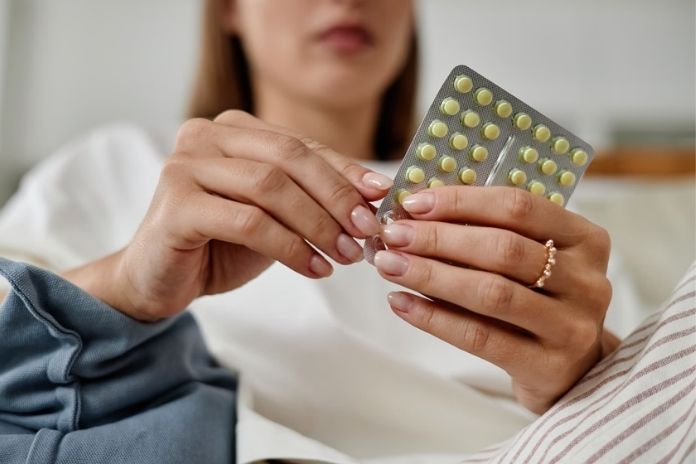
The contraceptive pill is highly effective, but its effectiveness depends on how consistently it is used. With perfect use, combined oral contraceptive pills are approximately 99.7% effective. This means fewer than one woman in 100 will become pregnant during a year of use when every pill is taken correctly and on time.
With typical use, effectiveness falls to around 93%. Typical use reflects real-life situations where pills may occasionally be forgotten, taken late, or packs may be started incorrectly. Progestogen-only pills show similar effectiveness rates. Perfect use provides approximately 99.7% protection, while typical use effectiveness is generally estimated at 91% to 93%.
When to Start and When Protection Begins
A common question is how quickly the pill starts working after you begin taking it.
1Combined Oral Contraceptive Pill
There are several ways to start the combined pill:
Day 1: If you begin taking the pill on the first day of your period, you are protected immediately.
Day 1–5: Starting within the first five days of menstrual bleeding also provides immediate protection.
Quick: If you begin taking the pill at any other time during your cycle, use condoms or another backup method for the first seven days. This approach is commonly known as the Quick Start method.
If there is any possibility of pregnancy before starting the pill, speak with a healthcare professional and consider taking a pregnancy test according to medical advice.
2Progestogen-Only Pill

The mini-pill can usually be started at any point during the menstrual cycle. If started within the first five days of a period, protection begins immediately. If started later, additional contraception should be used for the next 48 hours.
Knowing when protection begins is essential because many unintended pregnancies occur during the first days after starting contraception when backup protection has not been used.
Read More: Emergency Contraception: What You Need to Know and How It Works
How to Take the Pill Daily
The most important rule for successful pill use is consistency. Take one pill every day and try to take it at the same time. Setting a routine can make remembering easier. Many people link pill-taking to another daily activity, such as brushing their teeth, eating breakfast, or setting a recurring phone reminder.
Combined pills are commonly supplied in either 21-day or 28-day packs. With a 21-day pack, you take one active pill daily for 21 days, then have a 7-day break.
During this break, a withdrawal bleed usually occurs. With a 28-day pack, active pills are followed by inactive placebo pills. This allows you to continue taking a tablet every day without needing to remember when to restart a new pack.
Some people use extended or continuous pill regimens that reduce the frequency of bleeding episodes. These schedules should be followed according to the instructions provided by a healthcare professional.
What to Do If You Miss a Pill
Missing a pill does not always mean you are unprotected, but it is important to respond correctly.
3Combined Pill
If one pill is missed, take it as soon as you remember. Continue taking the remaining pills at the usual time, even if this means taking two pills on the same day. In most situations, no additional contraception is required. If two or more pills are missed, take the most recently missed pill immediately and continue the rest of the pack as normal.
Use condoms or avoid sex for the next seven days because protection may be reduced. If the missed pills are near the end of a pack, you may need to skip the pill-free interval and start the next pack immediately. This helps maintain hormone levels and reduces the risk of ovulation.
4Progestogen-Only Pill

Missed pill rules vary depending on the specific mini-pill prescribed. Traditional progestogen-only pills are generally considered late if taken more than three hours after the usual time. Desogestrel-containing pills typically allow a 12-hour window.
If a pill is missed, take it as soon as possible and continue taking the remaining pills as scheduled. Use additional contraception for the next 48 hours. If unprotected sex occurred during this time, seek medical advice regarding emergency contraception.
Read More: Can You Ovulate Without Having Periods? Here’s What to Know
Drug Interactions — What Reduces the Pill’s Effectiveness
Certain medications and supplements can reduce the effectiveness of hormonal contraception. Some drugs increase liver enzyme activity, causing contraceptive hormones to be broken down more quickly. This can reduce hormone levels and reduce pregnancy protection.
Important examples include rifampicin and rifabutin, medications used to treat certain bacterial infections such as tuberculosis. Several anti-seizure medications, including carbamazepine, phenytoin, phenobarbital, oxcarbazepine, and topiramate, may also interfere with hormonal contraception.
The herbal supplement St. John’s Wort, commonly used for mood-related symptoms, can reduce hormone levels and should be discussed with a healthcare provider before use. Some HIV medications may also interact with oral contraceptives.
A common idea is that all antibiotics interfere with the pill. In reality, most routine antibiotics prescribed for common infections do not reduce contraceptive effectiveness. Whenever you start a new medication or supplement, inform your healthcare provider that you use hormonal contraception so potential interactions can be checked.
Side Effects — What Is Common and What Warrants a Doctor Visit
Most people tolerate the contraceptive pill well, but side effects can occur, especially during the first few months. Common side effects include nausea, breast tenderness, mild headaches, mood changes, and light spotting between periods. These symptoms often improve as the body adjusts to the hormones.
Taking the pill with food or before bedtime may help reduce nausea. Keeping track of symptoms can also help determine whether they are improving over time. Although serious complications are uncommon, certain symptoms require urgent medical attention. These include severe headaches, sudden vision changes, chest pain, shortness of breath, significant leg swelling, or symptoms of migraine with aura.
If side effects interfere with daily life, speak with a healthcare professional. A different pill formulation or another contraceptive method may be useful.
Who Should Not Take the Combined Pill
The combined pill is safe for many people, but it is not suitable for everyone. You should discuss your medical history with a healthcare professional before starting if you:
- Smoke and are over 35 years old
- Have a history of blood clots
- Experience migraines with aura
- Have uncontrolled high blood pressure
- Have had a heart attack or stroke
- Have certain liver conditions
- Have known clotting disorders
People who are breastfeeding during the early postpartum period may also be advised to avoid combined hormonal contraception. In many cases, the progestogen-only pill remains a suitable alternative for individuals who cannot safely use estrogen-containing contraception.
Read More: The Hidden Dangers of Overusing Antibiotics: What You Need to Know
Conclusion
The contraceptive pill is one of the most effective forms of reversible birth control available when used correctly. Taking it consistently, understanding the differences between pill types, knowing what to do if a dose is missed, and being aware of medication interactions can significantly improve its effectiveness.
If you ever have questions about your contraception, consult a doctor or a sexual health professional for personalized guidance and support.
FAQs
5Q. When does the pill start protecting against pregnancy?
A. Protection depends on the type of pill and when it is started. Combined pills usually provide immediate protection when started within the first five days of a period. Otherwise, backup contraception is needed for seven days. Progestogen-only pills generally require 48 hours of additional protection when started later in the cycle.
6Q. Does the pill protect against STIs?
A. No. The contraceptive pill prevents pregnancy but does not protect against sexually transmitted infections (STIs). Condoms remain the best method for reducing STI transmission.
7Q. What should I do if I have unprotected sex while on the pill?
A. If you have taken your pills correctly and consistently, emergency contraception is usually unnecessary. However, if pills were missed, taken late, or affected by medication interactions, seek advice from a healthcare professional immediately.
-
Feb 2017Written by Pradeepa Polineni
-
July 2026Edited by Vaishnavi
References
- Planned Parenthood. (n.d.). What are the side effects of the birth control pill? Planned Parenthood.
- Shoupe, D. (2023). The combined oral contraceptive pill. In StatPearls. StatPearls Publishing.
- NHS Wales. (n.d.). Progestogen-only contraceptive pill (POP). NHS Wales.
- WebMD Editorial Contributors. (n.d.). What happens if you miss a birth control pill? WebMD.
- Britton, L. E., Alspaugh, A., Greene, M. Z., & McLemore, M. R. (2024). Contraception. In StatPearls. StatPearls Publishing.
- The Royal Women’s Hospital. (n.d.). Contraceptive pills.
In this Article