












Rebuilding strength, self-assurance, and long-term health are all important aspects of recovering from a cardiac episode. Structured assistance can significantly improve a person’s life, regardless of whether they have had a heart attack, had surgery, or are suffering from heart failure.
This article will discuss what cardiac rehabilitation is, who requires it, how a cardiac rehab program operates, the benefits of cardiac rehabilitation, its phases, and how it aids in both general cardiovascular recovery and recovery after a heart attack.
- A medically supervised, multi-phase program combining tailored exercise, stress counseling, and nutrition to rebuild heart strength safely.
- Vital for anyone recovering from heart attacks, surgeries, or managing chronic conditions like heart failure and angina.
- Teaches sustainable lifestyle changes that significantly lower the risk of future cardiovascular events.
Read More: Cardiac Arrhythmia—Causes, Symptoms, Diagnosis and Treatment
What Is Cardiac Rehabilitation?
Exercise and education are part of a customized cardiac rehabilitation program. The goal of the guided program is to help people with heart disease get healthier. Doctors frequently advise it following a heart attack or cardiac surgery.
Heart-healthy lifestyle instruction, emotional support, and fitness training are all part of cardiac rehabilitation. Eating a balanced diet, maintaining a healthy weight, and giving up smoking are examples of healthy lifestyle practices.
Heart rehabilitation can lower the chance of developing heart problems in the future and dying from heart disease. The American College of Cardiology and the American Heart Association advise heart rehabilitation. Another name for cardiac rehabilitation is cardiac rehab.
People with heart conditions or a history of heart surgery undergo cardiac rehabilitation to enhance their health. Cardiac rehabilitation aims to:
- Enhance recovery following cardiac surgery or an attack
- Lower the chance of developing cardiac problems in the future
- Stop the cardiac issue from getting worse
- Boost your standard of living
If any of the following are present in your medical history, your doctor may suggest cardiac rehab:
- Heart artery blockages that cause pain when moving.
- A heart attack
- Heart disease
- Diseases of the heart
- Several congenital cardiac conditions
- Blocked arteries in the arms or legs that hurt when moving
Who Can Benefit From Cardiac Rehabilitation?
Recognizing those who need cardiac rehab is crucial for prompt recovery and prevention.
People with various types of heart disease can benefit from cardiac rehabilitation. CR may be especially helpful if you have a history of heart attacks, heart failure, lung or heart transplants, or heart valve replacement or repair.
Let’s say your medical records include:
- Peripheral or coronary artery disease
- Angina, or chest pain
- Cardiomyopathy
- Certain congenital cardiac conditions
- Surgery for coronary artery bypass
- Stents and angioplasty
- Pulmonary hypertension
If so, cardiac rehabilitation might also be beneficial to you.
Read More: Heart Health for Athletes: When Too Much Exercise Becomes Harmful
How Cardiac Rehabilitation Improves Recovery and Long-Term Heart Health
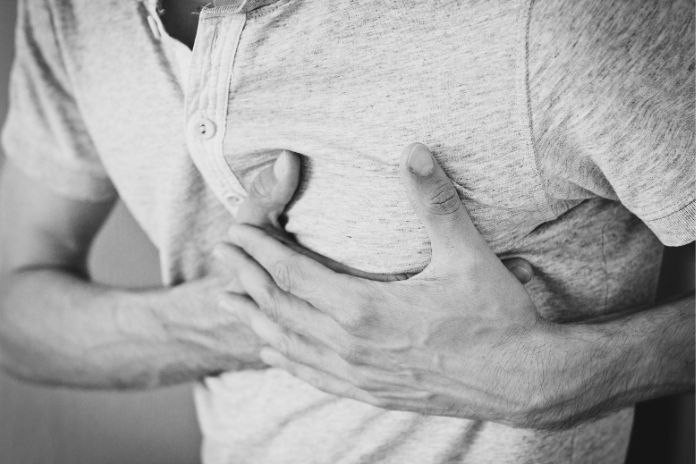
Although cardiac rehabilitation can help you improve your heart’s future, it cannot reverse your past. If you have had a heart attack, heart failure, angioplasty, or heart surgery, cardiac rehab is a medically supervised program intended to enhance your cardiovascular health.
Three equally crucial components make up cardiac rehabilitation:
Exercise Training and Counseling: Exercise stimulates your heart and cardiovascular system. You’ll discover how to move your body in a way that supports heart health.
Education for Heart-Healthy Living: Learning how to manage your risk factors and take care of yourself is a crucial component of cardiac rehabilitation. Give up smoking? Make heart-healthy dietary choices?
Stress-Reduction Counseling: Stress damages your heart. This component of cardiac rehabilitation helps you recognize and address common stressors.
The Four Main Phases of Cardiac Rehabilitation
The four primary stages of a cardiac rehabilitation program are probably as follows:
Phase 1: Acute Phase of Inpatient Rehabilitation
Usually, following a heart attack, surgery, or other significant cardiovascular event, the initial stage of cardiac rehabilitation starts while the patient is still in the hospital. Stabilizing the patient’s condition, monitoring their cardiac function, and also preventing complications are the objectives of this phase.
To help the heart adapt to reduced physical demands, the medical team, which includes cardiologists, nurses, and rehabilitation specialists, will evaluate the patient’s current fitness levels and begin light activities.
Phase 2: Subacute Phase of Outpatient Rehabilitation
Phase 2 of cardiac rehabilitation starts after doctors release the patient from the hospital. This stage is carried out under expert supervision in an outpatient setting and usually lasts a few weeks to several months.
Here, developing cardiovascular fitness, strengthening the patient, and progressively raising their degree of physical activity are the main priorities. The medical staff develops a customized exercise regimen and revises it frequently to ensure progress.
Phase 3: Long-Term Maintenance Phase
Maintaining and advancing the gains obtained in the previous stages of cardiac rehabilitation is the main goal of phase three.
Although they may still have access to outpatient rehab facilities for recurring monitoring, patients at this point are typically more independent and move toward a self-directed strategy. The aim is to ensure the patient develops lifelong heart-healthy practices.
Phase 4: Upkeep and Community-Based Initiatives
Phase 4 is all about taking what you learned during your cardiac rehab and making it part of regular life. The goal here is to keep things going long-term, and, honestly, that’s usually easier with some support and also good resources.
People find all kinds of ways to stay active; some exercise at home, but others head to the gym, and you’ll even find some people joining community groups aimed at heart health. It all comes down to staying connected and also building a good healthy habit that sticks.
What Happens During a Typical Cardiac Rehabilitation Session?
Cardiac rehabilitation programs treat chronic heart diseases like angina or heart failure and help patients recover after a heart attack or cardiac treatment. Before being released from the hospital, rehabilitation for patients with cardiac problems usually starts with gentle exercises, pharmaceutical prescriptions, and lifestyle advice.
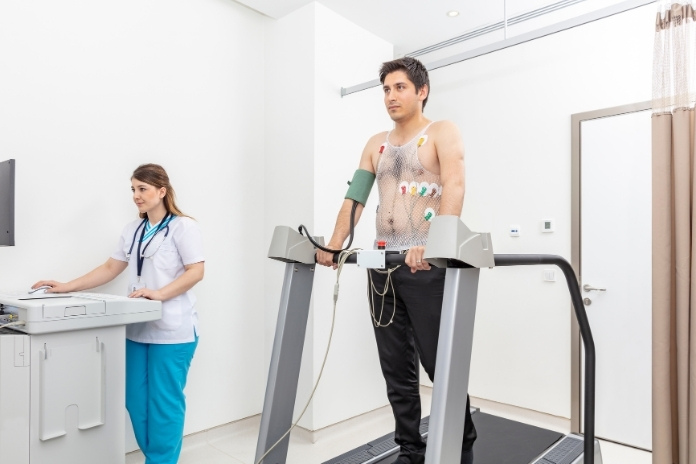
Outpatient rehabilitation programs frequently use a gym-like environment with treadmills and resistance equipment. Cardiologists, nurses, exercise physiologists, dietitians, and occasionally psychologists or psychiatrists may be part of the care teams.
A physical examination, medical history, and cardiac testing, such as an ECG, are all part of the health evaluation process for recruits. The group then creates a customized strategy that addresses exercise, stress reduction, and diet.
Read More: Valvular Heart Disease: Types, Symptoms, and When to Seek Treatment
Lifestyle Changes That Support Cardiac Rehabilitation Success

You can modify your lifestyle with the aid of a cardiac rehabilitation (rehab) program. A group of medical experts in cardiac rehab helps you develop new, healthy behaviors by educating and supporting you.
Give Up Smoking: The best way to lower your chance of future issues is to give up smoking. Counseling and medication can help you give up permanently.
Reduce Angina (Chest Pain or Discomfort): You can learn ways to lessen angina episodes (such as chest pain or discomfort) through education and counseling. Activities that increase the heart’s workload, like climbing stairs, having sex, eating a big meal, experiencing mental stress, or being in the cold, can cause angina.
A chilly, sweaty feeling, nausea, and shortness of breath are further signs of angina. Medication and rest are common ways to treat angina.
Maintain a Healthy Weight: Avoid feeling overburdened if you need to lose weight. Establish modest, doable objectives and then seek assistance to continue achieving them. Even a small weight loss can improve overall health and also reduce the risk of developing new heart issues.
Reduce High Blood Pressure: You will learn how to lower it using strategies such as the Dietary Approaches to Stop Hypertension (DASH) diet. Dietary modifications can help reduce blood pressure when paired with exercise and stress reduction.
Common Concerns Patients Have About Cardiac Rehabilitation
Cardiac rehabilitation exercises are safe and effective when tailored to each patient’s needs under medical supervision. Fear is common during cardiac event recovery. A multidisciplinary care team provides reassurance and steady advancement. Age is not a barrier. Many older adults benefit significantly from cardiac rehab programs.
Challenges That May Affect Participation and How to Overcome Them
Transportation and scheduling issues are common obstacles to enrolling in a cardiac rehabilitation program, thereby limiting access to reliable care. Nonetheless, community-based cardiac rehab programs and flexible scheduling options increase accessibility.
Since patients may experience anxiety or discouragement throughout cardiovascular recovery, motivation and emotional healing are equally crucial. Adherence to a heart disease recovery program can be improved by setting reasonable goals and seeking support from family members and medical specialists.
Warning Signs During Recovery That Require Medical Attention

Your team will establish specific goals for you immediately following surgery. These include increasing your mobility, controlling your pain, and stabilizing your heart rate. In the hospital, you will begin with simple exercises before transitioning to at-home workouts.
Gaining strength is only one aspect of rehabilitation. It’s also about having faith in the new state of your heart. Your body adjusts to surgery with the aid of a customized cardiac rehabilitation program. Regular communication with your physicians enables you to modify your goals as you gain strength.
It’s tempting to resume your favorite pastimes. However, during the healing process, it’s very critical to pay attention to your body. To allow the wounds to heal, refrain from strenuous labor and heavy lifting for a few weeks. Moving steadily and gently is preferable to pushing through discomfort.
Here are some pointers for a secure recovery:
- Walk for brief periods each day to improve circulation without taxing your heart.
- Keep an eye on your energy levels and take breaks as necessary.
- To prevent issues, adhere to the activity restrictions your surgeon has set.
- To share with your care team, keep a daily activity log.
Questions to Ask Before Starting Cardiac Rehabilitation
Before starting a cardiac rehab program, find out:
- Is cardiac rehabilitation appropriate for my condition?
- How often will I attend sessions?
- What activities are safe for me?
- How will progress be measured?
Read More: Back Pain and Heart Disease: How Referred Pain Can Signal a Heart Problem
Conclusion
After a heart attack, cardiac rehabilitation is essential to a person’s safe and successful recovery. It is an all-encompassing strategy that includes lifestyle modifications, medical guidance, emotional support, and exercise. Patients can increase their physical strength, restore their confidence, and lower their risk of future problems by participating in a structured cardiac rehab program.
Achieving the best results requires dedication, consistency, and listening to expert guidance. In the end, cardiac rehabilitation empowers people to take charge of their heart health and create a better, more active future.
References
- Mayo Clinic. (November 21, 2024). Cardiac rehabilitation.
- National Committee for Quality Assurance. Cardiac rehabilitation (CRE).
- American Heart Association. What is cardiac rehabilitation?
- Carda Health. 6 benefits of cardiac rehabilitation.
- Modern Heart and Vascular Institute. What are the benefits of cardiac rehabilitation, and what does it involve?
- Yake Medicine. (December 2, 2025). What Is Cardiac Rehabilitation and How Does It Help?
- Witte, D. (2025, February 18). Understanding the phases of cardiac rehabilitation.
- Healthwise Staff. (2022, September 7). Cardiac rehabilitation: Lifestyle changes.
- Kaynarkaya, B. (2026, May 25). The silent warning signs that may point to cardiac rehabilitation for American patients.
In this Article