















Many people searching for lifestyle changes to manage IBD symptoms are not looking for miracle cures. They are trying to make daily life a little more predictable. Less pain after meals. Fewer sudden bathroom runs. Less exhaustion after a flare.
The International Organization for the Study of Inflammatory Bowel Diseases (IOIBD) now formally recommends several evidence-based lifestyle modifications alongside medication: stopping smoking for Crohn’s disease, regular exercise, dietary changes based on objective monitoring, mental health support, better sleep, and reducing ultra-processed food intake.
These changes support treatment. They do not replace it. Living with IBD means living with uncertainty many times. Crohn’s disease and ulcerative colitis are not only “digestive issues.”
Medication remains the foundation of treatment: biologics, immunosuppressants, steroids, and aminosalicylates. But during the last five years, evidence has become much stronger that daily habits also affect flare frequency, symptom burden, and remission quality. In this article, we will focus on what research shows about IBD.
- IBD lifestyle management is now backed by formal clinical evidence, not wellness trends. The strongest evidence supports smoking cessation for Crohn’s disease, reducing ultra-processed foods, regular exercise, sleep optimization, and mental health support.
- These changes help reduce symptoms and improve quality of life but do not replace medication.
- IBD remains highly individual, so dietary and lifestyle changes should ideally be guided by a gastroenterologist or IBD dietitian.
Read More: FDA Approves Mirikizumab: A Breakthrough Treatment for IBD Relief
What the Evidence Framework Is: The IOIBD Consensus
The International Organization for the Study of Inflammatory Bowel Diseases (IOIBD) published a major consensus statement in The Lancet Gastroenterology & Hepatology in 2022. This was not one doctor’s opinion article. It involved international IBD experts reviewing evidence and voting on lifestyle recommendations for Crohn’s disease and ulcerative colitis patients.
The important thing about this document is its framing. It clearly states that environmental and lifestyle factors affect the natural history of IBD and should be part of comprehensive treatment. That changes the conversation completely. Lifestyle management is not “alternative medicine.” It is now considered part of proper evidence-based IBD care.
Another 2024 Oxford Academic review looking at environmental triggers found healthy lifestyle patterns may have prevented up to 40% of Crohn’s disease and ulcerative colitis cases in population studies. Prevention evidence is not identical to treatment evidence, yes. But it strongly suggests the gut immune system responds to long-term lifestyle exposures in meaningful ways.
One important thing patients should understand: lifestyle changes in IBD are highly individual. A food that helps one person may worsen another person’s symptoms badly. This is why gastroenterologists and IBD dietitians matter. The goal is not about copying someone else’s “IBD diet.” The goal is to build an evidence-based plan for your own disease pattern.
Smoking: The Most Important Lifestyle Factor for Crohn’s Disease
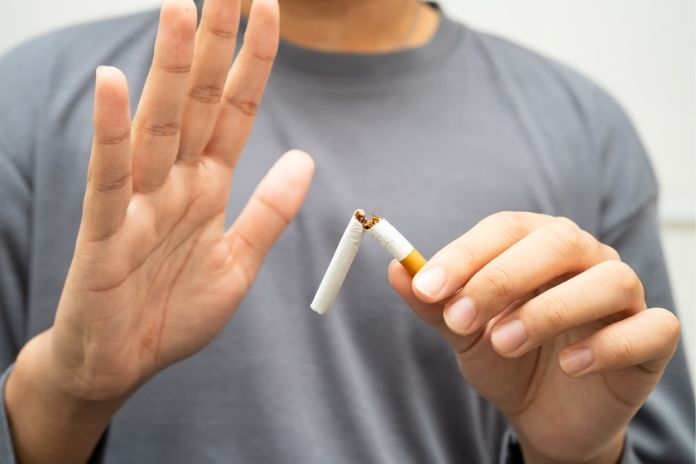
Among all modifiable habits in IBD, smoking has probably the strongest evidence, especially for Crohn’s disease. Many people are surprised by how dramatic the effect actually is. For Crohn’s disease, smoking is associated with more aggressive disease activity, more hospitalizations, more surgeries, more strictures, more flare-ups, and poorer response to medication.
Smokers with Crohn’s disease consistently do worse than non-smokers in long-term outcomes. The IOIBD strongly recommends smoking cessation because the evidence here is unusually consistent.
The mechanism is complicated but involves reduced blood flow to intestinal tissue, increased oxidative stress, altered gut bacteria, and stronger inflammatory immune responses. Smoking also seems to interfere with mucosal healing, which is one of the biggest treatment goals in Crohn’s disease now.
Ulcerative colitis is more confusing. Some older studies showed smoking appeared to reduce UC activity in some patients, and a few people reported symptoms worsened after quitting smoking. This has created confusion online. But this should not be misunderstood as “smoking is good for ulcerative colitis.” Smoking still massively increases cardiovascular disease, lung disease, cancer risk, and overall mortality massively. IOIBD still recommends quitting smoking for UC patients despite this paradox.
What matters practically is this: smoking cessation is not small lifestyle advice in Crohn’s disease. It is one of the few non-medication interventions shown to meaningfully change the disease course itself.
Diet: What the Evidence Actually Supports
Diet is probably the most emotionally difficult part of IBD management because symptoms are so connected to eating. Many patients become afraid of food slowly. They start cutting foods one by one after painful experiences during flares. Over time, diets become extremely restrictive, sometimes nutritionally dangerous.
The truth from current evidence is that there is no single universal “IBD diet.” Anyone claiming one perfect cure diet for all Crohn’s disease or ulcerative colitis patients is oversimplifying the science badly. The 2024 Alimentary Pharmacology and Therapeutics review described four major pillars of nutritional management in IBD.
The first is nutritional status itself. Malnutrition is very common in IBD, especially during repeated flares. Many patients lose muscle mass without realizing it because chronic inflammation increases protein breakdown.
Vitamin deficiencies also happen frequently: iron, B12, vitamin D, and folate. Before discussing anti-inflammatory foods, patients often need a proper nutritional assessment first. An undernourished body handles inflammation worse.
The second area is ultra-processed food intake. This is becoming one of the strongest dietary signals in IBD research. Highly processed foods containing emulsifiers, additives, stabilizers, refined sugars, and industrial fats appear to be associated with increased intestinal inflammation and altered gut microbiome composition.
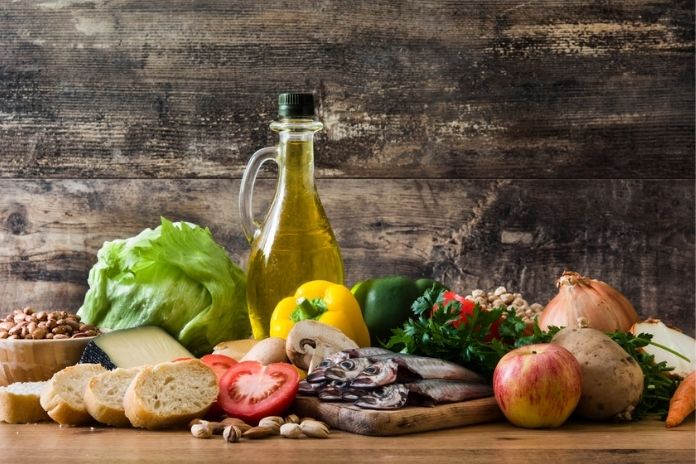
The evidence does not mean that eating chips once causes a flare the next day. But long-term dietary patterns high in ultra-processed foods seem biologically unfavorable for IBD. Mediterranean diet patterns show the most supportive evidence overall. More vegetables, olive oil, legumes, fish, nuts, and minimally processed foods. Less processed meat and refined foods.
Dr. Raj Dasgupta, MD, Chief Medical Advisor, says, “I usually recommend a Mediterranean-style approach. More fruits, vegetables, lean proteins like fish, whole grains if tolerated, and fewer processed and sugary foods.”
This dietary style seems associated with lower inflammatory burden overall and reduced Crohn’s disease risk in prospective cohorts. But tolerance still matters. During active flares, many high-fiber foods may temporarily worsen symptoms mechanically.
Then there is exclusive enteral nutrition (EEN), especially important in Crohn’s disease. This involves consuming liquid nutritional formulas instead of regular food for several weeks to induce remission. In pediatric Crohn’s disease, there is surprisingly strong evidence, and it is used clinically. But this is not self-help internet detox dieting. It requires medical supervision and a dietitian’s support.
One thing patients often need reassurance about: food triggers are real, but they are individual. One Crohn’s patient tolerates yogurt perfectly, while another gets immediate symptoms. Some tolerate cooked vegetables but not raw salads. Others are the opposite.
Keeping a structured food and symptom diary usually gives more useful information than following extreme elimination diets copied online.
Exercise: The Evidence and the Practical Approach
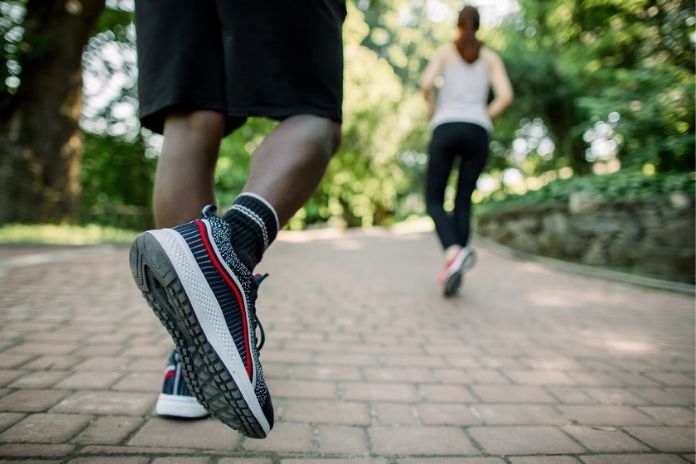
For many years, people with IBD were often told to “rest more” and avoid physical strain. That thinking has changed a lot. The IOIBD consensus recommends regular physical activity as tolerated. The important phrase is “as tolerated.”
During severe flares, intense workouts may not be realistic. But outside severe disease activity, exercise appears beneficial across multiple outcomes.
A 2022 systematic review in PLOS One found exercise programs improved fatigue, disease activity, quality of life, and psychological health in IBD patients. The evidence is strongest for moderate aerobic exercise like walking, swimming, cycling, and light jogging.
The interesting thing is that exercise may help through several mechanisms at the same time. It improves insulin sensitivity. Reduces systemic inflammation. Supports gut microbiome diversity. Improves sleep. Reduces stress hormone levels. Helps preserve muscle mass lost during inflammation.
Many patients think exercise only “counts” if it is intense gym training. Actually, low-intensity consistency matters more in IBD. Even regular walking has a measurable association with lower disease activity in observational studies.
Also, during remission, rebuilding physical confidence matters psychologically. Many IBD patients start avoiding activities because of the fear of bathroom urgency or fatigue. Gradual activity restoration becomes part of quality-of-life recovery, not only physical fitness.
Read More: Beyond the Biopsy: 3 Risk Factors That Make IBD-Related Dysplasia More Concerning (And What to Do)
Mental Health: Not a Soft Add-On

Mental health in IBD is often treated like a secondary issue. But clinically, it is deeply connected to disease management itself. The IOIBD formally recommends screening for anxiety, depression, and psychosocial stressors during diagnosis and flares. That is important because it moves mental health from optional support into core disease management.
The gut-brain axis in IBD is real biology, not motivational wellness language. “As psychiatrists, we recognize the ‘gut-brain axis’ where stress, anxiety, depression, and trauma can both result from and sometimes worsen gastrointestinal illnesses through complex neurobiological pathways,” said Dr. Ruksheda Syed, a psychiatrist.
Psychological stress affects inflammatory signaling, intestinal permeability, pain sensitivity, and immune activity. Stress does not “cause” Crohn’s disease or ulcerative colitis. But it absolutely influences symptom severity and flare patterns in many patients.
Also, the emotional burden of IBD itself is huge. People plan their lives around toilet access. Some avoid travel. Some stop socializing during active symptoms. Fatigue creates isolation slowly. Fear of flares creates constant background anxiety. This is not a weakness. It is predictable chronic disease psychology.
IBD-specific cognitive behavioral therapy has shown benefit in improving quality of life and reducing anxiety symptoms. Support groups also help more than many people expect because they reduce the strange loneliness of living with bowel urgency and chronic inflammation.
Another overlooked point: many patients minimize symptoms during appointments because they feel embarrassed. Mental health screening sometimes identifies disease burden: patients themselves have stopped discussing openly.
Sleep, Alcohol, and Other Modifiable Factors

Sleep disruption and IBD influence each other both ways. Poor sleep increases inflammatory signaling, while inflammation itself worsens sleep quality. Several prospective studies found that poor sleep predicts higher flare risk later.
This is partly because immune cells follow circadian rhythms. When sleep becomes irregular repeatedly, immune regulation becomes dysregulated too. Consistent sleep timing matters more than people realize.
Alcohol is another common trigger. Not every IBD patient reacts the same way, but alcohol increases gut permeability and intestinal irritation. Many patients notice symptom worsening, especially with binge drinking, beer, or high-sugar mixed alcohol. Reduction usually helps more than patients expect.
NSAIDs like ibuprofen and naproxen are also important. These medications can trigger intestinal inflammation and worsen flares in susceptible patients. Many people take them casually for headaches or body pain without realizing the gut effect. Paracetamol is usually preferred for pain relief in IBD unless a doctor advises otherwise.
One more thing often ignored: random supplements. Many herbal supplements marketed online for “gut healing” have poor evidence, and some directly irritate the gut or interact with medication. “Natural” does not automatically mean safe for IBD.
Read More: Is It a Flare or Pre-Cancer? Why Active Inflammation Makes Dysplasia Harder to Detect
Conclusion
IBD management has changed a lot during recent years because lifestyle factors are no longer viewed as vague wellness advice. The evidence is now strong enough that the world’s leading IBD organization formally includes smoking cessation, dietary quality, exercise, mental health support, and sleep optimization as part of comprehensive care.
None of these replaces biologics or medical treatment. But together they change the inflammatory environment, where the disease exists. That matters. The most effective IBD management today is usually a combination of management: medication plus sustainable lifestyle support built around the individual patient, not generic internet rules.
- Smoking has one of the strongest lifestyle links with Crohn’s disease severity, but the ulcerative colitis relationship remains biologically confusing and still not fully understood.
- Ultra-processed foods are increasingly associated with IBD risk and inflammatory activity, but researchers still do not know which additives are most responsible.
- Exercise benefits in IBD may come more from inflammation regulation and microbiome effects than from fitness itself.
- Mental health screening is now considered part of proper IBD care, not separate emotional support.
- One major research gap still exists around personalized nutrition in IBD. Current evidence strongly supports individualized food response tracking, but researchers still cannot predict which foods trigger which patients reliably.
FAQs
1. Can lifestyle changes alone manage IBD?
No, lifestyle changes alone cannot manage IBD effectively. Crohn’s disease and ulcerative colitis are immune-mediated conditions requiring medication to control inflammation. Diet, stress management, and exercise support treatment, but should not replace prescribed medical therapy.
2. What foods should I avoid with IBD?
There is no universal IBD diet or strict food avoidance list. Ultra-processed foods are most consistently linked with increased inflammation. During flares, low-residue foods may help alleviate symptoms, while Mediterranean-style diets are better supported during remission for long-term gut health.
3. Does stress cause IBD flares?
No, stress does not directly cause IBD, but it can trigger flares. Psychological stress affects the gut-brain axis, altering immune signaling and intestinal barrier function. This increases symptom severity and flare frequency in both Crohn’s disease and ulcerative colitis.
References
- Ananthakrishnan, A. N., Gerasimidis, K., Ho, S.-M., Mayer, E., Pollock, J., Soni, S., Wu, G. D., Benyacoub, J., Ali, B., Favreau, A., Smith, D. E., Oh, J., Heller, C., Hurtado-Lorenzo, A., Moss, A., & Croitoru, K. (2024). Challenges in IBD Research 2024: Environmental Triggers. Inflammatory Bowel Diseases, 30(Supplement_2), S19–S29.
- Ananthakrishnan, A. N., Kaplan, G. G., Bernstein, C. N., Burke, K. E., Lochhead, P. J., Sasson, A. N., Agrawal, M., Tiong, J. H. T., Steinberg, J., Kruis, W., Steinwurz, F., Ahuja, V., Ng, S. C., Rubin, D. T., Colombel, J.-F., Gearry, R., Abreu, M., Ahuja, V., Allez, M., & Ananthakrishnan, A. (2022). Lifestyle, behaviour, and environmental modification for the management of patients with inflammatory bowel diseases: an International Organization for Study of Inflammatory Bowel Diseases consensus. The Lancet Gastroenterology & Hepatology, 7(7), 666–678.
- Berkowitz, L., Schultz, B. M., Salazar, G. A., Pardo-Roa, C., Sebastián, V. P., Álvarez-Lobos, M. M., & Bueno, S. M. (2018). Impact of Cigarette Smoking on the Gastrointestinal Tract Inflammation: Opposing Effects in Crohn’s Disease and Ulcerative Colitis. Frontiers in Immunology, 9(74).
- Chen, J., & Sun, S. (2024). Unlocking the Power of Physical Activity in Inflammatory Bowel Disease: A Comprehensive Review. Gastroenterology Research and Practice, 2024(1).
- Gibson, P. R., Yao, C. K., & Halmos, E. P. (2024). Review article: Evidence‐based dietary management of inflammatory bowel disease. Alimentary Pharmacology & Therapeutics, 60(9), 1215–1233.
- Tang, Y., Preuss, F., Turek, F. W., Jakate, S., & Keshavarzian, A. (2009). Sleep deprivation worsens inflammation and delays recovery in a mouse model of colitis. Sleep Medicine, 10(6), 597–603.
In this Article