


















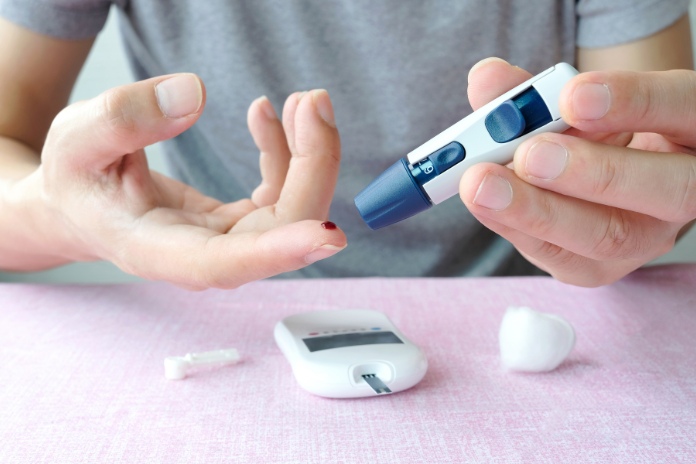
Diabetes is often discussed as a universal health problem, but men face unique biological, behavioral, and social factors that can influence both their risk of developing the disease and how quickly it is recognized. As a result, diabetes in men frequently goes undiagnosed for years, allowing silent damage to accumulate long before treatment begins.
Part of the challenge is that early symptoms such as increased thirst, fatigue, frequent urination, and slow wound healing often develop gradually and are easily dismissed as stress, aging, poor sleep, or a busy lifestyle. Men are also more likely to carry visceral fat around the abdomen, a major driver of insulin resistance and type 2 diabetes, while hormonal factors can further shape metabolic risk.
Understanding diabetes in men goes beyond recognizing symptoms. It requires awareness of risk factors, potential complications such as heart disease and erectile dysfunction, and the importance of early screening and prevention. This guide explores what men need to know about diabetes, from warning signs and risk factors to practical strategies for long-term health.
- Men are more likely than women to have prediabetes and undiagnosed diabetes, partly because they seek preventive care less frequently.
- Early symptoms of high blood sugar in men, such as fatigue, increased thirst, and slow wound healing, are often overlooked or attributed to other causes.
- Biological factors, including visceral fat accumulation and testosterone’s relationship with insulin sensitivity, create distinct metabolic risk patterns in men.
- Early screening, realistic lifestyle changes, and consistent medical follow-up significantly reduce the risk of serious long-term complications.
Read More: American Diabetes Month 2025: Simple Steps to Lower Your Risk
Why Diabetes Often Goes Undiagnosed Longer in Men
Men May Delay Routine Medical Care
Men visit doctors less frequently than women across virtually every age group. One in four men reports waiting as long as possible before seeking care, even when experiencing pain or illness, according to data from the Commonwealth Fund. About half of men skip preventive care like annual exams entirely, and the disparities widen in middle age, precisely when type 2 diabetes risk accelerates.
Dr. Juan J. Andino, MD, MBA, a board-certified urologist specializing in men’s health at UCLA Health, explains the problem plainly. In a published interview, he noted that “most chronic conditions are ‘silent’ before they put patients at risk.”
“Conditions like diabetes and high blood pressure can all occur in the background of everyday life without triggering a visit to the doctor,” he adds. When men do not have a reason they can see or feel to go in, many simply do not go.
Early Diabetes Symptoms Can Be Subtle
The classic symptoms of type 2 diabetes, excessive thirst, frequent urination, fatigue, and blurred vision, do not appear suddenly. They develop gradually, and many men chalk them up to stress, poor sleep, or aging. Research on gender differences in diabetes care has consistently found that women are more likely to notice symptoms and seek care sooner, while men tend to normalize similar warning signs.
Robert Smitherman, MD, FACP, an internist specializing in diabetes and hypertension at Texas Health Arlington, noted in a published survey that male patients “tend to be a bit more closed off” and that he often has to approach visits differently to get the full clinical picture. That reluctance to disclose, combined with genuine symptom unawareness, delays accurate diagnosis across all age groups.
Social and Behavioral Factors That Affect Help-Seeking
Cultural expectations around masculinity, self-reliance, and toughness remain powerful deterrents to care-seeking.
Scott Robertson, MD, CEO of Dignity Health Medical Foundation and a board-certified family physician, has noted publicly that “many men perceive that having health issues is a sign of weakness” and that this perception delays access to care in ways that carry measurable health consequences.
Work schedules, financial concerns, and the absence of a regular primary care relationship compound the problem, leaving many men without the routine glucose checks that catch prediabetes early.
Common Symptoms of Diabetes in Men
The hallmark signs of uncontrolled diabetes are excessive thirst, frequent urination, unexplained fatigue, and blurred vision. These occur because elevated blood glucose draws water from tissues and forces the kidneys to continuously filter excess sugar.
The body becomes less efficient at converting glucose into energy, leading to the chronic fatigue many men dismiss as a lifestyle issue. Men with undiagnosed diabetes often notice slower wound healing before they recognize thirst or urination as problematic. High blood glucose impairs immune function and circulation, delaying tissue repair.
Cuts or foot sores that take longer than expected to close are significant clinical signals. Increased infections, particularly skin infections, and unexplained weight changes, either gradual loss or continued gain, from insulin resistance are also frequently overlooked early signs that blood sugar is running high.
Erectile Dysfunction as a Possible Early Warning Sign
One of the most clinically important but underrecognized warning signs in men is erectile dysfunction. High blood sugar damages both the small blood vessels and the nerve fibers required for normal erections, and research from NIDDK confirms that men with diabetes develop erectile dysfunction 10 to 15 years earlier than men without the condition.
Alexander Rozanski, MD, a urologist specializing in men’s health at Houston Methodist, has stated directly that “diabetes is underdiagnosed” and that it is not uncommon for a man to come in for erectile dysfunction, only to be told shortly afterward that he has early or even advanced diabetes.”
Men with unexplained ED, particularly under age 50, deserve a metabolic workup that includes fasting glucose and HbA1c testing.
Why Diabetes Management Can Be More Difficult for Some Men

The cost of late diagnosis is measurable. A peer-reviewed study published in Public Health found that for lower-socioeconomic men, less frequent use of medical care resulted in lower diabetes detection, meaning by the time these men received a diagnosis, the disease was often well established.
Men who are diagnosed later face higher baseline HbA1c levels, more entrenched insulin resistance, and a greater likelihood that cardiovascular or microvascular damage has already begun. Dietary patterns are harder to shift when eating habits are tied to work schedules or social identity.
Men in manual labor or high-stress professional roles often have limited control over meal timing and food access. Physical activity patterns shift, too; middle-aged men see sharp drops in structured exercise as careers and family demands grow. The same pressures that delay diagnosis make consistent lifestyle adherence more difficult to sustain.
A study on healthcare disparities in type 2 diabetes found that although men and women had similar access to diabetes health services, men had less disease control and took less advantage of medical appointments. Cancelled visits, missed HbA1c checks, and delayed medication adjustments accumulate into worse long-term outcomes.
Men are also less likely to self-report side effects that might warrant dose adjustments. Depression and diabetes interact in a cycle that is particularly underrecognized in men. Men with diabetes are at higher risk for depression, and depression directly undermines the self-care behaviors that blood sugar management demands.
A study in Diabetes Care confirmed that depression is significantly associated with reduced physical activity, worse dietary habits, and lower medication adherence in a nationally representative U.S. sample. Men are less likely to be screened for depression during diabetes visits and less likely to seek mental health support independently, making burnout particularly likely to go unaddressed.
Read More: Is Aspartame Bad for Diabetics? Blood Sugar, Insulin & Safety Explained
Biological Factors That May Affect Diabetes Risk in Men
Men are significantly more likely to accumulate visceral fat, the deep abdominal fat surrounding internal organs, rather than subcutaneous fat. Visceral fat secretes pro-inflammatory cytokines that interfere directly with insulin signaling, reduce cellular glucose uptake, and drive the insulin resistance that precedes type 2 diabetes.
A study published in Cardiovascular Diabetology found that visceral fat dominance in male type 2 diabetic patients was directly linked to hepatic insulin resistance, independent of overall body size. Two men with identical BMIs can carry very different metabolic risks depending on where fat is distributed, and men disproportionately carry it in the high-risk abdominal location.
The relationship between testosterone and insulin sensitivity is increasingly well-documented. Research by Paresh Dandona, MD, PhD, SUNY Distinguished Professor and Chief of Endocrinology, Diabetes, and Metabolism at the University at Buffalo, established that testosterone functions as an insulin sensitizer.
His group found that low testosterone was associated with a 36% decrease in tissue glucose uptake, a direct measure of insulin resistance, and that “testosterone is an insulin sensitizer and hence a metabolic hormone.” Studies show that up to 33% of men with type 2 diabetes have reduced testosterone, creating a bidirectional relationship that compounds metabolic risk.
Men with type 2 diabetes have a two- to three-fold increased risk of coronary artery disease. They develop cardiovascular complications at a younger average age and often reach diagnosis at a more advanced disease stage. Erectile dysfunction, discussed above as a symptom, is also a cardiovascular risk marker: it predicts major cardiac events by an average of two to three years in men with diabetes.
Complications Men With Diabetes Should Not Ignore
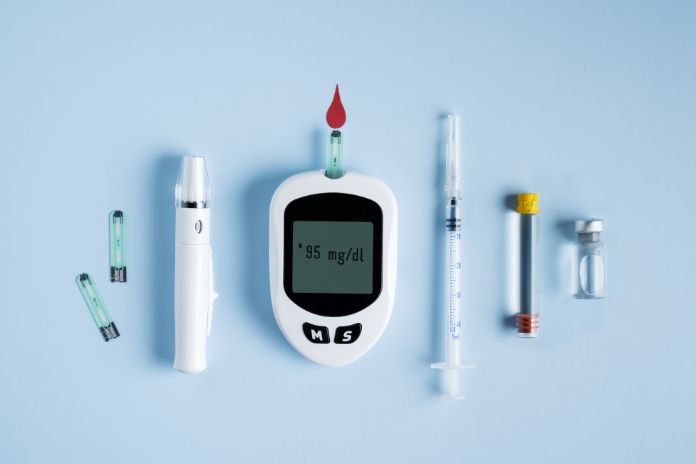
Cardiovascular disease is the leading cause of death in people with type 2 diabetes. Persistently high blood sugar damages blood vessels, accelerates plaque buildup, and increases the risk of heart attack and stroke. Men are also less likely to recognize or report warning signs such as jaw pain, arm discomfort, or unusual fatigue, which can delay treatment.
Erectile dysfunction is another common but often overlooked complication. Diabetes damages both blood vessels and nerves involved in erections, making sexual health changes one of the earliest signs of long-term vascular damage. Good blood sugar control can slow progression, but some damage may become permanent if diabetes remains unmanaged.
Diabetic peripheral neuropathy often begins with numbness or tingling in the feet and lower legs, increasing the risk of unnoticed injuries, infections, and foot ulcers. Diabetes can also silently damage the kidneys and eyes for years before symptoms appear, making regular kidney function tests and eye exams essential parts of long-term care.
Why Prediabetes Often Gets Missed
Prediabetes produces no reliable symptoms. Most people with it have no idea. The CDC’s National Diabetes Statistics Report estimates that 40.1 million U.S. adults have diabetes, diagnosed or undiagnosed, and the NIDDK confirms that a higher percentage of men (41%) than women (32%) had prediabetes in recent national health surveys.
Despite this higher prevalence, women are more likely to be tested, a screening gap that allows many men to progress from prediabetes to established diabetes without any intervening diagnosis.
Men with a family history of diabetes, excess abdominal weight, a sedentary lifestyle, high blood pressure, or a history of abnormal cholesterol readings should discuss diabetes screening with a physician, even without symptoms. Ethnicity matters too: Black, Hispanic, Native American, and Asian American men face higher prevalence rates at comparable body weights.
The American Diabetes Association recommends screening starting at age 35, and earlier for those who are overweight or obese. A fasting blood glucose or HbA1c test can catch prediabetes at a stage where lifestyle changes have a genuine chance of reversing it.
What Helps Men Manage Diabetes More Successfully
Sustainable changes, not restrictive diets, produce better long-term outcomes. Eating more vegetables, lean protein, legumes, and whole grains while cutting back on processed foods can significantly improve blood sugar control.
The Diabetes Prevention Program found that losing just 5 to 7% of body weight reduced the risk of progressing from prediabetes to diabetes by 58%. Regular physical activity, including resistance training, improves insulin sensitivity even without major weight loss.
Sleep and stress management matter too, as poor sleep and chronic stress can directly raise blood sugar levels and make diabetes harder to control. For men living with type 2 diabetes, regular glucose monitoring and strong support systems can improve outcomes.
Understanding how food, activity, and stress affect blood sugar helps guide daily decisions, while support from family, partners, or diabetes education programs can make long-term management more sustainable.
Read More: 10 Best Fitness Gadgets of 2025 That Actually Work
How Healthcare Providers Can Improve Diabetes Care for Men

Providers who see adult male patients in any setting- primary care, urology, cardiology, or occupational health- have an opportunity to introduce diabetes screening as part of routine care. Opportunistic testing during visits for other concerns, combined with brief motivational conversations, catches cases that would otherwise be missed for years.
Framing diabetes screening and management as practical issues affecting energy, performance, and sexual function resonates more effectively with many men than framing it as illness management. Providers who understand the dynamics of male healthcare avoidance can tailor conversations to build trust that makes patients more likely to return.
Treatment plans accounting for work schedules, food access, and financial constraints are far more likely to be followed than generic recommendations. Men’s diabetes management is a long-term strategy requiring adjustment over time, not a one-size-fits-all protocol.
When to See a Doctor About Possible Diabetes
Any sustained increase in thirst or urination frequency, particularly if it disrupts sleep or daily activity, warrants a blood sugar check. These symptoms signal that blood glucose regulation is not working normally.
Fatigue tied to blood sugar dysregulation does not resolve with rest and often worsens after high-carbohydrate meals. If persistent fatigue accompanies mild cognitive fog, diabetes, and prediabetes symptoms in men should be part of the evaluation.
Erectile dysfunction in men under 60, particularly when it develops gradually rather than situationally, warrants metabolic evaluation. New-onset tingling or numbness in the feet also deserves prompt attention; peripheral neuropathy from undiagnosed diabetes is among the most common causes in adult men.
Men who carry risk factors for diabetes, family history, abdominal obesity, hypertension, sedentary lifestyle, or prior prediabetes should discuss screening with a physician regardless of symptoms. The defining feature of prediabetes and early type 2 diabetes is that it produces no warning until considerable damage may have already occurred.
Read More: Best Continuous Glucose Monitors 2026: Real-Talk Guide
Key Takeaway
Men and diabetes represent an intersection of biology, behavior, and healthcare culture that no single intervention fully addresses. Men develop prediabetes at higher rates, are screened less frequently, and often reach formal diagnosis at a more advanced disease stage.
By the time diabetes symptoms in men become noticeable enough to prompt medical attention, elevated blood sugar may have been causing silent damage for years. The consequences of delayed diagnosis extend far beyond blood sugar levels. Diabetes increases the risk of cardiovascular disease, nerve damage, kidney impairment, vision problems, and sexual health complications, many of which develop gradually and worsen over time.
Because early symptoms can be subtle or absent altogether, many men underestimate their risk until complications begin to affect daily life. The good news is that this trajectory is not inevitable. Early screening, timely treatment, and sustainable lifestyle changes can significantly reduce the risk of long-term complications.
Diabetes management is best viewed as an ongoing health strategy rather than a short-term fix, and the evidence consistently shows that men who stay engaged with their health can achieve better outcomes and maintain a high quality of life for years to come.
References
- American Diabetes Association. (2024). Diagnosis and classification of diabetes: Standards of care in diabetes 2024. Diabetes Care, 47(Suppl 1), S20-S42.
- Centers for Disease Control and Prevention. (2026). National Diabetes Statistics Report.
- Dandona, P. (2020). UB study finds testosterone therapy can lead to remission in men with type 2 diabetes. University at Buffalo.
- Kapoor, D., Aldred, H., Clark, S., Channer, K. S., & Jones, T. H. (2006). Clinical and biochemical assessment of hypogonadism in men with type 2 diabetes. Diabetes Care.
- Krämer, H. U., Raum, E., Rüter, G., Schöttker, B., Rothenbacher, D., Rosemann, T., & Brenner, H. (2018). Healthcare disparities between men and women with type 2 diabetes. Preventing Chronic Disease.
- Lai, T. C., McDaniel, C. C., & Chou, C. (2022). Diabetes management behaviors associated with depression in the U.S. Diabetology & Metabolic Syndrome.
- Miyazaki, Y., & DeFronzo, R. A. (2009). Visceral fat dominant distribution in male type 2 diabetic patients is closely related to hepatic insulin resistance. Cardiovascular Diabetology, 8, 44.
- National Institute of Diabetes and Digestive and Kidney Diseases. (2025). Diabetes, sexual, and bladder problems.
- National Institute of Diabetes and Digestive and Kidney Diseases. (2025). Diabetes statistics.
- Nieto-Martinez, R., González-Rivas, J. P., & Medina-Inojosa, J. R. (2019). Gender differences in the socioeconomic gradient of self-reported diabetes. Public Health.
In this Article