

















Diabetes and sleep apnea are two of the most common chronic conditions in the United States, and they show up together far more often than most people realize. Research confirms a strong connection between sleep apnea and blood sugar control, and the relationship runs in both directions.
Poor sleep caused by obstructive sleep apnea (OSA) can disrupt blood glucose levels and worsen insulin resistance, while diabetes-related changes in the body can raise the risk of breathing problems during sleep.
Fatigue, poor sleep quality, and metabolic imbalance are symptoms both conditions share, which is one reason they often go undetected until they have already compounded each other. Many people remain undiagnosed because symptoms tend to develop gradually and are easy to dismiss as ordinary tiredness.
In this article, we explore what sleep apnea is, how it relates to type 2 diabetes and blood sugar, whether sleep apnea can cause diabetes, and how managing one condition may improve the other.
- Sleep apnea and type 2 diabetes often occur together and make each other worse.
- Poor sleep disrupts hormones, increases insulin resistance, and raises blood sugar levels.
- Treating sleep apnea can significantly improve blood sugar control and overall metabolic health.
Read More: How Sleep Apnea Affects Your Heart: Risks You Shouldn’t Ignore
What Is Sleep Apnea?
Sleep apnea is a condition in which your airway becomes blocked repeatedly during sleep, causing breathing to stop and restart throughout the night. Each time this happens, your body is briefly cut off from oxygen, often triggering a partial awakening, even if you never fully wake up or remember it happening.
How Obstructive Sleep Apnea Affects Breathing During Sleep
Obstructive sleep apnea is the most common form of the condition. It occurs when the muscles in the throat relax too much during sleep, allowing the airway to narrow or collapse entirely.
In severe cases, a person can experience more than 30 breathing interruptions per hour throughout the night. That repeated oxygen deprivation stresses the cardiovascular system, disrupts sleep architecture, and throws the body’s metabolic processes off balance.
The three recognized types of sleep apnea are:
- Obstructive sleep apnea (OSA): The most common form, caused by physical blockage of the airway.
- Central sleep apnea (CSA): Caused by the brain temporarily failing to send the right signals to the muscles that control breathing.
- Complex sleep apnea: A combination of both obstructive and central patterns.
Common Symptoms of Sleep Apnea
The most frequently reported symptoms of sleep apnea include:
- Loud snoring, often interrupted by gasps or silence
- Restless sleep
- Waking up with morning headaches
- Persistent daytime sleepiness or fatigue despite a full night in bed
- Mood swings, irritability, or difficulty concentrating
- Depression or anxiety
Why Sleep Apnea Often Goes Unnoticed
One of the main reasons sleep apnea goes undiagnosed for so long is that its most telling symptoms happen while you are asleep. You cannot hear your own snoring or notice your own breathing pauses. In many cases, a partner or roommate is the first to observe warning signs like gasping, choking sounds, or long stretches of silence during sleep.
According to the National Heart, Lung, and Blood Institute (NHLBI), millions of Americans with sleep apnea remain undiagnosed and untreated precisely because the symptoms occur during sleep and do not always feel alarming in the morning. If someone in your life has mentioned that you snore heavily or seem to stop breathing at night, that feedback is worth taking seriously.
What Is the Connection Between Diabetes and Sleep Apnea?

The link between diabetes and sleep apnea is well established in the medical literature. According to a clinical study cited by ResMed, up to 48% of people with type 2 diabetes have also been diagnosed with sleep apnea. A study published in Diabetes Care found that people with type 2 diabetes are nearly 1.5 times more likely to develop sleep apnea than those without the condition, even after accounting for age, sex, and body mass index.
Researchers have described this as a bidirectional relationship, meaning each condition can worsen or contribute to the other. Sleep-disordered breathing creates physiological stress that affects how the body regulates blood sugar.
At the same time, diabetes-related changes, including obesity, nerve damage, and metabolic dysfunction, can increase the physical conditions that make the airway more likely to collapse during sleep.
Researchers acknowledge that the precise mechanisms connecting sleep apnea and diabetes are still being studied. What is clear is that leaving either condition untreated appears to accelerate the other.
How Poor Sleep Affects Blood Sugar Regulation
When sleep is repeatedly broken, the body responds as if it is under physical stress. It releases cortisol and adrenaline, two stress hormones that interfere directly with insulin’s ability to move glucose out of the bloodstream. The result is higher blood sugar levels and reduced insulin sensitivity, which is the biological foundation of type 2 diabetes.
Sleep deprivation also disrupts the hormones that regulate hunger. Specifically, levels of ghrelin, a hormone that stimulates appetite, rise with poor sleep, while leptin, a hormone that signals fullness, is suppressed.
Research published in the Journal of Clinical Sleep Medicine found that moderate and severe OSA is associated with elevated ghrelin levels, which can drive increased cravings for high-calorie, high-carbohydrate foods. Over time, overeating tied to these hormonal shifts contributes to weight gain, which is itself a major risk factor for type 2 diabetes.
Intermittent drops in nighttime oxygen levels, a hallmark of sleep apnea, also trigger elevated inflammation and oxidative stress throughout the body. These responses promote insulin resistance and reduce the body’s ability to tolerate glucose, further increasing diabetes risk.
Why Sleep Apnea Is Common in People with Type 2 Diabetes
The relationship flows in both directions. Diabetes and sleep apnea share several overlapping risk factors, including obesity, sedentary lifestyle, and older age. But the connection goes beyond shared risk.
People with poorly controlled blood sugar experience systemic inflammation, nerve damage, and weight changes that can all directly increase the likelihood of developing sleep-disordered breathing.
The Role of Obesity and Excess Weight
Obesity is the single most significant modifiable risk factor for obstructive sleep apnea, and it sits at the center of the overlap between the two conditions. When excess fat accumulates around the neck and upper airway, it physically narrows the space available for air to pass through during sleep.
Research shows that fat deposition in the neck and upper body increases the collapsibility of the pharyngeal airway, meaning the throat is more likely to close off during sleep. For every 6-unit increase in body mass index (BMI), the risk of obstructive sleep apnea increases approximately fourfold.
Importantly, this is also one of the most actionable risk factors: even modest weight loss, in the range of 10 to 15 percent of body weight, has been shown to reduce OSA severity meaningfully. For people managing type 2 diabetes, weight management therefore serves double duty, helping with blood sugar control and reducing the risk and severity of sleep apnea at the same time.
How Diabetes-Related Nerve Changes May Affect Sleep Breathing
One lesser-known aspect of this connection involves diabetic autonomic neuropathy, a form of nerve damage that can develop over time in people with long-standing or poorly controlled diabetes. The autonomic nervous system helps regulate breathing during sleep, including how the airway muscles respond and how the brain signals the body to maintain airflow.
Research published in Frontiers in Endocrinology found that when diabetes damages the autonomic nervous system, it can impair central breathing control, reduce the sensitivity of the airway reflex, and increase the likelihood of sleep-disordered breathing, even in people who are not obese. This suggests that for some people with type 2 diabetes, the nerve damage itself, not just excess weight, contributes to sleep apnea risk.
Can Sleep Apnea Increase the Risk of Diabetes?
Evidence increasingly supports the idea that untreated sleep apnea is an independent risk factor for developing type 2 diabetes, even when other contributing factors like obesity are accounted for.
The Relationship Between Oxygen Drops and Insulin Resistance
When sleep apnea causes repeated pauses in breathing, oxygen levels in the blood fall. The body detects this as an emergency and responds by releasing stress hormones like cortisol and adrenaline.
These hormones block the normal action of insulin, making it harder for cells to absorb glucose from the bloodstream. Over time, this repeated hormonal interference can lead to chronic insulin resistance, the core mechanism behind type 2 diabetes.
Inflammation and Metabolic Stress During Disrupted Sleep
Intermittent drops in blood oxygen also trigger a broader inflammatory response. Elevated markers of inflammation and oxidative stress are consistently found in people with untreated sleep apnea, and both are known contributors to impaired glucose metabolism and reduced insulin sensitivity.
What Current Research Suggests About Long-Term Risk
According to a large study published in the American Journal of Respiratory and Critical Care Medicine, people with severe obstructive sleep apnea (defined by an apnea-hypopnea index greater than 30) had a 30% higher risk of developing type 2 diabetes compared to those with minimal or no sleep apnea, after controlling for age, sex, BMI, smoking, and other confounders.
The study followed 8,678 adults over a median of 67 months, making it one of the largest of its kind. Researchers also found that time spent with blood oxygen below 90% during sleep was independently associated with incident diabetes, suggesting that nighttime oxygen levels matter beyond just the number of breathing pauses.
It is important to note that these findings show an association, not definitive proof that sleep apnea alone causes diabetes. Lifestyle factors, genetics, and obesity also play significant roles. However, the data strongly support treating sleep apnea as a serious contributor to metabolic risk, not just a nuisance that affects sleep quality.
Read More: Tryptophan vs. Sleep Apnea: Can Lean Protein Help Support Airway Stability During Sleep?
How Sleep Apnea Can Make Diabetes Harder to Manage
For people who already have type 2 diabetes, untreated sleep apnea creates additional obstacles to keeping blood sugar under control.
Blood Sugar Fluctuations and Poor Sleep Quality
When sleep apnea goes untreated, the repeated stress hormone surges it triggers throughout the night continue to interfere with how the body uses insulin. This means someone who is following their medication plan, eating carefully, and exercising may still see unpredictable blood sugar readings, because their sleep is actively working against their diabetes management.
Research confirms a graded relationship between OSA severity and glycemic control in people with type 2 diabetes, meaning the more severe the sleep apnea, the harder blood sugar tends to be to control.
Increased Fatigue and Reduced Physical Activity
Poor sleep caused by sleep apnea makes regular physical activity harder to sustain. Daytime sleepiness reduces motivation and energy, and for people managing diabetes, reduced physical activity directly worsens insulin resistance. This creates a reinforcing cycle: poor sleep reduces activity, reduced activity worsens blood sugar, and high blood sugar can further disrupt sleep quality.
Effects on Appetite and Cravings
As noted above, sleep apnea disrupts the hormones ghrelin and leptin, which regulate hunger and fullness. For someone with type 2 diabetes, this hormonal disruption makes it harder to follow a balanced diet. Cravings for sugary and high-carbohydrate foods increase, and willpower alone is not a reliable substitute for normalized hunger signals. Treating the underlying sleep apnea addresses these hormonal imbalances at their source.
Cardiovascular Strain from Untreated Sleep Apnea
People living with both type 2 diabetes and sleep apnea carry a significantly elevated cardiovascular risk. The American Heart Association has linked obstructive sleep apnea to higher rates of high blood pressure, stroke, and coronary artery disease. Every time breathing stops during sleep, the heart works harder to compensate for dropping oxygen levels.
This nightly strain, repeated hundreds of times, raises blood pressure, promotes inflammation in the blood vessels, and over time can contribute to heart disease and heart failure. For people with diabetes, who already face elevated cardiovascular risk, untreated sleep apnea compounds that burden considerably. Addressing sleep apnea is therefore not just about sleeping better. It is also a cardiovascular health issue.
Signs You May Have Both Conditions
Identifying overlapping symptoms is important. You may have both diabetes and sleep apnea if you experience:
- Waking up exhausted despite enough sleep: Disrupted sleep cycles leave you feeling drained even after a full night in bed.
- Loud snoring combined with daytime fatigue: This is a classic indicator of obstructive sleep apnea.
- Difficult-to-control blood sugar levels: If your blood glucose fluctuates despite following your treatment plan, an underlying sleep disorder may be contributing.
- High blood pressure alongside metabolic symptoms: These frequently coexist with both conditions and can signal poor metabolic health overall.
How Doctors Diagnose Sleep Apnea

Your doctor can begin to assess sleep apnea based on your symptoms and sleep history. In most cases, a formal sleep evaluation is needed to confirm a diagnosis and determine its severity.
Questions About Sleep Habits and Symptoms
An initial evaluation typically involves questions about snoring, breathing pauses observed by others, how rested you feel after sleep, morning headaches, and daytime sleepiness. If you have type 2 diabetes, your doctor may have a lower threshold for recommending further testing, since the conditions overlap so frequently.
Sleep Studies and Overnight Monitoring
The most thorough diagnostic tool is a polysomnogram, which is a sleep lab test that monitors your brain activity, eye movements, heart rate, breathing patterns, blood oxygen levels, and body movements simultaneously while you sleep. This provides a complete picture of what is happening throughout the night.
Home Sleep Apnea Testing Versus Lab Testing
A portable home sleep monitor is a less expensive alternative for many patients. It can measure blood oxygen levels, airflow through the nose, heart rate, and chest movement during breathing. Home testing is generally appropriate for people with a high pretest probability of moderate to severe OSA and no complicating health conditions. Your doctor will help determine which approach is right for your situation.
Why Diagnosis Matters Even If Snoring Seems “Normal”
Many people normalize their snoring or daytime tiredness, assuming it is just part of getting older or being busy. This is one of the main reasons sleep apnea remains dramatically underdiagnosed.
If you have type 2 diabetes, getting evaluated for sleep apnea is especially worth doing, because the conditions interact in ways that make both harder to manage when left untreated. A diagnosis opens the door to treatments that can meaningfully improve your blood sugar control, energy levels, and long-term health.
Read More: Losing Tongue Fat Might Improve The Condition Of Sleep Apnea
Can Treating Sleep Apnea Improve Blood Sugar Control?
The short answer is yes, particularly when treatment is consistent.
What CPAP Therapy Does
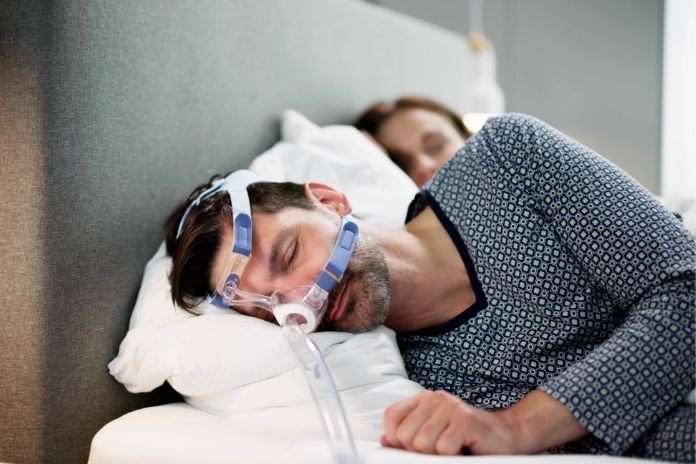
CPAP stands for continuous positive airway pressure. A CPAP machine delivers a gentle, steady stream of pressurized air through a mask worn over the nose or mouth during sleep. That air pressure acts as a splint for the airway, keeping it open so breathing stays uninterrupted throughout the night.
The machine does not breathe for you. It simply maintains enough air pressure to prevent the throat from collapsing. Most people find that it takes a few nights to adjust to wearing the mask, but once they do, many report a significant improvement in how rested they feel in the morning.
What Research Shows About CPAP and Glucose Control
A randomized controlled trial published in the American Journal of Respiratory and Critical Care Medicine found that eight hours of nightly CPAP use for two weeks improved glucose metabolism and insulin sensitivity in people with prediabetes and OSA. Blood sugar control, measured by an oral glucose tolerance test, was significantly better in the CPAP group compared to the placebo group.
The study’s lead author, Dr. Sushmita Pamidi of McGill University, noted that full-night CPAP adherence in people with prediabetes may help lower their risk of progressing to full diabetes.
A separate randomized clinical trial published in the same journal found that 24 weeks of CPAP therapy produced a statistically significant improvement in HbA1c (a measure of long-term blood sugar control) in people with both type 2 diabetes and OSA compared to standard care alone.
It is worth noting that results vary between individuals. CPAP appears most effective when used consistently for a full night. Studies have shown that using the device for only a few hours provides limited metabolic benefit, which is why adherence matters as much as the treatment itself.
Other Benefits of Treatment
Beyond blood sugar improvements, consistent treatment of sleep apnea tends to produce noticeable increases in energy, reduced daytime sleepiness, better mood, and sharper concentration.
For people with diabetes, more energy typically means a greater ability to stay physically active, which further supports blood sugar control. There are also meaningful cardiovascular benefits for people who use CPAP regularly, including reductions in blood pressure.
Lifestyle Changes That Help Both Diabetes and Sleep Apnea
Managing both conditions takes consistent effort, but the good news is that many of the same lifestyle changes support both.
Weight Management and Metabolic Health
Reducing excess body weight is one of the most impactful steps a person can take for both conditions simultaneously. Even a modest reduction in weight can lower OSA severity and improve insulin sensitivity. Focusing on sustainable dietary changes rather than crash dieting tends to produce better long-term results.
Physical Activity and Sleep Quality
Aim for at least 30 minutes of moderate exercise on most days of the week. Walking, cycling, and swimming all improve cardiovascular health, support healthy weight management, and have been shown to improve sleep quality. Regular physical activity also reduces insulin resistance directly, making it one of the most powerful tools available for managing type 2 diabetes.
Sleep Habits That Support Better Rest
Keep your bedroom cool, dark, and quiet to promote restful sleep. Going to bed and waking up at consistent times each day helps regulate your body’s sleep-wake cycle, which can reduce the severity of sleep apnea symptoms and improve overall sleep quality. Avoiding heavy meals and caffeine in the hours before bed also supports more stable overnight rest.
Reduce Alcohol and Smoking
Both alcohol and smoking are modifiable risk factors for obstructive sleep apnea that often go underdiscussed. Alcohol relaxes the throat muscles, making airway collapse more likely during sleep. A meta-analysis found that alcohol consumption is associated with a meaningfully higher risk of sleep apnea, and separate research shows it can increase the number of apnea events per hour in people who already have the condition.
Smoking, meanwhile, causes inflammation and fluid retention in the upper airway, which can narrow the passage and worsen breathing during sleep. For people already managing diabetes and sleep apnea, reducing or eliminating alcohol and quitting smoking removes two obstacles that are working directly against treatment progress.
Seek Support
Connect with others managing sleep apnea and diabetes through support groups or community health programs. Sharing experiences and strategies can provide both practical guidance and emotional support over the long term.
When to Talk to a Doctor About Sleep Apnea
You should consult a doctor if you notice any of the following:
- Snoring with breathing pauses: This is one of the clearest red flags for obstructive sleep apnea.
- Excessive daytime drowsiness: Persistent fatigue that does not improve with more time in bed may indicate an underlying sleep disorder.
- Morning headaches or poor concentration: These are common signs of overnight oxygen disruption.
- Diabetes that remains hard to control: If your blood glucose stays unstable despite following your treatment plan, untreated sleep apnea may be a contributing factor worth investigating.
Read More: Tired but Can’t Sleep at Night? Common Reasons and What Actually Helps
Conclusion
The connection between diabetes and sleep apnea reflects just how deeply sleep is woven into the body’s metabolic processes. Untreated sleep apnea disrupts the hormonal environment that keeps blood sugar stable, promotes insulin resistance, compounds cardiovascular risk, and makes it harder for people with type 2 diabetes to manage their condition effectively.
At the same time, diabetes-related changes in weight, nerve function, and metabolic health can increase the likelihood of developing or worsening sleep-disordered breathing.
Left untreated, this two-way relationship can create a reinforcing cycle of fatigue, poor health outcomes, and reduced quality of life. But that cycle is interruptible. Early recognition of symptoms and an accurate diagnosis are the first steps.
From there, effective treatment combined with sustainable lifestyle changes, including weight management, regular physical activity, and reduced alcohol intake, can meaningfully improve both sleep quality and long-term metabolic health. If you have symptoms of either condition, talking to a doctor is the right move.
Treating sleep apnea may turn out to be one of the most impactful steps you take for your blood sugar control as well.
References
- Mayo Clinic. (December 09, 2025). Sleep apnea.
- UCSF Health. Sleep apnea.
- ResMed. Sleep apnea.
- Marcano, F. The bidirectional link: Exploring the relationship between sleep apnea and diabetes.
- Sleep Better Columbus. (February 28, 2025). Sleep Apnea and Diabetes: Understanding the Double Risk Factor.
- DSRAdmin. (March 7, 2026). Sleep Apnea and Diabetes: Understanding the Connection.
- University of Chicago Medicine. (2015, April 27). Effective sleep apnea treatment lowers diabetes risk.
- Pittsburgh Dental Sleep Medicine. (2024, November 6). Type 2 diabetes and sleep apnea.
- Pamidi S, et al. Eight hours of nightly continuous positive airway pressure treatment of obstructive sleep apnea improves glucose metabolism in patients with prediabetes. Am J Respir Crit Care Med. 2015;192:96–105.
- Kendzerska T, et al. Obstructive sleep apnea and incident diabetes: A historical cohort study. Am J Respir Crit Care Med. 2014.
- CDC. National Diabetes Statistics Report. (January 2026).
- American Heart Association. Sleep Apnea and Heart Disease, Stroke.
In this Article