









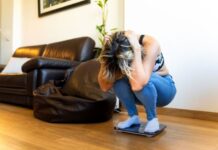







You eat enough fiber. You drink water. You take a laxative when things get bad. And still, every trip to the bathroom feels like a fight you keep losing. For millions of people, that frustrating pattern has nothing to do with diet and everything to do with muscle coordination. Pelvic floor dysfunction constipation is one of the most overlooked reasons bowel movements become slow, painful, and incomplete, and it rarely responds to the standard advice.
The good news is that a non-surgical treatment called biofeedback therapy can retrain the muscles that have stopped working together. Instead of forcing stool out with more fiber or stronger laxatives, biofeedback teaches the body to coordinate the way it was designed to.
This article walks through what pelvic floor dysfunction is, how to recognize when it is behind your constipation, how biofeedback therapy works, what the research shows, how doctors diagnose the problem, and when it is time to see a specialist.
- Pelvic floor dysfunction constipation happens when the muscles around the rectum fail to relax or coordinate during a bowel movement, not because of a poor diet alone.
- Common signs include heavy straining, a sense of incomplete emptying, long stretches on the toilet, and needing manual help to pass stool.
- Biofeedback therapy uses sensors and real-time feedback to retrain these muscles, and clinical trials show it outperforms laxatives for this specific type of constipation.
- Diagnosis relies on anorectal manometry, a balloon expulsion test, and sometimes defecography, so accurate testing matters before treatment begins.
Read More: Pelvic Floor Exercises for Incontinence
What Is Pelvic Floor Dysfunction?
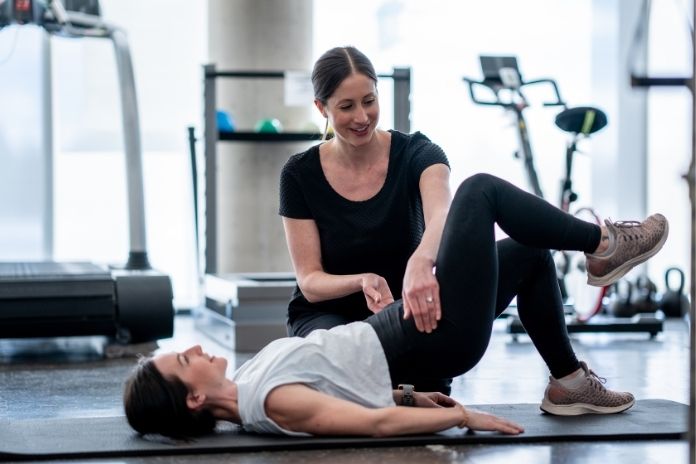
The pelvic floor is a hammock of muscles stretched across the base of your pelvis. These muscles support the bladder, bowel, and reproductive organs, and they quietly do their job every time you move, cough, or sit down. They also play a starring role in something most people never think about: having a normal bowel movement.
The role of the pelvic floor muscles
During a healthy bowel movement, the muscles at the top of the rectum contract to push stool down while the muscles around the anal opening relax to let it out. That coordinated sequence happens automatically. When it works, you barely notice it. When it breaks down, every part of the process becomes harder.
Think of it like driving with one foot on the gas and one on the brake. The abdominal muscles and rectum supply the push, while the pelvic floor and anal sphincter need to release. If both fire at once, the car goes nowhere. Healthy pelvic floor muscle coordination depends on precise timing, and even a small misfire can stall the entire process.
In pelvic floor dysfunction, the muscles either stay too tight or fire in the wrong order. Some people cannot relax the pelvic floor on demand. Others unconsciously clench when they should be releasing. The result is a traffic jam at the exit, no matter how soft the stool or how strong the urge.
Understanding pelvic floor dyssynergia
When the pelvic floor muscles paradoxically contract rather than relax during defecation, doctors call this pelvic floor dyssynergia. Dr. Satish Rao, director of neurogastroenterology and motility at Augusta University, has spent decades studying it.
He notes that familiar remedies fail because they do not address the patient’s underlying issue of regaining the natural rhythm of contracting and relaxing the right muscles. About one-third of people with chronic constipation have this coordination problem.
The dysfunction often develops quietly. Some people trace it back to childhood toilet-training habits. Others develop it after pelvic trauma, surgery, or pregnancy, while many have no identifiable trigger at all. Because the muscles operate below conscious awareness most of the time, people rarely realize they are clenching when they should release. They simply know that something is not working.
Signs Your Constipation May Be Related to Pelvic Floor Dysfunction
Most people assume constipation means infrequent stools. With pelvic floor dysfunction, the bigger clue is the struggle to empty, even when the urge is there, and the stool is soft.
Watch for heavy, repeated straining, a nagging sense that you cannot fully empty your bowels, and long stretches spent on the toilet with little to show for it. These obstructed defecation symptoms point toward a muscle problem rather than a transit problem. Many patients describe feeling blocked at the very last step.
Some people resort to pressing on the perineum or using a finger to help stool pass. This is more common than most patients admit, and it is a strong signal of pelvic floor involvement. If you find yourself doing this regularly, it is worth raising with a clinician.
Fiber and laxatives change the consistency and volume of stool. They do nothing to fix muscles that refuse to relax. That is why constipation despite fiber intake is such a telling sign. Dr. Emanuela Alvarenga, a colorectal surgeon at Cleveland Clinic Florida, explains that pelvic floor training with biofeedback can be very effective for motivated patients with functional dyssynergia.
Because the pelvic floor supports several systems at once, bowel trouble often travels with other complaints. Some patients notice pelvic pressure, urinary urgency or frequency, and in some cases pelvic pain. These overlapping symptoms can make the condition harder to pin down without proper evaluation.
Read More: What Is a Lazy Colon? Causes, Symptoms, and How to Fix It
What Is Biofeedback Therapy?
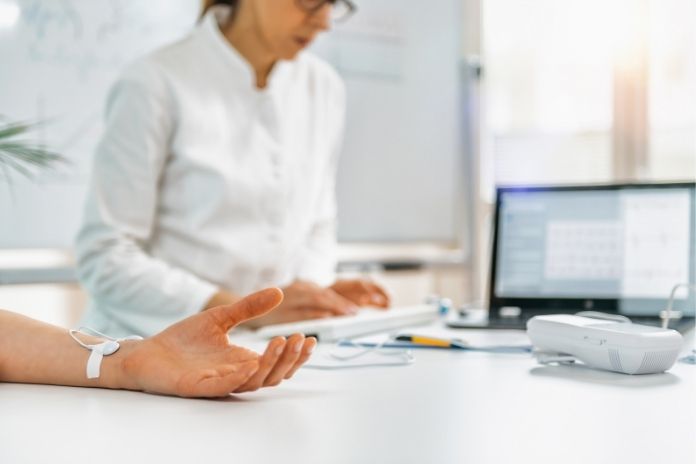
Biofeedback therapy for constipation is a training program, not a procedure. It uses technology to make invisible muscle activity visible so patients can learn to control it.
The aim is to retrain muscle coordination and teach the pelvic floor to relax during a bowel movement. Rather than masking the problem, biofeedback corrects the faulty pattern at its source. Patients essentially relearn a skill their body forgot.
Sensors placed in or near the anal area measure muscle activity. A monitor or audio cue then translates that activity into real-time feedback that the patient can see or hear. When you push correctly, the screen confirms it. When you clench by mistake, you see that too. That instant loop is what drives the learning.
This visual confirmation matters because the pelvic floor gives almost no internal sensory feedback on its own. You cannot feel whether you are relaxing or tightening these muscles the way you can feel a clenched fist. The monitor fills that gap, turning an invisible action into something you can practice and correct, much like watching yourself in a mirror to fix your form at the gym.
Sessions focus on breathing techniques, coordinated pushing, and pelvic floor relaxation exercises. Erika Lydon, PT, DPT, a pelvic floor physical therapist at Cleveland Clinic, describes the approach for patients with outlet problems whose muscles are way too tight, so strengthening would not be appropriate. For those patients, the work is about relaxing and lengthening, not building strength.
This is the part many people get wrong. Kegels and strengthening routines can actually worsen pelvic floor dysfunction and constipation if the muscles are already too tight. Biofeedback emphasizes relaxation and individualized retraining, which is why a one-size-fits-all exercise sheet rarely solves the problem.
How Effective Is Biofeedback Therapy for Constipation?
The evidence here is unusually strong for behavioral therapy, and it consistently favors biofeedback over medication for this specific group of patients.
A randomized controlled trial led by Heymen and colleagues, published in Diseases of the Colon and Rectum, found biofeedback superior to both diazepam and placebo for pelvic floor dyssynergia-type constipation. A separate trial by Chiarioni and colleagues, published in Gastroenterology, reported that biofeedback beat laxatives plus education in patients who had not responded to standard care.
What stands out across these studies is the durability of the benefit. Patients did not just feel better during treatment and then relapse. Many maintained their gains long after the sessions ended, which is rare for any constipation therapy. That staying power is one reason specialists consider biofeedback a first-line option for this diagnosis rather than a last resort.
Slow-transit constipation involves a colon that moves stool too slowly. Pelvic floor dysfunction involves a failure of coordination at the outlet. Because the problems are mechanically different, they respond to different treatments. Biofeedback targets the outlet, which is exactly why it works when laxatives do not.
Results improve with consistency, accurate diagnosis, and attention to any coexisting digestive conditions. A long-term trial by Rao and colleagues, published in The American Journal of Gastroenterology, found that improvements in bowel symptoms held up over a full year, while standard therapy largely did not.
How Doctors Diagnose Pelvic Floor Dysfunction
You cannot treat what you have not correctly identified. Diagnosing pelvic floor dysfunction takes more than a conversation about bathroom habits.
A clinician starts by mapping your symptoms: how long you strain, whether you feel blocked, and what treatments have already failed. Persistent straining despite adequate fiber and fluid intake is a red flag pointing toward the pelvic floor.
A digital rectal exam lets the doctor feel whether the muscles relax or paradoxically tighten when you bear down. It is quick, and it often provides the first concrete clue that coordination is off.
Anorectal manometry measures the pressure and coordination of the rectal and anal muscles. A balloon expulsion test checks whether you can push out a small, water-filled balloon that mimics stool. In selected cases, defecography uses imaging to monitor the muscles and organs as they move during a simulated bowel movement.
These tests do more than confirm a diagnosis. They reveal exactly how the muscles misfire, allowing the therapist to tailor the retraining. A patient who cannot generate enough push needs a different plan than one who pushes hard but cannot relax the outlet. Without this objective picture, treatment becomes guesswork, and that is often why earlier attempts at relief failed.
Irritable bowel syndrome, chronic constipation from other causes, and rectocele can all coexist with or mimic pelvic floor dysfunction. Dr. Deborah Bethards, a gastroenterologist at Penn State Health, points out that the failure of conservative treatment should itself raise suspicion, since a chronic pelvic floor disorder should be considered when no other abnormality turns up.
Read More: 8 Simple Exercises to Relieve Constipation
What to Expect During Pelvic Floor Physical Therapy
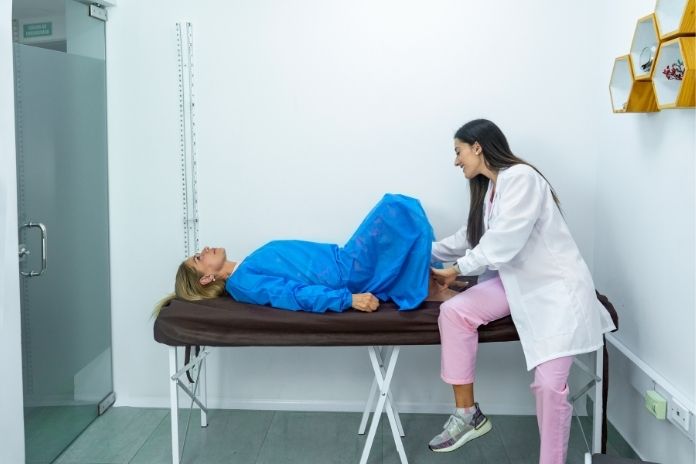
Pelvic floor physical therapy is collaborative, gradual, and tailored to you. It is not a single fix-it visit. Pelvic floor physical therapists complete additional training in this area of the body. They assess not just the pelvic floor but also the hips, spine, breathing, and posture, since all of these influence how the muscles function.
No two plans look alike. A patient with overly tight muscles needs down-training and relaxation work, while someone with weakness may need targeted strengthening. The therapist builds the plan around what the exam actually shows.
Most protocols involve several sessions spread over weeks, with homework between visits. A trial by Rao and colleagues comparing home- and office-based biofeedback found that home-based therapy can be effective, expanding access for patients who live far from a specialty center.
Progress tends to be gradual rather than instant. Early sessions focus on awareness, learning to recognize what relaxing the pelvic floor actually feels like. Later sessions build coordination and confidence. Many therapists schedule follow-ups every couple of weeks so they can adjust the plan as the muscles respond, and the homework between visits is what cements the new pattern into a habit.
Many people delay care because the symptoms feel too private to discuss. Yet these conditions are common. Roughly one in three women and one in five men will face some form of pelvic floor issue, and effective treatment exists. There is no reason to suffer in silence.
Other Treatments That May Be Used Alongside Biofeedback
Biofeedback rarely works in isolation. The best outcomes come from combining muscle retraining with sensible daily habits. Adequate fiber and fluids still matter, but they are supporting players here, not the cure. The goal is soft, well-formed stool that the retrained muscles can pass without a struggle.
There is also a catch worth knowing. In some patients with a nonrelaxing pelvic floor, piling on extra fiber can backfire, producing more bulk that the uncoordinated muscles still cannot move. That extra volume may worsen bloating and cramping. This is exactly why fiber alone so often disappoints in this group, and why retraining the muscles has to be part of the plan.
Simple changes help. Elevating the feet on a small stool straightens the angle of the rectum and makes passage easier. Responding to the urge promptly, rather than holding it, also keeps the system working smoothly.
Timing matters too. The body’s natural urge to move the bowels is strongest after meals, when the gut reflex kicks in. Setting aside a few unhurried minutes after breakfast can work with that rhythm rather than against it. Rushing or straining on the toilet, by contrast, trains the very muscles you are trying to relax to tense up instead.
Stress tightens muscles, including the pelvic floor. Breathing exercises, relaxation practices, and sometimes counseling can reduce clenching that worsens symptoms. The mind-muscle connection is real in this part of the body.
Chronic stress can keep the pelvic floor in a low-grade state of contraction without you ever noticing. Diaphragmatic breathing, where the belly expands on the inhale, gently encourages the pelvic floor to drop and release. Practicing it daily, not just on the toilet, helps reset the resting tone of these muscles over time.
Laxatives are not the enemy. Used thoughtfully and in the short term, they can ease the load while the muscles relearn their job. The key is treating them as a bridge, not a permanent solution.
Read More: Proven Constipation Home Remedies
When to See a Doctor About Chronic Constipation
Some constipation is a minor nuisance. Some is a warning sign. Knowing the difference protects your health.
Seek prompt care if you notice blood in the stool, unexplained weight loss, severe abdominal pain, or new constipation after age 50. These symptoms can indicate conditions that require urgent attention and should never be brushed off.
If you strain persistently despite treatment, feel blocked during bowel movements, or rely on manual assistance, the pelvic floor is a likely culprit. These patterns warrant a referral to a specialist who can perform the right tests.
Conclusion
Pelvic floor dysfunction constipation is a common but frequently missed cause of chronic bowel trouble, and it explains why so many people stay constipated no matter how much fiber they eat. The problem lies in muscle coordination, not just digestion, and that distinction changes everything about treatment.
Biofeedback therapy offers a clear, evidence-backed path forward. Retraining the muscles to relax and coordinate addresses the root of the problem rather than masking it, and clinical trials consistently show it outperforms laxatives for this type of constipation.
If you have struggled with persistent straining, a sense of incomplete emptying, or constipation that ignores every standard remedy, talk to a healthcare professional about pelvic floor evaluation. The right diagnosis opens the door to a treatment that actually works.
References
- Chiarioni, G., Whitehead, W. E., Pezza, V., Morelli, A., & Bassotti, G. (2006). Biofeedback is superior to laxatives for normal transit constipation due to pelvic floor dyssynergia. Gastroenterology, 130(3), 657-664.
- Heymen, S., Scarlett, Y., Jones, K., Ringel, Y., Drossman, D., & Whitehead, W. E. (2007). Randomized, controlled trial shows biofeedback to be superior to alternative treatments for patients with pelvic floor dyssynergia-type constipation. Diseases of the Colon and Rectum, 50(4), 428-441.
- Rao, S. S., Valestin, J., Brown, C. K., Zimmerman, B., & Schulze, K. (2010). Long-term efficacy of biofeedback therapy for dyssynergic defecation: Randomized controlled trial. The American Journal of Gastroenterology, 105(4), 890-896.
- Rao, S. S. C., Valestin, J. A., Xiang, X., Hamdy, S., Bradley, C. S., & Zimmerman, M. B. (2018). Home-based versus office-based biofeedback therapy for constipation with dyssynergic defecation: A randomised controlled trial. The Lancet Gastroenterology and Hepatology, 3(11), 768-777.
- Cleveland Clinic. (n.d.). Pelvic floor dysfunction. Cleveland Clinic.
- Rao, S. S. C., Patcharatrakul, T., & Bharucha, A. E. (2018). Diagnosis and management of chronic constipation in adults. Nature Reviews Gastroenterology & Hepatology, 15(10), 595–609.
- Colon & Rectal Surgical Specialists of Greater Hartford. (n.d.). The link between chronic constipation and pelvic floor dysfunction.
- Root to Rise Physical Therapy. (n.d.). Constipation and pelvic floor dysfunction.
- Mayo Clinic Staff. (n.d.). Constipation: Symptoms and causes. Mayo Clinic.
- Ubie Health. (n.d.). Can a tight pelvic floor cause constipation? Understanding the gut-pelvic floor connection. Ubie Health.
- Elektra Health. (n.d.). Pelvic floor dysfunction and constipation: What’s the connection? Elektra Health.
- Norman Urology Associates. (n.d.). 4 signs of a pelvic floor issue. Norman Urology Associates.
In this Article