













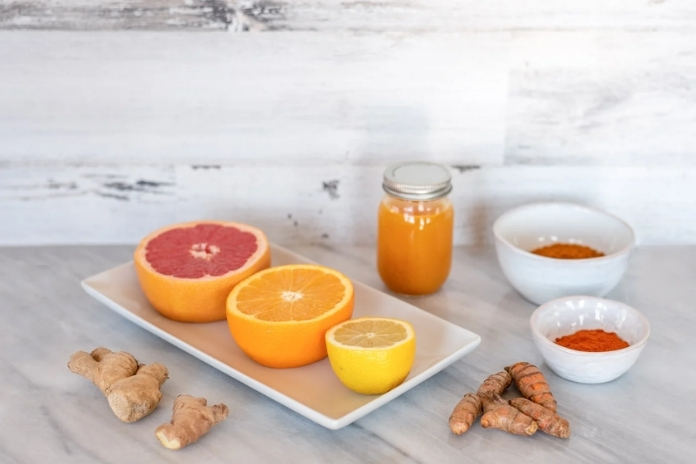
Wellness shots and immune system products have become one of the fastest-growing categories in functional foods. Small bottles filled with ginger, turmeric, lemon, cayenne, and different herbs are now sold everywhere from supermarkets to gyms and airport cafes. Most are marketed with very direct claims: immune support, detox, inflammation control, and daily protection.
The question people actually want answered is simple. Do immunity shots work or not? The answer is more complicated than brand marketing makes it sound. But also more interesting than internet skeptics sometimes admit.
Most wellness shots contain ingredients that genuinely have anti-inflammatory or antioxidant research behind them. Ginger’s anti-inflammatory effects are well documented. Vitamin C’s immune function has decades of research. Curcumin from turmeric also has strong data behind it. But the issue is not whether these ingredients work in general.
The issue is dose, absorption, and whether one small 30 ml shot can deliver enough to matter biologically. This article looks at what science actually supports, where the wellness shot placebo effect probably plays a role, and which ingredients have stronger evidence than others.
- Wellness shots contain ingredients like ginger, turmeric, citrus, and sometimes elderberry or apple cider vinegar that have real anti-inflammatory and antioxidant properties supported by research.
- But whether a small 30ml shot delivers enough of those compounds to create measurable immune effects is less clear.
- The ingredients themselves work. The bigger question is whether the dose inside one tiny shot is enough to produce a meaningful clinical benefit consistently.
Read More: How to Turn Your Favorite Cheat Meal Into a Heart-Healthy, Immune-Boosting Dish
What Is Actually in a Wellness Shot and What Is Not
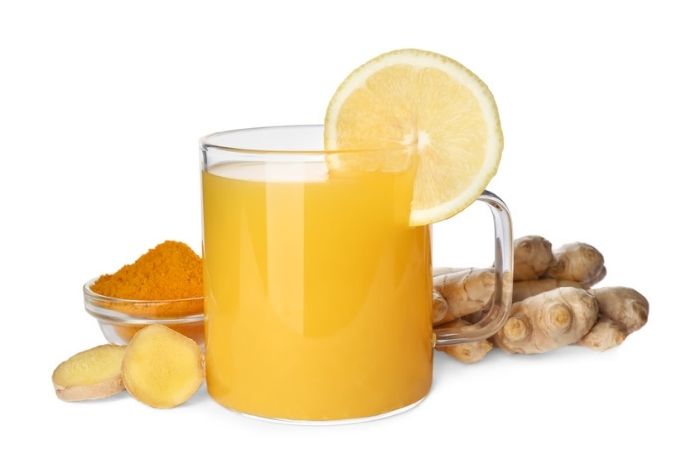
Most commercial wellness shots contain some combination of ginger juice, turmeric, citrus juice, apple cider vinegar wellness shot blends, black pepper, cayenne pepper, and sometimes elderberry extract or zinc. Some also include probiotics or herbal powders, but usually in small amounts.
The most evidence-supported ingredient in many shots is actually ginger. Turmeric wellness shot benefits get most attention in marketing, but turmeric has one major problem: curcumin bioavailability.
This is important because research on ginger, turmeric, elderberry immune evidence, and vitamin C immune function usually comes from controlled trials using measured doses for days or weeks. Not from one tiny shot taken randomly a few times per week.
People sometimes assume that if an ingredient is healthy, a concentrated version must be more effective automatically. But nutrition does not always work like that. A 30ml shot sounds powerful because it burns the throat and tastes intense. That sensory experience often gets mistaken for a stronger biological effect. Dose-response matters more than dramatic taste.
Ginger: The Ingredient With the Most Consistent Evidence
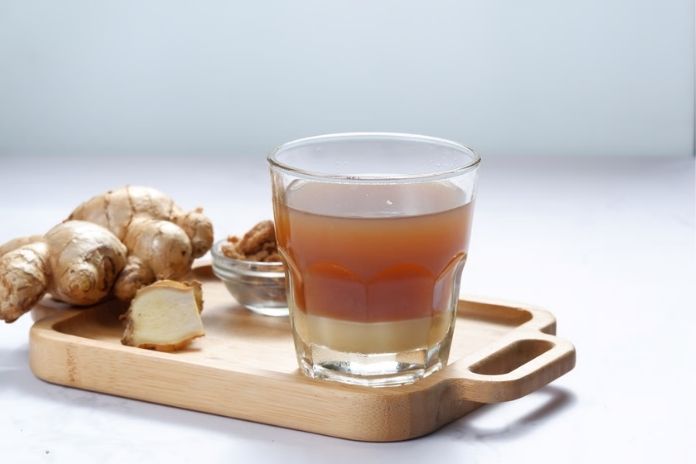
Among all ingredients used in antioxidant shots, ginger probably has the most realistic evidence-to-dose relationship. Ginger contains gingerol, a biologically active compound with anti-inflammatory and antioxidant effects.
Research over the last several years has repeatedly shown that ginger compounds can influence inflammatory signaling pathways inside immune cells. A 2024 review in Frontiers in Immunology discussed how gingerol’s anti-inflammatory actions may help regulate inflammatory responses rather than simply “boosting” immunity in a vague way.
That difference matters because immune health is not only about increasing immune activity. Sometimes, excessive inflammation itself becomes harmful. A 2025 triple-blind randomised controlled trial in Scientific Reports compared turmeric and ginger in COVID-19 outpatients.
Researchers looked at inflammatory biomarkers because excessive inflammation worsens viral illness outcomes. The ginger group showed measurable improvements in some inflammatory markers.
What makes ginger interesting for wellness shots and immune system discussions is the dosage. Many ginger studies use around 1 to 4 grams daily. A fresh ginger shot often contains roughly 2 to 5 grams of ginger juice or root equivalent. That means ginger shots may actually fall somewhere near the studied intake ranges.
“Fresh ginger can be spicy when consumed,” says registered dietitian Candace O’Neill, RD, LDN. “So, normally, other beverages are added in to make it more palatable and to prevent gastric reflux.” Not every ingredient in wellness shots can say that.
Also, ginger is chemically stable enough that fresh homemade preparation still retains meaningful gingerol content. That gives homemade ginger shot immune system recipes more plausibility than some heavily processed commercial products sitting on shelves for weeks.
Turmeric: The Bioavailability Problem
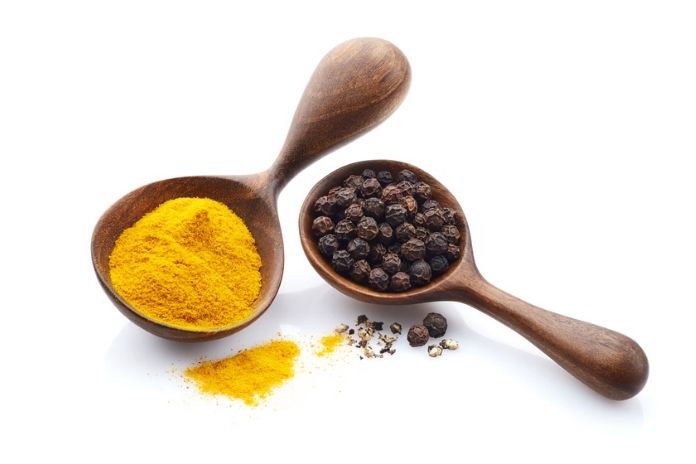
Turmeric is probably the most overmarketed ingredient in wellness shots. “Curcumin has many biological activities, not all of which are understood,” Mary-Eve Brown, R.D.N., says. Turmeric wellness shot benefits sound impressive because curcumin, turmeric’s main active compound, has extensive anti-inflammatory and antioxidant research behind it.
But there is one major issue many wellness brands barely mention: curcumin bioavailability is extremely poor. When curcumin is consumed alone, very little actually reaches the bloodstream. The body breaks much of it down rapidly in the gut and liver before systemic absorption happens. This is where piperine curcumin absorption becomes important.
Piperine, the active compound in black pepper, increases curcumin bioavailability dramatically by slowing its breakdown in the digestive system. Some studies suggest absorption increases up to 2,000%. So black pepper in turmeric shots is not decoration or flavor balancing. It changes whether curcumin becomes biologically useful at all.
Many commercial shots still do not include meaningful piperine. Some contain tiny symbolic amounts, mainly for marketing labels. Another issue is dosage. Clinical turmeric studies often use standardized extracts providing 500 mg to 2,000 mg of curcumin daily.
A small turmeric shot usually delivers much less actual curcumin than that. This does not mean turmeric shots are useless. But people should understand the difference between “contains turmeric” and “contains clinically meaningful curcumin dose.” Regular intake over time probably matters more than occasional high-intensity shots during the cold season.
Vitamin C and Citrus: Real Benefits, Realistic Expectations
Vitamin C is one of the most researched nutrients connected with immune function. Unlike many trendy wellness ingredients, its role in immune cell activity is very well established. Vitamin C helps support white blood cell function, protects immune cells from oxidative damage, and participates in multiple immune signalling pathways.
People often oversimplify it into “cold prevention vitamin,” but its biological role is much broader. A meta-analysis covering 29 trials found regular vitamin C supplementation around 200 mg daily reduced common cold duration modestly, roughly 14% in adults and higher in children. Now compare that with most wellness shots.
A typical citrus-based shot may contain around 20 to 60 mg of vitamin C, depending on ingredients and preparation. That is helpful nutritionally. But it is not equal to the doses used in many supplementation studies. This is where marketing becomes misleading sometimes. Citrus in wellness shots contributes to vitamin C intake.
It does not suddenly create infection-proof immunity. Also, there is a difference between correcting a deficiency and enhancing already normal immune function. Someone deficient in vitamin C may notice a stronger effect from increased intake compared with someone already eating fruit and vegetables regularly.
Whole food vs supplement shot discussions also matter here. Eating citrus fruits regularly alongside vegetables usually delivers more fiber, more stable nutrient intake, and higher overall vitamin C exposure than relying on occasional immunity shots.
Apple Cider Vinegar, Cayenne, and Other Common Additions
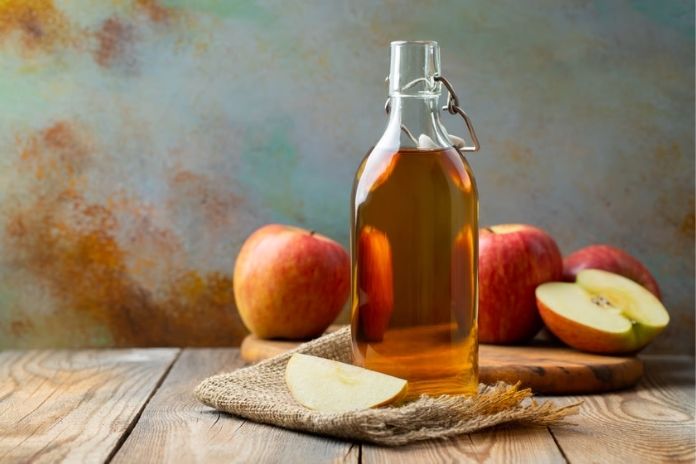
Apple cider vinegar wellness shot formulas are now everywhere. But actual immune evidence for ACV remains limited. Most good research on apple cider vinegar focuses on blood sugar regulation. Acetic acid slows stomach emptying and carbohydrate absorption somewhat. That may help glucose control after meals. But direct immune-boosting evidence is weak.
Still, many users feel ACV shots “work.” Part of that may be the wellness shot placebo effect mixed with a strong sensory experience. Sour taste, throat burn, and stomach warmth create a feeling: something powerful happened physiologically. Cayenne pepper works similarly in many shots.
Capsaicin has some anti-inflammatory and pain-related research behind it. But quantities used in most wellness shots are probably too low for major systemic anti-inflammatory effects. Again, sensation matters psychologically. A burning throat often gets interpreted as effectiveness. Elderberry immune evidence is more interesting scientifically.
A 2016 randomized controlled trial found elderberry extract reduced cold duration in air travelers. But most commercial wellness shots contain very small amounts of elderberry, often far below studied doses. Dedicated elderberry syrups or supplements likely provide more meaningful exposure than tiny amounts hidden inside mixed-ingredient shots.
Read More: Turkey Tail Mushroom Benefits: Immune Support, Gut Health, and What the Science Says
The Honest Verdict: What Wellness Shots Can and Cannot Do
Wellness shots are not fake. But they are also not immune system magic. The best way to describe them honestly is this: they are concentrated delivery systems for ingredients with genuine biological activity, but not always in doses large enough to create strong measurable clinical effects.
Ginger is probably the strongest performer because many shots contain realistic amounts. Turmeric has stronger limitations because curcumin bioavailability is poor without piperine. Vitamin C contributes to useful intake, but usually not at therapeutic doses. Elderberry depends heavily on concentration and preparation quality.
What wellness shots cannot do is equally important. They cannot prevent infections reliably. They cannot replace sleep deprivation recovery. They cannot compensate for chronic stress, smoking, alcohol excess, or nutrient-poor diets. No antioxidant shots can outperform long-term lifestyle patterns.
Immune function depends heavily on sleep quality, protein intake, physical activity, stress hormones, and overall nutritional adequacy. Those factors consistently produce larger measurable immune effects than any single food product.
Still, wellness shots can plausibly contribute to daily anti-inflammatory and antioxidant intake, especially when made with fresh ginger, citrus, turmeric, and black pepper. The problem is not the ingredients. The problem is exaggerated expectations around tiny doses and dramatic marketing language.
Making Your Own vs Buying Commercial: What the Evidence Supports
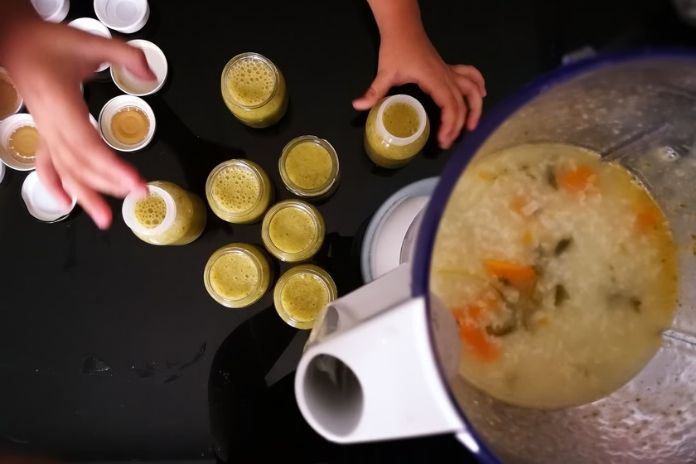
Homemade wellness shots usually make more nutritional sense than commercial bottled versions. Fresh ginger retains more gingerol than processed extracts stored long-term. Homemade turmeric shots can include proper piperine curcumin absorption support by adding black pepper.
Homemade versions avoid added sugars, preservatives, and stabilizers found in many commercial products. Commercial shots often rely heavily on branding language like “immune defence” or “daily protection.” But many are regulated as foods, not medicines. That means evidence standards for claims are lower.
Reading the ingredient list matters more than the front label promises. One practical thing many people miss: fresh ingredients oxidize fast after juicing. So even homemade shots should ideally be consumed fresh rather than stored for many days.
Read More: Here’s How Gliotoxin Can Cripple the Immune System, New Study Suggests
Conclusion
Wellness shots do contain ingredients with genuine scientific support behind them. Ginger, turmeric, citrus, and elderberry all have research connected with inflammation or immune-related pathways. But evidence for the shot format itself is more limited than evidence for individual ingredients used in controlled doses. They are best viewed as reasonably low-risk additions to a healthy diet, not a replacement for one. Fresh ingredients, black pepper with turmeric, and regular intake matter more than expensive branding.
- Ginger has the strongest evidence among wellness shot ingredients because many shots contain doses close to the studied ranges.
- Turmeric wellness shot benefits depend heavily on piperine curcumin absorption. Without black pepper, much curcumin may never get absorbed properly.
- Wellness shots support immune health indirectly through anti-inflammatory and antioxidant compounds. They do not “boost immunity” in a magical way.
- Whole food vs supplement shot nutrition still matters. A balanced diet produces more measurable immune effects than relying only on concentrated shots.
- One major research gap still exists; very few long-term studies examine actual clinical outcomes from commercial wellness shots specifically. Most evidence comes from isolated ingredients studied separately.
FAQs
1. Do wellness shots really boost your immune system?
Wellness shots may support immune function modestly but do not provide strong, standalone immune-boosting effects. Ingredients like ginger, vitamin C, and turmeric have biological activity, yet small serving sizes limit impact. Consistent diet matters more.
2. When is the best time to take a wellness shot?
There is no single best time to take a wellness shot for effectiveness. Morning use is common, but benefits depend more on consistency. Ginger may aid digestion before meals, while turmeric absorption improves when consumed with dietary fat.
3. Can wellness shots replace vitamins or supplements?
No, wellness shots cannot replace essential vitamins or medically prescribed supplements. They provide limited nutrients and variable active compounds. Deficiencies like vitamin D or iron still require targeted supplementation, as shots function as supportive foods rather than therapeutic nutrition.
4. Are homemade wellness shots better than commercial ones?
Yes, homemade wellness shots are often better due to fresher ingredients and higher active compound content. Fresh ginger retains more gingerol, and adding black pepper improves curcumin absorption. Commercial shots may include preservatives, sugars, or reduced potency from processing.
5. Why do wellness shots feel powerful immediately?
Wellness shots feel powerful immediately, mainly due to strong sensory stimulation rather than instant biological effects. Ingredients like ginger, cayenne, and vinegar create burning and warming sensations. These responses can mimic effectiveness, though true immune changes take consistent intake over time.
References
- Anh, N. H., Kim, S. J., Long, N. P., Min, J. E., Yoon, Y. C., Lee, E. G., Kim, M., Kim, T. J., Yang, Y. Y., Son, E. Y., Yoon, S. J., Diem, N. C., Kim, H. M., & Kwon, S. W. (2020). Ginger on Human Health: A Comprehensive Systematic Review of 109 Randomized Controlled Trials. Nutrients, 12(1), 157.
- Daily, J. W., Yang, M., & Park, S. (2016). Efficacy of turmeric extracts and curcumin for alleviating the symptoms of joint arthritis: A systematic review and meta-analysis of randomized clinical trials. Journal of Medicinal Food, 19(8), 717–729.
- Hemilä, H., & Chalker, E. (2023). Vitamin C reduces the severity of common colds: a meta-analysis. BMC Public Health, 23(1), 1–13.
- Pázmándi, K., Gábor Szöllősi, A., & Fekete, T. (2024). The “root” causes behind the anti-inflammatory actions of ginger compounds in immune cells. Frontiers in Immunology, 15.
- Saleh, Z., Asgari, M. R., Ghorbani, R., & Babamohamadi, H. (2025). A Triple-blind randomized controlled trial on the effects of turmeric versus ginger on inflammatory biomarkers in patients with COVID-19. Scientific Reports, 15(1).
- Shoba, G., Joy, D., Joseph, T., Majeed, M., Rajendran, R., & Srinivas, P. S. (1998). Influence of piperine on the pharmacokinetics of curcumin in animals and human volunteers. Planta Medica, 64(4), 353–356.
- Tiralongo, E., Wee, S., & Lea, R. (2016). Elderberry Supplementation Reduces Cold Duration and Symptoms in Air-Travellers: A Randomized, Double-Blind Placebo-Controlled Clinical Trial. Nutrients, 8(4), 182.
In this Article