
















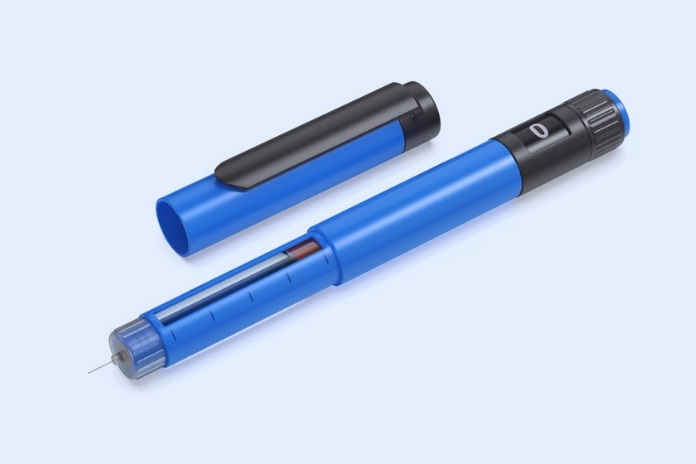
Most people taking Ozempic or Mounjaro are quietly asking the same question: what happens when I stop? Will the benefits disappear, or will some stick around? And most importantly: how do I safely stop taking Mounjaro and Ozempic?
This is not a rare situation. Real-world data shows that roughly half of all patients stop GLP-1 medications within 12 months of starting.
Cost is the leading reason: a Cleveland Clinic study found that nearly half of patients who stopped semaglutide or tirzepatide for obesity cited financial barriers, including insurance denial or unaffordable out-of-pocket costs, as the primary driver.
Side effects, supply shortages, and simply reaching a weight goal round out the list.
For many Americans, stopping is not a choice but a financial necessity. Insurance coverage for these drugs remains inconsistent, and without coverage, a month’s supply can exceed $1,000. If you’re stopping because of cost, your doctor may be able to help you explore manufacturer savings programs or alternative medications.
But for people with type 2 diabetes, stopping is not only about weight coming back. Blood sugar control can change quickly, and sometimes dangerously.
This article explains what the trials actually found, whether blood sugar goes up after stopping semaglutide and Mounjaro, how tapering compares to stopping abruptly, and what practical steps help protect your health after you stop.
Start with what these medications are actually doing inside your body. Understanding the mechanism explains everything that follows.
- Stopping Ozempic or Mounjaro triggers a real GLP-1 discontinuation rebound: blood sugar, weight, and other metabolic markers rise again.
- These drugs provide temporary support, not a permanent fix.
- You can stop suddenly without a withdrawal syndrome, but having a transition plan, covering medication, monitoring, and lifestyle, makes a meaningful difference.
- Always involve your doctor before stopping, especially if you have type 2 diabetes.
What Ozempic and Mounjaro Are Actually Doing in Your Body
The Mechanism: Why Stopping Reverses the Benefits
Semaglutide (Ozempic) and tirzepatide (Mounjaro) work by mimicking hormones your body already makes, primarily GLP-1. Think of GLP-1 as a metabolic traffic controller: it signals the pancreas to release insulin when blood sugar is high, lowers glucagon, slows stomach emptying, and reduces hunger signals.
A quick note on a term you’ll see throughout this article: HbA1c is a blood test that reflects your average blood sugar over the past two to three months. It’s the standard measure doctors use to track diabetes control. A normal HbA1c is below 5.7%; prediabetes falls between 5.7% and 6.4%; type 2 diabetes is 6.5% or higher.
The blood sugar effects of stopping tirzepatide go one step further. Mounjaro also acts on the GIP receptor, a dual mechanism that delivers stronger HbA1c reductions, more weight loss, and stronger appetite suppression than semaglutide alone.
One important thing many people miss: these medications are not fixing the root problem. They are supporting the body externally. For people with diabetes, the insulin response is weak or delayed. These drugs improve that, but only while present in the bloodstream. Once drug levels fall, that support disappears.
As Dr. Fatima Cody Stanford, an obesity medicine physician at Harvard Medical School, explains about patients who stopped GLP-1 medications: those switched to placebo start to regain in that central region, particularly around key organs where fatty liver disease develops.
The simple takeaway: these drugs are borrowed metabolism. When you stop, your body returns to its own baseline. Reversal is not a sign that something went wrong. The underlying condition is still there.
What the Clinical Trials Found When People Stopped
1. The STEP-10 and SURMOUNT-4 Trial Data: The Blood Sugar Picture
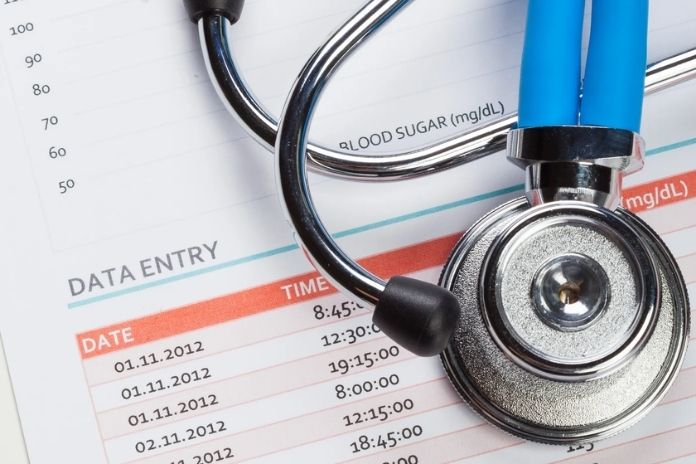
Two major trials provide the clearest picture: STEP-10 for semaglutide cessation and its effects on glycemic control, and SURMOUNT-4 for tirzepatide discontinuation and its HbA1c effects.
In both, patients were first treated successfully, then the medication was stopped. The pattern across both studies is consistent: metabolic rebound happens across the board.
- HbA1c climbs back up
- Fasting glucose increases
- Cholesterol and triglycerides worsen
- Blood pressure trends upward
This GLP-1 rebound blood glucose effect happens faster in people with type 2 diabetes than in people using the drug only for weight loss.
In STEP-10, HbA1c moved back toward baseline within months of stopping semaglutide. Weight regain also started quickly: more than 40% of lost weight returned within roughly six to seven months.
In SURMOUNT-4, the story was similar but more pronounced. A post-hoc analysis published in JAMA Internal Medicine in 2026 confirmed that most adults who had tirzepatide withdrawn regained over 25% of their lost weight within one year, with accompanying reversal of HbA1c, blood pressure, triglycerides, and fasting glucose improvements.
The key point: benefits do not fade gradually over years. They reverse in months.
For people with established heart disease or cardiovascular risk factors, stopping semaglutide may carry an additional consideration. The SELECT trial found that semaglutide reduced major cardiovascular events, heart attack, stroke, and cardiovascular death, by 20% in people with obesity and existing heart disease. Stopping the medication likely removes that protective effect.
If you have a history of heart disease or heart failure, discuss this risk directly with your cardiologist before stopping.
2. The Weight Rebound Timeline: How Fast It Happens
A January 2026 meta-analysis of 37 studies and 9,341 adults, published in The BMJ, found that people regain about 0.4 kg per month after stopping GLP-1 drugs overall. For newer drugs like semaglutide and tirzepatide specifically, the rate was nearly double: 0.8 kg per month. At that pace, most people return to near their baseline weight within 1.5 years.
3. The More Hopeful Real-World Picture
Clinical trials show a worst-case scenario because participants stop everything at once under controlled conditions. Real life looks different.
A March 2026 Cleveland Clinic study of nearly 8,000 patients found that many people who stopped semaglutide or tirzepatide in real-world clinical practice did not regain nearly as much as trials predicted. Why? Because they did not simply stop.
- Some restarted the same medication when coverage or supply allowed
- Some switched to an alternative obesity or diabetes medication
- Some engaged with structured lifestyle support through a dietitian or exercise program
- A smaller group stopped all care entirely — and that group showed the fastest and most complete rebound
Lead researcher Dr. Hamlet Gasoyan noted that the gap between trial outcomes and real-world outcomes reflects the flexibility patients and clinicians have to adjust treatment dynamically: something controlled trials cannot replicate by design.
The clear takeaway: what you do after stopping matters as much as the decision to stop itself.
Stopping Ozempic vs. Mounjaro: Is There a Difference?
The Drug-Specific Nuances Worth Knowing
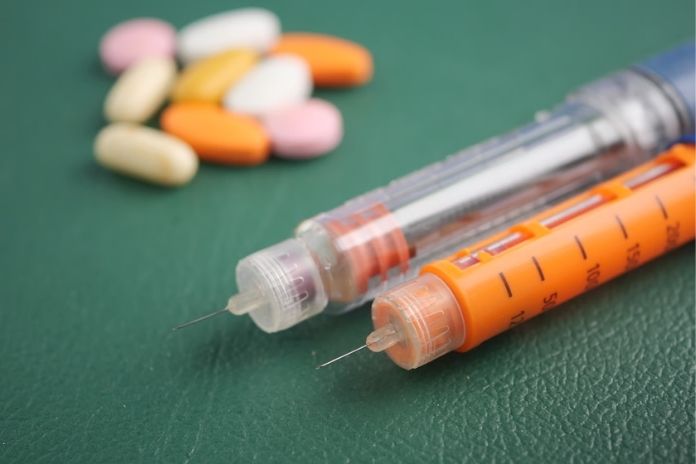
Discontinuing semaglutide effects and discontinuing tirzepatide effects follow a similar pattern overall. Blood sugar rises, weight regain starts. But there are some nuances worth knowing.
Tirzepatide’s dual GIP/GLP-1 action produces stronger metabolic effects while you are on it. That means the rebound in some markers — including appetite, heart rate, HDL cholesterol, and blood sugar — can feel more pronounced when it stops.
Both drugs have a half-life of roughly one week, meaning the drug stays active in the body for some time after the last dose. Most of the drug clears in four to five weeks, but changes begin earlier. Many patients notice increased appetite or blood sugar shifts within two to three weeks of stopping.
For people with type 2 diabetes, the direction is the same for both drugs: glycemic control worsens. How much and how fast varies significantly from person to person based on disease stage and what other medications are in place.
Read More: Foods That Worsen Ozempic Side Effects, and What to Eat Instead
Should You Taper, or Is Stopping Abruptly Safe?
What the Evidence Says About the Off-Ramp Question
Many people wonder whether they can taper off Ozempic instead of stopping abruptly. Technically, you can stop these drugs suddenly. Unlike steroids or antidepressants, they do not cause a physiological withdrawal syndrome. But the practical question is different.
Early data presented at the 2024 European Congress on Obesity found that tapering semaglutide over nine weeks — while simultaneously coaching patients on diet and exercise — led to stable body weight six months after stopping, compared to abrupt discontinuation. One analysis by the American Pharmacists Association similarly found that people who reduced the dose gradually had more stable weight outcomes afterward.
Doctors observe something clinically relevant: hunger comes back harder when stopping suddenly. “What the medicine is doing is it’s actually changing those appetite signals, but when you don’t have that medicine on board, then your body goes back to its default state,” says Dr. Meera Shah, an endocrinologist at Mayo Clinic. Tapering slows that transition.
That said, this remains early evidence. No formal guideline yet mandates tapering. For people with type 2 diabetes specifically, what matters most is not the taper itself but immediate blood sugar monitoring after stopping. Glucose can rise within days.
Best approach: discuss with your doctor rather than deciding on your own.
Read More: GLP-1 Medications vs. Bariatric Surgery: Which Is Right for You?
What to Do After Stopping: The Practical Framework
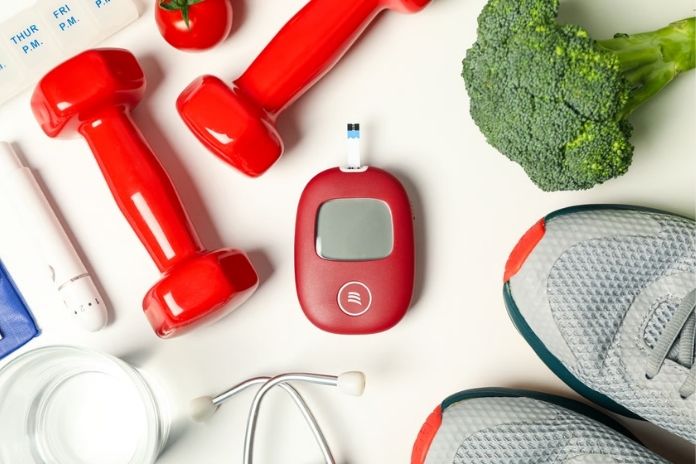
1. For People With Type 2 Diabetes: Blood Sugar Management After GLP-1s
Stopping a GLP-1 without a blood sugar management plan is one of the most common clinical mistakes in diabetes care. Before you stop:
- Talk to your doctor or endocrinologist first. Never stop unilaterally, especially if your diabetes is primarily managed through semaglutide or tirzepatide.
- Discuss whether a bridge medication is needed. Metformin, SGLT2 inhibitors, and DPP-4 inhibitors are commonly used to maintain glycemic control after stopping.
Questions to ask your doctor before stopping: “Will my blood sugar be safe without this medication?” “Do I need to start or adjust another diabetes drug?” “How often should I check my blood sugar in the first month?” “When should I repeat my HbA1c?” These questions give your doctor the context to build a real transition plan.
After stopping:
- Check blood sugar more frequently, daily or several times per week, for at least the first four weeks.
- Watch for rising fasting glucose.
- Repeat your HbA1c at eight to twelve weeks after stopping to assess how much control has shifted.
Some patients need medication adjustment quickly. Waiting too long can worsen control.
2. For People Using GLP-1s Primarily for Weight Loss
The main concern here is appetite return. Real-world data from Cleveland Clinic identified four paths people take after stopping:
- Restart the same medication when supply or coverage allows
- Switch to an alternative obesity medication
- Engage a structured diet or exercise program with a healthcare professional
- Do nothing
The fourth group had the fastest and most complete rebound. Stopping the drug does not have to mean stopping all care.
3. Lifestyle Habits That Slow the Rebound
After stopping, the body loses the appetite control that GLP-1 medications provided. Habits have to partially fill that gap.
- A protein-rich diet helps control hunger and preserves lean tissue.
- Resistance training preserves muscle mass. Fat tends to return faster than muscle, so protecting muscle matters.
- Fixed meal timing partially replicates the slower gastric emptying effect of GLP-1 medications.
- Regular monitoring of weight, blood sugar, cholesterol, and blood pressure lets you and your doctor respond before things drift too far.
These steps do not fully replace the drug effect, but they meaningfully slow the pace of GLP-1 discontinuation rebound.
Stopping a medication tied to significant weight change can also carry emotional weight. It is normal to feel anxious about regain, frustrated by hunger returning, or uncertain about your body.
If you notice those feelings becoming persistent or affecting your daily life, consider talking to a therapist or counselor who works with weight and body image. You are not failing. You are navigating a genuinely hard transition.
Read More: Beyond Weight Loss: GLP-1 Benefits for Heart Disease and Diabetes Prevention
Conclusion
Stopping Ozempic or Mounjaro is not a neutral event. Blood sugar rises, weight comes back, and markers like cholesterol and blood pressure shift as well. For people taking semaglutide for stopping Ozempic and type 2 diabetes management, these changes can start within days.
But this is not failure. It is expected biology. These drugs control a chronic condition; they do not cure it.
The real difference comes from what happens next. Patients who stop with a plan, switching medications, monitoring closely, following structured lifestyle support, or eventually restarting, do meaningfully better than those who stop without one.
Researchers are actively working to define what a standardized GLP-1 off-ramp strategy should look like. One that combines gradual dose reduction, bridge medications, and lifestyle coaching into a structured protocol. That work is ongoing, and there is currently no universal guideline. Until there is, a personalized plan built with your doctor is the best available approach.
The most important step is simple: do not stop without talking to your doctor first.
- GLP-1 drugs do not cure diabetes; they control it while you take them, so stopping leads to reversal.
- The GLP-1 discontinuation rebound on blood glucose can happen faster than weight regain, sometimes within weeks.
- Tapering may help reduce the hunger rebound, but strong evidence is still limited.
- Real-world outcomes after stopping are better than trial data suggests, because most patients adjust their care rather than stopping everything.
- No standardized GLP-1 off-ramp strategy yet exists, making personalized planning with your doctor essential.
FAQs
1. What happens to blood sugar when you stop Ozempic?
Blood sugar generally rises back toward pre-treatment levels. This can begin within days to weeks, especially without an alternative medication in place. People with type 2 diabetes should increase home monitoring immediately after stopping.
2. Can I stop Mounjaro suddenly?
Yes, there is no physiological withdrawal syndrome with tirzepatide. But stopping tirzepatide blood sugar management without a plan means appetite and blood glucose can rebound quickly. Talk to your doctor about a transition strategy before stopping.
3. Does tapering Ozempic prevent weight gain?
It may slow the rate of weight regain after stopping GLP-1 medications, but it does not prevent it completely. The best available evidence suggests tapering helps most when paired with structured lifestyle coaching. Evidence remains preliminary.
4. How long does it take for Ozempic to leave the body?
Around four to five weeks for most of the drug to clear, but effects on appetite and blood sugar often begin shifting within two to three weeks of the last dose.
5. What is the best alternative after stopping GLP-1 drugs?
It depends on why you were taking the drug. For type 2 diabetes, metformin, SGLT2 inhibitors, or DPP-4 inhibitors are commonly used bridges. For weight management, your doctor may recommend a different obesity medication or a structured lifestyle program. There is no single right answer.
6. Can I restart Ozempic or Mounjaro after stopping?
Yes. Restarting is common and medically safe. The Cleveland Clinic real-world study found that many patients who stopped did restart, and those who did had far better weight outcomes than those who did not. If you stopped because of cost or supply issues and those barriers ease, restarting is a reasonable option to discuss with your doctor.
7. Will I gain back all the weight I lost?
Not necessarily, and not automatically. Trials show significant regain over 1.5 to 2 years if no other action is taken. But real-world data shows that patients who transition to another medication, follow a structured lifestyle plan, or eventually restart the drug retain more of their progress. The outcome depends heavily on what you do next.
References
- Abdel-Bary, M., Brody, A., Schmitt, J., Prieto, K., Wetzel, A., & Juo, Y.-Y. (2025). Real-world weight change pattern after glucagon-like peptide-1 receptor agonist discontinuation: A 1-year observational study. Obesity Medicine, 58, 100658.
- Aronne, L. J., Sattar, N., Horn, D. B., Bays, H. E., Wharton, S., Lin, W.-Y., Ahmad, N. N., Zhang, S., Liao, R., Bunck, M. C., Jouravskaya, I., Murphy, M. A., & SURMOUNT-4 Investigators. (2023). Continued Treatment With Tirzepatide for Maintenance of Weight Reduction in Adults With Obesity: The SURMOUNT-4 Randomized Clinical Trial. JAMA, 331(1).
- Cleveland Clinic. (2026, March 12). What happens when patients stop taking GLP-1 drugs? New Cleveland Clinic study reveals real-world insights. EurekAlert!
- Horn, D. B., Linetzky, B., Davies, M. J., Laffin, L. J., Wang, H., Murphy, M. A., Zimner-Rapuch, S., Lau, E., Arad, A. D., & Lee, C. J. (2026). Cardiometabolic parameter change by weight regain on tirzepatide withdrawal in adults with obesity: A post hoc analysis of the SURMOUNT-4 trial. JAMA Internal Medicine, 186(2), 157–167.
- Lincoff, A. M., Brown-Frandsen, K., Colhoun, H. M., Deanfield, J., Emerson, S. S., Esbjerg, S., … Nissen, S. E. (2023). Semaglutide and cardiovascular outcomes in obesity without diabetes. New England Journal of Medicine, 389(24), 2221–2232.
- McGowan, B. M., Bruun, J. M., Capehorn, M., Pedersen, S. D., Pietiläinen, K. H., Angelene, H., Quiroga, M., Varbo, A., & Lau, D. C. W. (2024). Efficacy and safety of once-weekly semaglutide 2.4 mg versus placebo in people with obesity and prediabetes (STEP 10): a randomised, double-blind, placebo-controlled, multicentre phase 3 trial. The Lancet Diabetes & Endocrinology.
- Sartain, D. M. (2024, May 16). Coming off GLP-1s slowly could be key to preventing weight regain. American Pharmacists Association.
- West, S., Scragg, J., Aveyard, P., Oke, J. L., Willis, L., Haffner, S. J. P., Knight, H., Wang, D., Morrow, S., Heath, L., Jebb, S. A., & Koutoukidis, D. A. (2026). Weight regain after cessation of medication for weight management: systematic review and meta-analysis. BMJ, 392.
In this Article