

















Mouthwash is one of the most widely used oral hygiene products in America, yet a lot of people still wonder whether they actually need it. The short answer: it depends. Mouthwash can support good oral hygiene, help fight tooth decay, and freshen breath, but it is not a miracle cure, and it does not replace brushing and flossing.
In this guide, we’ll break down whether you really need mouthwash, explain the main types including alcohol-free mouthwash, antiseptic mouthwash, and fluoride mouthwash, cover the key mouthwash benefits, and help you choose the best mouthwash for your specific needs. We’ll also check the facts, clear up common myths, and explain when it’s time to call your dentist.
- Mouthwash is helpful but not essential if you brush and floss properly.
- Different types serve different needs. Choose based on cavities, gum health, or bad breath.
- It supports oral hygiene but never replaces brushing, flossing, or dental checkups.
Read More: The Best Mouthwashes for Chemo Mouth Sores (What Oncologists Recommend)
Do You Actually Need Mouthwash?
Many people find that swishing with mouthwash is a quick way to feel like their breath is fresh and their teeth are clean. But is mouthwash genuinely useful, or mostly a marketing play?
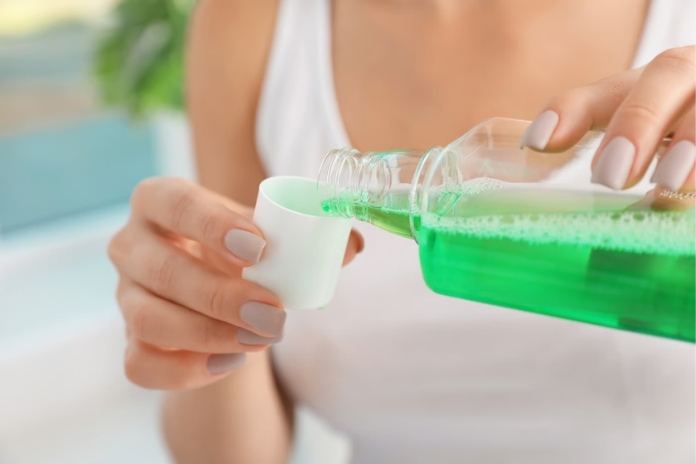
Mouthwash, also called an oral rinse, is a liquid you swish around your mouth to freshen breath, reduce oral bacteria, and in some cases deliver specific therapeutic effects.
Mouthwash comes in two main categories:
Cosmetic Mouthwash: Masks bad odor and leaves a pleasant taste, but does not address the underlying causes of oral health problems.
Therapeutic Mouthwash: Contains active compounds such as fluoride, chlorhexidine, or essential oils to prevent tooth decay, treat gingivitis, reduce plaque, or relieve dry mouth.
If you brush twice a day and floss daily, mouthwash is not strictly necessary: though you can still use it to freshen breath after a strong meal. That said, adding mouthwash to your routine can be genuinely helpful if your brushing and flossing habits are inconsistent, or if you have a specific dental concern.
Mouthwash reduces oral bacteria and helps protect against the effects of plaque buildup, but it cannot physically remove plaque from tooth surfaces the way brushing and flossing can. Think of it as a useful support tool, not a replacement.
When Mouthwash May Be Helpful
Mouthwash is particularly worth considering if you:
- Have a higher risk of cavities or gum disease
- Wear braces or other orthodontic appliances where plaque hides in hard-to-reach spots
- Struggle with persistent bad breath
- Experience dry mouth
- Are going through a period when your brushing or flossing routine has slipped
When You Probably Don’t Need It
If you have good oral hygiene habits, no active dental issues, and low cavity risk, a dedicated mouthwash routine adds little benefit beyond what brushing and flossing already provide. Using it at that point is fine but optional.
A note for parents: The American Dental Association recommends that children under 6 should not use mouthwash unless a dentist specifically directs it, because young children may swallow large amounts, which can cause nausea, vomiting, or intoxication from alcohol-containing products. For kids between 6 and 12, supervise use until they reliably spit rather than swallow.
The Main Types of Mouthwash Explained
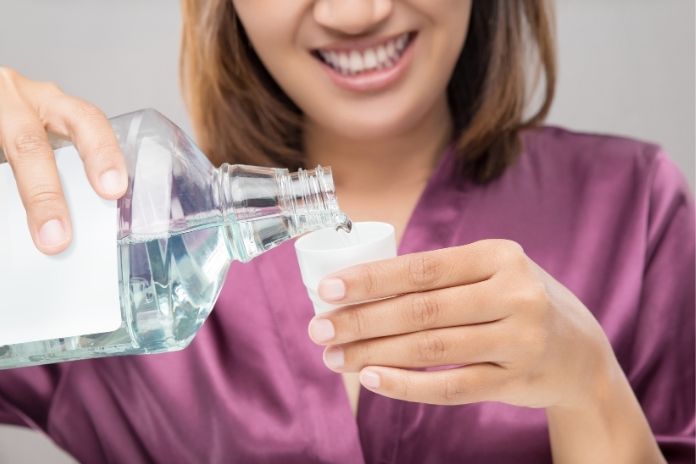
Depending on their ingredients, the many mouthwash varieties on the market fall into either the therapeutic or cosmetic category.
Fluoride Mouthwash
Fluoride mouthwash helps fight tooth decay by supporting enamel remineralization, the process by which weakened enamel rebuilds itself. Research confirms that fluoride rinses can slow mineral loss, help reverse early-stage decay, and make enamel more resistant to acid attacks. Use it after brushing, but wait a few minutes so you don’t rinse away the fluoride already on your teeth from toothpaste. Note that combined with fluoridated tap water, excessive fluoride intake can contribute to dental fluorosis, especially in young children, so don’t swallow it.
Antiseptic Mouthwash
Antiseptic mouthwash contains ingredients that kill oral bacteria, which helps address bad breath at its source. Some formulas use eucalyptus oil (from Eucalyptus globulus), a natural antibacterial ingredient that has long been used as an antiseptic. Other antiseptic rinses rely on essential oils such as eucalyptol, menthol, and thymol: combinations that research shows can meaningfully reduce plaque and gingivitis.
Alcohol-Free Mouthwash
A lot of commercially available mouthwashes contain ethanol at around 20%. That level is too low to kill the bacteria responsible for decay and odor. Instead, alcohol functions as a carrier for active ingredients such as eucalyptol or menthol, and it stabilizes the formula. If you find alcohol-based rinses irritating, dry, or burning, an alcohol-free mouthwash works just as well for most people and is generally a better choice for anyone with dry mouth or sensitive oral tissues.
Cosmetic Mouthwash
Cosmetic mouthwashes are designed simply to temporarily reduce breath odor and leave the mouth tasting fresh, without any antibacterial action. Their freshening effect does not last long because they don’t target the underlying bacteria causing the odor.
Prescription Mouthwashes
Your dentist may prescribe a specialized mouthwash for:
- Dry socket after a tooth extraction, to reduce bacteria in the open socket
- Pain relief from ulcers or other dental issues, using a formula with a topical anesthetic
- Dry mouth (xerostomia), with alcohol-free formulas that contain cellulose or enzymes to help keep the mouth moist
Which Type of Mouthwash Is Best for Your Needs?
Different mouthwashes affect oral health differently depending on their ingredients. Here’s how to narrow it down:
- For gum health: Antiseptic mouthwash reduces the bacteria near the gum line that drive gingivitis and early gum disease.
- For cavity prevention: If you drink a lot of bottled water (which lacks fluoride), a fluoride rinse helps your enamel get the protection it needs.
- For bad breath: Most mouthwashes address bad breath to some degree, but some are formulated specifically for that purpose.
- For sensitive mouths or dry mouth: Choose an alcohol-free formula to avoid further irritation or dryness.
- For safety and effectiveness: Look for products with the ADA Seal of Acceptance, which means the manufacturer has provided scientific evidence of safety and efficacy reviewed by the American Dental Association.
- If something burns or stings: Stop using it and try a different formula.
Read More: 10 Best Homemade Mouthwash Recipes – Freshen Your Breath Naturally
Common Ingredients in Mouthwash and What They Do
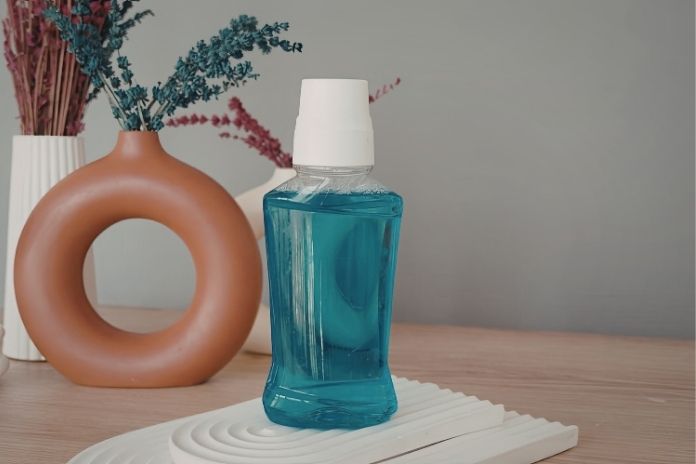
Different mouthwashes use different active ingredients, each with a specific purpose:
Cetylpyridinium Chloride (CPC): Added to reduce bad breath by killing bacteria. Research also supports a moderate effect on plaque reduction.
Chlorhexidine: Prescription-only. Shown to significantly control plaque and gingivitis with strong clinical evidence.
Essential Oils (eucalyptol, menthol, thymol): Help control plaque and gingivitis with a strong evidence base. Available over the counter.
Sodium Fluoride: Prevents tooth decay and helps reduce tooth sensitivity.
Peroxide (Hydrogen Peroxide): Used for teeth whitening; effective at penetrating tooth enamel.
Eucalyptus: Helps reduce gingivitis and plaque.
Is Mouthwash Safe to Use Every Day?
For most adults, daily mouthwash use is safe and beneficial as part of a balanced oral hygiene routine. That said, a few things are worth keeping in mind.
Mouthwashes that contain alcohol can irritate oral tissues and contribute to dry mouth if used heavily. Dry mouth is a drawback because saliva naturally neutralizes acids and helps protect enamel.
Relying too much on mouthwash can also lead people to skip brushing and flossing, which are far more effective at removing plaque buildup. Some mouthwashes can also temporarily mask symptoms of more serious problems, like gum disease or infection, delaying care you actually need.
How to Use Mouthwash Correctly
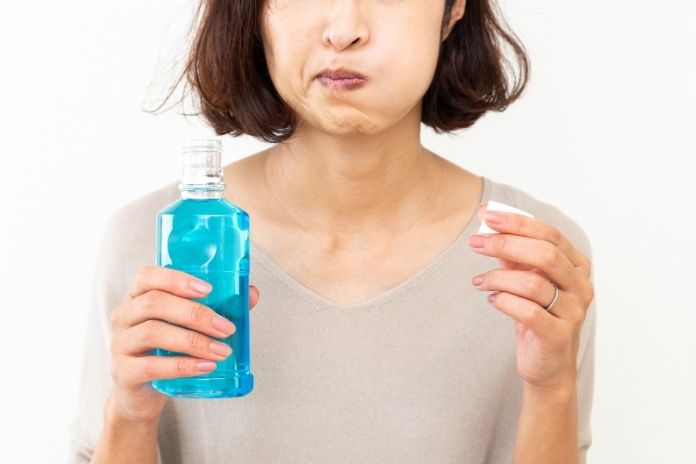
Mouthwash has come a long way from being just a breath freshener. When used correctly, it can meaningfully improve your dental hygiene routine.
Brush and Floss First: Always brush and floss before using mouthwash. If you use fluoride toothpaste, wait a few minutes before rinsing so you don’t wash away the fluoride already coating your teeth.
Rinse and Spit: Measure out 3 to 5 teaspoons (or follow the product’s cup markings), swish and gargle for about 30 seconds, then spit. Don’t swallow.
After Rinsing: Avoid eating, drinking, or rinsing with water for at least 30 minutes after using a fluoride mouthwash to give it time to work.
Read More: Plaque vs Tartar: What’s the Difference and How to Get Rid of Both
Mouthwash Myths and Misunderstandings
Myth: Mouthwash Can Replace Brushing and Flossing This is the most common misconception. Rinsing can freshen breath and reduce oral bacteria, but it cannot remove plaque from tooth surfaces. Only physical brushing and flossing can do that. Mouthwash is a useful addition to your routine, not a substitute for it.
Myth: All Mouthwashes Work the Same Way Far from it. Cosmetic mouthwashes only temporarily mask bad breath. Therapeutic mouthwashes actively reduce plaque, prevent gingivitis, or protect enamel, depending on their ingredients. Choosing the right formulation for your specific needs makes a real difference.
Myth: Mouthwash Permanently Fixes Bad Breath Bad breath relief from mouthwash is temporary. Chronic bad breath is usually tied to deeper issues: plaque buildup, gum disease, or dry mouth. Mouthwash can help manage the symptom, but it doesn’t fix the root cause.
Myth: Alcohol-Based Mouthwash Is More Effective The burning sensation from alcohol does not mean the product works better. Alcohol-free formulas are equally effective for most uses. The burn is simply a side effect of ethanol, and as noted above, it can worsen dry mouth over time.
When to Talk to a Dentist About Mouthwash
Knowing when mouthwash isn’t enough is key to catching dental problems before they get worse.
Persistent Bad Breath: If bad breath keeps coming back despite using mouthwash for bad breath regularly, it may signal something more serious, such as an infection, gum disease, or even a digestive issue.
Persistent Gum Bleeding or Sensitivity: Signs of gingivitis or more advanced gum disease need professional treatment. Antiseptic mouthwash can support but not replace that care.
Frequent Cavities or Dry Mouth: If you keep getting cavities or struggle with dry mouth, your dentist can recommend the right fluoride mouthwash or other targeted treatments.
- Mouthwash can support oral health, but it is not essential for everyone.
- The best mouthwash depends on your specific needs: fluoride for cavity prevention and enamel protection, antiseptic for gum health, alcohol-free for dry mouth or sensitive tissues.
- Overusing certain rinses, especially alcohol-based or chlorhexidine formulas, can cause dryness, staining, or irritation.
- Brushing, flossing, and regular dental checkups remain the foundation of good oral hygiene. Mouthwash works best as a complement, not a replacement.
Read More: How Often Should You Floss Your Teeth? Expert Answers & Best Routine for Healthy Gums
Conclusion
Mouthwash is not something every person needs, but it can be a smart addition to your regular dental hygiene routine. Whether your goal is fresher breath, stronger enamel protection, or better gum health, the type you choose determines how effective it will be. Use it alongside brushing, flossing, and routine dental checkups rather than in place of them.
Choosing the best mouthwash means matching the product to your actual oral health needs. Used correctly and in the right context, it offers real mouthwash benefits. Used carelessly or as a shortcut, it can mask problems that need real attention.
The key is consistency, following directions, and checking in with your dentist when something doesn’t seem right. That balance is what leads to lasting oral health.
References
- ProHEALTH Dental. (2025, May 21). Is mouthwash really necessary? What dentists want you to know
- Pristine Dental. Is mouthwash necessary?
- Listerine. Types of mouthwash and their uses
- Colgate. Benefits of alcohol-free mouthwash
- Folsom Dental Esthetics. Should you use mouthwash everyday?
- Stonewalk Family Dentistry. (2022, February 28). How to choose the best mouthwash for you!
- Modern Smiles Dentistry. (2026, January 1). What are the benefits of mouthwash: Exploring myths and misconceptions for better oral care
In this Article