


















Zone 2 exercise is not extreme training. No exhausting bootcamp. No breathless sprint intervals. In fact, Zone 2 exercise often looks almost too easy. Brisk walking for blood sugar management. Easy cycling. Slow swimming. A pace where a person can still speak without struggling.
“It’s got this fancy new name, Zone 2, but it’s basically the top end of the low-intensity training zone,” says Dr. Antony Stadnyk, a teaching and research-focused academic. Very intense exercise sometimes temporarily raises blood sugar because stress hormones increase. But steady aerobic movement often lowers glucose more smoothly.
That difference made researchers more interested in how exercise intensity changes metabolic response. Zone 2 cardio for diabetes is also practical. A sustainable exercise style matters more than a workout somebody quits after two weeks. The bigger discussion now is, “What kind of exercise helps metabolism work better over time?”
- Zone 2 exercise is steady low-to-moderate intensity cardio where breathing increases, but conversation is still possible.
- It may help people with type 2 diabetes or insulin resistance manage blood sugar more consistently.
- Zone 2 cardio is easier to recover from and often easier to maintain long-term. Walking, cycling, swimming, and light jogging are common examples.
Read More: High-Protein Vegan Sweets That Won’t Spike Your Blood Sugar: Smart Dessert Options
What Is Zone 2 Exercise?

How Zone 2 Training Is Defined
Zone 2 exercise means low-to-moderate intensity aerobic activity. It usually happens at an effort level where breathing increases, but conversation is still possible. Many fitness experts describe it as the pace at which a person can speak in short sentences but not sing comfortably.
“You’re not going to feel like you’re pushing it if you’re exercising in zone 2,” explains exercise physiologist Christopher Travers. The body has different heart rate zones during exercise. Zone 2 sits between very light movement and hard training.
It is not lazy movement, but also not maximum effort. Typical activities include brisk walking, cycling at a comfortable pace, and swimming laps slowly, light jogging, elliptical training, and hiking on a mild incline. One reason Zone 2 became popular is that it trains endurance without pushing the body into a constant stress response.
What Happens In The Body During Zone 2 Cardio
During Zone 2 exercise, the body relies heavily on aerobic energy production. Oxygen availability stays relatively stable, which allows muscles to use both fat and glucose more efficiently. This matters for blood sugar because muscles become active glucose users during movement.
Instead of glucose staying inside the bloodstream, working muscles pull glucose from the blood and use it as fuel. That is one reason exercise improves insulin sensitivity. It may influence how cells process energy itself. Another interesting point: low-intensity cardio usually creates less sudden glucose fluctuation compared to very hard workouts.
Common Examples Of Zone 2 Exercise
Many people already do Zone 2 exercise without realizing it. Examples include walking fast enough to feel warm, slow cycling for 30–45 minutes, swimming without racing, dancing continuously, slow treadmill incline walking, and gardening with continuous movement. Walking especially deserves attention. It is probably the most underestimated metabolic exercise.
Why Zone 2 Exercise Is Being Discussed for Blood Sugar Control

How Exercise Affects Glucose Levels
Muscles need energy during exercise. When muscles contract repeatedly, they increase glucose uptake from the bloodstream. This can lower circulating blood sugar levels during and after exercise.
Exercise also improves insulin sensitivity. This effect can continue for hours after a workout. Some researchers describe exercise almost like a temporary “insulin sensitizer.” Not a replacement for medication, but still a powerful metabolic tool. What becomes important is consistency. One hard workout once weekly does not improve glucose regulation in the same way as regular movement done several days weekly.
Why Low-Intensity Cardio May Be Easier To Sustain
Very intense workouts increase stress hormones, muscle soreness, fatigue, and injury risk. Some people enjoy this style. Many others stop exercising completely because body feels exhausted. Low-intensity cardio for blood sugar usually creates lower physical strain. People can recover faster. Older adults tolerate it better. Beginners feel less intimidated.
Joint stress is often lower. That matters because diabetes management depends heavily on repeat behaviors. The “best” exercise for blood sugar control is not always the hardest one. Sometimes it is the exercise that somebody can continue for years without burnout.
How Zone 2 Exercise May Support Metabolic Health Over Time
Metabolic health is not only influenced by fasting blood sugar (FBS) levels. It is also determined or shaped by several other factors, like insulin sensitivity, cardiovascular fitness, energy regulation, blood pressure, body composition, and recovery capacity.
Zone 2 exercise appears to influence many of these systems together. Sedentary metabolism often becomes “stuck,” relying heavily on glucose while struggling with fat utilization. Regular aerobic training may improve this balance.
What Research Says About Zone 2 Exercise and Diabetes
Evidence Linking Aerobic Exercise To Improved Insulin Sensitivity
Studies consistently show muscles become more effective at glucose uptake during repeated aerobic activity, reducing insulin resistance.
Some studies also show lower average blood sugar markers when exercise is done regularly. The interesting thing is that benefits are not always linked only to weight loss. Even before major body weight changes happen, exercise can improve glucose metabolism. That suggests movement itself changes metabolic processes independently.
Potential Benefits For People With Type 2 Diabetes Or Prediabetes
Possible benefits include lower fasting blood sugar, improved stamina, better cardiovascular fitness, and support for weight management.
Some people using continuous glucose monitoring devices report seeing smaller glucose spikes after regular walking routines. Interestingly, timing may also matter. Some studies suggest post-meal walking may improve glucose handling more effectively than random exercise timing. This area is still developing, though.
What Researchers Are Still Studying
Researchers are studying the best duration for metabolic benefits, ideal weekly frequency, individual differences in glucose response, effects in older adults, and comparisons between HIIT and steady-state cardio for diabetes. Not every person responds the same way. Some individuals see dramatic glucose improvements from walking.
Zone 2 Exercise Vs. High-Intensity Workouts For Blood Sugar

Key Differences: In intensity And Recovery
High-intensity interval training (HIIT) pushes heart rate high and creates strong metabolic stress. Recovery demands are greater. Zone 2 is steadier. Breathing is controlled. Stress response is lower.
Both styles can improve fitness. But sustainability becomes an important factor in diabetes management. Some people tolerate HIIT very well. Others experience fatigue, dizziness, or an inconsistent glucose response.
Potential Advantages Of Zone 2 Cardio
Zone 2 exercise offers several practical advantages, such as lowering injury risk, being easier for beginners, lower joint stress, reduced recovery burden, and being more suitable for frequent repetition.
Another important point is psychological resistance. Many sedentary people fear exercise because they associate it with suffering. Zone 2 training benefits change that idea. Exercise becomes manageable instead of punishing. That shift may improve long-term adherence more than any “perfect” workout plan.
The Benefits That High-Intensity Exercise May Still Offer
HIIT still has benefits. It may improve cardiovascular fitness, time efficiency, muscle conditioning, VO₂ max, and glucose control in some individuals. But hard blood sugar-lowering workouts are not automatically superior.
Why Do Many Experts Recommend a Balanced Approach
Most exercise specialists recommend combination training. That usually means aerobic exercise, resistance training, flexibility work, and daily movement habits. Strength training is especially important because muscle tissue improves glucose disposal capacity. The future of diabetes exercise advice may become more individualized instead of one-size-fits-all.
How to Know If You’re Exercising in Zone 2

The “Talk Test” Explained
The easiest method is the talk test. During Zone 2 exercise, conversation is possible, breathing is faster but controlled, there is no gasping, and speaking is limited to short sentences. If talking becomes difficult, the intensity is probably too high. This simple method surprisingly works well for many people.
Heart Rate Methods For Estimating Zone 2
Some people use heart rate tracking. Zone 2 is often estimated at around 60–70% of maximum heart rate, though exact numbers vary. Wearable devices may help like smartwatches, fitness bands, and chest straps.
Why Exact Numbers Can Vary Between Individuals
Age, medications, fitness level, and health conditions all influence exercise zones. People taking beta blockers may have a lower heart rate response. Older adults may also have different exercise tolerance. That is why exact formulas are not universal. How the body feels during exercise still matters.
How to Start Zone 2 Training Safely

Beginner-Friendly Ways To Build A Routine
A better approach for this exercise for type 2 diabetes begins with 10–15 minute walks, increasing duration gradually, focusing on consistency, and avoid perfection mindset.
How Often And How Long To Exercise
General recommendations often suggest around 150 minutes of weekly moderate aerobic activity. Spread across multiple days. But beginners may start smaller. The body adapts gradually.
Why Monitoring Blood Sugar May Matter For Some People
Some diabetes medications increase the risk of low blood sugar during exercise. People taking insulin or certain medications may need to monitor their blood glucose before and after workouts. With continuous glucose monitors, people can now see real-time glucose patterns during movement.
Read More: 5 Morning Habits That Can Help Improve Blood Sugar Levels
Important Safety Considerations for People With Diabetes
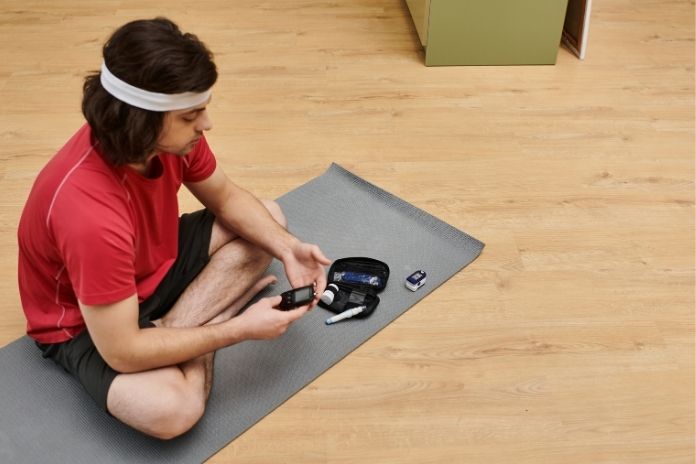
Signs Of Low Blood Sugar During Exercise
Possible signs include dizziness, sweating, shakiness, confusion, sudden weakness, and blurred vision.
When Exercise May Need Medical Guidance
Medical supervision may be important for people with: Heart disease, neuropathy, severe obesity, advanced diabetes complications, eye complications, and balance problems.
How Hydration And Nutrition Affect Exercise Tolerance
Hydration strongly affects exercise performance and glucose response. Skipping meals before long workouts may increase the risk of low blood sugar. Balanced meals with protein, fiber, and moderate carbohydrates may improve exercise tolerance.
Lifestyle Habits That Work Alongside Exercise

Nutrition Patterns That Support Blood Sugar Stability
Food patterns still matter. Fiber-rich meals, protein balance, and limiting ultra-processed foods.
The Role Of Sleep and Stress Management
Poor sleep increases insulin resistance. Stress hormones like cortisol also affect glucose regulation. Recovery includes improvement in metabolic health, too.
Why Consistency Matters More Than Perfection
Many people approach exercise in extreme cycles. Very motivated for 10 days. Then stop for 2 months. Metabolic systems usually respond better to repeated moderate habits. Daily walking for years may matter more than occasional fitness obsession phases.
Read More: Strength Training for Diabetes: Why Lifting Weights Beats Cardio for Blood Sugar
Final Thoughts
Zone 2 exercise matches how many people realistically live and manage health. For people with type 2 diabetes, prediabetes, or insulin resistance, this style of movement can be practical and sustainable. The important point is not finding the hardest workout. It is finding movement that the body can recover from and life can realistically maintain.
- Zone 2 cardio for diabetes may improve insulin sensitivity without the higher recovery burden..
- Walking after meals may help reduce post-meal glucose spikes.
- Some people experience temporary blood sugar increases during very intense exercise due to stress hormone release.
- Researchers are increasingly studying mitochondrial health and metabolic flexibility as possible reasons why aerobic exercise affects diabetes risk and glucose control.
- Major research gaps still exist regarding ideal Zone 2 duration, exercise timing, and individualized response.
FAQs
1. Is Zone 2 exercise good for type 2 diabetes?
Yes, Zone 2 exercise is beneficial for type 2 diabetes as it improves insulin sensitivity and glucose regulation. Moderate-intensity aerobic activity enhances muscle glucose uptake and is easier to sustain consistently compared to high-intensity exercise, supporting long-term metabolic control.
2. Can walking count as Zone 2 exercise?
Yes, brisk walking can count as Zone 2 exercise when intensity raises heart rate and breathing slightly while still allowing conversation. This level of aerobic activity promotes fat oxidation and improves cardiovascular fitness and glucose metabolism in many individuals.
3. How long should Zone 2 cardio be for blood sugar control?
Zone 2 cardio for blood sugar control is typically recommended for 30–45 minutes per session, several times weekly. Even shorter sessions can improve glucose handling initially, while consistent duration and frequency provide better long-term metabolic and cardiovascular benefits.
References
- Bweir, S., Al-Jarrah, M., Almalty, A.-M., Maayah, M., Smirnova, I. V., Novikova, L., & Stehno-Bittel, L. (2009). Resistance exercise training lowers HbA1c more than aerobic training in adults with type 2 diabetes. Diabetology & Metabolic Syndrome, 1(1), 27.
- Gregory, J. M., Muldowney, J. A., Engelhardt, B. G., Tyree, R., Marks-Shulman, P., Silver, H. J., Donahue, E. P., Edgerton, D. S., & Winnick, J. J. (2019). Aerobic exercise training improves hepatic and muscle insulin sensitivity, but reduces splanchnic glucose uptake in obese humans with type 2 diabetes. Nutrition & Diabetes, 9(1).
- Hashimoto, K., Dora, K., Murakami, Y., Matsumura, T., Yuuki, I. W., Yang, S., & Hashimoto, T. (2025). Positive impact of a 10-min walk immediately after glucose intake on postprandial glucose levels. Scientific Reports, 15(1).
- Zahalka, S. J., Abushamat, L. A., Scalzo, R. L., & Reusch, J. E. B. (2023). The role of exercise in diabetes. PubMed; MDText.com, Inc.
In this Article