


















Management of type 2 diabetes and obesity has quickly changed thanks to GLP-1 therapeutics, particularly injectable drugs like semaglutide-based therapy. Oral GLP-1 pills are currently the subject of a fresh wave of research, including experimental versions like the Wegovy pill concept and the recently developed medication, orforglipron.
These developments could significantly change how patients access and use GLP-1 medications for the management of obesity and metabolic diseases. This article will discuss how these drugs work, how oral versions differ from injections, the efficacy and safety of early research, and whether oral GLP-1 pills could someday replace injections.
- Oral GLP-1 pills aim to simplify weight loss and diabetes treatment without injections.
- Early results show promising weight loss and blood sugar control, similar to injectables.
- These medications work best with lifestyle changes and require long-term commitment.
Read More: Ozempic vs. Wegovy: What’s the Difference, and Which One Is Right for You?
What Are GLP-1 Medications?
GLP-1 receptor agonists (GLP-1s) have recently attracted greater interest. Researchers first created GLP-1 drugs to treat Type 2 diabetes, and doctors now frequently use them to aid weight control. The hormone your body naturally produces in the stomach is called GLP-1, or glucagon-like peptide-1.
Its primary function is to help control the blood sugar levels after eating, but it also affects appetite and digestion. The purpose of GLP-1 drugs is to increase endogenous GLP-1 levels. GLP-1s instruct the pancreas to release more insulin when blood sugar levels rise.
In addition to lowering blood sugar in those with Type 2 diabetes, this also reduces glucagon production, which elevates blood sugar. Gastric emptying, the process by which the food leaves the stomach, is also slowed down by the GLP-1s. This more consistent digestion keeps you feeling fuller for longer and helps avoid significant blood sugar increases after meals.
What Is the “Wegovy Pill”?
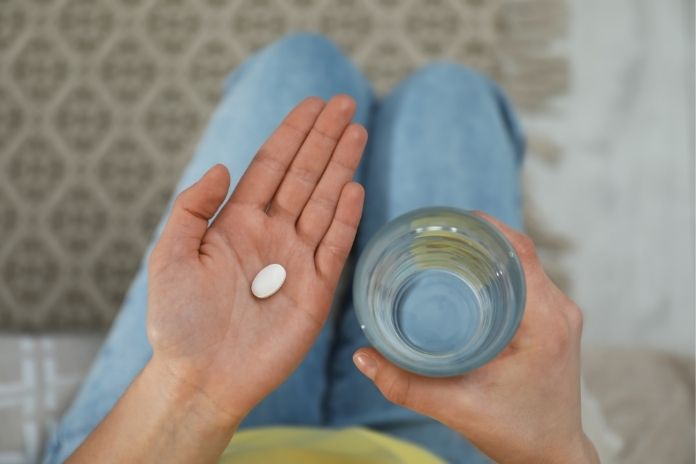
The Wegovy pill is the first FDA-approved oral GLP-1 medication used to treat obesity, overweight people with weight-related conditions, and patients with existing cardiovascular disease to lower their risk of cardiovascular events. Semaglutide is present in both the Wegovy injection and tablet.
However, there are differences between how your body absorbs them and how you take them. You take the pill orally, and your digestive system absorbs it. Semaglutide is injected subcutaneously, or beneath the skin.
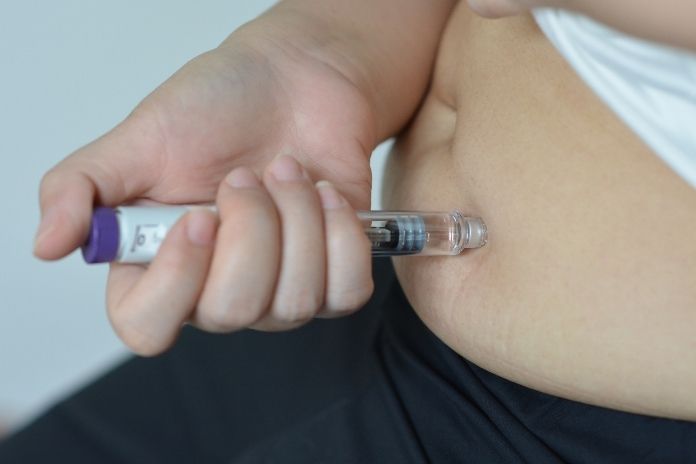
The Wegovy injection includes a single-use prefilled injectable pen. You apply it beneath the skin of the upper arm, thigh, or abdomen, allowing most of the dose to absorb reliably into the bloodstream.
You must swallow the Wegovy pill whole so your digestive system can properly absorb it. However, less than 1% of it enters the bloodstream. To help your body absorb as much of the medication as possible, it has stringent scheduling guidelines (more on that later).
What Is Orforglipron?
There are many weight-loss drugs available. However, are there weight-loss pills with advantages comparable to those of injectable GLP-1 medications? One intriguing possibility, orforglipron (pronounced or-FOR-glip-ron), has been approved and is now officially available on the market. Eli Lilly created Orforglipron, an oral GLP-1 drug for weight loss.
On April 1, 2026, the FDA authorized orforglipron, a novel oral GLP-1 drug marketed as Foundayo, for weight-loss use. Tablets usually contain around 0.8 mg, 2.5 mg, 5.5 mg, 9 mg, 14.5 mg, and 17.2 mg is available in six dosing strengths.
The majority of GLP-1 drugs are peptides, which are poorly absorbed in the gut and readily broken down by digestive enzymes. As a result, the injectable method is more effective for the GLP-1 medications available today. Orforglipron is not a peptide. Its molecular makeup makes it more stable and facilitates better intestinal absorption.
In general, the orforglipron tablet functions similarly to other GLP-1 drugs, such as semaglutide. These medications help control blood sugar levels, digestion, and hunger by imitating the natural gut hormone glucagon-like peptide-1 (GLP-1).
Read More: Ozempic and Wegovy Users Warned About Surgery Risks in New FDA Guidance
How Effective Are Oral GLP-1 Pills for Weight Loss?
Only weekly, at-home injections of GLP-1 drugs, which imitate the naturally occurring hormone glucagon-like peptide-1, which controls blood sugar, digestion, and hunger, have been licensed for the treatment of obesity.
Nevertheless, a nationally representative Gallup poll conducted in October 2025 found that around 12.4% of respondents were using this class of drug to lose weight. In 2025, that amount to almost 30 million individuals.
This family of drugs has demonstrated widespread efficacy in lowering heart attacks and strokes in individuals with heart disease, as well as assisting those who are obese in losing weight. Additionally, according to the Gallup poll, the proportion of Americans who are obese fell from 39.9% in 2022 to 37.0% in 2025, a three percentage point drop that amounts to 7.6 million people.
Nevertheless, there are still concerns over the long-term consequences of GLP-1 drugs, which can be prohibitively expensive, have adverse effects, and affect people differently.
Common Side Effects and Safety Concerns
GLP-1 drugs have advantages and disadvantages, just like any other treatment. The benefit, which include improved blood sugar regulation, long-term weight loss, and even improvements in obesity-related conditions such as diabetes and heart disease, can change many people’s lives.
However, there are crucial things to think about, particularly if you intend to use these drugs for an extended period of time. You may have an informed discussion with your healthcare professional if you are aware of both sides.
GLP-1 adverse effects are possible, particularly with prolonged treatment, even if the advantages of GLP-1s can be substantial. Gastrointestinal symptoms like nausea, vomiting, diarrhea, or constipation are the most common. As your body adjusts, these symptoms usually get better, but some people may still have them.
Other long-term factors to think about are:
Muscle Loss: GLP-1 medication-induced weight loss isn’t necessarily limited to fat loss. Some individuals may also lose lean muscle mass. If you don’t address this through diet and exercise, it may affect your strength, metabolism, and overall health.
Loss of Facial Volume and Fat: Rapid or substantial weight loss can occasionally alter the facial appearance, leading to wrinkles, sagging, or loose skin. It is a cosmetic change that may happen when the face loses fat quickly, rather than an adverse effect of the drug itself. Additionally, some people could observe more prominent facial lines or thinner lips.
Who May Be a Candidate for Oral GLP-1 Medications?
The FDA has recently approved GLP-1s, such as tirzepatide and semaglutide, at larger doses, especially for weight loss. They can help you eat less and gradually lose weight by decreasing appetite and boosting feelings of fullness. They are therefore particularly helpful for people who have battled obesity and have not found success with diet and exercise alone.
GLP-1 drugs, however, are not intended for many individuals who merely wish to lose a few pounds. They are typically a long-term commitment rather than any temporary solution, designed for the people whose weight is negatively affecting their health.
Typically, these drugs are prescribed for:
- Those who have a body mass index (BMI) of thirty or more.
- Individuals with a BMI of 27 or above who additionally suffer from weight-related illnesses like sleep apnea, high blood pressure, or Type 2 diabetes.
- People who have made an effort to control their weight but have not been successful with lifestyle modifications alone.
GLP-1s should be seen as a component of a larger strategy if you want to lose weight. They can be effective weight-loss tools, but they function best when paired with healthy lifestyle choices.
Read More: GLP-1 for Weight Loss: Injectables vs. Pills – What You Need to Know
Questions Patients Commonly Ask About GLP-1 Pills

Will Oral GLP-1 Medications Replace Injections?
Currently, injectable vs. oral GLP-1 treatments coexist. Although oral forms are not expected to completely replace injections, many patients may prefer them.
How Quickly Do Results Appear?
Depending on dosage and adherence, changes in weight and blood sugar usually start within weeks.
What Happens if Treatment Stops?
If lifestyle modifications are not maintained, stopping GLP-1 medications for obesity frequently results in weight gain.
Are These Medications Covered by Insurance?
Region, FDA approval status, and prescription purpose (diabetes or weight control) all affect coverage.
What Experts Still Don’t Fully Know
Despite the advancements, unresolved issues remain in the ongoing clinical trials.
The long-term efficacy, sustainability of weight reduction following treatment discontinuation, and the long-term effectiveness of oral GLP-1 drugs compared to injectable formulations are still being investigated.
Future data will clarify the role of GLP-1 weight loss pills in long-term obesity management.
H2: How to Discuss GLP-1 Medications With a Doctor
GLP-1 medications function best when used in conjunction with a complete strategy that your physician oversees.
“Obesity is a disease, and it requires medical care just like any other chronic condition,” said Dr. Stacey Lockard, MD, a family medicine physician at the Franciscan Health Family Medicine Residency program and a diplomate of the American Board of Lifestyle Medicine.
Patients should discuss the risks, benefits, and expectations with a healthcare professional before beginning treatment. Understanding the medications used in obesity treatment helps set realistic goals. Before prescribing GLP-1 therapy, doctors usually examine the patient’s medical history, current medications, and metabolic risk factors.
Read More: GLP-1 Side Effects: When to Worry and When to Continue Treatment
Conclusion
The development of oral GLP-1 pills represents a very significant advancement in the treatment of diabetes and obesity in the current era. Early studies on medications like Wegovy and orforglipron indicate that oral alternatives may provide significant gains in metabolic health and weight control while offering a more practical alternative to injections.
Nevertheless, these treatments are still developing, and long-term information regarding their efficacy, safety, and long-term effects is still lacking. As GLP-1 medications for obesity develop, their use will probably grow in tandem with lifestyle modifications and individualized healthcare.
Patients should keep in mind that these medications are not stand-alone remedies but rather a component of a more comprehensive approach to health that also includes regular monitoring, exercise, and diet.
References
- National Academy of Medicine. (January 20, 2026). Understanding GLP-1 drugs: Cost, safety, and access in context.
- Alyssa Billingsley, PharmD. (January 5, 2026). Wegovy Pill vs. Injection for Weight Loss: 5 Differences to Know.
- Drugs.com. (April 1, 2026). Wegovy.
- Patricia Weiser, PharmD. (November 07, 2025). Orforglipron: what to know about this new oral GLP-1 for weight loss.
- CARRIE MACMILLAN (April 10, 2026). GLP-1 Weight-Loss Pills: What You Need to Know.
- Bridget Balch. (March 5, 2026). GLP-1 pills for weight loss are here. How will they change obesity care?
- Inspira Health Network. GLP-1 medications.
In this Article