


















You eat a sandwich at lunch, feel reasonably good about it, then crash at your desk by 2 p.m. The energy dip, the foggy thinking, the sudden craving for something sweet, these are textbook signs of a blood sugar spike followed by a sharp drop. Most people shrug it off as an afternoon slump. But what’s actually happening is a postprandial blood sugar spike: a steep rise in glucose driven by the food you ate, how you ate it, and what you did (or didn’t do) afterward.
Blood sugar naturally rises after eating. That’s normal physiology. The problem starts when those spikes climb too high or happen too often, creating a metabolic burden that compounds over the years. For people managing diabetes, prediabetes, or insulin resistance, learning how to prevent blood sugar spikes after meals isn’t just about energy management; it’s a core component of long-term health protection.
This article breaks down what causes postprandial blood sugar spikes, what the research says about managing them, and the practical, evidence-backed strategies that work across different health situations. You’ll learn about meal composition, food order, light movement, and who needs to pay the most attention to those critical hours after eating.
- Postprandial blood sugar spikes occur when glucose rises sharply after a meal, peaking within one to two hours, shaped by carbohydrate type, portion size, fiber content, and overall meal composition.
- For most adults without diabetes, post-meal glucose should stay below 140 mg/dL two hours after eating; the American Diabetes Association targets below 180 mg/dL for people with diabetes.
- Pairing carbohydrates with protein, fiber, and healthy fats slows glucose absorption and blunts spikes, and eating carbohydrates last in a meal can reduce glucose peaks by over 40%.
- Light physical activity, especially a 10-to-15-minute walk within 30 minutes of finishing a meal, is one of the most effective and accessible strategies for managing postprandial glucose levels.
What Are Postprandial Blood Sugar Spikes?
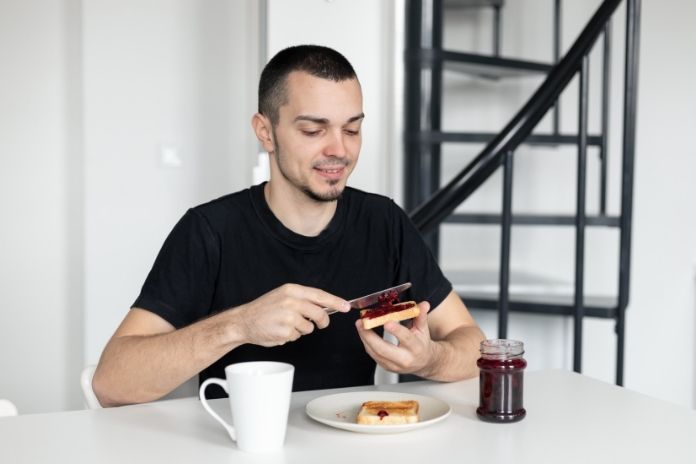
Postprandial glucose refers to blood sugar levels measured after eating. Under normal conditions, glucose begins to rise within 15 to 30 minutes of a meal, peaks between 45 and 90 minutes, and typically returns to baseline within 2 hours. A normal rise is expected and necessary; the body is processing fuel.
The concern begins when that rise becomes excessive. Most health guidelines define postprandial hyperglycemia as blood glucose exceeding 140 mg/dL one to two hours after eating. For people without diabetes, values rarely climb past that threshold. For those with type 2 diabetes or prediabetes, glucose can spike well above that level and stay elevated far longer, creating a pattern of chronic glucose variability that erodes metabolic health over time.
What makes postprandial spikes clinically significant isn’t just the peak number; it’s the frequency and duration. A spike that resolves quickly and happens occasionally is very different from one that lingers across every meal, every day.
Why Blood Sugar Rises After Eating
The moment you start chewing, digestion begins. Carbohydrates are broken down into glucose in the small intestine and absorbed into the bloodstream, which signals the pancreas to release insulin, the hormone that shuttles glucose into cells for energy or glycogen storage.
In a healthy metabolic system, the insulin response matches the carbohydrate load. Glucose rises, insulin follows, and blood sugar normalizes. When that insulin response is sluggish, due to insulin resistance, impaired beta-cell function, or type 2 diabetes, glucose stays elevated longer than it should.
Individual responses to the same meal vary considerably. A bowl of white rice might produce a modest glucose rise in one person and a dramatic spike in another. Gut microbiome composition, baseline insulin sensitivity, sleep quality, stress levels, and prior meals all shape carbohydrate processing.
Meal composition also plays a critical role: a carbohydrate eaten alone produces a faster, higher glucose rise than the same carbohydrate consumed alongside protein, fat, and fiber.
Common Causes of High Post-Meal Blood Sugar
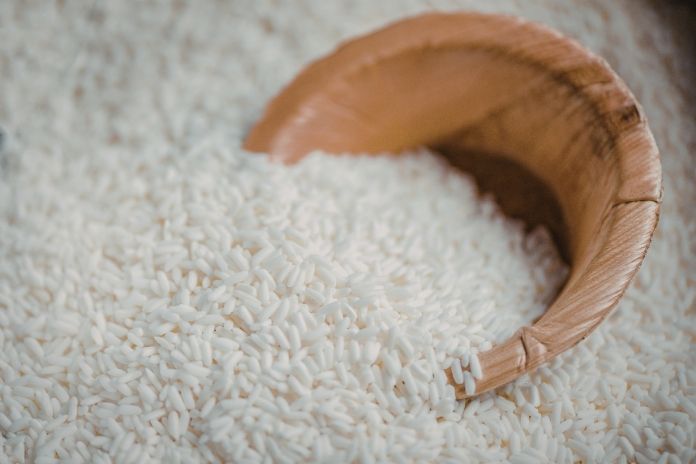
White bread, white rice, refined pasta, and processed cereals rank high on the glycemic index, meaning they digest quickly and release glucose rapidly. A large portion amplifies this effect considerably. The total carbohydrate load of a meal is the single strongest predictor of the postprandial glucose response.
Dietary fiber is not digestible. It slows food movement through the stomach, delays glucose absorption in the intestine, and blunts the post-meal glucose curve. Meals low in fiber, from processed grains, minimal vegetables, or skipped legumes, remove this natural buffer and allow glucose to enter the bloodstream more abruptly.
Liquid sugar bypasses much of the normal digestive process. A glass of regular soda or fruit juice can deliver 25 to 40 grams of glucose into the bloodstream within minutes, producing a sharper, faster spike than the same amount of sugar consumed as solid food.
Protein and fat slow gastric emptying, the rate at which food leaves the stomach and enters the small intestine. When carbohydrates are eaten without either, they reach the intestine faster, and glucose absorption accelerates. A carbohydrate-only meal is effectively a rapid glucose delivery system.
Sitting for extended periods after eating removes the opportunity for muscles to clear glucose from the bloodstream independently of insulin. Skeletal muscle is the body’s primary site of glucose disposal, and even light post-meal activity meaningfully reduces blood sugar levels.
How High Is Too High After Meals?
According to the American Diabetes Association (ADA), the post-meal glucose target for most non-pregnant adults with diabetes is below 180 mg/dL, measured one to two hours after starting a meal. For people without diabetes, two-hour postprandial values typically stay below 120 mg/dL and rarely exceed 140 mg/dL under normal conditions.
The International Diabetes Federation defines postprandial hyperglycemia as glucose exceeding 140 mg/dL at two hours. These thresholds carry clinical weight: a substantial body of epidemiological evidence links elevated postprandial glucose, independent of fasting glucose, to increased cardiovascular disease risk.
A long-term analysis from the San Luigi Gonzaga Diabetes Study, published in PubMed, found that postprandial blood glucose levels predicted cardiovascular events and all-cause mortality over a 14-year follow-up period, independently of HbA1c.
Goals should always be individualized. A person with longstanding diabetes, significant hypoglycemia risk, or complex comorbidities may have different glycemic targets than someone newly diagnosed or managing prediabetes through lifestyle alone. Establishing personalized post-meal glucose goals with a healthcare provider is an important step, particularly before making major dietary or activity changes.
Read More: Best Continuous Glucose Monitors 2026: Real-Talk Guide
Practical Ways to Prevent Blood Sugar Spikes
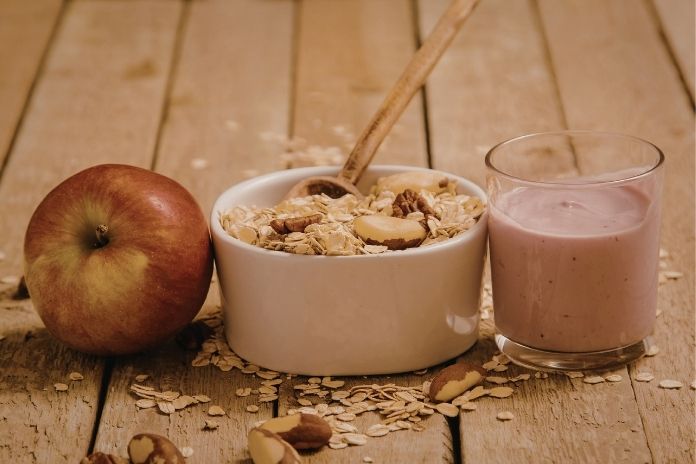
Balance Carbohydrates With Protein and Healthy Fats
One of the most reliable strategies for managing postprandial glucose levels is pairing carbohydrates with protein and healthy fats at every meal. Protein stimulates the release of glucagon-like peptide-1 (GLP-1), a gut hormone that slows gastric emptying. Healthy fats do the same. Together, they turn a rapid glucose surge into a gradual, controlled rise.
Rina Hisamatsu, MPH, RDN, a registered dietitian at the Michigan Collaborative for Type 2 Diabetes, said in a published 2024 interview that “when we can focus on a balance of different food groups, it can be helpful to improve one’s postprandial glucose.” The practical implication: don’t eat a plate of pasta without a protein source, and don’t eat a carbohydrate-heavy meal without something to slow it down.
Choose High-Fiber Foods
Soluble fiber, found in oats, legumes, apples, and flaxseed, forms a gel in the gut that slows carbohydrate digestion and blunts the glucose curve. Insoluble fiber from vegetables and whole grains adds bulk, slows transit, and supports sustained satiety.
Choosing whole grains over refined ones makes a measurable difference: a slice of 100% whole wheat bread produces a substantially lower glucose spike than the same amount of white bread, because the fiber matrix slows glucose release.
Hisamatsu described fiber as one of the most practical dietary allies: “We can consider fiber one of our best friends,” noting that fiber-rich foods tend to be nutrient-dense and low in calories, a combination that works across most dietary goals and metabolic conditions.
READ MORE: 17 Insulin-Friendly Foods for a Diabetes Diet
Eat Carbohydrates Later in the Meal
The sequence of food intake during a meal significantly shapes the postprandial glucose response. Research from the Comprehensive Weight Control Center at Weill Cornell Medicine demonstrated that eating protein and non-starchy vegetables before carbohydrates reduced incremental glucose peaks by more than 40% compared to eating carbohydrates first, in both type 2 diabetes and prediabetes populations.
Dr. Alpana P. Shukla, MD, MRCP, Director of Clinical Research at Weill Cornell Medicine, has described food order as an approach that gives patients an effective tool even when reducing carbohydrates overall isn’t feasible.
In a published interview at the American Diabetes Association 2018 meeting, she explained that “Food Order is an alternative strategy to mitigate the metabolic effects of carbohydrate” for people who find it difficult to comply with low-carb guidance in real-world eating.
A 2025 study published in Diabetes Care further confirmed that the carbohydrate-last pattern improves time-in-range and reduces glucose variability as measured by CGM over multiple days.
Watch Portion Sizes
Even high-quality carbohydrates will spike blood sugar when consumed in excess. A half cup of cooked brown rice is metabolically very different from two cups. Using visual guides, a fist for starches, a palm for protein, and half the plate as non-starchy vegetables is a practical starting point that doesn’t require counting grams.
Avoid Sugary Beverages
Liquid carbohydrates spike blood sugar faster than any food category. Regular sodas, fruit juices, sweetened coffees, and energy drinks deliver concentrated glucose with no fiber, protein, or fat to slow absorption. Replacing these with water, plain sparkling water, unsweetened tea, or black coffee removes one of the most reliably problematic sources of postprandial spikes without requiring any other dietary change.
Read More: Best Diet for Insulin Resistance
Lifestyle Habits That Help After Meals

Among all post-meal lifestyle interventions, walking is the most evidence-supported and accessible. Skeletal muscle contractions facilitate the clearance of glucose from the bloodstream via pathways that don’t require insulin, an effect most pronounced in the large muscle groups of the legs and glutes.
A 2022 study published in Nutrients found that 30 minutes of brisk walking, initiated within 15 minutes of the start of a meal, substantially reduced peak glucose across meals with varying carbohydrate content.
A 2025 study in Scientific Reports found that even a 10-minute walk immediately after glucose intake produced a significantly lower two-hour glucose area-under-the-curve than at rest, with effects comparable to 30-minute walks in some conditions.
The ideal timing is within 30 minutes of finishing a meal. Even a short, unhurried walk around the block makes a difference.
Dehydration prompts vasopressin release, a hormone that signals the kidneys to retain fluid and encourages the liver to release more glucose into the bloodstream. Adequate water intake throughout the day supports more efficient glucose filtration through the kidneys and helps insulin signaling at the cellular level. Plain water is the best option; sweetened beverages negate this benefit entirely.
Prolonged sitting after meals blunts the body’s glucose disposal mechanisms. Breaking up sedentary time with two to three minutes of light movement every hour meaningfully improves postprandial insulin sensitivity. Standing, light stretches, or a brief set of bodyweight squats activate leg muscles and create a meaningful glucose-clearing effect without requiring a dedicated workout.
Read More: How Just 10 Minutes of Walking After Meals Can Transform Your Health
Foods That May Help Reduce Spikes
Non-starchy vegetables, broccoli, spinach, zucchini, cucumber, bell peppers, and cauliflower contain fiber, water, and very few digestible carbohydrates. Eaten at the start of a meal, they slow digestion and fill the stomach before heavier carbohydrates arrive.
Lean proteins, such as chicken breast, fish, eggs, Greek yogurt, tofu, and legumes, delay gastric emptying and trigger incretin hormone release, both of which slow glucose entry into circulation.
Healthy fats, avocado, olive oil, nuts, and seeds extend the digestion window and prevent carbohydrate loads from hitting the bloodstream all at once.
Low-glycemic carbohydrates, such as lentils, chickpeas, barley, steel-cut oats, and sweet potatoes, release glucose more gradually than refined starches.
Erin Palinski-Wade, RD, CDCES, CPT, founder of Vernon Nutrition Center and author of the 2 Day Diabetes Diet, has written that “eating foods that are high in fiber, fat, and protein alongside a high-carb food can mitigate the blood sugar response by slowing down the digestion and absorption of sugars into the bloodstream.”
The glycemic load, which accounts for both the glycemic index and the actual amount of carbohydrate consumed, is a more clinically relevant metric than the glycemic index alone for predicting real-world glucose responses.
Monitoring Postprandial Blood Sugar
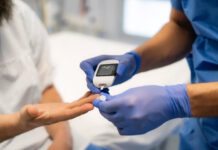
For people using a blood glucose meter, the ADA recommends testing 1 to 2 hours after starting a meal. Testing too early catches the glucose peak mid-rise; testing too late may miss it. Logging readings alongside meal descriptions helps identify patterns, which foods reliably spike glucose, which combinations keep it stable, and whether portion size or post-meal activity is playing a role.
CGM devices measure interstitial glucose every few minutes and display the results as a real-time trend. This technology reveals the full shape of a postprandial curve, the peak, the rate of rise, and the return to baseline, in a way that a single fingerstick cannot capture. CGM is particularly valuable for identifying individual glucose variability, since two people eating identical meals may show dramatically different postprandial responses.
Single readings tell a limited story. Patterns across multiple meals over several days reveal which foods or behaviors drive the largest glycemic excursions. Tracking alongside an activity log gives a clinician or registered dietitian more actionable data than isolated checks.
Who Should Pay Special Attention to Post-Meal Spikes
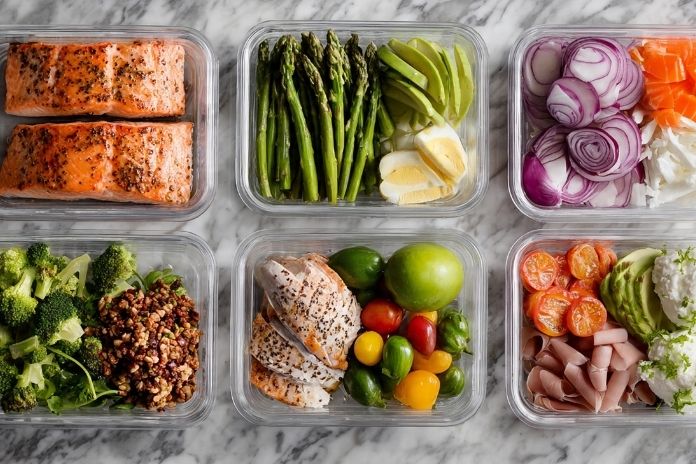
People with type 1 or type 2 diabetes experience impaired insulin secretion or insulin resistance, which, by definition, makes postprandial glucose regulation difficult. Managing post-meal glucose is a central element of diabetes care, not an optional enhancement.
Those with prediabetes or insulin resistance may show acceptable fasting glucose values, while post-meal spikes are already significant.
A review in Nutrients found that lifestyle interventions, including reduced carbohydrate intake and at least 150 minutes of weekly moderate exercise, can be highly effective in preventing and treating type 2 diabetes by targeting postprandial hyperglycemia early. Addressing elevated post-meal glucose before a diabetes diagnosis arrives is one of the most effective known strategies for preventing disease progression.
Pregnant people with gestational diabetes face specific risks from elevated postprandial glucose, including excessive fetal growth and delivery complications. Post-meal glucose targets in gestational diabetes are typically stricter, and monitoring frequency is higher.
Individuals experiencing energy crashes, brain fog, or afternoon fatigue after meals may be dealing with reactive hypoglycemia, a glucose drop that follows an exaggerated spike, even without a formal diagnosis. These individuals benefit from the same core strategies: balanced meals, fiber-forward eating, portion awareness, and post-meal movement.
When Post-Meal Spikes May Need Medical Review
Consistently high post-meal readings, particularly when glucose regularly exceeds 180 to 200 mg/dL and stays elevated for more than two hours, warrant a conversation with a healthcare provider. This pattern may indicate that dietary changes alone are insufficient and that pharmacological support is needed.
Symptoms such as persistent thirst, frequent urination, blurred vision, unusual fatigue, or recurring headaches after meals are additional signals that blood sugar management needs professional attention. People already on diabetes medications may need dosage or timing adjustments if spikes remain high despite consistent lifestyle efforts.
Practical Takeaway: Small Meal Changes Can Improve Stability
Preventing postprandial blood sugar spikes doesn’t require eliminating carbohydrates or adopting a rigid meal plan. The evidence consistently points toward something far more sustainable: building meals with balanced macronutrients, prioritizing fiber from whole foods, being deliberate about portion sizes of starchy and sugary items, avoiding liquid sugars, and moving, even briefly, after eating.
How to prevent blood sugar spikes comes down to a handful of intentional decisions made at each meal, repeated consistently. The cumulative effects of those decisions on postprandial glucose levels, insulin response, and long-term metabolic health are well supported by research.
Whether you’re managing a diagnosis, navigating prediabetes, or simply trying to keep your energy stable through the afternoon, these strategies carry real, measurable benefit at every level of metabolic health.
References
- American Diabetes Association. (2024). Standards of medical care in diabetes, 2024. Diabetes Care, 47(Supplement
- Bellini, A., Nicolò, A., Bazzucchi, I., & Sacchetti, M. (2022). The effects of postprandial walking on the glucose response after meals with different characteristics. Nutrients, 14(5), 1080.
- Cavalot, F., Pagliarino, A., Valle, M., Di Martino, L., Bonomo, K., Massucco, P., Anfossi, G., & Trovati, M. (2011). Postprandial blood glucose predicts cardiovascular events and all-cause mortality in type 2 diabetes in a 14-year follow-up: Lessons from the San Luigi Gonzaga Diabetes Study. Diabetes Care, 34(10), 2237–2243.
- Diatribe. (2024, January 22). 7 ways to reduce blood sugar spikes after meals.
- Diabetes in Control. (2018, September 11). Findings in the food order studies: Alpana Shukla Part 1.
- Ito, S., Miyachi, M., Ishikawa-Takata, K., & Tabata, I. (2025). Positive impact of a 10-min walk immediately after glucose intake on postprandial glucose levels. Scientific Reports, 15, Article 18854.
- Michigan Collaborative for Type 2 Diabetes. (n.d.). Rina Hisamatsu, MPH, RDN.
- Palinski-Wade, E. (n.d.). Glycemic load vs index: Which is better for managing diabetes? Vernon Nutrition Center.
- Papakonstantinou, E., Oikonomou, C., Nychas, G., & Dimitriadis, G. D. (2022). Effects of diet, lifestyle, chrononutrition and alternative dietary interventions on postprandial glycemia and insulin resistance. Nutrients, 14(4), 823.
- Shukla, A. P., Dickison, M., Coughlin, N., Karan, A., Mauer, E., Truong, W., Casper, A., Emiliano, A. B., Kumar, R. B., Saunders, K. H., Igel, L. I., & Aronne, L. J. (2019). The impact of food order on postprandial glycaemic excursions in prediabetes. Diabetes, Obesity and Metabolism, 21(2), 377–381.
- Shukla, A. P., Andono, J., Touhamy, S. H., Casper, A., Iliescu, R. G., Mauer, E., Zhu, Y. S., Ludwig, D. S., & Aronne, L. J. (2017). Carbohydrate-last meal pattern lowers postprandial glucose and insulin excursions in type 2 diabetes. BMJ Open Diabetes Research & Care, 5(1), e000440.
- Touhamy, S., Palepu, K., Karan, A., Hootman, K. C., Riad, J., Sripadrao, S., Zhao, A. S., Giannita, A., D’Angelo, D., Alonso, L. C., Aronne, L. J., & Shukla, A. P. (2025). Carbohydrates-last food order improves time in range and reduces glycemic variability. Diabetes Care, 48(2), e15–e16.
- Weill Cornell Medicine. (n.d.). Alpana P. Shukla, MD, MRCP.
- Know Diabetes. (n.d.). Those bothersome blood sugar spikes after meals. Retrieved April 26, 2026, from
- Baylor Scott & White Health. (n.d.). 6 simple ways to prevent blood sugar spikes after meals. Retrieved April 26, 2026, from
- Centers for Disease Control and Prevention. (2024, May 15). 10 things that can spike your blood sugar. Retrieved April 26, 2026, from
- American Diabetes Association. (n.d.). High morning blood glucose. Retrieved April 26, 2026, from
- Max Healthcare. (2025, June 2). Blood sugar levels after eating. Retrieved April 26, 2026, from
- Mayo Clinic. (2024, March 13). Blood sugar levels can fluctuate for many reasons. Retrieved April 26, 2026, from
- Brigham and Women’s Hospital. (n.d.). Blood sugar ups and downs. Retrieved April 26, 2026, from
- Diabetes Action Research and Education Foundation. (n.d.). Questions about blood sugar. Retrieved April 26, 2026, from
- Cleveland Clinic. (n.d.). Dawn phenomenon. Retrieved April 26, 2026, from
- Dr. Lal PathLabs. (n.d.). Normal sugar level after a meal. Retrieved April 26, 2026, from
- Otsuka Pharmaceutical Co., Ltd. (n.d.). Glucose level. Retrieved April 26, 2026, from
- Asian Heart Institute. (n.d.). Ideal glucose levels after eating. Retrieved April 26, 2026, from
In this Article