





















One of the most common forms of oral surgery, particularly among young individuals, is the wisdom tooth removal. Even though the treatment is standard, many patients experience anxiety because they are worried about pain, recovery, and potential consequences.
Knowing what occurs before, during, and after wisdom tooth extraction can greatly enhance recovery and make the procedure far less unpleasant.
This comprehensive article explains why dentists extract these teeth, how to prepare, the wisdom teeth removal recovery timeline, pain management, aftercare advice, and possible complications.
- Common surgery for impacted wisdom teeth reduces pain and infection risk.
- Recovery usually takes 7–14 days with peak swelling in 48–72 hours.
- Soft foods, hygiene, and medication support faster healing and fewer complications.
Read More: How Often Should You Floss Your Teeth? Expert Answers & Best Routine for Healthy Gums
Why Wisdom Teeth Are Removed
The molars that form in the very rear of the jaw are known as wisdom teeth. Most people have four wisdom teeth, one in each corner of their smile. This third set of molars is referred to as the wisdom teeth because they usually erupt between ages of 17 and 21.
Early hominids had broader jaws than modern humans and could easily accommodate a third set of molars, in addition to having a harsher diet. However, many men and women nowadays do not have enough room in their mouths to accommodate wisdom teeth that erupt later.
Many third molars become impacted as a result, meaning they either erupt at a sideways angle, only partially through the gums, or become lodged below the gum line.
Many major issues can result from impacted wisdom teeth, including:
- Crowded teeth cause this condition
- Facial puffiness and jaw ache
- Bite problems
- Increased tooth decay risk
- Cysts beneath the gums
To prevent these problems, don’t be afraid to discuss wisdom tooth extraction with a skilled oral surgeon if you (or your children) are between the ages of 17 and 21.
Signs You May Need Wisdom Teeth Removal
Early symptom recognition can help you seek care promptly and prevent complications. Typical indicators consist of the following:
Discomfort at the Back of Your Mouth: Your wisdom teeth may be the cause of any discomfort you are feeling in the back of your mouth or in the vicinity. It could be the teeth attempting to erupt or already erupting. It is uncomfortable, whether the discomfort is constant or intermittent. The best course of action for you might be to have your wisdom teeth extracted if you are experiencing this ache.
Gums are Swollen or Tender: Your gums may get flabby around your wisdom teeth as they begin to erupt into your mouth. Although it can be mildly uncomfortable on its own, it often becomes more sensitive when food and small particles get trapped beneath the gum flap, causing swelling and tenderness.
Persistent Headaches: Although many factors can cause headaches, they may also indicate that you need to have your wisdom teeth extracted.
Jaw Pain or Stiffness: Your entire mouth’s bite may change if you let your wisdom teeth erupt. Your jaw will become misaligned and start to hurt if this occurs. In the end, your jaw will remain somewhat rigid, which may make it difficult to chew effectively by fully opening and closing your mouth.
Sinus Issues: Similar to headaches, sinus problems can result from a variety of conditions, including allergies and colds. But sinus problems can also be brought on by your wisdom teeth.
Preparing for Wisdom Teeth Surgery

To guarantee the safest surgery, your preparation starts with a thorough medical evaluation and coordination.
Medical History Review: Describe all of the medications you now use, including vitamins, herbal supplements, over-the-counter pharmaceuticals, and prescription drugs.
Health Condition Disclosure: Inform the medical staff about any illnesses that could interfere with healing, especially blood disorders, heart problems, diabetes, or autoimmune diseases.
Medication Adjustments: To lower the risk of bleeding, blood-thinning drugs such as aspirin or warfarin may need to be stopped a few days before surgery.
Anesthesia Planning: Inform about any past reactions to sedatives or anesthesia. The medical staff will use this information to select the safest and most efficient solutions to ensure your comfort throughout the operation.
Pre-Operative Directions: Before your appointment, follow all specific instructions regarding eating, drinking, and medication timing.
Read More: Dental Implants vs. Dentures: A Comprehensive Guide to Replacing Missing Teeth
What Happens During Wisdom Teeth Removal
Depending on your needs, a dentist or oral surgeon will remove the wisdom teeth while you are sedated, under general anesthesia, or under local anesthesia.
Numbing: To prevent discomfort during the procedure, the dentist administers anesthesia.
Extraction: To reach the teeth, the surgeon may cut the gum tissue and remove bone. Dentists sometimes split the teeth into portions to make removal easier.
Closure: After gum extraction, dentists may use stitches to aid healing.
Usually, the entire procedure takes between 30 and 60 minutes.
Immediately After the Procedure

The dental team will observe you for a short while after wisdom tooth extraction before releasing you. What to anticipate:
Day 1-3: You might feel a little sore, swollen, or a little uncomfortable. Painkillers, whether prescribed or over-the-counter, will typically be able to control pain.
Day 4–7: Pain should decrease dramatically as swelling resolves.
After a Week: Although internal healing continues, most people feel at ease going back to their regular routines.
Wisdom Teeth Removal Recovery Timeline
Although each patient recovers at a slightly different rate, healing from wisdom tooth extraction typically takes 7 to 14 days. The number of teeth extracted, whether they were impacted, your age, and how well you follow your post-operative care recommendations all affect how long recovery will take.
The healing process occurs gradually, with the first few days after surgery showing the most improvement.
Day 1-2: Initial Healing and Blood Clot Formation: The formation of a protective blood clot over the extraction site is critical during the first 48 hours following surgery. This clot promotes good healing by protecting the underlying bone and nerves.
Day 3–4: Decreased Edema and Pain: By the third or fourth day, you should start to feel less pain and less edema. It marks a shift from acute healing to recovery. Jaw stiffness may persist, particularly if impacted wisdom teeth were involved.
Day 5–7: Comfort and functionality: Most patients report notable improvement by the end of the first week. The soreness should be tolerable or almost completely gone, and there should be very little edema.
Week 2: Internal Healing Continues: By the second week, your gums should have largely healed, and stiffness or bruising should have disappeared. During this time, sutures are often removed or dissolve on their own.
Pain and Swelling: What’s Normal

Experiencing post-surgery pain after a wisdom tooth extraction is normal. Depending on how complicated the process is, the intensity changes.
Usually, swelling peaks in 48 to 72 hours before progressively declining. Jaw stiffness is also common, especially after impacted wisdom teeth surgery.
You can control pain with proper care and prescribed medications.
Read More: Brighten Your Smile: The Top 7 Teeth Whitening Pens for Effortless Whitening
Foods to Eat After Wisdom Teeth Removal
A healthy diet is essential to recovery. Choosing the right foods after wisdom tooth removal helps prevent irritation and promotes recovery.
Foods to Consume:
- Smoothies (without chunks or seeds)
- Sweet potatoes or mashed potatoes
- Creamy soup or oatmeal
- Soft scrambled eggs
Foods to Avoid:
- Spicy foods
- Crunchy items, like nuts or chips
- Hot beverages or hot meals
- Foods that stick, such as caramel
Aftercare Tips for Faster Healing
Proper postoperative care reduces risks and speeds recovery. Important procedures consist of:
- Avoid the surgery site and brush gently
- After one day, saltwater rinses
- Avoiding alcohol and tobacco
- Following prescription guidelines
Maintaining cleanliness helps prevent infection and supports healing after wisdom teeth removal.
Possible Complications to Watch For
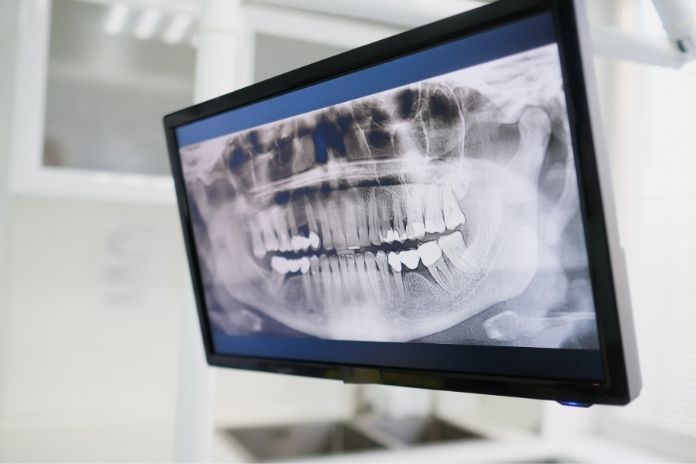
Although wisdom teeth removal is generally safe, complications can occur.
Injury: During extraction, nearby teeth, filling material, restorative crowns, or bridgework may inadvertently come loose or sustain harm.
Root Fragments: During extraction, long, thin tooth roots may occasionally break off. The OMS can typically remove the entire root fragment, but the surgeon may decide to leave a small portion in situ if it is near a nerve or the sinus cavity or if removing it would endanger nearby teeth. Doctors can monitor these pieces, and they are unlikely to cause long-term issues.
Jaw Fracture: Although extremely uncommon, jaw fractures can happen during wisdom tooth surgery, particularly in those with narrow jaws or heavily impacted wisdom teeth. To reduce excessive strain on the jaws after surgery, avoid hard or crunchy foods.
Jaw Joint Discomfort or Abnormal Jaw Function: Seldom does jaw joint discomfort start following surgery. Before your surgery, let your OMS know if you have any pre-existing jaw function issues.
Dry Socket: A sudden, severe pain that appears a few days following surgery is known as a “dry socket.”
Signs of Infection: Infection symptoms include pus, fever, and increased edema.
When to Contact Your Dentist or Oral Surgeon
Although little discomfort and swelling are common, you should speak with your dentist if you:
- Severe discomfort that persists for more than a few days
- Excessive bleeding or infection-related symptoms (pus, fever, etc.)
- A bad smell or taste in the mouth.
- Numbness that lasts longer than a day.
Tips for a Smoother Recovery

Planning can make recovery from wisdom tooth surgery easier:
- Take a break from your job or studies
- You should prepare soft foods in advance
- Adhere to prescription regimens
- Steer clear of physically demanding activities at first
Following wisdom tooth extraction, these procedures greatly enhance results.
Read More: Are You Overbrushing? Signs You Might Be Damaging Your Teeth
Conclusion
Wisdom teeth removal is a common, safe procedure that helps prevent discomfort, infection, and long-term dental issues. Even though the thought of surgery can be very intimidating, recovery can be easier and more manageable by being informed about the procedure and following the right aftercare.
In a few days, most patients gradually improve, particularly if they follow professional guidance and practice proper dental hygiene. Preparedness, eating the right food, and keeping an eye out for unusual symptoms can greatly reduce the discomfort and hasten healing.
Strictly following instructions may reduce the likelihood of problems, even with some moderate swelling and pain. Seeing a dentist will ensure prompt care if issues arise during recovery.
References
- Mayo Clinic Staff. (2023, November 22). Wisdom teeth removal: When is it necessary?
- Canyon Oral & Facial Surgery. Why do wisdom teeth need to be removed?
- Smile 101. (2025, October 7). Signs you need wisdom teeth extraction.
- Mayo Clinic. (April 05, 2024). Wisdom tooth removal.
- FloMo Dental. (2024, December 7). Is it painful to have wisdom teeth removed? What to expect.
- Gowds Dental. What to expect after wisdom tooth removal.
- Highlands Ranch Oral & Facial Surgery. (2022, March 30). Wisdom tooth removal recovery timeline.
- American Association of Oral and Maxillofacial Surgeons. Potential complications of wisdom teeth extractions.
- Fishinger Dental. Wisdom teeth removal complications
In this Article