
















Heart rhythm symptoms, such as palpitations, dizziness, skipped beats, or unexplained fainting, can be difficult to diagnose because they don’t always happen during a doctor’s visit. Many people undergo a routine ECG and are told their heart rhythm looks normal, even though symptoms persist.
This happens because many rhythm abnormalities are intermittent. They may appear briefly, triggered by stress, sleep, exertion, or even without a clear cause. To capture these elusive events, doctors rely on ambulatory ECG monitoring, which tracks the heart over extended periods in real-life conditions.
Two of the most commonly used options are Holter monitors and event recorders. In this article, we will discuss both of these. While both are types of wearable ECG devices, they differ in how they record data, how long they are worn, and which symptoms they are best suited to detect.
Understanding the Holter monitor vs. event recorder comparison helps clarify why one may be recommended over the other and how each contributes to accurate arrhythmia detection.
- Heart rhythm issues are often missed on a routine ECG because symptoms can be intermittent and unpredictable.
- Holter monitors record continuously for short periods, while event recorders monitor over longer durations and capture symptoms when they occur.
- Choosing the right test depends on how often symptoms happen, helping improve accurate arrhythmia diagnosis and treatment.
Read More: When Menopause Palpitations Signal a Heart Risk (and What to Monitor Next)
Why Heart Rhythm Monitoring Is Sometimes Needed
Limitations Of A Standard In-Office ECG
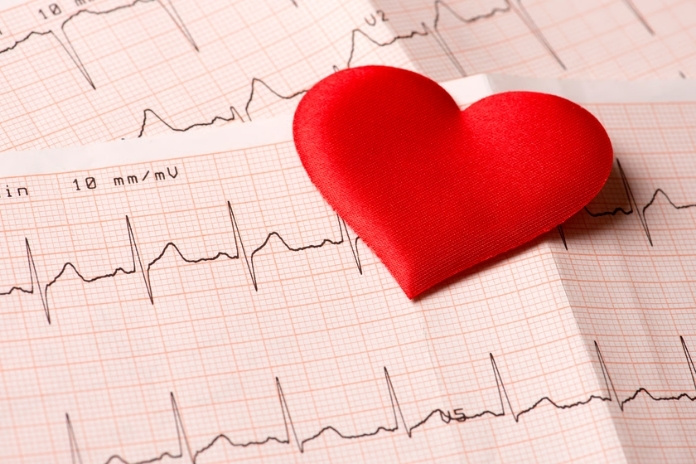
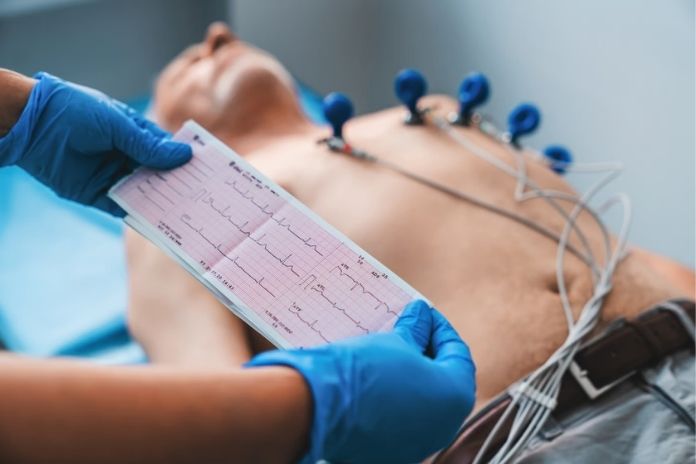
A standard ECG provides only a brief snapshot of your heart’s electrical activity, usually lasting just a few seconds. While it is highly effective for detecting persistent rhythm abnormalities, it often misses intermittent issues that occur outside that narrow window.
Many arrhythmias are influenced by real-life factors such as physical activity, emotional stress, sleep patterns, or dietary triggers like caffeine. Since these conditions are not replicated during a short clinic test, the ECG may appear normal even when symptoms are genuine. This limitation makes longer-term monitoring essential when symptoms are not constant.
Symptoms That Occur Intermittently
Heart rhythm symptoms rarely follow a predictable pattern. Some individuals experience palpitations multiple times a day, while others may have episodes only once every few weeks. Fainting or near-fainting (syncope) can be even more sporadic, making it particularly challenging to evaluate.
Because these symptoms are inconsistent, short-duration tests often fail to capture them. The less frequently the symptoms occur, the greater the need for extended monitoring to increase the likelihood of detection.
Importance Of Capturing Rhythm During Symptoms
To diagnose an arrhythmia, doctors need to match your symptoms with what your heart is doing at that exact time. If you feel dizzy or notice palpitations, they will look at your heart rhythm during that moment to see what’s causing it.
Without this connection, it’s hard to tell if the symptoms are due to a heart rhythm problem or something else. Recording the heart in real time during symptoms makes the diagnosis much clearer.
How Wearable Monitors Improve Diagnosis
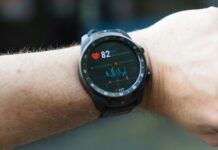
Wearable ECG devices allow continuous or event-based monitoring during everyday life. This real-world data provides a much more accurate picture of heart function compared to a brief clinical test.
By increasing the chances of detecting both symptomatic and silent abnormalities, these devices play a critical role in cardiac rhythm monitoring, improving diagnostic accuracy and guiding appropriate treatment.
What Is a Holter Monitor?
Continuous Heart Rhythm Recording
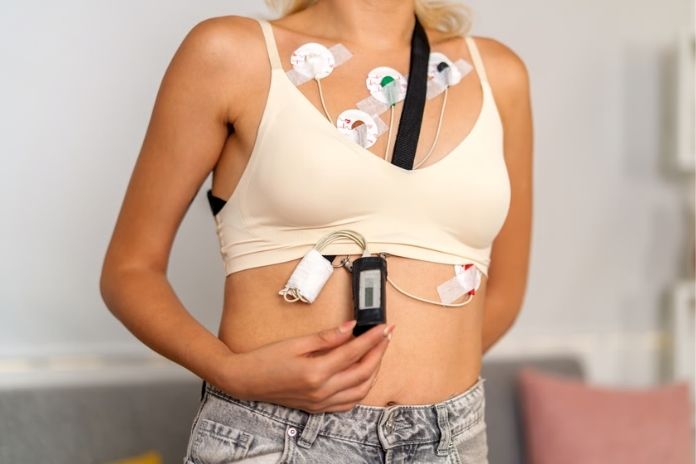
A Holter monitor records the heart’s electrical activity continuously, capturing every single heartbeat over the monitoring period. This uninterrupted data stream allows doctors to analyze not only isolated abnormalities but also broader patterns, such as how often irregular beats occur and whether they cluster at certain times.
This level of detail is particularly valuable in identifying both symptomatic and asymptomatic arrhythmias.
Typical Monitoring Duration (24–48 Hours, Sometimes Longer)
Holter monitors are typically worn for 24 to 48 hours, although extended monitoring may be used in certain cases. This timeframe is usually sufficient when symptoms occur daily or frequently.
Because the recording is continuous, even a short duration can provide a comprehensive view of heart rhythm behavior during that period.
How The Device Is Worn
The device consists of small electrodes attached to the chest, connected to a portable recorder. The unit is lightweight and designed to be worn comfortably during daily activities.
Patients are encouraged to continue their normal routines, as this helps capture realistic heart activity under typical conditions.
When Doctors Commonly Recommend It
Holter monitors are often recommended when symptoms occur frequently, such as daily palpitations or ongoing irregular heartbeats. They are also used to evaluate known arrhythmias and monitor the effectiveness of treatments.
Because they provide continuous data, they are particularly useful for identifying patterns and assessing overall rhythm stability.
What Is an Event Recorder?
Intermittent Or Symptom-Triggered Recording
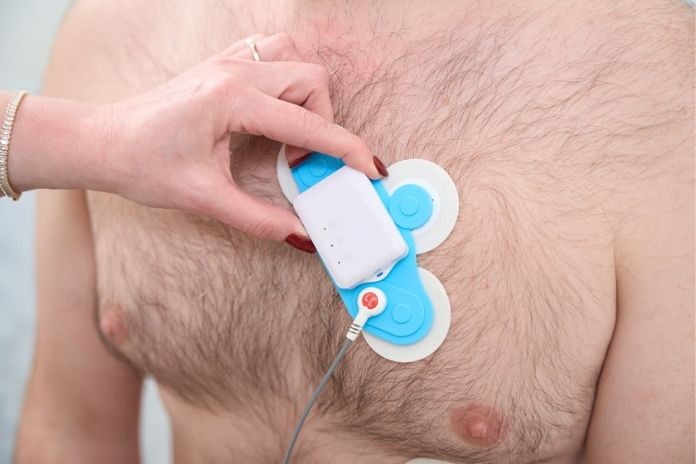
An event recorder captures heart rhythm only during specific moments rather than continuously. This is usually done when the patient activates the device during symptoms or when the device automatically detects an abnormal rhythm.
This targeted approach makes event recorders especially useful for evaluating intermittent arrhythmias that do not occur daily.
Longer Monitoring Period (Weeks To A Month)
Event recorders are typically worn for several weeks, allowing for extended observation. This longer duration significantly increases the likelihood of capturing rare or unpredictable symptoms that might be missed during shorter tests.
Manual vs. Automatic Event Recording
Manual event recorders rely on the patient to activate the device during symptoms, which works well when symptoms are noticeable. However, some arrhythmias may occur without clear symptoms.
To address this, many modern devices include automatic detection features that identify abnormal rhythms and record them without patient input, improving diagnostic accuracy.
Types Of Event Monitors (Patch, Handheld, Loop)
Event recorders come in various forms, including wearable patches, handheld devices, and loop recorders. Loop recorders are particularly useful because they capture data before and after an event, providing important context for diagnosis.
Read More: Signs of a Heart Attack vs. Panic Attack: When to Call 911
Holter Monitor vs. Event Recorder: Key Differences
Continuous Vs. Intermittent Monitoring
Holter monitors provide continuous monitoring, capturing every heartbeat, while event recorders focus on specific episodes. Continuous monitoring offers a complete picture over a short period, whereas intermittent monitoring targets key events over a longer timeframe.
Duration Of Use
Holter monitors are used for short-term monitoring, typically one to two days. Event recorders are worn for weeks, making them better suited for long-term observation.
Best For Frequent Vs. Rare Symptoms
Holter monitors are ideal for frequent symptoms, while event recorders are better for rare or unpredictable episodes.
Patient Involvement In Recording
Holter monitoring is passive, while event recorders may require patient activation, depending on the device.
Data Collected And Analysis
Holter monitors generate large datasets for detailed analysis, while event recorders provide focused data centered on abnormal events.
When a Holter Monitor May Be the Better Choice

Daily Or Frequent Palpitations
When symptoms occur regularly, continuous monitoring ensures they are captured within a short timeframe, making diagnosis more efficient.
Symptoms Occurring During Routine Activities
Holter monitors record heart activity during everyday life, providing insight into how the heart behaves under normal conditions.
Evaluating Known Arrhythmias
They are useful for assessing the frequency and severity of diagnosed rhythm disorders.
Checking Treatment Effectiveness
Holter monitoring helps determine whether medications or treatments are effectively controlling abnormal rhythms.
When an Event Recorder May Be More Useful
Infrequent Or Unpredictable Symptoms
Event recorders are particularly valuable when symptoms occur sporadically. Because they are worn over several weeks, they increase the likelihood of capturing episodes that might otherwise go undetected. This makes them a preferred option when symptoms are too rare for short-term monitoring to be effective.
Occasional Dizziness Or Fainting
In cases of unexplained dizziness or fainting, event recorders play an important role in the assessment of syncope. These symptoms can be caused by transient arrhythmias that are difficult to capture without extended monitoring, and event recorders provide the necessary timeframe to identify such events.
Suspected Intermittent Arrhythmias
Certain arrhythmias, such as paroxysmal atrial fibrillation, occur intermittently and may not produce symptoms every day. Event recorders are well-suited to detecting these irregular patterns because they allow for prolonged observation and targeted recording during abnormal episodes.
Monitoring Over Several Weeks
The extended monitoring period provides a broader understanding of heart rhythm over time. This is especially useful in complex cases where symptoms are inconsistent, helping doctors build a clearer and more accurate picture of the patient’s cardiac rhythm.
Symptoms That May Prompt Heart Rhythm Monitoring

Palpitations Or A Fluttering Sensation
Palpitations are one of the most common reasons for heart rhythm monitoring. They may feel like a racing, pounding, or irregular heartbeat and can vary widely in frequency and intensity. Monitoring helps determine whether these sensations are linked to a significant arrhythmia or are benign.
Dizziness or Lightheadedness
These symptoms may result from temporary reductions in blood flow caused by abnormal heart rhythms. Monitoring helps identify whether the episodes are related to changes in heart rate or rhythm.
Fainting or Near-Fainting
Fainting is a serious symptom that often requires thorough evaluation. Heart rhythm monitoring helps determine whether it is caused by a transient arrhythmia or another underlying issue.
Unexplained Fatigue
Persistent fatigue may sometimes be linked to inefficient heart function due to rhythm disturbances. Monitoring can help identify subtle abnormalities that contribute to reduced cardiac output.
Irregular Pulse Noticed at Home
An irregular pulse detected manually or through wearable technology may indicate a potential rhythm disorder. Monitoring provides a more accurate and detailed assessment.
What to Expect During a Holter Monitor Test
Electrode Placement and Setup
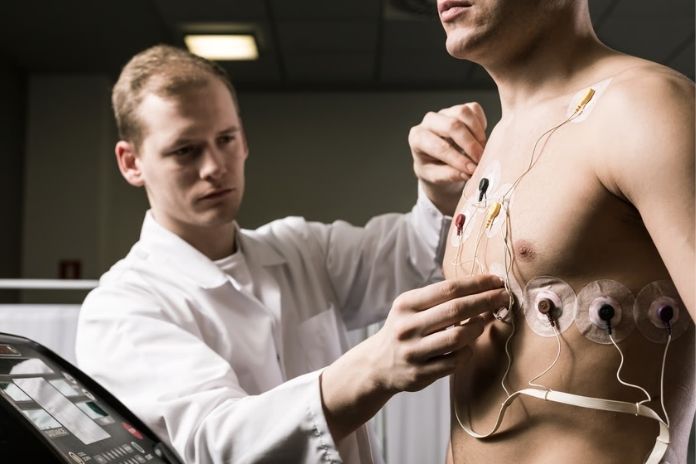
Electrodes are attached to the chest and connected to a portable recording device. The setup is simple and typically completed within a few minutes in a clinical setting.
Daily Activity Instructions
Patients are encouraged to continue normal activities, as this ensures the data reflects real-life heart behavior. Avoiding routine activities may reduce the usefulness of the test.
Keeping a Symptom Diary
A symptom diary is an important part of the test. Recording the timing and nature of symptoms allows doctors to match them with changes in heart rhythm.
Bathing and Device Precautions
Because the device must remain dry, patients are usually advised to avoid bathing or swimming during the monitoring period.
Returning the Device
After the monitoring period, the device is returned, and the data is analyzed using specialized software to identify any abnormalities.
What to Expect During an Event Recorder Test
Wearing the Device for Extended Periods
Event recorders are used for several weeks, allowing for long-term monitoring. Depending on the type, the device may be worn continuously or used as needed during symptoms.
How to Trigger Recordings
In manual devices, patients activate the recorder when symptoms occur. This ensures that the relevant heart rhythm is captured at the right moment.
Automatic Detection Features
Many modern devices include automatic detection capabilities, which record abnormal rhythms without requiring patient input. This is especially useful for asymptomatic events.
Logging Symptoms and Timing
Keeping a symptom log remains essential, as it helps correlate recorded data with patient experiences.
Transmitting Recorded Data
Some devices allow for remote data transmission, enabling faster review and more timely medical decisions.
Advantages and Limitations of Each Device
Benefits Of Holter Monitoring
Holter monitors provide continuous, detailed data, making them highly effective for detecting frequent arrhythmias and analyzing overall rhythm patterns.
Limitations of Holter Monitoring
The short monitoring period may limit their ability to detect rare or intermittent arrhythmias.
Benefits Of Event Recorders
Event recorders offer extended monitoring, improving the chances of detecting infrequent abnormalities and correlating them with symptoms.
Limitations of Event Recorders
Some devices rely on patient activation and may miss asymptomatic events, although automatic detection features help reduce this limitation.
How Doctors Decide Which Test You Need
Frequency of Symptoms: Symptom frequency is the most important factor in choosing between continuous and intermittent monitoring.
Type of Suspected Arrhythmia: Different arrhythmias require different monitoring strategies, influencing the choice of device.
Medical History and Risk Factors: Underlying conditions and prior cardiac events play a key role in decision-making.
Previous Test Results: Earlier findings help guide the next step in evaluation.
Urgency of diagnosis: Serious symptoms may require faster or more comprehensive monitoring.
Are These Tests Safe and Comfortable?
Both Holter monitors and event recorders are non-invasive and generally safe. Most patients tolerate them well and can continue normal activities. Minor skin irritation from electrodes is the most common issue, but serious complications are rare.
When to Seek Medical Attention During Monitoring
Severe Chest Discomfort: This may indicate a serious cardiac condition and requires immediate medical attention.
Fainting Episodes: Sudden loss of consciousness should always be evaluated urgently.
Persistent Shortness of Breath: This symptom may signal an underlying heart or lung problem.
Rapid or Irregular Heartbeat with Symptoms: If accompanied by dizziness or chest pain, prompt medical evaluation is necessary.
Read More: Questions to Ask Your Cardiologist: A Complete Guide for Your Next Heart Appointment
Key Takeaway: Choosing the Right Heart Rhythm Monitor
The choice between a Holter monitor and an event recorder depends primarily on how often symptoms occur. Holter monitors provide continuous, short-term data and are best for frequent symptoms, while event recorders offer extended monitoring for intermittent or unpredictable episodes.
By selecting the appropriate ambulatory ECG monitoring method, doctors can improve diagnostic accuracy, guide treatment decisions, and provide reassurance, ensuring that even elusive heart rhythm issues are properly identified and managed.
References
- Apollo Hospitals. (n.d.). Cardiac event monitor.
- Open Heart. (n.d.). Event recorder.
- Bhosale, K. (n.d.). 24-hour ECG monitoring (Holter monitoring).
- ScienceDirect. (n.d.). Paroxysmal atrial fibrillation.
- Max Healthcare. (n.d.). Holter monitoring.
- ScienceDirect. (2025). [Article on cardiac monitoring].
- Beats Cardiology. (n.d.). Holter, event, and MCOT monitor.
In this Article