














Lately, “fibermaxxing” has been gaining attention as a trend, particularly among people aiming to improve their cholesterol levels before starting medication. The basic idea is simple: increase fiber intake as much as possible. But in practice, not all fiber has the same effect.
So they go buy those cereals that say “heart healthy” on the box. This appears to be a wise decision. But when you actually see what is inside, it’s not always that simple.
Psyllium husk looks boring and plain, almost like dust. But inside the body, it behaves very differently compared to cereal fiber. That is where the real difference comes. This article looks closely at why psyllium husk often shows stronger LDL reduction compared to cereals and where cereals still have a role.
- Not all fiber lowers cholesterol equally: Soluble fiber (like psyllium and oat beta-glucan) helps reduce LDL, while most cereal fibers (often wheat bran) are mainly insoluble and less effective.
- Psyllium works more directly and consistently: It forms a gel that binds bile acids, leading to a steady ~5–15% LDL reduction when taken daily in adequate doses.
- Cereals still have a role—but require smart choices: Oat-based, low-sugar options can help, but psyllium is a more concentrated, targeted strategy and works best alongside an overall healthy diet.
What “Fibermaxxing” Means for Cholesterol Management
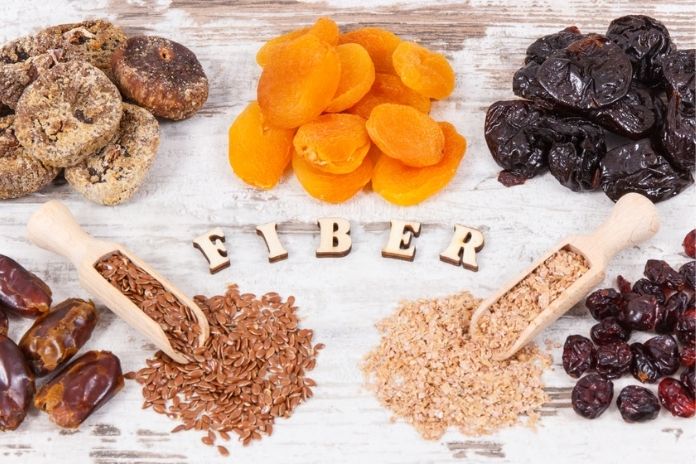
The doctor says, “Eat more fiber,” when LDL cholesterol is high. Eating fiber in any form has many benefits, says Julia Zumpano, a registered dietitian with the Cleveland Clinic Center for Human Nutrition, including “slowing down digestion and increasing satiety, which are both benefits of weight-loss drugs.” But no one explains properly which fiber. There are soluble and insoluble ones. Leading to a major confusion here.
Soluble fiber is the one that actually helps in lowering LDL cholesterol. It mixes with water and becomes gel-type. Insoluble fiber adds bulk and just passes through, helping with stool, but it does not help much with lowering cholesterol.
So if someone is doing fibermaxxing but eating mostly wheat bran or random fiber foods, the result may not be good. Now, how do psyllium and cereals play a role? Psyllium husk is almost fully soluble fiber. That is why it is powerful in this case.
Cereals can have both types, but mostly more insoluble ones, unless they are oat-based. Others rely more on wheat bran, which is mostly insoluble. Thus, not every “high-fiber cereal” has the same impact.
So just a “high fiber” label is not enough. What type of fiber exists in it does matter more. Fibermaxxing, if done without understanding this difference, can give average results instead of meaningful LDL reduction.
How Psyllium Husk Lowers Cholesterol in the Body
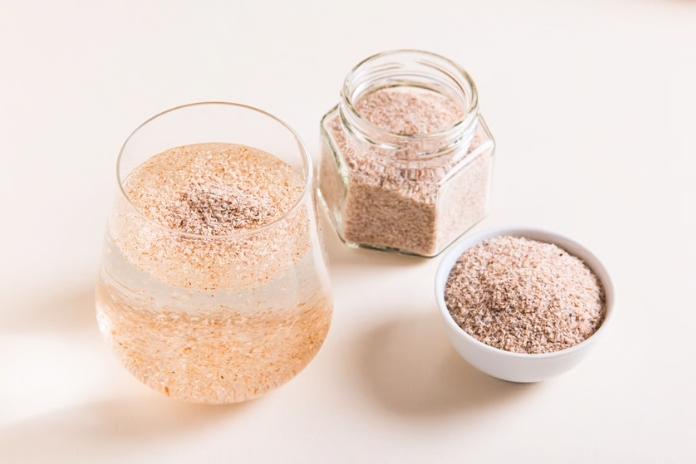
Psyllium comes from the Plantago ovata plant. When you mix it in water, it becomes a thick, sticky gel. Not very tasty, honestly, but the function is strong.
Inside the intestine, this gel catches bile acids. These bile acids are made from cholesterol in the liver. When psyllium binds them, and they go out in stool, now the body needs to produce more bile acids. For that, it uses cholesterol from the blood. So LDL starts reducing slowly.
“Psyllium husk has become popular thanks to a wave of social media influencers and wellness personalities touting its ability to suppress appetite, regulate digestion, and even mimic the effects of more costly medications,” says Lena Beal, spokesperson for the Academy of Nutrition and Dietetics.
This is not a theory only. Many studies show this effect again and again: consistent LDL reduction with psyllium. Not a huge drop like medicine, but a steady drop in LDL cholesterol.
Around a 5 to 15 percent reduction is seen in many people. The important thing is daily use. If you take it sometimes and skip it sometimes, the effect is not stable. Important detail: the effect depends on viscosity. Not just the amount of fiber, but also how thick is the gel.
Still, some things are not fully clear, like long-term heart risk reduction. But for LDL-lowering, evidence is quite solid.
What Makes “Heart-Healthy” Cereals Different from Psyllium
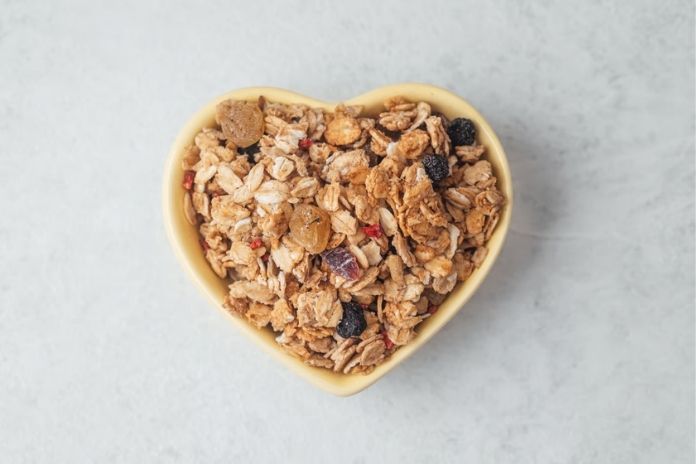
Now cereals. Packaging is very convincing. Words such as “whole grain,” “heart healthy,” and “high fiber.” But inside, fiber quality is mixed. Some cereals have oat beta-glucan. This is a good soluble fiber. But the amount is often low per serving. You may need 2–3 bowls to reach an effective level. Many people eat less or more than the listed serving. So actual intake becomes inconsistent.
Other cereals use wheat bran. This is mostly insoluble fiber. Good for constipation, but not really for cholesterol. Also, many cereals have added sugar, refined grains, and flavoring agents. These do not cancel fiber benefits completely. But, even if it is taken in small amounts, regular intake can affect blood sugar and weight.
So cereals are not bad. But they are not as direct or strong like psyllium.
Psyllium Husk vs High-Fiber Cereals: Key Differences
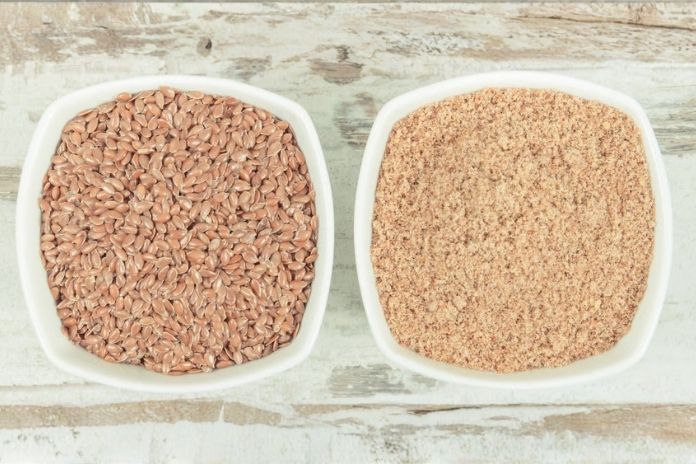
If we look at it practically, psyllium provides high soluble fiber in very small quantities. One spoon, by itself, is strong. Cereals give fiber, but diluted and mixed with carbs and, at times, with sugar as well. Now, how does it impact LDL cholesterol? Psyllium shows more consistent and measurable reduction as per studies. Cereals can help, but the effect varies depending on the type and intake.
Blood sugar is also different. Psyllium slows digestion. Cereals, especially processed ones, can increase sugar fast. Also, psyllium is a single ingredient. No confusion. Cereals have many things inside. Cost-wise also, psyllium is cheaper if you compare per effective dose.
So it is not that cereals are useless. But psyllium is more targeted, more direct.
How Much Psyllium Husk May Help Lower Cholesterol
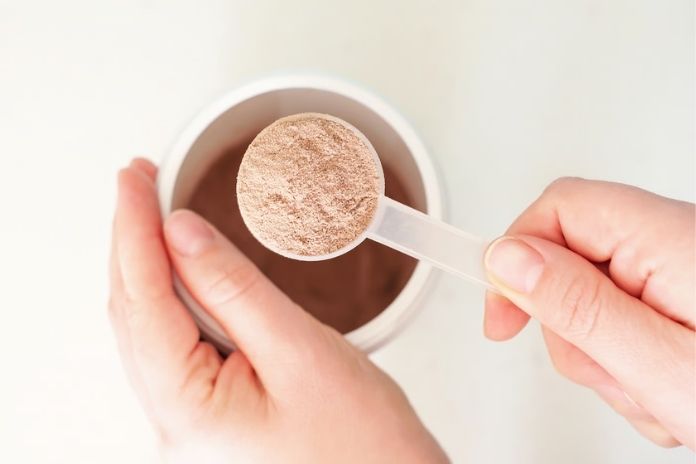
Research usually uses around 7 to 10 grams of psyllium per day for cholesterol lowering. This is divided into 2–3 doses.
Starting with a full dose is not always comfortable. Some people experience bloating or gas. Better to begin with a small amount, maybe 3–4 grams, and increase gradually.
Timing also matters. Taking psyllium before meals can help with both cholesterol and blood sugar control.
Changes in LDL do not happen immediately. Usually, it takes a few weeks, sometimes up to 8 weeks, to see a measurable difference.
Consistency is important. Missing doses reduce the effect because the mechanism depends on regular bile acid binding.
Also, hydration is critical. Psyllium absorbs water. Without enough fluid, it can cause discomfort or even blockage in rare cases.
Can Psyllium Work as Well as Cholesterol Medication?
Some people think, “If psyllium works, why take medicine?” This thinking is not correct. Medicines like statins work differently. They reduce cholesterol production in the liver.
Psyllium works in the intestine. It helps remove cholesterol. Some studies show when both are used together, the effect is better. But psyllium alone is not equal to statins in most cases. It is more like support, not replacement.
Additional Benefits of Psyllium Beyond Cholesterol-Lowering Effects
One good thing is that psyllium also helps in other areas. It slows sugar absorption. So after a meal, a glucose spike is less. Also gives fullness. So maybe it helps in eating less.
Digestive health is also improved. It helps both constipation and sometimes loose stools by regulating stool consistency. But these benefits vary. Not everyone feels the same. There is also some research on gut bacteria changes, but this area is still developing. The main strong point is still cholesterol-lowering.
Read More: 11 Common Kitchen Mistakes That Could Be Secretly Causing High Cholesterol Levels
How to Add Psyllium to a Cholesterol-Lowering Diet
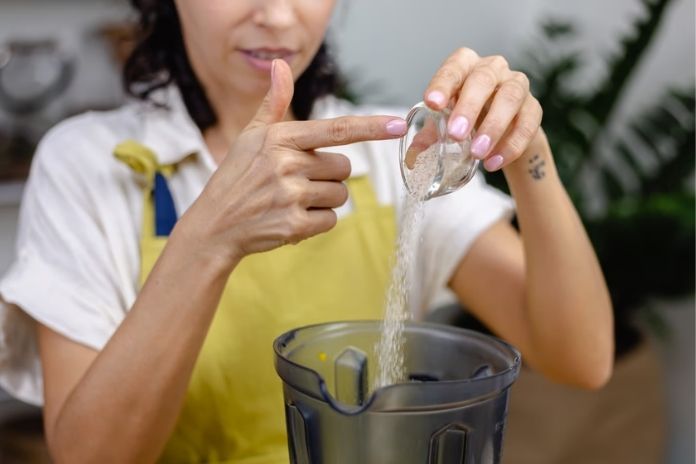
A simple way is to mix it in water and drink quickly. Taste is neutral, but texture is strange for some people. Can also be mixed in curd or a smoothie. That is easier. Always follow up with additional water intake. You can take it before meals or between meals. Regular timing helps habit formation. Start with a small dose and increase slowly. Cereals can still be used. Especially oat-based cereals. But do not depend only on cereal.
Better combination works:
- Psyllium for strong soluble fiber
- Foods for overall nutrition
Read More: 10 Fiber Superfoods to Lower Blood Pressure Naturally (Without Changing Your Meds)
Who Should Be Careful With Psyllium Husk
Some people need caution.
- If someone has a swallowing problem, taking dry or less watery psyllium can be risky.
- People with gut blockage issues should avoid it unless the doctor says so.
- Also, medicines should not be taken at the same time. It is better to take medicines at least 1–2 hours apart. Psyllium can reduce absorption.
- Gas and bloating are common at the beginning, but they usually ease over time. Starting with a lower amount and increasing gradually can help minimize these effects.
- If there is severe discomfort, the dose should be reduced.
Read More: Why Your Fiber Supplement Might Be Making Your Heart Meds Less Effective
Final Thoughts: Choosing the Right Fiber Strategy for Lowering LDL
So the main thing is, not all fiber is the same. Psyllium husk works in a very specific way, so LDL reduction is clearer. Cereals help, but only when chosen properly and taken in enough quantity. The best approach is not extreme. Use both in a balanced way. Daily small steps matter more than occasional big changes.
- Psyllium husk gives concentrated soluble fiber, so the effect on LDL is more consistent
- Many cereals are high in fiber but low in soluble fiber, so the impact is limited
- The type of fiber matters more than the total grams written on the label
- Psyllium works well with other treatments but should not replace medicines
- Still need more long-term studies to see the full heart disease prevention effect
FAQs
1. Can I take psyllium husk at night?
Yes, timing is not very strict. But many take psyllium husk before meals for extra benefit.
2. Is psyllium husk safe for long-term use?
Generally, yes, if taken with water and in a proper dose as prescribed by your doctor.
3. Which is best for lowering cholesterol, psyllium or cereal?
Oat-based cereals with higher beta-glucan and low sugar work best for helping to lower cholesterol.
4. Can I skip the diet and just take psyllium husk?
No, that is not a good idea. Diet is still important for overall health and hence can’t be skipped.
5. Why do I feel bloating after taking psyllium husk?
The body needs time to adjust. Start with a low dose to avoid bloating after taking psyllium husk.
References
- Anderson, J. W., Davidson, M. H., Blonde, L., Brown, W. V., Howard, W. J., Ginsberg, H., Allgood, L. D., & Weingand, K. W. (2000). Long-term cholesterol-lowering effects of psyllium as an adjunct to diet therapy in the treatment of hypercholesterolemia. The American Journal of Clinical Nutrition, 71(6), 1433–1438.
- Chen, C., Shang, C., Xin, L., Xiang, M., Wang, Y., Shen, Z., Jiao, L., Ding, F., & Cui, X. (2022). Beneficial effects of psyllium on the prevention and treatment of cardiometabolic diseases. Food & Function, 13(14), 7473–7486.
- Jalanka, J., Major, G., Murray, K., Singh, G., Nowak, A., Kurtz, C., Silos-Santiago, I., Johnston, J., de Vos, W., & Spiller, R. (2019). The Effect of Psyllium Husk on Intestinal Microbiota in Constipated Patients and Healthy Controls. International Journal of Molecular Sciences, 20(2), 433.
- Moreyra, A. E. (2005). Effect of Combining Psyllium Fiber With Simvastatin in Lowering Cholesterol. Archives of Internal Medicine, 165(10), 1161.
In this Article