















- Sudden vomiting, diarrhea, and fever often point to norovirus, not morning sickness.
- Morning sickness develops gradually, usually starting around week 6 and lasting weeks.
- Hydration is crucial during pregnancy with stomach viruses to prevent dehydration.
Nausea hits a lot of people during pregnancy; it’s probably one of the most common symptoms. Most of the time, it’s just morning sickness doing its thing, especially in those early weeks. But not every upset stomach is about pregnancy hormones.
In certain cases, a viral illness such as norovirus during pregnancy may cause abrupt nausea, vomiting, or diarrhea.
Telling the difference between a stomach virus while pregnant isn’t always easy. Both can leave you feeling nauseous or make you throw up. Still, pregnant women need to know that norovirus isn’t the same as morning sickness.
That way, you’ll know when what you’re feeling is just part of being pregnant and when it’s something more serious.
In this article, we will explore the key differences between norovirus and morning sickness, explain the symptoms of a stomach virus while pregnant, and discuss when vomiting during pregnancy may signal an infection or morning sickness.
Read More: 10 Things You Must Know About Zombie Virus – Top Cases in World
What Is Norovirus and Why Can It Occur During Pregnancy
A common cause of sudden stomach illness
Norovirus season peaks in the US every year from November to April, and if you’re pregnant, you need to be a little more watchful than normal to avoid contracting this extremely common stomach illness.
Norovirus is the most common foodborne infection in the United States, according to the Centers for Disease Control and Prevention (CDC), and outbreaks in crowded settings such as schools, nursing homes, and cruise ships are more common during the winter months.
The highly contagious norovirus causes intestinal and stomach irritation. Acute viral gastroenteritis, a form of gastrointestinal infection, is the medical term for this illness.
The symptoms of a norovirus during pregnancy typically manifest abruptly and can include:
- Nausea
- Vomiting
- Diarrhea
- Stomach cramps
- Mild fever
- Fatigue or body aches
Pregnancy does not prevent viral infections
Some people believe that being pregnant shields them from infections. However, during pregnancy, immune changes actually alter how the immune system responds to certain pathogens.
Pregnant people may occasionally be slightly more vulnerable to viral infections because the immune system adapts to support fetal growth.
Because of these immune adaptations, it is possible to develop a stomach virus, including norovirus, while pregnant.
How long does norovirus usually last?
Thankfully, the majority of norovirus cases during pregnancy are harmless and resolve on their own. The symptoms of a norovirus infection often last one to three days. Without treatment, most patients fully recover.
In contrast to long-term digestive issues, diarrhea during pregnancy due to a viral infection usually resolves within a few days as the immune system clears the virus.
However, because vomiting and diarrhea can quickly result in electrolyte imbalance and dehydration, pregnant women should pay more attention to their fluid intake.
What Morning Sickness Usually Feels Like
When morning sickness typically begins
One of the most noticeable signs of pregnancy is morning sickness. Around the sixth week of your pregnancy, usually two weeks after your first missed period, you may begin to feel queasy if you’re one of the many pregnant women who suffer from morning sickness. The onset of symptoms may be gradual or emerge overnight.
Nausea and vomiting in pregnancy are common, particularly in the first trimester. Although it is referred to as morning sickness, symptoms can appear at any time of day.
Morning sickness normally lasts until roughly 14 weeks of pregnancy, which is shortly after the conclusion of the first trimester. Usually, it peaks between weeks 8 and 11. Nonetheless, some women may feel queasy during the second trimester, and others may even feel queasy close to the end of their pregnancy.
Common symptoms of pregnancy-related nausea
The following are typical signs of morning sickness:
- Nausea that lasts all day.
- Random vomiting.
- Scent sensitivity.
- Food intolerances.
- Decreased hunger.
These symptoms range in severity from mild to moderate. Crucially, rather than an abrupt infection, they typically exhibit a pattern associated with hormonal changes.
Patterns that suggest morning sickness
Several patterns help distinguish pregnancy-related nausea from a stomach virus while pregnant.
Frequent morning sickness:
- Occurs gradually.
- Appears in the early stages of pregnancy.
- Occurs several times over a period of weeks.
- Becomes better after eating little meals.
Strong odors, particular foods, and an empty stomach are examples of triggers that might exacerbate symptoms.
Read More: How to Clean Groceries During Coronavirus? Decontaminate the Virus
Key Differences Between Norovirus and Morning Sickness
Understanding the difference between norovirus and morning sickness becomes easy when evaluating the pattern and type of symptoms.
Symptoms: Norovirus symptoms include chills, fever, diarrhea, and excruciating pain. Usually, morning sickness is limited to nausea and vomiting.
Duration: The duration of a norovirus is approximately 24 to 72 hours. Weeks or months may pass while experiencing morning sickness.
Diarrhea: Bowel symptoms are another important distinction between norovirus vs morning sickness. Viral infections that cause diarrhea during pregnancy may result in loose or watery stools. Diarrhea is rarely the result of morning sickness.
Fever and body aches: Other symptoms of a viral infection include mild fever, fatigue, headaches, and body aches.
Symptoms That May Suggest a Stomach Virus During Pregnancy
Instead of pregnancy-related nausea, some symptom patterns point to a gastrointestinal infection.
During pregnancy, the following symptoms could indicate a gastrointestinal virus:
- Sudden diarrhea and vomiting are happening simultaneously.
- Stomach cramping and frequent bowel movements.
- Symptoms that start after consuming dubious food.
- Signs of food poisoning vs morning sickness in pregnancy.
Acute viral gastroenteritis, including norovirus, is characterized by these patterns.
Is Norovirus Dangerous During Pregnancy?
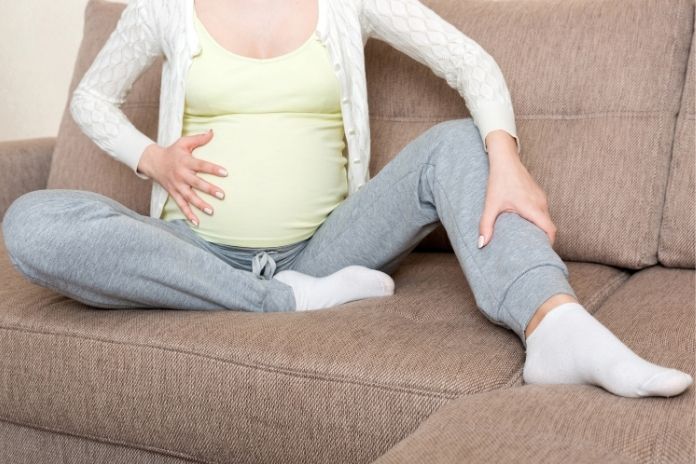
One of the most common concerns people have is whether norovirus is dangerous during pregnancy.
Most infections are mild and self-limited
Healthcare experts generally do not consider norovirus during pregnancy harmful to the fetus in most cases. It mainly affects your stomach and gut, and it usually clears up on its own without any special treatment.
Unlike some infections that can reach the baby through the placenta, norovirus stays in the digestive system and does not affect the infant.
But since your body’s already working overtime to support the prenatal health, you might feel even more wiped out if you catch it.
Dehydration is the main concern
Dehydration is the main risk factor for stomach viruses during pregnancy.
Diarrhea and vomiting can result in:
- Loss of fluid.
- Imbalance of electrolytes.
- Decreased urination.
- Weakness or dizziness.
Dehydration during pregnancy can be more problematic than in non-pregnant adults because fluid requirements rise during pregnancy.
Current evidence about pregnancy risks
Norovirus does not immediately impact your unborn child. But it’s especially crucial to stay hydrated when you’re pregnant and ill with norovirus.
It is because vomiting and diarrhea can result in dehydration, which can lead to an electrolyte imbalance (electrolytes are bodily salts like potassium and sodium) that can lower the amount of amniotic fluid around your unborn child. It may result in early labor in extreme circumstances.
To replenish fluids lost from vomiting and diarrhea, you must continue drinking fluids. Since you may feel ill and cannot drink large amounts of water, drink small amounts frequently.
An over-the-counter oral rehydration salt, such as Dioralyte, can help replenish the body’s salts and fluids lost during vomiting and diarrhea. You can either ask your doctor to write a prescription for it or purchase it over the counter from your pharmacist.
It is typically not advised to use over-the-counter diarrhea remedies when pregnant.
Read More: Coronavirus Imaging Features Unveiled By Radiologists, New Study Suggests
Safe Ways to Manage Norovirus Symptoms While Pregnant
When someone develops stomach flu symptoms in pregnancy, supportive care is usually the safest approach.
Focus on hydration
As a general guideline, you should aim to drink one cup of water over the course of an hour, or around one teaspoon every ten minutes after vomiting. Increase your fluid intake gradually over a few hours if you can keep that down. Start sipping fluids slowly and see how your stomach reacts. Even if you feel better, don’t rush it; let your body show you it’s ready.
Gentle foods once vomiting improves
Listen to your stomach when you’re ready to eat solid food again. Keep it basic and gentle, think plain white rice, dry toast, cream of rice cereal, applesauce, or bananas. Skip anything heavy or fatty for now. Steer clear of dairy and high-fat foods until the diarrhea has subsided.
Remember that ginger is beneficial for upset stomachs. Chew on some ginger candies or drink it in tea or flat ginger ale.
Rest and gradual recovery
The immune system can combat infection more successfully when it is rested. Most individuals with norovirus during pregnancy begin to feel better after two or three days. Because some medications may not be advised during pregnancy, it is always advisable to discuss medication use with a healthcare provider.
Read More: How To Prevent Coronovirus From Spreading, Especially When Travelling?
When to Contact a Healthcare Professional
The majority of norovirus patients recover within 48 hours, while certain symptoms may persist for a little while longer.
However, you should get medical attention if:
- You can’t handle any liquids.
- If you haven’t urinated in six to eight hours, for instance, you stop urinating.
- Your vomit or feces include blood.
- You have been throwing up for longer than two days.
- You’ve had diarrhea for longer than seven days.
- You’re feeling worse and worse.
Preventing Norovirus During Pregnancy

One of the most crucial aspects of safeguarding fetal health is preventing norovirus throughout pregnancy.
Because the virus spreads quickly, maintaining good hygiene is crucial to protection.
- Before preparing food, eating, or drinking, and especially after using the restroom or changing a diaper, thoroughly wash your hands with a mild soap and water for at least 20 seconds. Soap and water are more effective against noroviruses than alcohol-based hand sanitizers.
- Steer clear of tainted food and water, especially food cooked by a sick person.
- Before consuming, wash fruits and vegetables.
- Cook seafood all the way through.
- Clean any potentially contaminated surfaces. Put on gloves and use a disinfectant effective against noroviruses, or a chlorine bleach solution.
- When traveling, exercise caution. Eat only prepared foods, drink only hot or fizzy beverages, and stay away from street sellers’ food if you’re visiting a region where the danger of contracting the norovirus is great.
Read More: Fluffy Poop: What It Means About Your Gut Health
Conclusion
Digestive issues during pregnancy can really throw you for a loop, especially when nausea or vomiting suddenly hits. Morning sickness is pretty common early on, but if you’re dealing with diarrhea, stomach cramps, or you feel suddenly unwell, it could be norovirus or another stomach bug.
Knowing the difference between regular morning sickness and something more serious helps you stay calm and take care of yourself. Staying informed and maintaining good hygiene go a long way toward avoiding illness and keeping your pregnancy on track.
References
- Sara Goldstein. (Feb. 17, 2026). Norovirus and pregnancy: An OB-GYN shares what you need to know.
- Kaye, P. (2023, March 10). Norovirus in pregnancy: How to spot it and how to treat it.
- FoodsPregnancy. Foods during pregnancy.
- Mayo Clinic. (Apr 30, 2025). Norovirus infection.
- March of Dimes. Morning sickness.
- California Department of Public Health. Norovirus.
- What to Expect. Stomach bugs during pregnancy.
In this Article